Federal provisional data through August 2025 show U.S. drug overdose deaths have fallen for more than two years, with an estimated 73,000 fatalities in the 12 months ending August 2025 — a 21% drop from the prior 12-month period. Declines were reported in 45 states, though reporting lags mean counts may change. Experts point to multiple possible drivers, including wider naloxone access, expanded treatment, demographic shifts, reduced fentanyl precursor supplies, and the end of pandemic stimulus payments, but stress no single cause is yet proven.
U.S. Overdose Deaths Fall Through Most of 2025 — Longest Decline in Decades, But Causes Remain Unclear
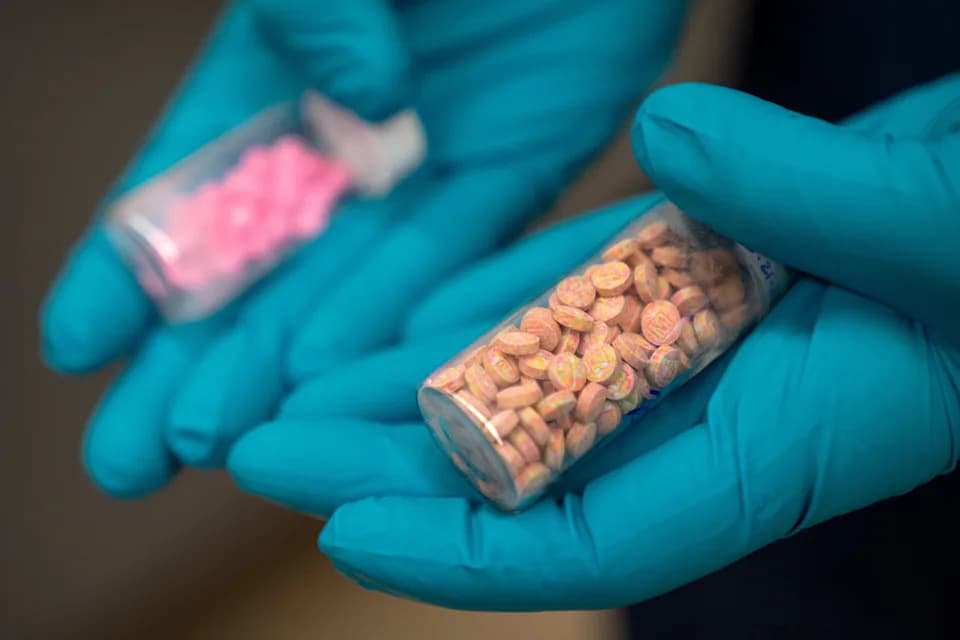
FILE - Jonathan Dumke, a senior forensic chemist with the Drug Enforcement Administration, holds vials of fentanyl pills at a DEA research laboratory on Tuesday, April 29, 2025, in Northern Virginia. (AP Photo/Mark Schiefelbein, file)(ASSOCIATED PRESS)
New provisional federal data show U.S. drug overdose deaths declined through most of 2025, marking the longest continuous drop in decades even as progress appears to be slowing.
Key Findings
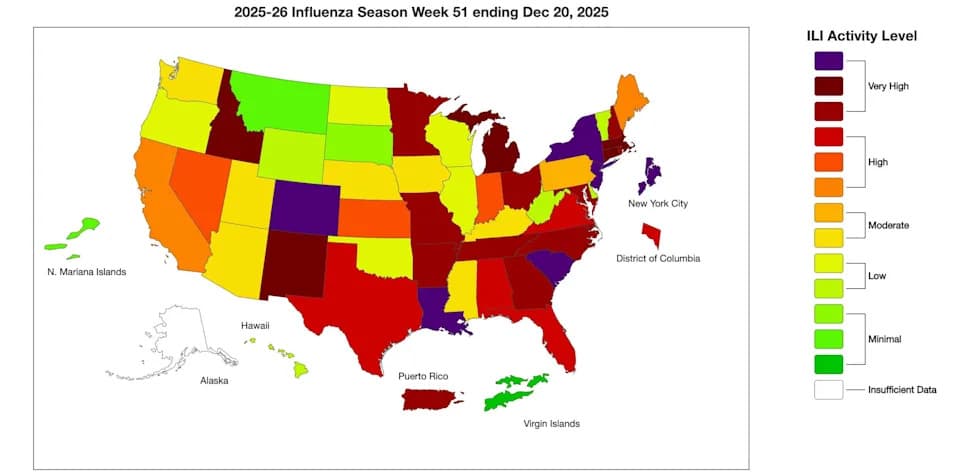
The Centers for Disease Control and Prevention’s provisional monthly data, updated through August 2025 after the recent federal government shutdown, estimate roughly 73,000 overdose deaths in the 12 months ending August 2025 — about a 21% decline from roughly 92,000 deaths in the previous 12-month period. The CDC reported declines in 45 states, with increases in Arizona, Hawaii, Kansas, New Mexico and North Dakota. Officials cautioned that reporting lags mean some state totals could still change.
Context
Overdose fatalities rose starting in the 1990s with prescription opioid painkillers, followed by waves involving heroin and, more recently, illicit fentanyl. Deaths peaked at nearly 110,000 in 2022, dipped slightly in 2023, and dropped sharply — about 27% — in 2024 to roughly 80,000, the largest single-year decline recorded.
What Might Be Driving the Decline?
Researchers point to multiple overlapping factors rather than a single cause:
FILE - This Tuesday, April 1, 2025 photo shows the Centers for Disease Control and Prevention building in Atlanta. (AP Photo/Ben Gray, file)(ASSOCIATED PRESS)
- Harm-Reduction Tools: Broader availability of naloxone, the overdose-reversing medication, likely saved lives.
- Treatment Expansion: Increased access to addiction treatment and recovery services may have reduced fatalities.
- Demographic and Behavioral Shifts: Fewer teens initiating drug use and a shrinking population at highest risk (in part due to prior mortality) may lower the absolute number vulnerable to overdose.
- Opioid Settlement Funds: Billions in settlement dollars directed toward prevention and treatment could be contributing to declines.
- Supply-Side Changes: A paper in Science from the University of Maryland suggests that Chinese regulatory action reduced availability of precursor chemicals for fentanyl, diluting potency and limiting supply.
- Economic Factors: Researchers at the University of Pittsburgh observed short-term spikes in overdoses following pandemic stimulus payments and argue that the end of those payments may have helped lower overdoses beginning in 2022.
Evidence, Limits and Caveats
Experts caution these explanations are not mutually exclusive and do not prove causation. For example, the China-precursor hypothesis draws on DEA data showing fentanyl potency rose early in the pandemic and fell after 2022, plus anecdotal reports of a 2023 U.S. fentanyl "drought" on social platforms — but public data on Chinese policy changes remain incomplete. Likewise, the stimulus hypothesis identifies temporal correlations but cannot account for all regional and demographic variation.
CDC provisional numbers are subject to reporting delays and revision. The new data represent the first monthly update since the federal shutdown, and officials note additional deaths may be reported later for some states.
Policy Implications
Researchers urge continued investment in naloxone distribution, evidence-based addiction treatment, targeted prevention for people at highest risk, and careful design of any future large cash disbursements to reduce unintended harms. They also stress the need for robust international cooperation on precursor chemical controls and improved drug surveillance.
“I personally think it’s more complicated,” said Dr. Daniel Ciccarone of UCSF, reflecting a common view that multiple overlapping trends — policy, supply, treatment and demographics — are likely driving the recent declines.
What’s next: Continued monitoring of provisional CDC data, more complete state reporting, and deeper research into supply-side and economic drivers will be essential to understanding whether the recent improvements are durable and how best to build on them.
Source: Associated Press summary of CDC provisional data through August 2025 and recent academic studies cited by researchers.
Help us improve.