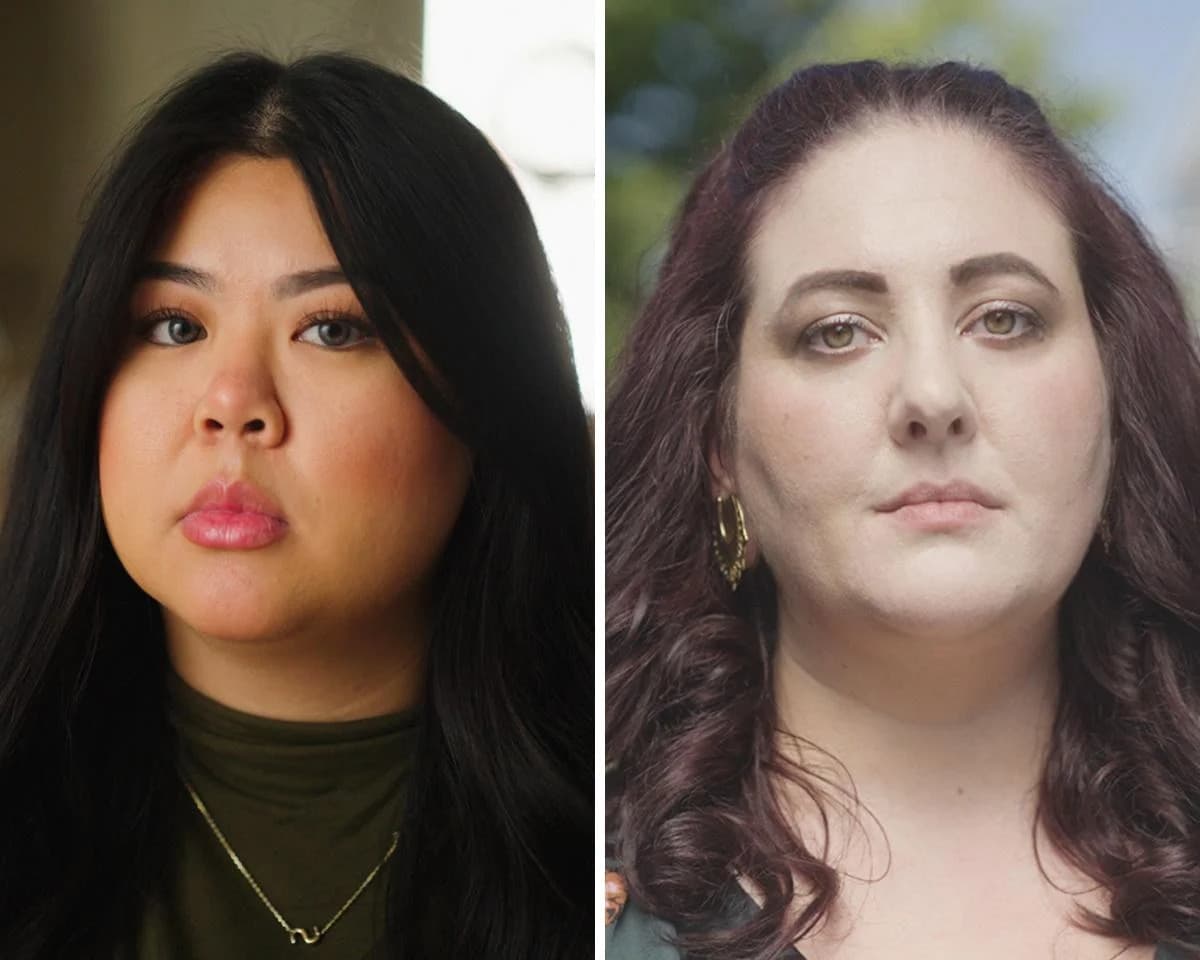
Federal handling of two Minneapolis DHS shootings has sparked legal and political fallout. State prosecutors say they were excluded from evidence and investigations after immigration officers killed Renee Good and Alex Pretti, prompting a federal lawsuit and multiple resignations. Critics warn the departure from the traditional DOJ-led, collaborative model risks undermining public trust in federal law enforcement.
Federal Handling Of DHS Shootings In Minneapolis Prompts Lawsuits, Resignations and Trust Concerns
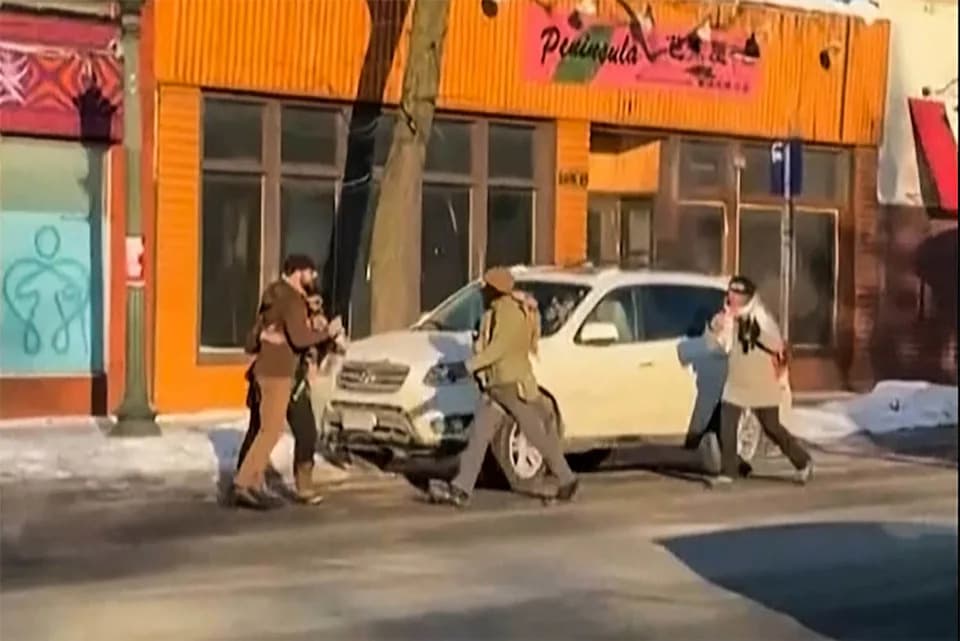
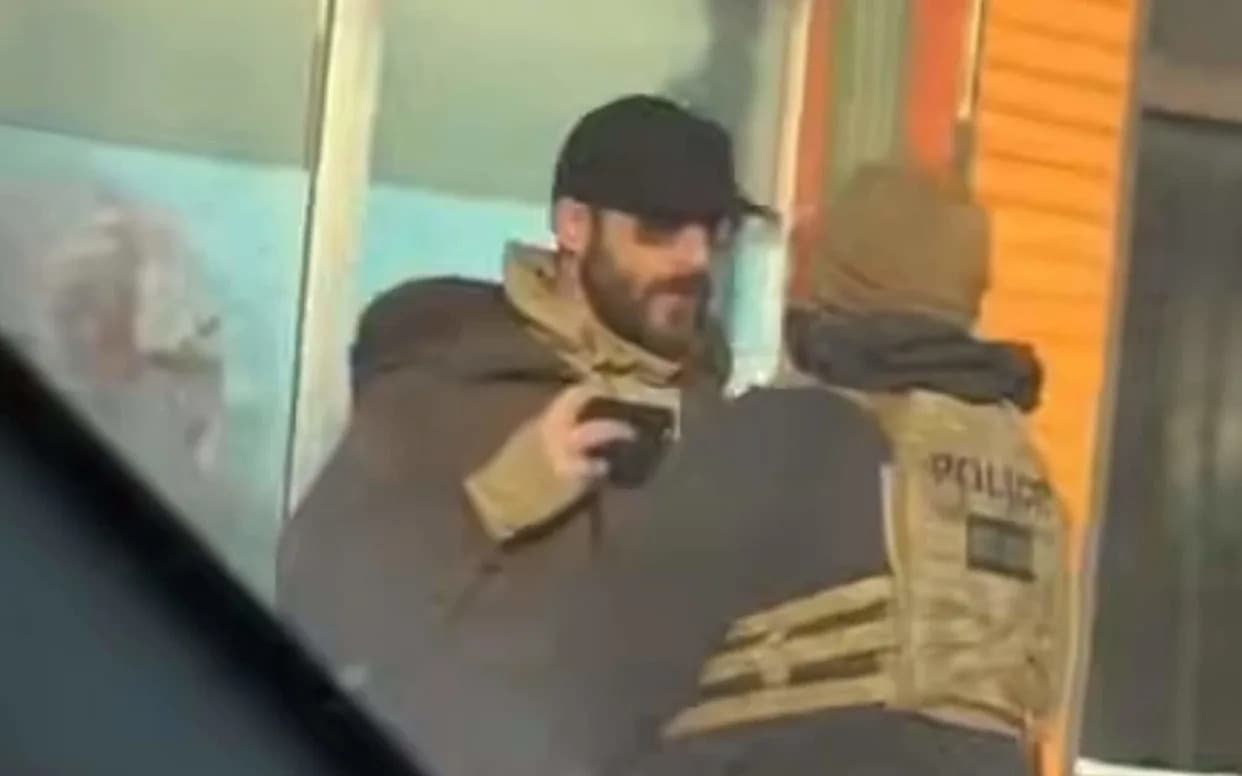
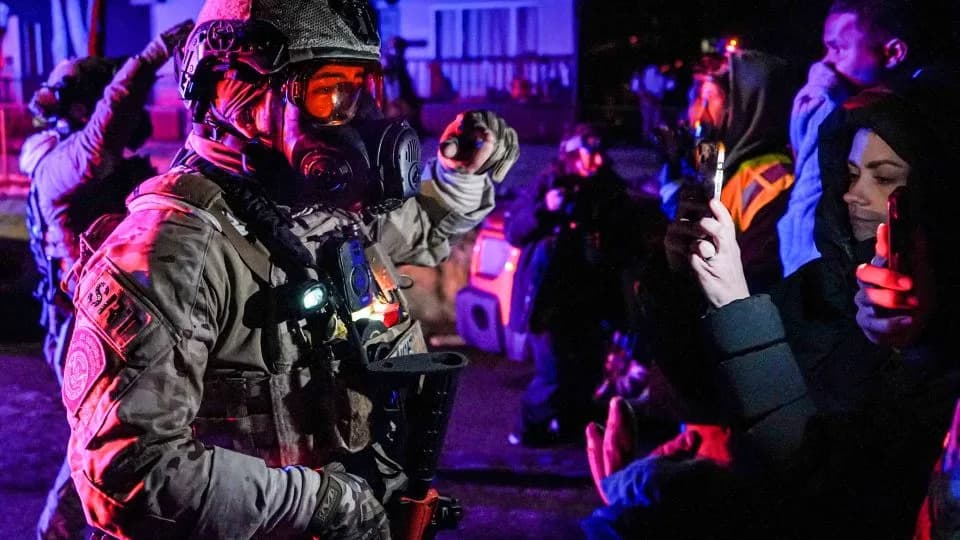
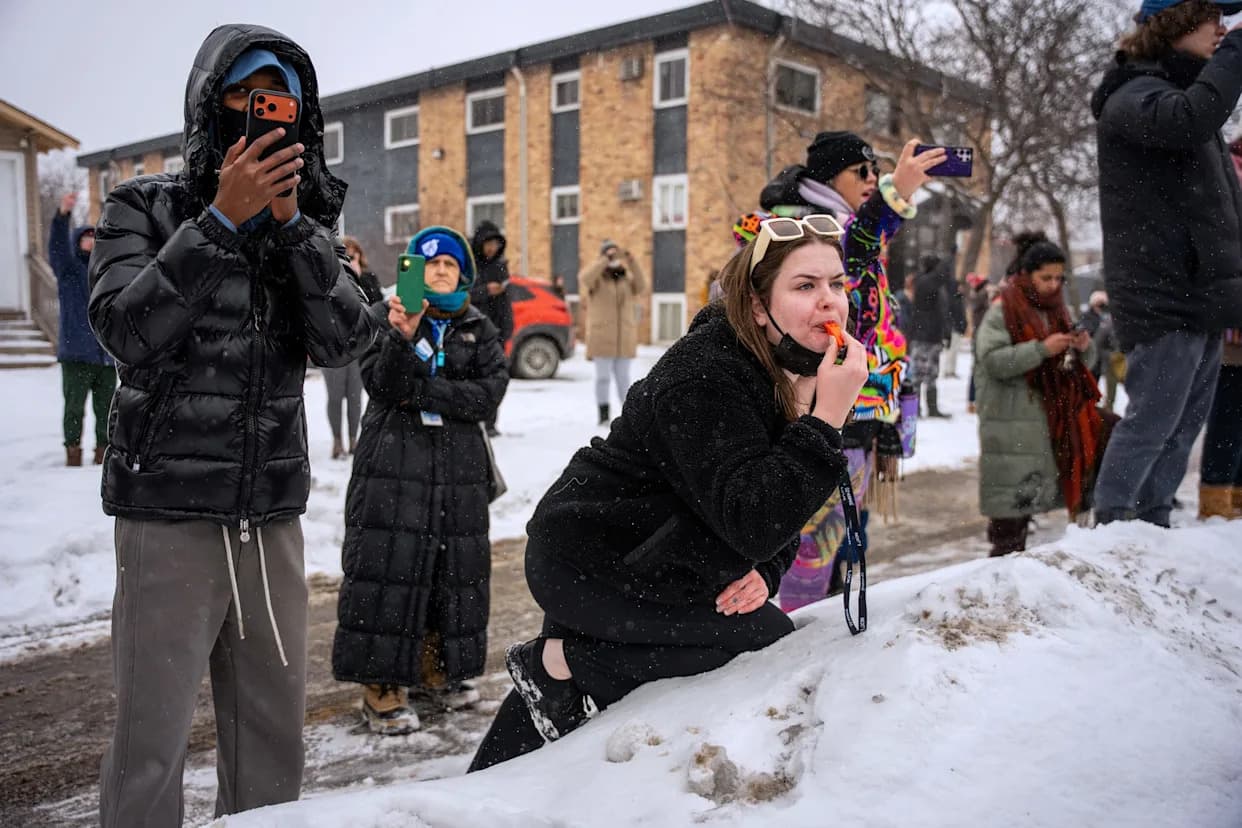
Moments before Alex Pretti was confronted and shot by Federal officer on January 24, 2026 in Minneapolis, MN. (via AP)(via AP)
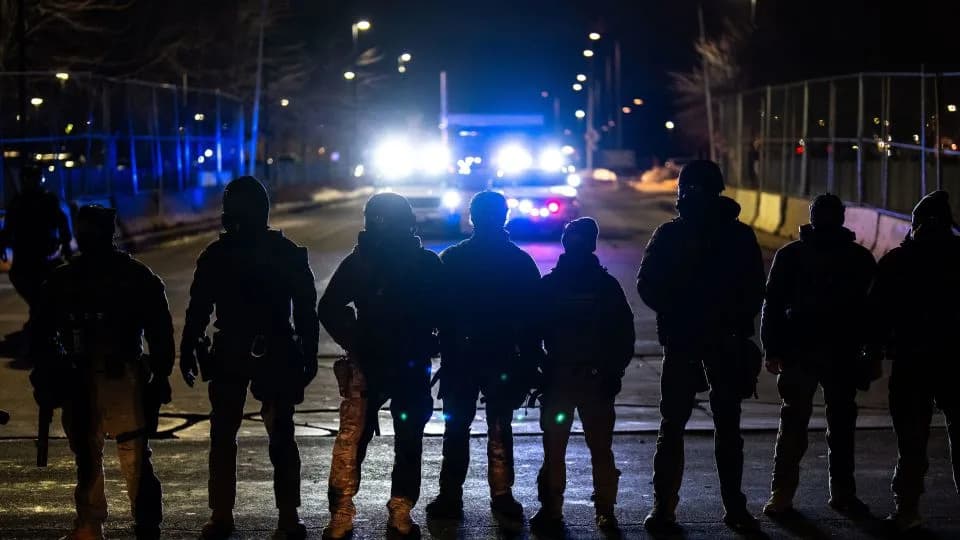
The Trump administration’s decision to lead its own investigations after immigration agents shot and killed Renee Good and Alex Pretti in Minneapolis marks a sharp departure from long-standing practices for probing high-profile law-enforcement killings, local prosecutors and former federal officials say.
Senior administration figures were quick after the fatalities to defend the agents’ actions and to suggest a full federal civil-rights criminal investigation was not immediately necessary, raising concerns about the independence of the reviews. Homeland Security Secretary Kristi Noem publicly called Good’s conduct “domestic terrorism,” and top Trump aide Stephen Miller labeled Pretti a “would-be assassin,” even though bystander video has challenged those characterizations.
State and local investigators say they have been excluded from the federal probes, prompting questions about how key evidence is being preserved and shared.
“Nothing about what is going on here is normal,” Clare Diegel, an attorney with the Hennepin County Attorney’s Office, told a federal judge as the county sought to extend an order requiring Homeland Security officials to preserve evidence in the Pretti shooting.
In court filings about evidence preservation, Minnesota officials described the federal approach as extraordinary. “From a law enforcement perspective, this is astonishing,” the filing said, arguing the federal government has diverged from routine best practices, where every effort is made to secure scenes and preserve evidence.
After their initial public statements, Noem and other officials later deferred to ongoing investigations to determine what happened. President Trump said he expected a thorough inquiry and publicly called for an “honorable and honest investigation.”
Jason Houser, a former DHS counterterrorism official and an ICE chief of staff during the Biden administration, said such shootings “should never be adjudicated in the court of public opinion” and urged independent reviews by multiple agencies to preserve public trust in federal law enforcement.
Shift From Traditional DOJ-Led Model
Historically, the Justice Department often opened inquiries quickly after high-profile officer-involved deaths, relying on the department’s independent reputation to provide accountability and calm public tensions. The FBI typically coordinates closely with state and local law enforcement in those cases.
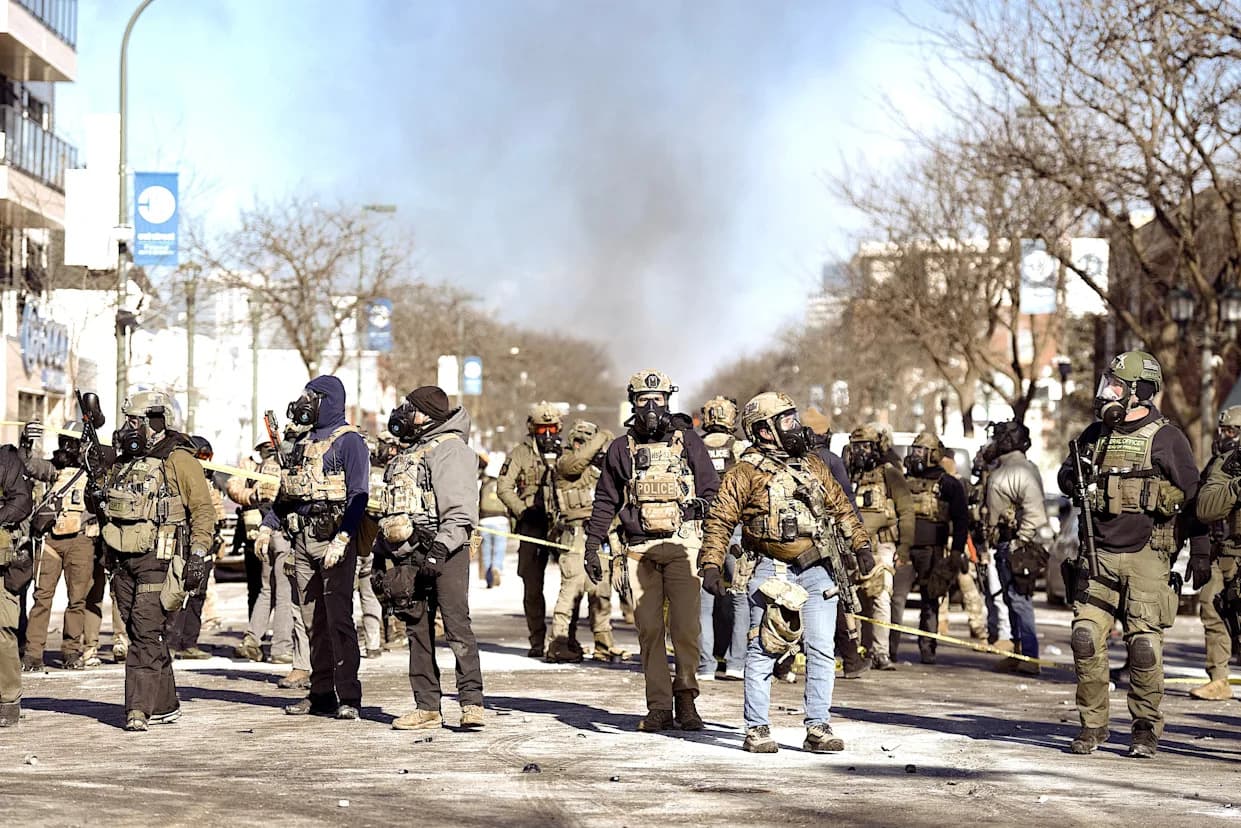
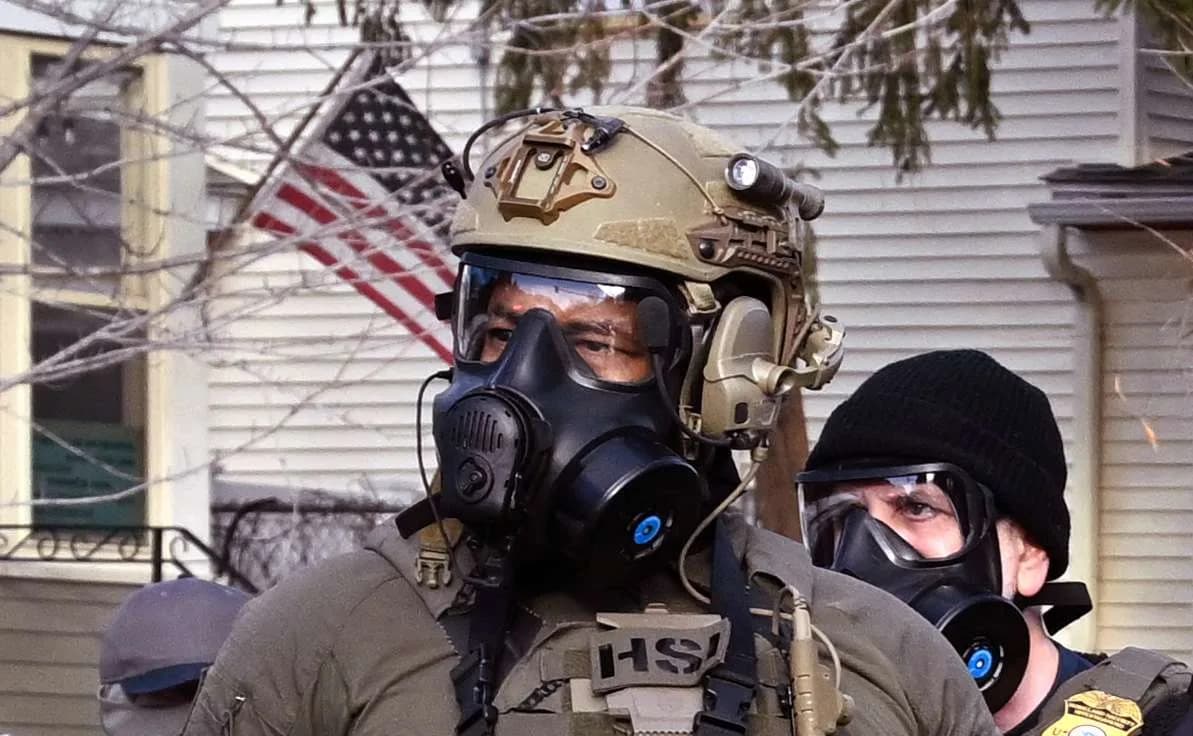
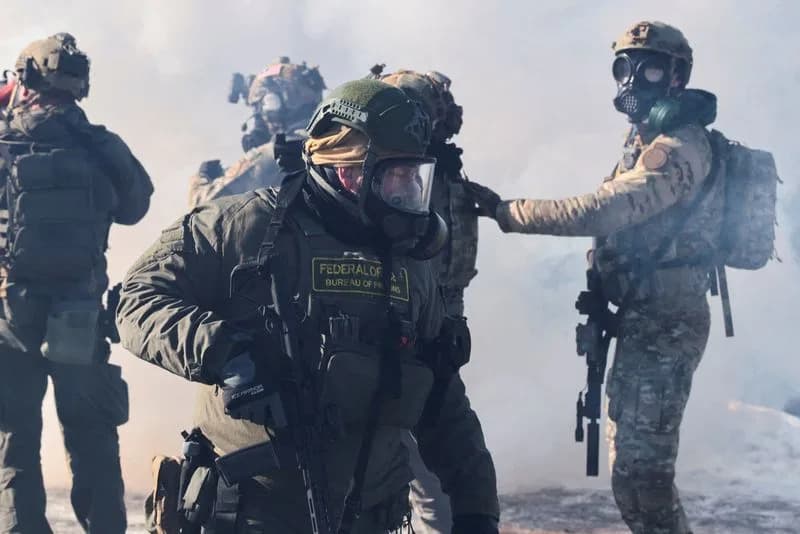
In the Minneapolis incidents, however, the Justice Department has taken a reduced role. Homeland Security Investigations and the Office of Professional Responsibility are leading the probes, with the FBI assisting and local authorities largely excluded. That configuration has heightened concerns among state officials and outside experts.
The article notes that the Justice Department’s Civil Rights Division has been diminished under the Trump administration, and that Attorney General Pam Bondi has reprioritized certain investigations — developments critics say weaken independent federal oversight of policing.
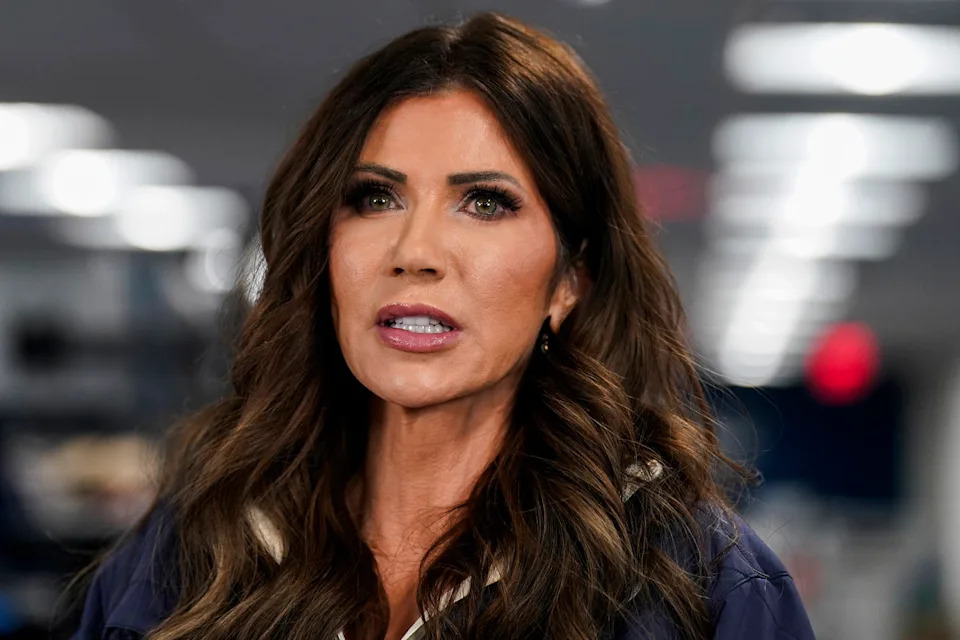
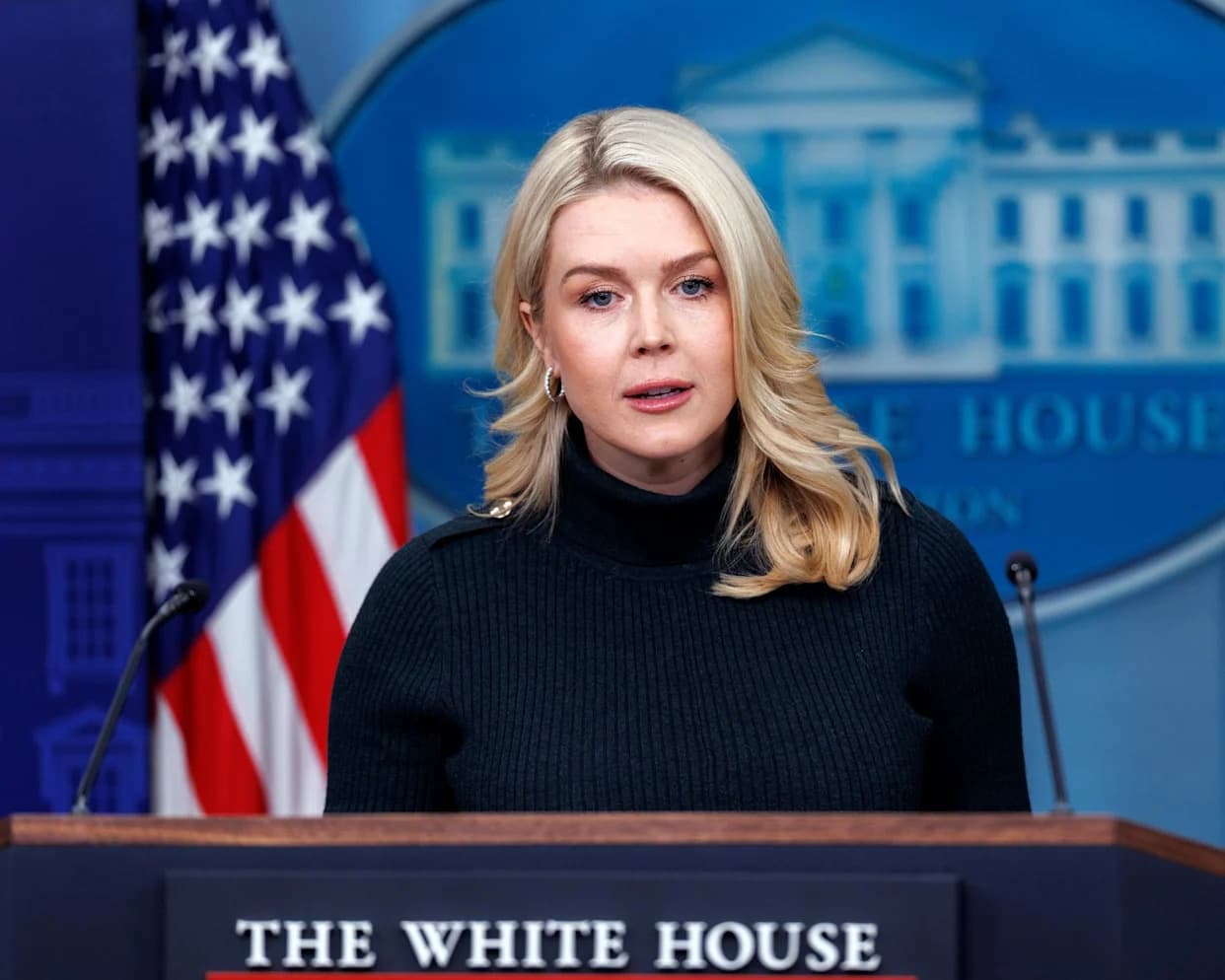
Secretary of Homeland Security Kristi Noem speaks at a news conference at FEMA headquarters on Saturday. (Al Drago / Getty Images)(Al Drago)
Evidence, Lawsuits and Resignations
Hours after Pretti’s death, the Minnesota Bureau of Criminal Apprehension (BCA) and the Hennepin County Attorney’s Office filed a federal lawsuit seeking to prevent DHS from destroying or altering evidence related to the shooting. State officials say items taken from the scene are now in federal custody and that BCA agents were twice denied access despite holding a judicial search warrant.
The handling of the Renee Good shooting prompted multiple resignations from career federal prosecutors and an FBI special agent, underscoring internal unease about how the cases were managed.
Drew Evans, superintendent of the Minnesota BCA, said the exclusion of state investigators is “uncharted territory” and warned that without cooperation it will be difficult to obtain all evidence and information necessary for a complete investigation.
What Is Known So Far
DHS provided congressional committees with an initial internal report into the Pretti shooting. That report states agents pepper-sprayed Pretti and a woman who had been in the roadway before attempting to take him into custody, and that an agent repeatedly shouted, “He’s got a gun!” Pretti was legally permitted to carry a firearm. Two immigration officers fired during the encounter.
The Hennepin County Medical Examiner is conducting autopsies. Much of the evidence collected by the FBI has reportedly been transferred to Homeland Security, according to public statements and court records.
Broader Context
Since September, Homeland Security officers have shot 13 people during immigration operations in mostly Democratic-led cities. In at least five incidents, the people shot were charged; in two cases those charges were later dismissed. Except for the details released in Pretti’s case, officials have not publicly disclosed information about the other investigations.
By contrast, Pima County, Arizona, said local officials were invited to assist in a recent immigration-related shooting investigation and described the process as a parallel local and federal review — the more traditional model for transparency.
Observers and former officials argue that exclusion of state and local investigators, public statements that appear to prejudge the incidents, and shifts in DOJ priorities risk eroding public confidence at a moment when trust in law enforcement is already strained.
This article was originally published on NBCNews.com.
Help us improve.