The U.S. outlined plans to form a preferential trade bloc for critical minerals, proposing coordinated reference prices and adjustable tariffs to limit predatory pricing and reduce reliance on China. Vice President JD Vance announced the proposal alongside Project Vault — a new strategic stockpile seeded with $10 billion from the U.S. Export-Import Bank and $2 billion in private funds. Fifty-five countries attended talks in Washington, and officials signaled bilateral and multilateral talks to unlock investment in mining and processing while acknowledging possible short-term cost increases and heightened trade tensions.
U.S. Proposes Preferential Critical-Minerals Bloc With Coordinated Price Floors to Curb China’s Dominance
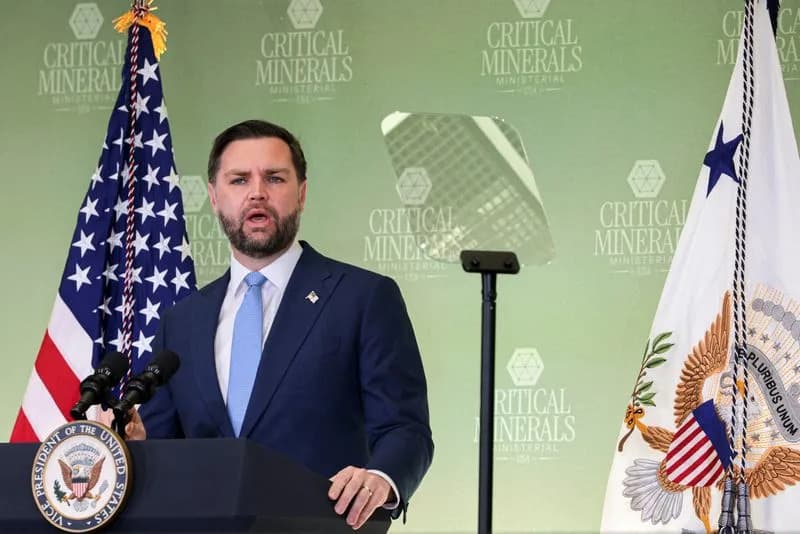
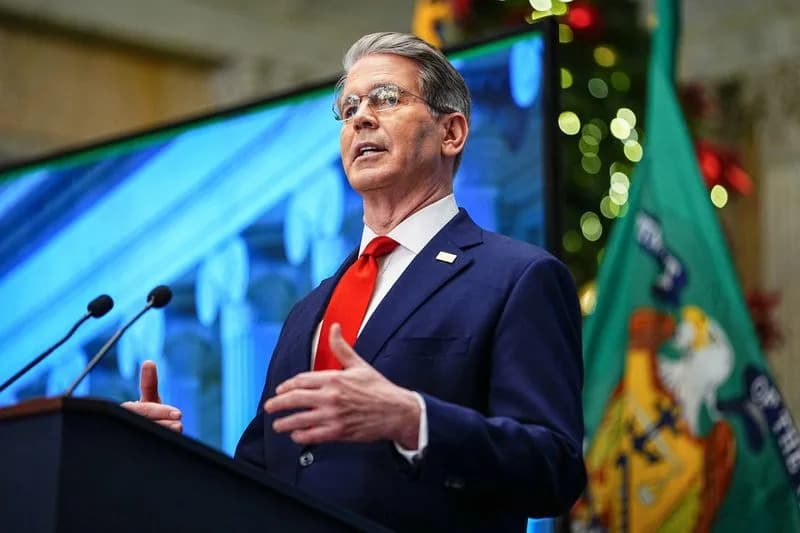
U.S. Vice President JD Vance speaks during the Critical Minerals Ministerial at the State Department in Washington, D.C., U.S., February 4, 2026. REUTERS/Jonathan Ernst
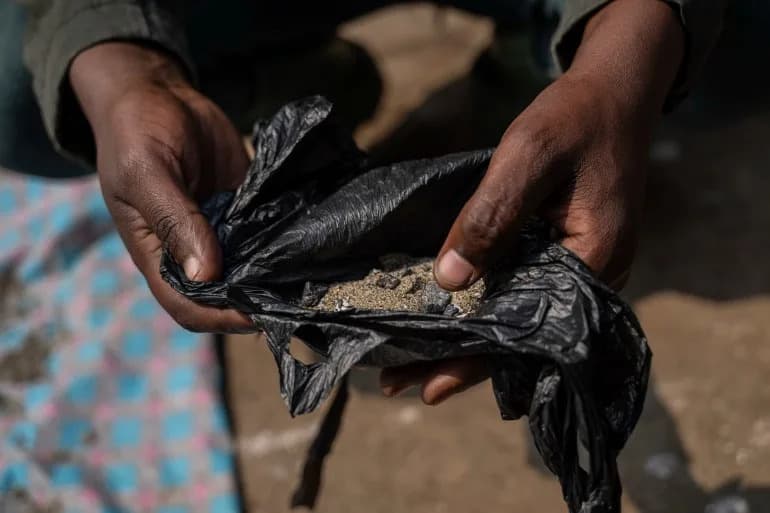
U.S. Vice President JD Vance on Wednesday unveiled a plan to assemble allied countries into a preferential trade zone for critical minerals, proposing coordinated price floors and other measures as Washington seeks to reduce China’s dominant role in processing key materials used in semiconductors, electric vehicles and defense systems.
Vance said the initiative would establish reference prices at each stage of production and maintain those prices as a floor for members of the bloc through adjustable tariffs designed to preserve pricing integrity. Speaking to visiting ministers in Washington, he stressed the goal of preventing predatory pricing that undercuts allied manufacturers.
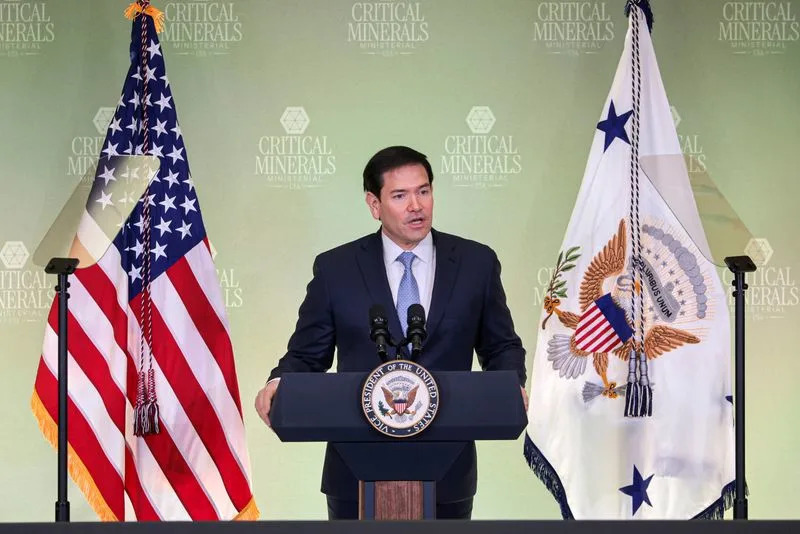
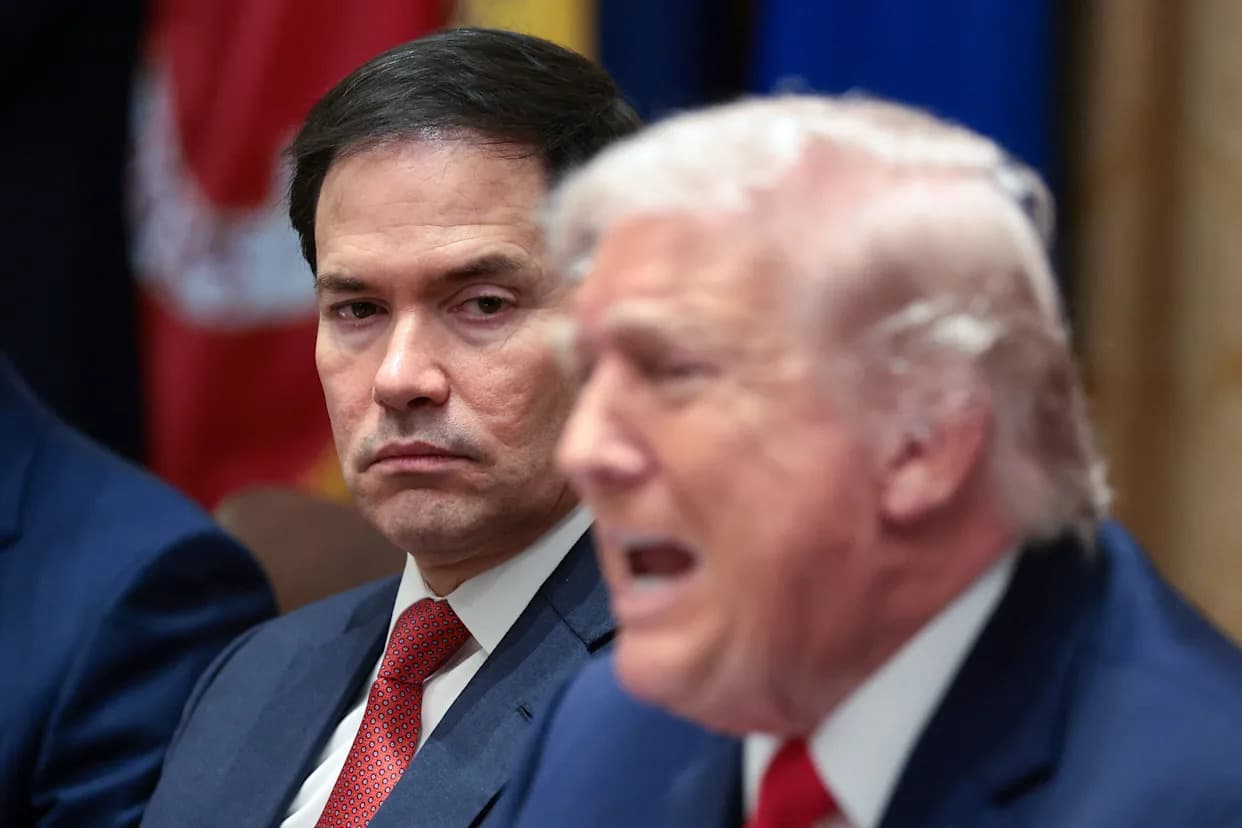
U.S. Secretary of State Marco Rubio delivers opening remarks during the Critical Minerals Ministerial at the State Department in Washington, D.C., U.S., February 4, 2026. REUTERS/Jonathan Ernst
What Officials Announced
The Trump administration also launched a strategic stockpile called Project Vault, backed by $10 billion in seed funding from the U.S. Export-Import Bank and $2 billion in private capital. U.S. Trade Representative Jamieson Greer announced a bilateral plan with Mexico and a trilateral framework with the European Union and Japan to strengthen critical-mineral supply chains and pave the way for broader cooperation.
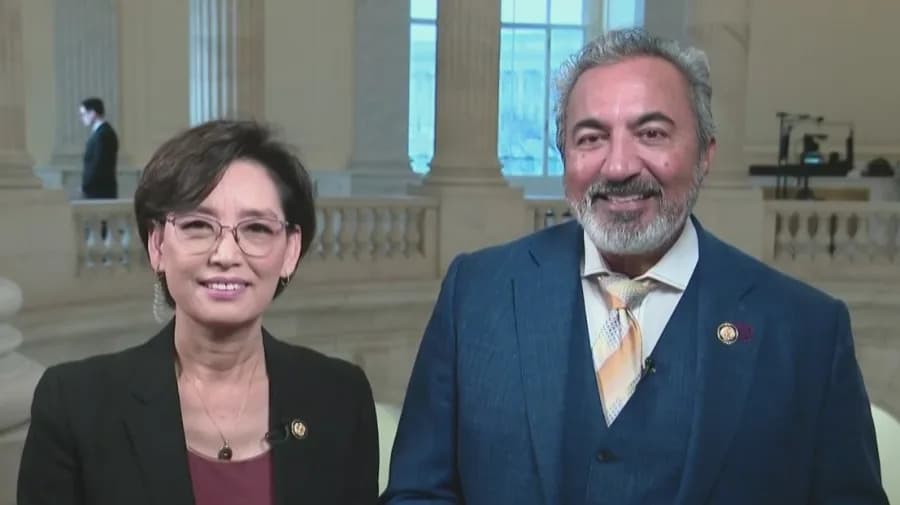
Secretary of State Marco Rubio said 55 countries — including South Korea, India, Thailand, Japan, Germany, Australia and the Democratic Republic of Congo — attended the Washington talks. Officials said the proposals under consideration include price supports, coordinated market standards, subsidies and guaranteed purchases to encourage mining and processing investment.
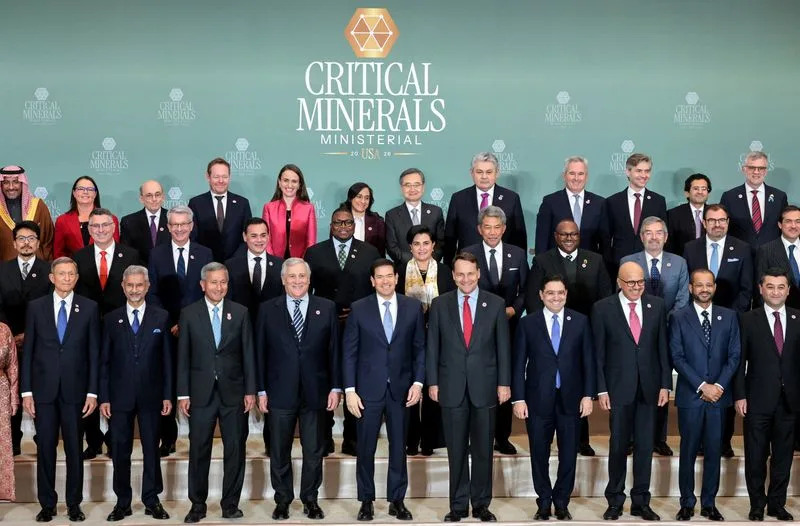
U.S. Secretary of State Marco Rubio and other government officials pose for a family photo on the day of the Critical Minerals Ministerial, at the State Department in Washington D.C., U.S., February 4, 2026. REUTERS/Jonathan Ernst
Market Reaction And Risks
News of plans to coordinate price floors prompted a sell-off in some mineral stocks: MP Materials, Critical Metals, NioCorp Developments and USA Rare Earth fell roughly 6%–14% on the announcement. Analysts warn the approach could raise short-term costs for manufacturers while incentivizing long-term investment in non-Chinese supply chains.
Administration officials said the U.S. is moving away from offering price floors to individual domestic projects in favor of a multilateral mechanism. They also plan to pursue coordination within the Group of Seven and through the Minerals Security Partnership.
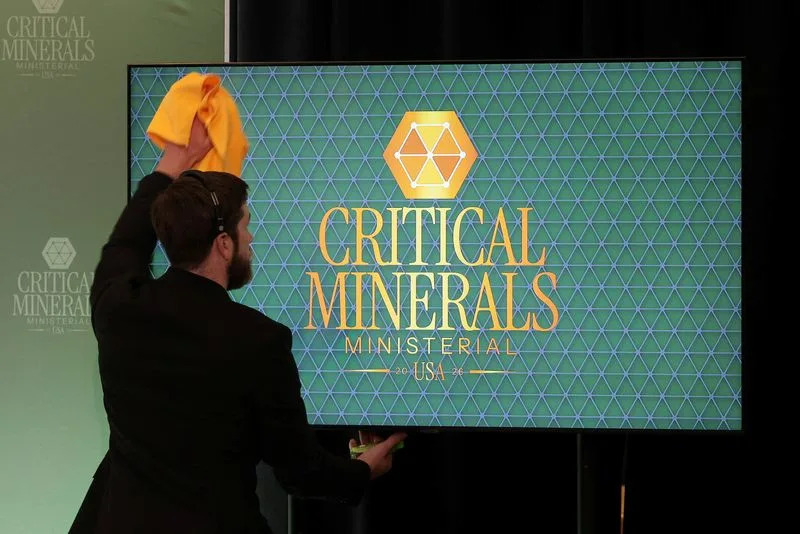
An aide wipes clean a video screen ahead of U.S. Secretary of State Marco Rubio hosting the Critical Minerals ministerial meeting at the State Department in Washington D.C., U.S., February 4, 2026. REUTERS/Jonathan Ernst
Global Context And Reactions
China’s embassy in Washington responded that Beijing has "long played an important and constructive role" in stabilizing critical-mineral supply chains and said it would continue to do so. The White House move follows last year’s export curbs and controls on rare earths that disrupted automakers and other manufacturers and a China-driven lithium glut that has complicated U.S. expansion plans.
"We want to eliminate that problem of people flooding into our markets with cheap critical minerals to undercut our domestic manufacturers," Vance said.
Argentina separately announced a framework agreement with the U.S. to strengthen and diversify copper and lithium supply chains. Interior Secretary Doug Burgum said additional countries would be invited to join a broader critical-minerals coalition, with more nations expressing interest.
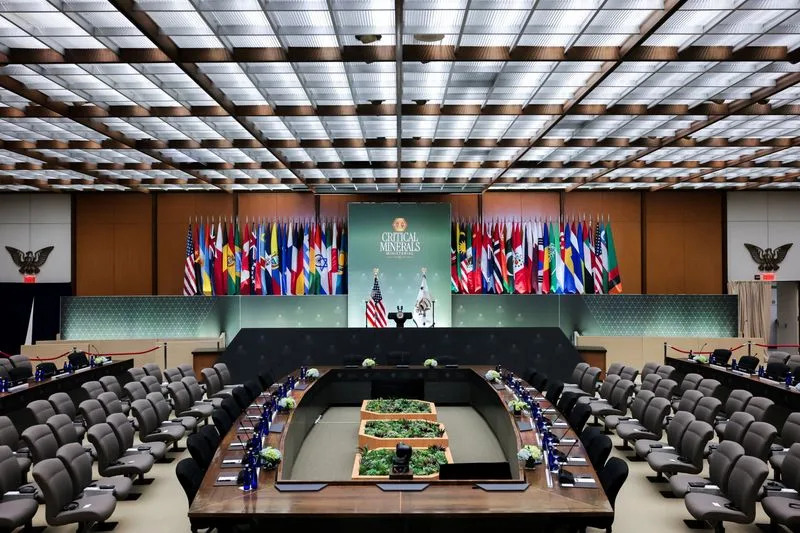
Empty seats ahead of the Critical Minerals ministerial meeting at the State Department in Washington, D.C., U.S., February 4, 2026. REUTERS/Jonathan Ernst
What This Could Mean
If implemented, a preferential bloc using coordinated price floors and tariffs could reshape global supply chains for materials essential to EVs, semiconductors and defense systems. The policy aims to unlock private investment in mining and processing outside China, but it also risks escalating trade tensions and temporarily increasing costs for manufacturers.
Reporting credits: Michael Martina, Simon Lewis, David Brunnstrom, Jarrett Renshaw, Julia Payne, Robbie Corey-Boulet, Andrea Shalal, Divya Rajagopal, Cassandra Garrison. Editing by Humeyra Pamuk, Deepa Babington, Mark Porter, Rod Nickel.
Help us improve.