Researchers surveying coastal caves in Cyprus found plastic and other debris in every cave examined, with concentrations reaching up to 97 items per square metre. Sea caves act as natural traps that concentrate litter and serve as critical refuges for wildlife such as the endangered Mediterranean monk seal. While microplastics have been detected in seals and in human environments, broader Mediterranean monitoring is needed to understand the full scale and impacts. Experts recommend reducing single-use plastics and prioritizing cave-focused research and clean-ups.
Disturbing Levels of Plastic Found in Mediterranean Sea Caves
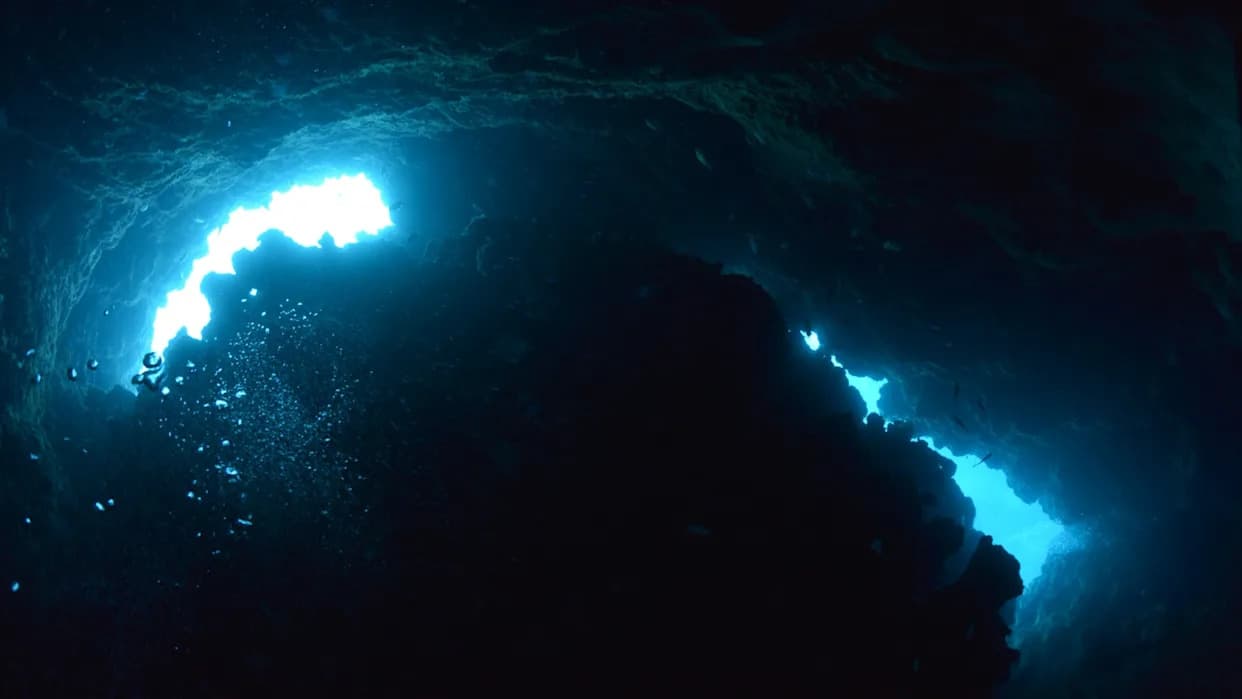
Photo Credit: iStock
Researchers conducting a survey of coastal caves around Cyprus have uncovered alarmingly high concentrations of plastic and other human-made debris deep inside sea caves — habitats often overlooked by pollution studies.
Study Findings
The team found debris in every cave surveyed, with some sites containing up to 97 items per square metre, far higher than levels typically recorded on open beaches, the sea surface or the seafloor. The scientists describe sea caves as “natural traps” that retain litter washed in from surrounding waters, concentrating both macro- and meso-sized items.
“What we saw inside some caves was shocking,”
Many of the surveyed caves provide resting and pupping habitat for the Mediterranean monk seal — one of the world’s most endangered marine mammals — raising concerns about the risks to vulnerable wildlife.
Ecological and Health Concerns
Although no monk-seal deaths from large debris have been documented in the Mediterranean to date, recent studies have detected microplastics in the digestive tracts of the species. Conservation organizations note the broader toll of plastic pollution: WWF Australia estimates roughly 100,000 marine mammals die each year after ingesting or becoming entangled in marine plastics.
Scientists are also investigating potential human-health implications of microplastics — tiny fragments that break off as larger plastics degrade. These particles have been detected in water, food, soil and air, and some studies have suggested associations with health effects, including changes to blood flow and links to respiratory issues; however, research is ongoing and causation remains under study.
Practical Steps and Research Needs
Researchers urge broader, Mediterranean-wide monitoring to determine how widespread cave pollution is and to identify hotspots for clean-up and protection. On an individual level, simple actions can help reduce plastic inputs: use sturdy reusable tumblers instead of single-use bottled water, bring reusable containers for takeout or leftovers, and avoid disposable plastic when possible.
Bottom line: Sea caves are concentrating plastic pollution in unexpected places, posing risks to wildlife and signaling the need for wider monitoring, targeted conservation, and reduced reliance on single-use plastics.
Help us improve.