Russian President Vladimir Putin met late at the Kremlin with envoys of former U.S. President Donald Trump, and the Kremlin said any durable Ukraine peace must resolve territorial claims. The talks produced an agreement to hold trilateral security discussions in Abu Dhabi involving Russia, Ukraine and the U.S. Putin also offered $1 billion from frozen assets to a proposed reconstruction fund, an idea Trump did not oppose. Meanwhile, President Volodymyr Zelenskyy met Trump in Davos and urged Europe to act more decisively.
Putin Meets Trump Envoys; Kremlin Says Territorial Concessions Central to Any Ukraine Peace Deal
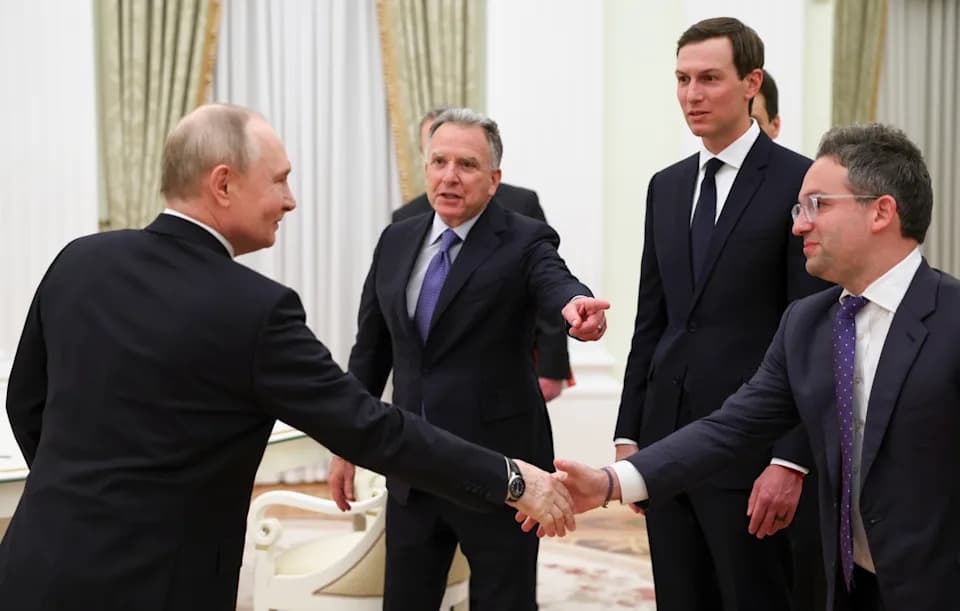
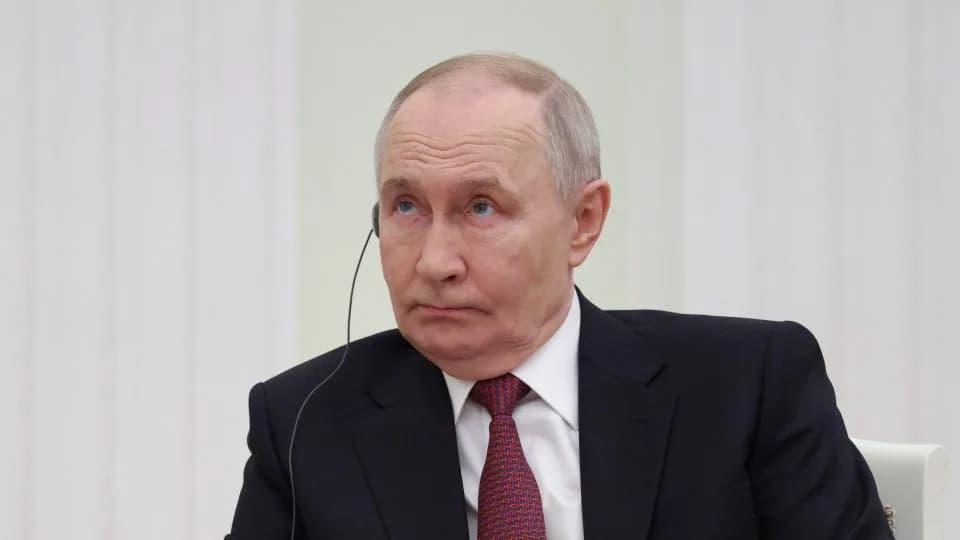
Russian President Vladimir Putin, left, greet U.S. President Donald Trump's envoys Steve Witkoff, centre left, Jared Kushner, second right, and Josh Gruenbaum, the head of the Federal Acquisition Service at the General Services Administration, at the Senate Palace of the Kremlin, in Moscow, Thursday, Jan. 22, 2026. (Alexander Kazakov/Sputnik, Kremlin Pool Photo via AP)(ASSOCIATED PRESS)
Russian President Vladimir Putin held marathon overnight talks with envoys of former U.S. President Donald Trump to discuss prospects for a negotiated settlement in Ukraine. The Kremlin said any lasting peace would require resolving disputed territorial claims, and officials set the stage for trilateral security talks in Abu Dhabi.
Late-Night Kremlin Session
The meeting at the Kremlin ran past 3 a.m. and brought together Putin, Trump envoys Steve Witkoff and Jared Kushner, and senior adviser Josh Gruenbaum. Kremlin foreign policy adviser Yuri Ushakov said the parties "reaffirmed that reaching a long-term settlement can’t be expected without solving the territorial issue," referring to Moscow's demand for Ukrainian forces to withdraw from areas Moscow claims to have annexed.
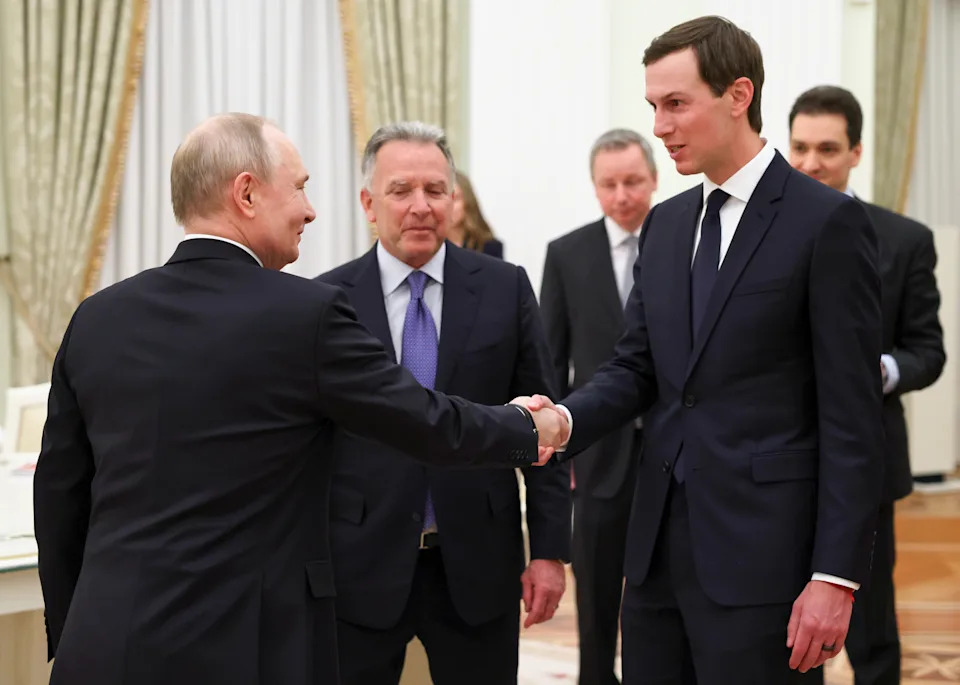
Russian President Vladimir Putin, left, greets U.S. President Donald Trump's envoys Steve Witkoff, center, and Jared Kushner at the Senate Palace of the Kremlin, in Moscow, Thursday, Jan. 22, 2026. (Alexander Kazakov/Sputnik, Kremlin Pool Photo via AP)(ASSOCIATED PRESS)
Next Steps — Talks in Abu Dhabi
Ushakov told reporters that Russian, Ukrainian and U.S. officials agreed to hold discussions in the United Arab Emirates focused on security elements of a potential deal. He described the Kremlin meeting — which began just before midnight Moscow time and lasted nearly four hours — as "frank, constructive" and "fruitful." The Russian delegation to Abu Dhabi is expected to be led by the head of military intelligence, Adm. Igor Kostyukov, with separate economic talks planned between Putin's envoy Kirill Dmitriev and U.S. representatives.
Putin's Funding Offer and U.S. Reaction
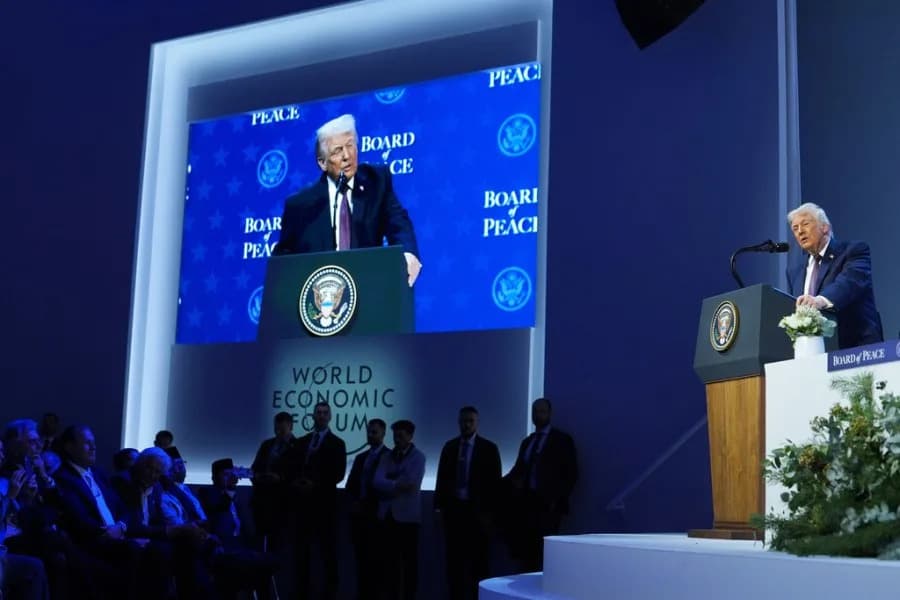
Attendees said Putin reiterated an offer to commit $1 billion from Russian assets frozen in the United States toward reconstruction efforts via a proposed "Board of Peace," an entity associated with Trump. Trump told reporters he had no objection to Putin using his funds, saying: "If he's using his money, that's great."
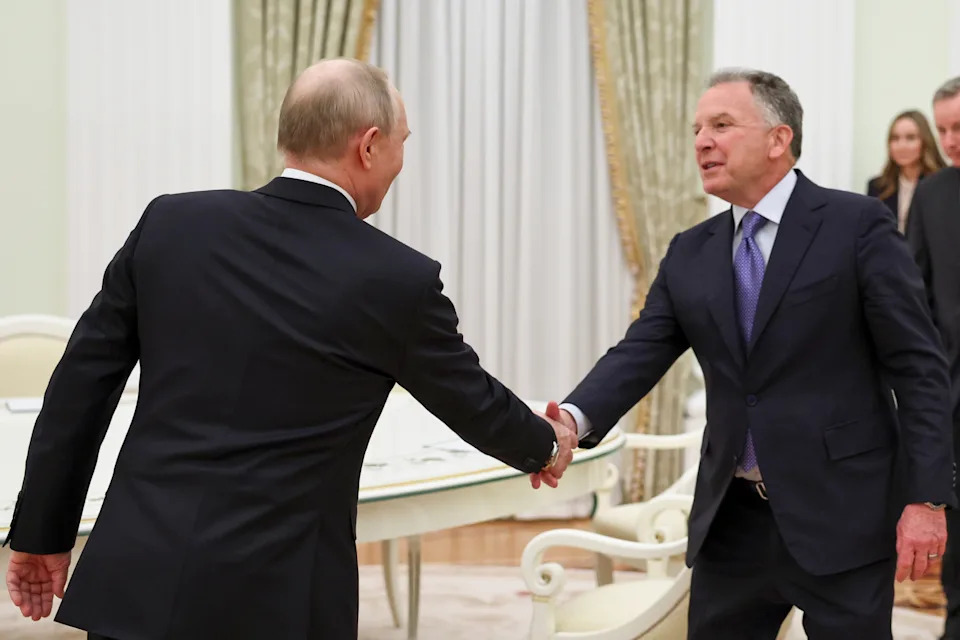
Russian President Vladimir Putin, left, greets U.S. President Donald Trump's envoys Steve Witkoff at the Senate Palace of the Kremlin, in Moscow, Thursday, Jan. 22, 2026. (Alexander Kazakov/Sputnik, Kremlin Pool Photo via AP)(ASSOCIATED PRESS)
Zelenskyy Meets Trump, Urges Europe to Do More
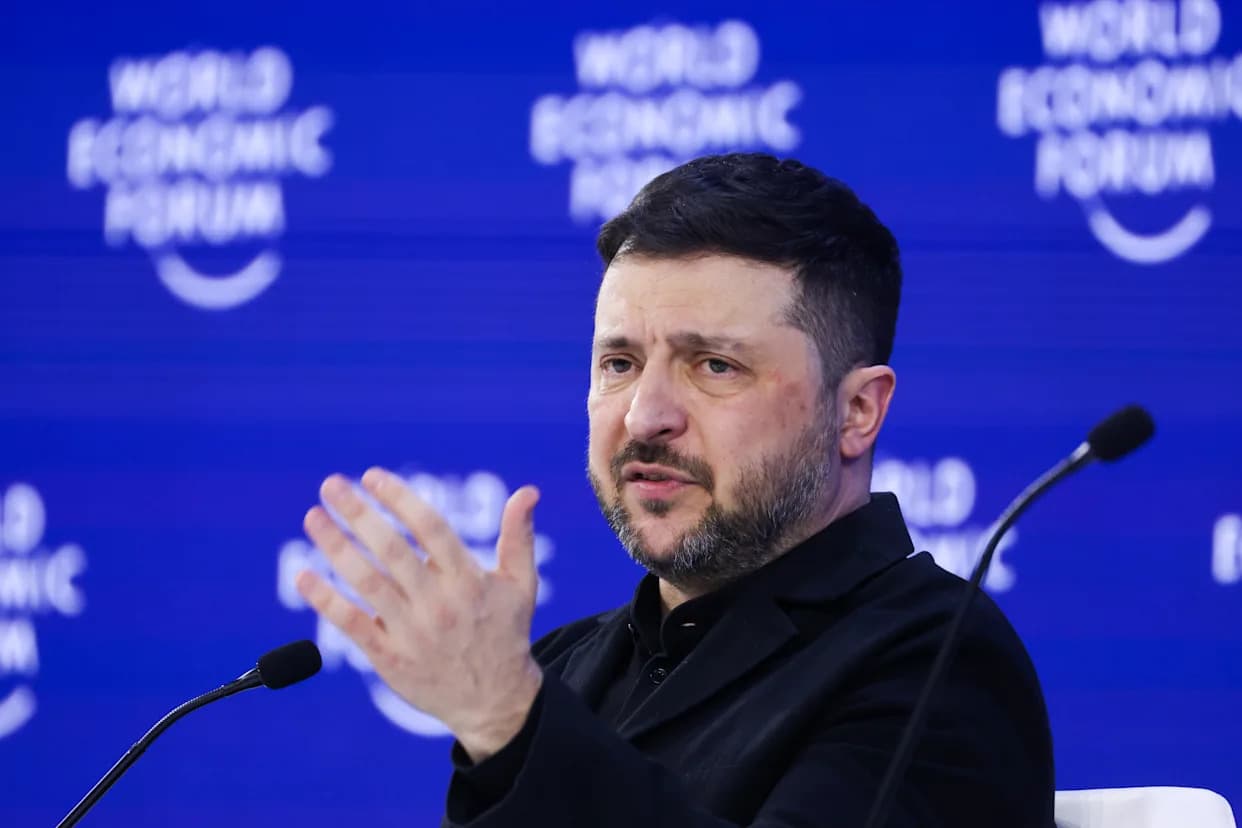
Ukrainian President Volodymyr Zelenskyy met privately with Trump at the World Economic Forum in Davos and described the roughly hour-long conversation as "productive and meaningful." In a separate speech at Davos, Zelenskyy sharply criticized some European partners for a slow and fragmented response to Russia's nearly four-year full-scale assault, urging the continent to act more decisively and increase defense support for Ukraine.
"Europe looks lost," Zelenskyy said, calling on nations to defend themselves and warning that the status of territory in eastern Ukraine remains a central sticking point.
On the Ground: Costs and Constraints
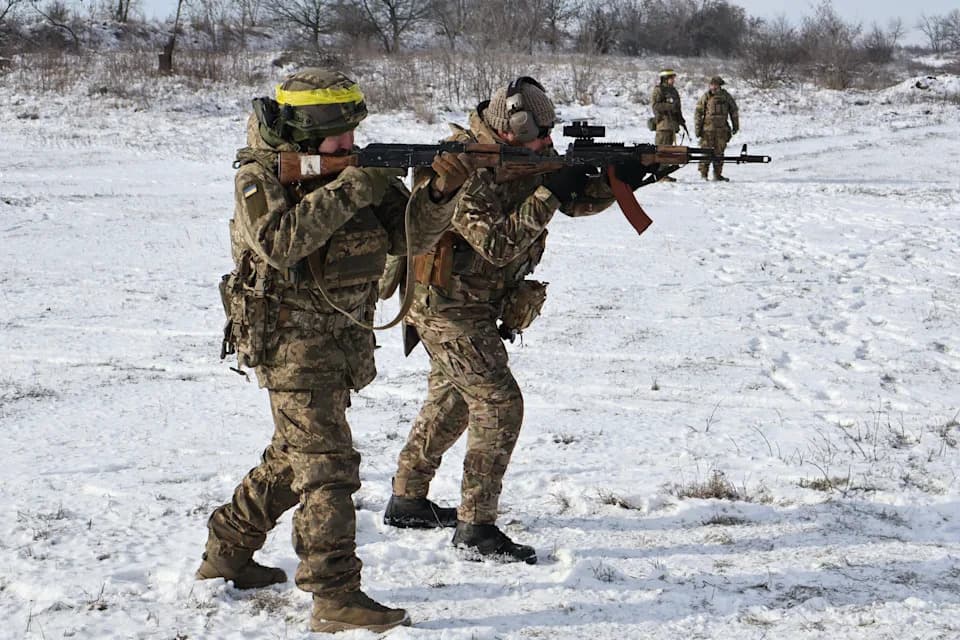
Russia has seized roughly 20% of Ukrainian territory since its initial hostilities in 2014 and its full-scale invasion in 2022; gains along an approximately 1,000-kilometer (600-mile) front have been costly for Moscow. Ukraine faces severe resource constraints: it has increased domestic arms production but still relies on Western weapons and financing. Ukrainian officials say the military is under strain; the defense minister recently reported roughly 200,000 troop desertions and estimated up to 2 million people have avoided the draft.
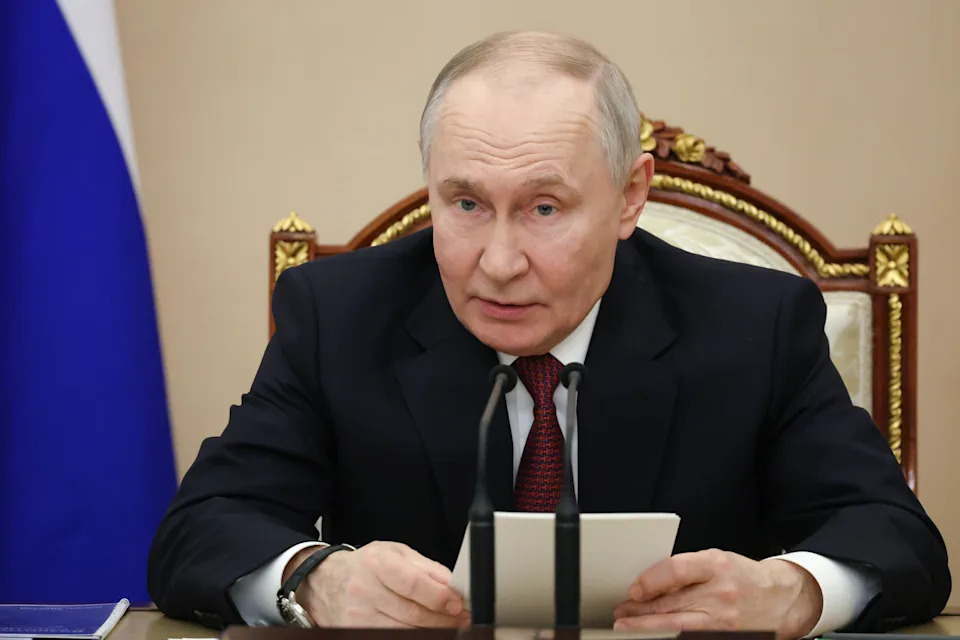
Russian President Vladimir Putin speaks during a meeting on the development of domestic integrated electronics at the Kremlin in Moscow, Thursday, Jan. 22, 2026. (Vyacheslav Prokofyev/Sputnik, Kremlin Pool Photo via AP)(ASSOCIATED PRESS)
What Officials Say About the Talks
Ushakov said the envoys briefed Putin on Trump's Davos meeting with Zelenskyy and on previous consultations with Ukrainian and European officials. He expressed hope that the Abu Dhabi talks could "open prospects for advancing on the entire range of issues linked to ending the conflict and reaching a peaceful settlement."
Reporting Credits: Hrabchuk from Kyiv and Manenkov from Davos contributed reporting; additional contributions came from Josh Boak on Air Force One, Meg Kinnard in Houston and Ali Swenson in Washington.
For ongoing coverage of the Russia-Ukraine war, see the AP hub.
Help us improve.