A study of wolf bones from Stora Förvar cave on Stora Karlsö (dated to about 3,000–5,000 years ago) suggests humans transported and possibly cared for wolves on the island. DNA confirmed the specimens were wolves, and one had a disabling limb injury consistent with provisioning by people. Researchers say the evidence points to varied human–wolf relationships and possible early domestication experiments that did not necessarily lead directly to modern dogs.
Humans May Have Cared for Wolves on a Remote Baltic Island 3,000–5,000 Years Ago, Study Finds

Humans cared for wolves long before dogs emerged, study finds
Prehistoric wolf bones discovered in the Stora Förvar cave on the Swedish island of Stora Karlsö suggest people may have cared for wolves thousands of years before modern dogs fully emerged.
Archaeological Context
Archaeologists from Stockholm University and partner institutions recovered bones dated to roughly 3,000–5,000 years ago from a cave used intensively by Stone Age and Bronze Age seal hunters and fishers. The island is about 2.5 square kilometres and has no evidence of native land mammals, leading researchers to conclude the wolves were very likely brought there by humans, probably by boat.
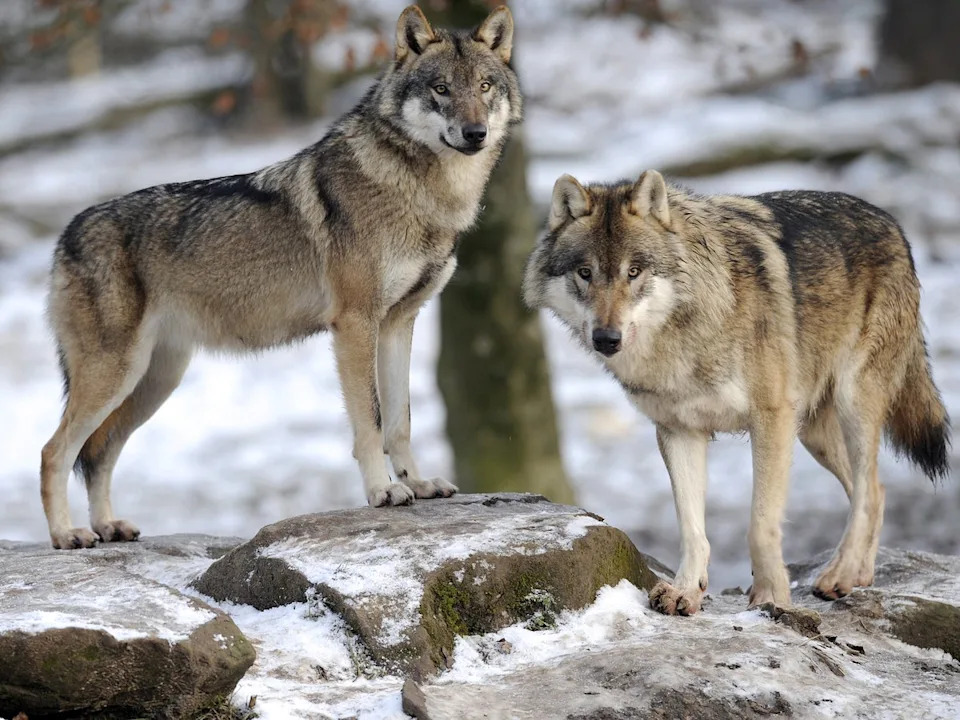
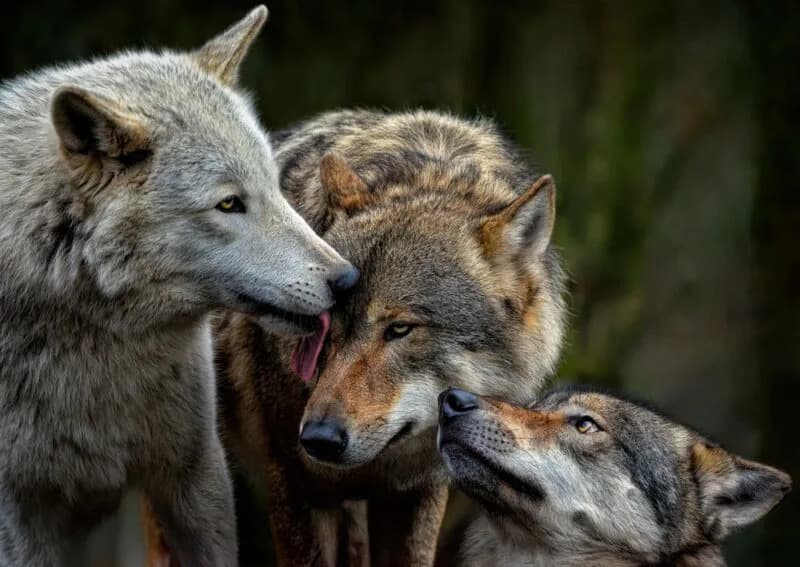
Modern domesticated dogs are theorised to be the ancestors of Grey wolves (Getty)
Genetic and Skeletal Evidence
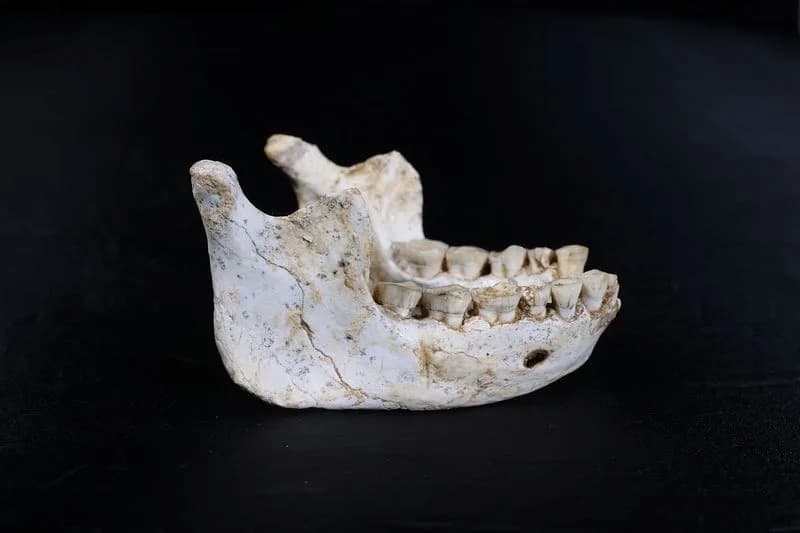
DNA analysis of two bones confirmed the animals were wolves rather than early dogs. The wolves' ancestry was reported as indistinguishable from other Eurasian wolves, but several anatomical features indicate close contact with people. Notably, one individual survived with a disabling limb injury that would have made independent hunting difficult, which researchers interpret as possible evidence it was provisioned or cared for by humans.
What This Suggests About Human–Wolf Relationships
Authors of the study, published in PNAS, say the finds expand our picture of prehistoric human–wolf interactions. While the fossils cannot definitively show whether wolves were tamed, kept in captivity, or otherwise managed, the evidence is consistent with humans experimenting with wolf care or management in ways that may not have led directly to modern dogs.

A view from the Stora Förvar cave on the island of Stora Karlsö in Sweden (Stockholm University)
Linus Girdland‑Flink (University of Aberdeen): "The discovery of these wolves on a remote island is completely unexpected. They seemed to be living alongside humans, eating their food, and in a place they could have only reached by boat."
Other co‑authors, including Anders Bergström (University of East Anglia) and Pontus Skoglund (Francis Crick Institute), note that while low genetic diversity could have natural causes, the archaeological context and skeletal evidence support the interpretation that humans were interacting with and managing wolves in novel ways.
Broader Implications
These remains add to growing evidence that the pathway from wolf to dog was not necessarily a single, uniform process. Instead, human communities may have tried different forms of interaction, care and management with wolves in diverse environments long before the appearance of clearly domesticated dogs in the archaeological record.
Study Reference: Findings published in Proceedings of the National Academy of Sciences (PNAS); research led by teams from Stockholm University and collaborators.
Help us improve.