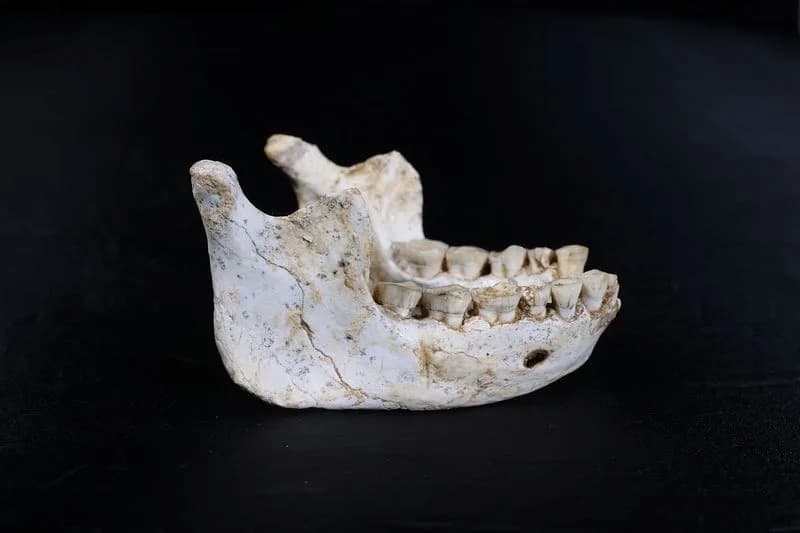
Archaeologists found two 3,000–5,000-year-old grey wolf bones in a cave on Stora Karlsö, an island accessible only by boat. Ancient DNA confirms they were true wolves with no dog ancestry and unusually low genetic diversity, while chemical tests show a marine diet matching that of contemporary human seal hunters. One injured wolf survived long enough to heal, suggesting possible human care. These findings indicate humans sometimes transported, fed, and supported wolves long before dog domestication, adding nuance to how domestication may have unfolded.
Humans Kept and Cared for Wolves on a Baltic Island Thousands of Years Before Dogs
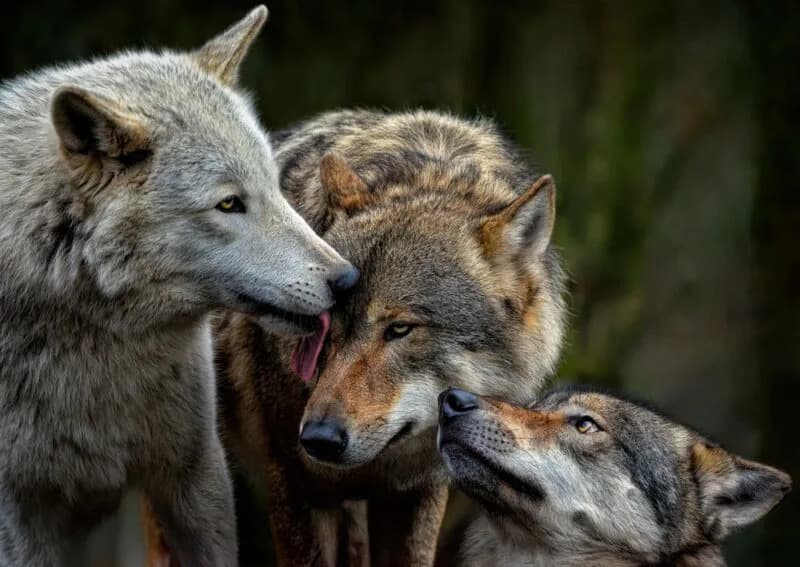
Photo: Shutterstock
Archaeologists have uncovered two ancient grey wolf bones in a cave on Stora Karlsö, a small Swedish island in the Baltic Sea, suggesting humans kept and cared for wolves there 3,000–5,000 years ago—long before the full domestication of dogs.
What Was Found
Researchers recovered two large canid bones dated between about 3,000 and 5,000 years old from a prehistoric cave on Stora Karlsö. The island has no native land mammals and is surrounded by open sea, so the wolves almost certainly arrived by boat, brought by people who used the cave.
Genetic and Chemical Evidence
Ancient DNA analysis showed the remains belonged to true Eurasian grey wolves with no detectable dog ancestry. The genetic data also revealed unusually low diversity in these specimens—a pattern sometimes seen in populations under human management or confinement, though natural explanations cannot be entirely ruled out.
Chemical (isotopic) tests of the bone material indicate a diet rich in seal and fish, mirroring the marine-based diet of the human seal hunters and fishers known to have used the cave during the Stone and Bronze Ages. That dietary overlap supports the idea that humans supplied or shared food with the wolves.
"While we can't rule out that these wolves had low genetic diversity for natural reasons, it suggests that humans were interacting with and managing wolves in ways we hadn't previously considered," said co-author Anders Bergström.
Signs of Care
One of the wolf specimens bears clear evidence of a severe limb injury that would have hampered hunting and mobility. The animal survived long enough for the injury to show healing, which raises the possibility of human assistance—feeding, shelter, or other care—during recovery.
"Not only did they have ancestry indistinguishable from other Eurasian wolves, but they seemed to be living alongside humans, eating human food, and in a place reachable only by boat," explained lead author Linus Girdland-Flink.
Implications And Cautions
These finds suggest forms of close human–wolf interaction that predate and differ from full dog domestication. The evidence does not prove wolves were fully domesticated or tame like modern dogs; it indicates people sometimes transported, provisioned, and possibly cared for wolves. The process of dog domestication was complex and likely occurred across multiple regions beginning more than 15,000 years ago. This study adds nuance to that broader narrative by showing humans and wolves sometimes lived side-by-side in ways that went beyond mere coexistence.
Limitations: The sample is small (two individuals), and alternative natural explanations for low genetic diversity or unusual diet cannot be completely excluded. More finds and broader studies are needed to determine how common such relationships were.
Help us improve.