FEMA has paused offboarding hundreds of disaster workers as it prepares for a major winter storm, after about 300 workers were dismissed earlier in January. The agency has activated response centers, pre-staged supplies and readied teams in several states. Most of the recent cuts affected CORE staff — roughly 40% of FEMA's workforce — and officials warn the nonrenewals could undermine future disaster response capacity. DHS says many positions are term-limited and fluctuate with need.
FEMA Pauses Offboarding of Disaster Workers Ahead of Major Winter Storm
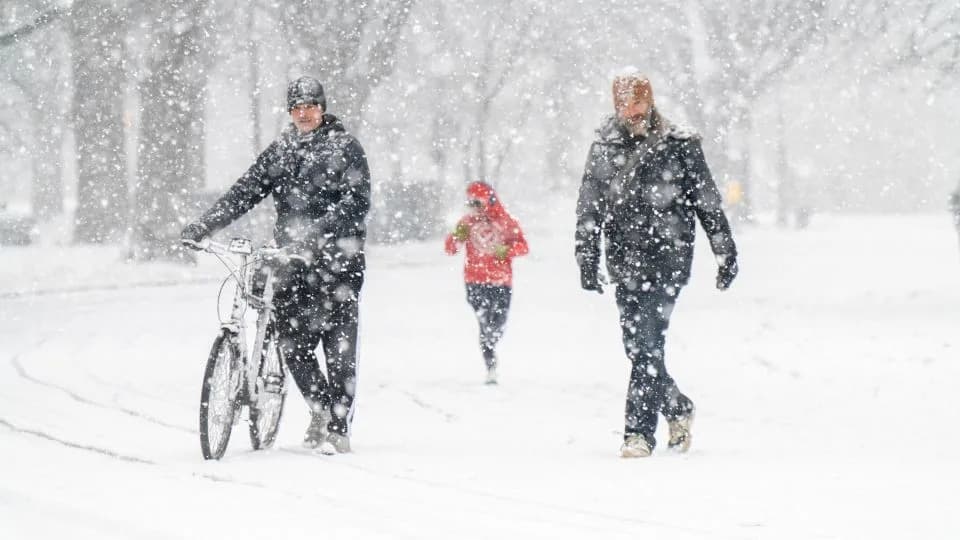
People are seen out and about as snow falls at Prospect Park in Brooklyn on January 17, 2026. - New York Daily News/TNS/Getty Images
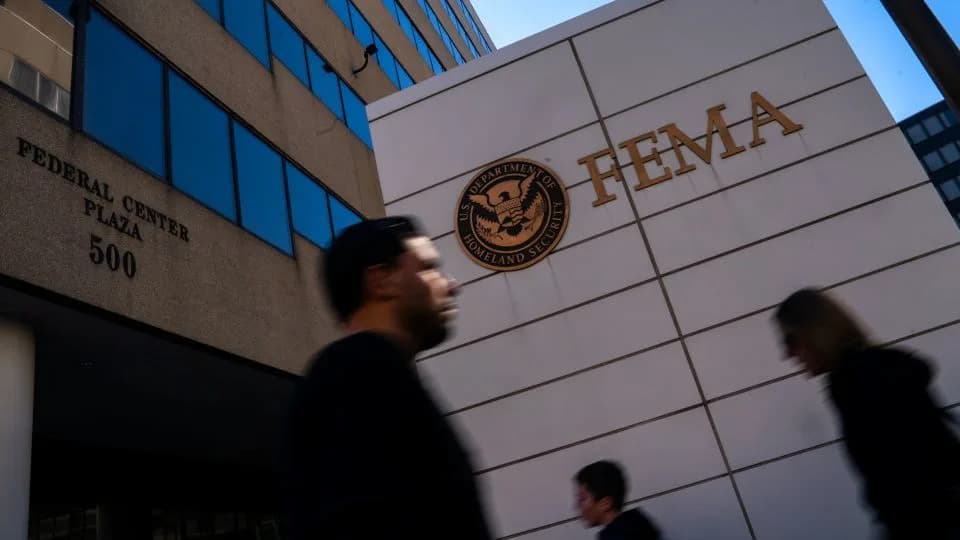
The Federal Emergency Management Agency (FEMA) has abruptly halted the ongoing offboarding of hundreds of disaster workers as it prepares for a major winter storm expected to affect a wide swath of the country in the coming days.
What Happened
In an email to staff obtained by CNN, FEMA said it would "cease offboarding" disaster workers whose contracts are due to expire imminently — a process that had been underway since early January. Two sources familiar with the decision said the looming storm was a key factor in the pause, though officials at the Department of Homeland Security (DHS), which oversees FEMA, have been considering the fate of these employees for weeks.
Scope And Timing
About 300 disaster workers were let go earlier in January, with only a small number receiving extensions, according to sources tracking the staffing changes. It is unclear how long the pause on dismissals will last.
Agency Response And Preparations
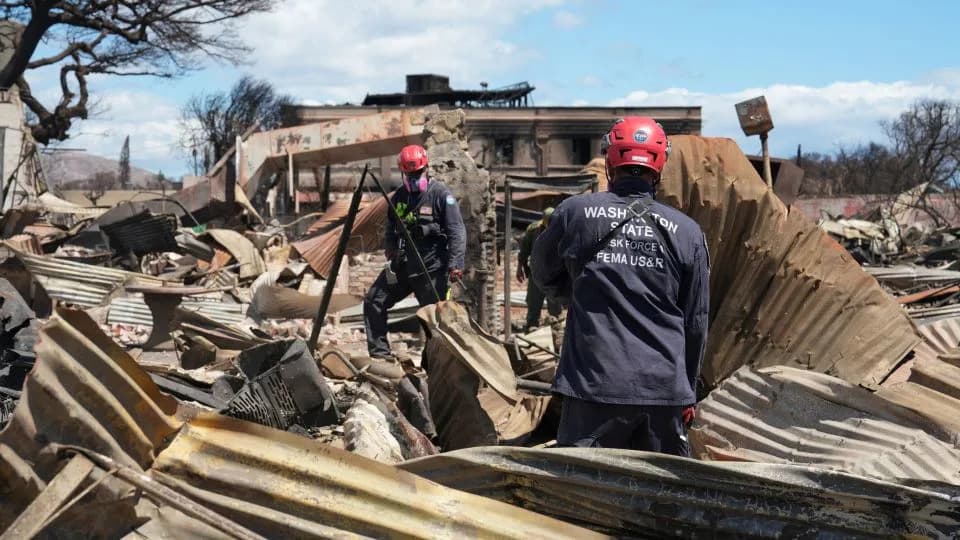
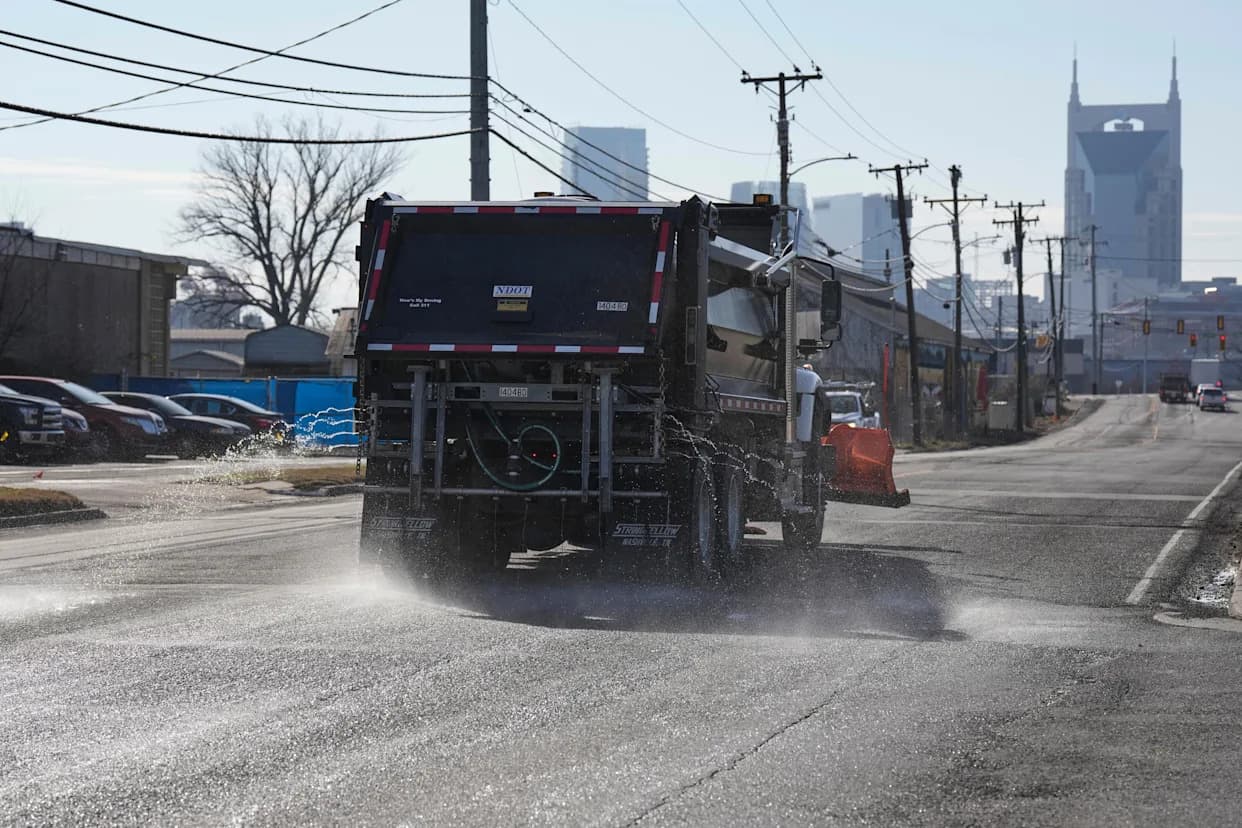
DHS emphasized that many FEMA positions are term-limited and designed to "fluctuate based on disaster activity, operational need, and available funding." Internal FEMA documents obtained by CNN show the agency has activated its National Response Coordination Center, deployed response teams to Texas, Virginia, Georgia and Pennsylvania, and pre-staged supplies in Louisiana, including 30 generators, 250,000 meals and 400,000 liters of water. More than 200 specialists are slated to staff survivor call centers, and over two dozen Urban Search and Rescue teams are on standby.
FEMA is on the ground and leaning forward, proactively supporting states in the path of this winter storm to ensure a rapid and well-coordinated response. Disasters are best when locally executed, state-managed and federally supported, a role we take seriously.
Impact On FEMA's CORE Workforce
Nearly all of the workers dismissed in January are members of FEMA's Cadre of On-Call Response and Recovery (CORE), which makes up roughly 40% of the agency's workforce and often provides the first federal response after disasters. CORE staff typically serve on two- to four-year contracts that historically were regularly extended. As of January 1, FEMA lost authority to auto-renew those contracts; now DHS leadership and Secretary Kristi Noem must approve each extension.
Concerns From Officials
Veteran FEMA officials warn that the recent cuts — which they say are tied to nonrenewal of expiring contracts rather than performance or reduced need — have sown confusion and disruption. "We're getting slaughtered," a high-ranking FEMA official told CNN, adding that program delivery and long-term recovery work are being heavily affected and that local applicants and governments are growing anxious over abrupt transitions.
Another senior official warned these staffing changes could weaken FEMA's ability to respond to future disasters, delay life-saving operations and increase the risk of operational failures during the next major emergency.
What Comes Next
Nearly half of FEMA's workforce — thousands of employees — face contract expirations in 2026, many just ahead of hurricane and wildfire seasons. DHS has not released a public plan for which positions will be renewed, and senior FEMA leaders say they remain uncertain about the department's long-term strategy. The pause in offboarding buys time ahead of the storm but leaves unanswered questions about workforce stability through next year's disaster seasons.
Note: FEMA and DHS provided official statements emphasizing term-limited hiring and operational flexibility; local and state officials continue coordinating with FEMA as the storm approaches.
Help us improve.