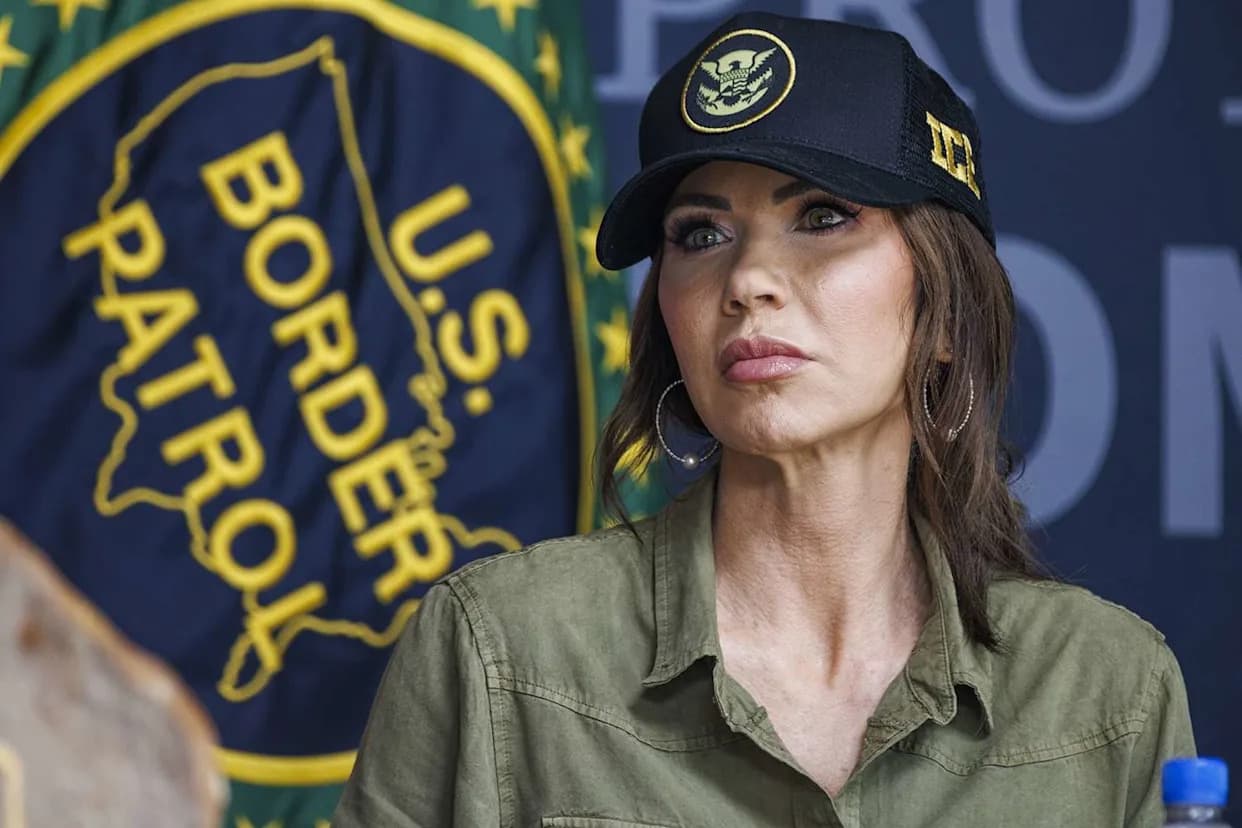
Face the Nation Jan. 18, 2026: The program examined a major ICE operation in Minneapolis and the diplomatic fallout from President Trump's pursuit of Greenland. Homeland Security Secretary Kristi Noem defended the federal deployment and disputed CBS figures about convictions among detainees, while Mayor Jacob Frey warned the scale of the federal presence intimidated communities and risked civil liberties. A CBS poll found growing concern about ICE tactics, and senators and representatives cautioned that coercing NATO allies over Greenland could weaken transatlantic security.
Face the Nation — Jan. 18, 2026: Minneapolis ICE Operation, Greenland Fallout and Strains on NATO
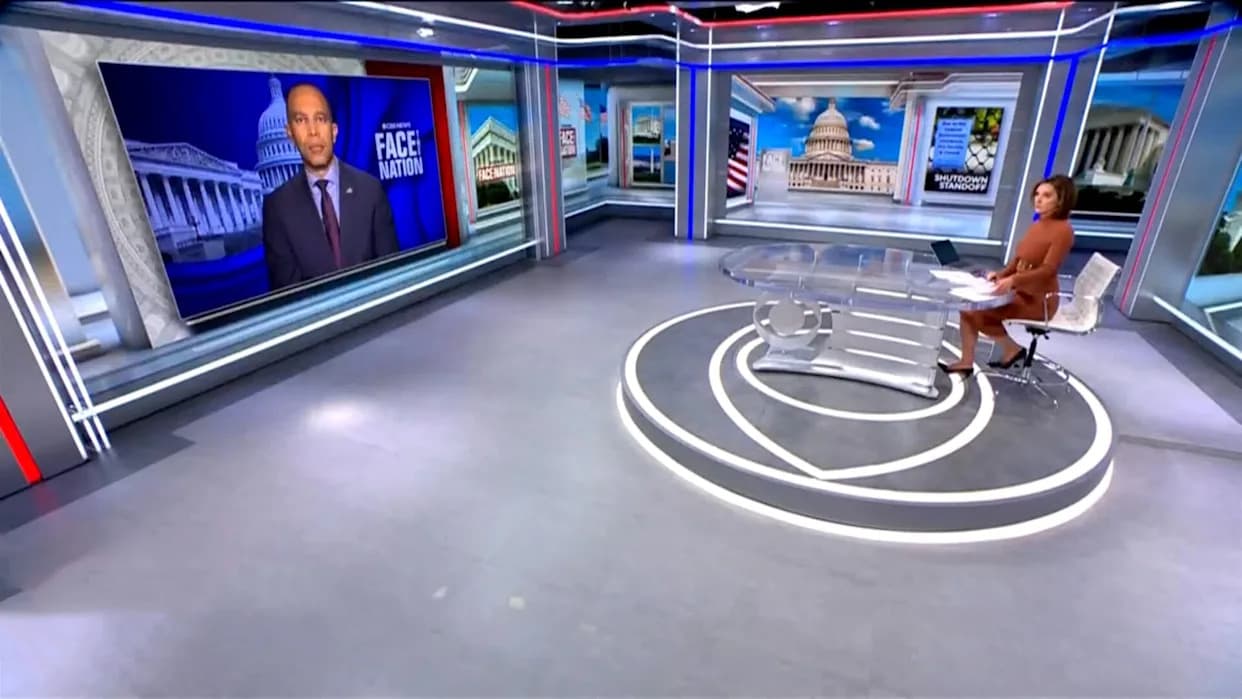
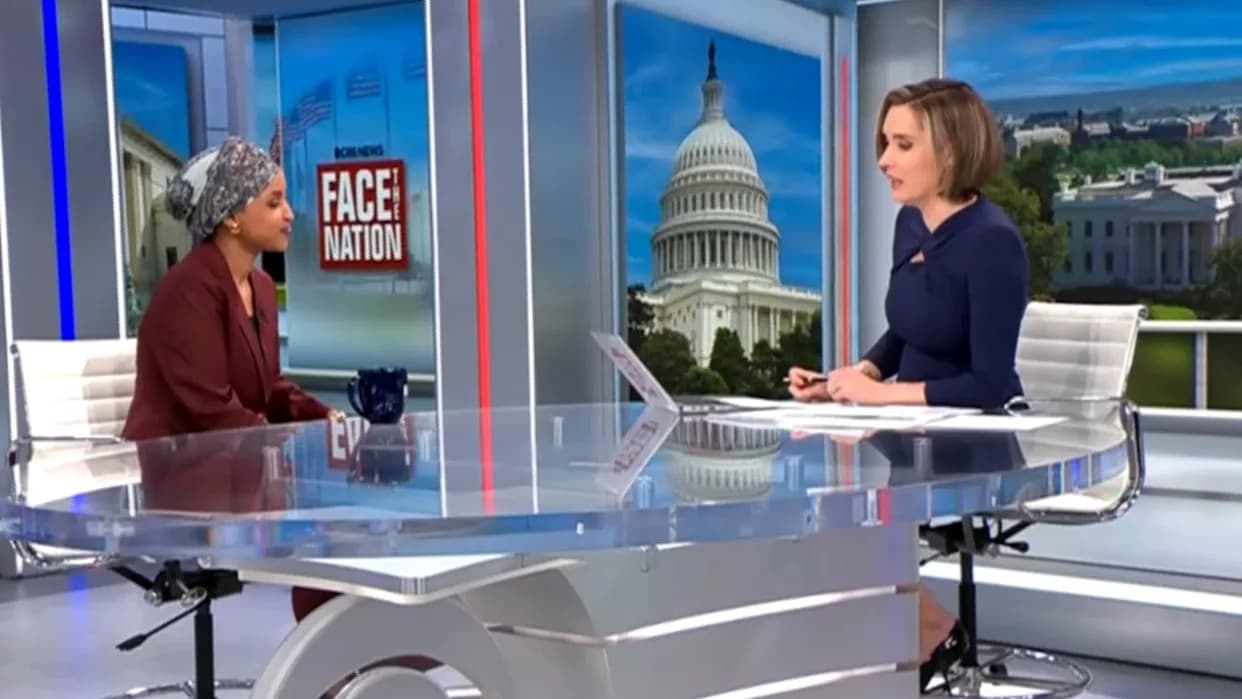
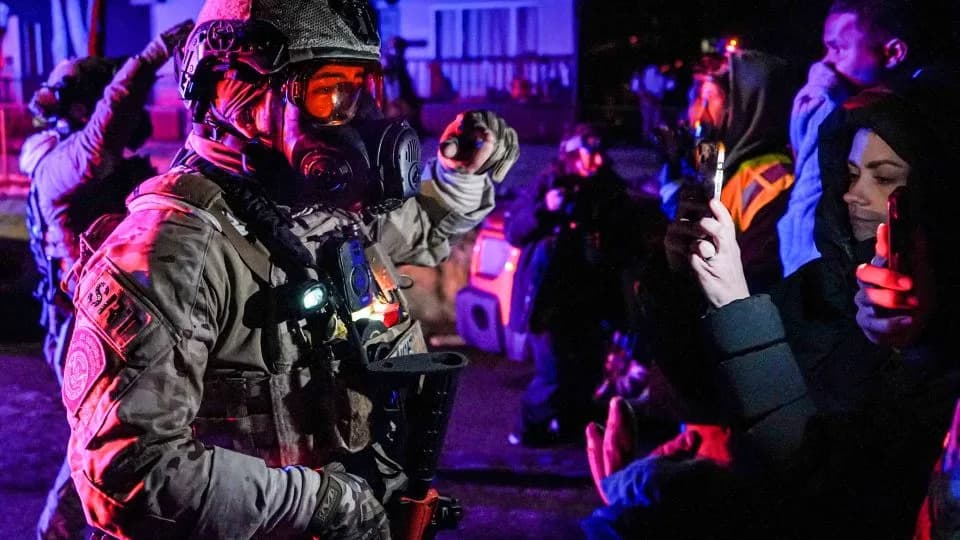
On January 18, 2026, Margaret Brennan moderated a Face the Nation broadcast in Washington that focused on two headline stories: a large federal ICE operation in Minneapolis that has ignited protests and local-federal tensions, and President Trump's controversial push to acquire Greenland, a move that provoked pushback from NATO allies and raised questions about U.S. trade and security strategy.
Opening Overview
Brennan summarized the program's themes: continuing street confrontations in Minneapolis involving supporters and opponents of ICE, and an international diplomatic dispute after the president signaled he might seek to buy Greenland and threatened tariffs against Denmark and other NATO partners that do not cooperate.
Minneapolis Operation and Public Opinion
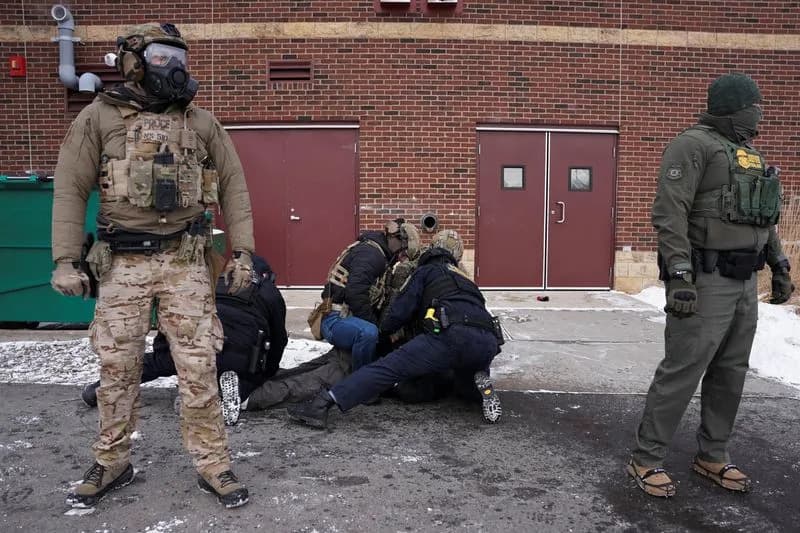
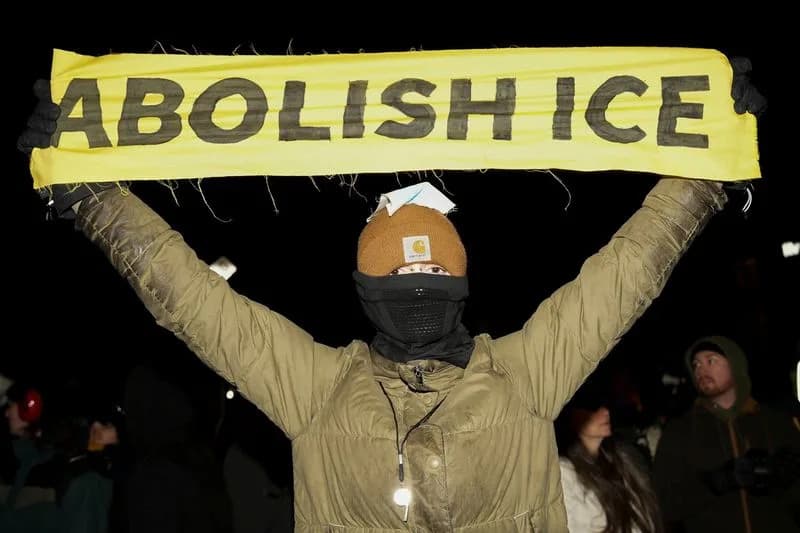
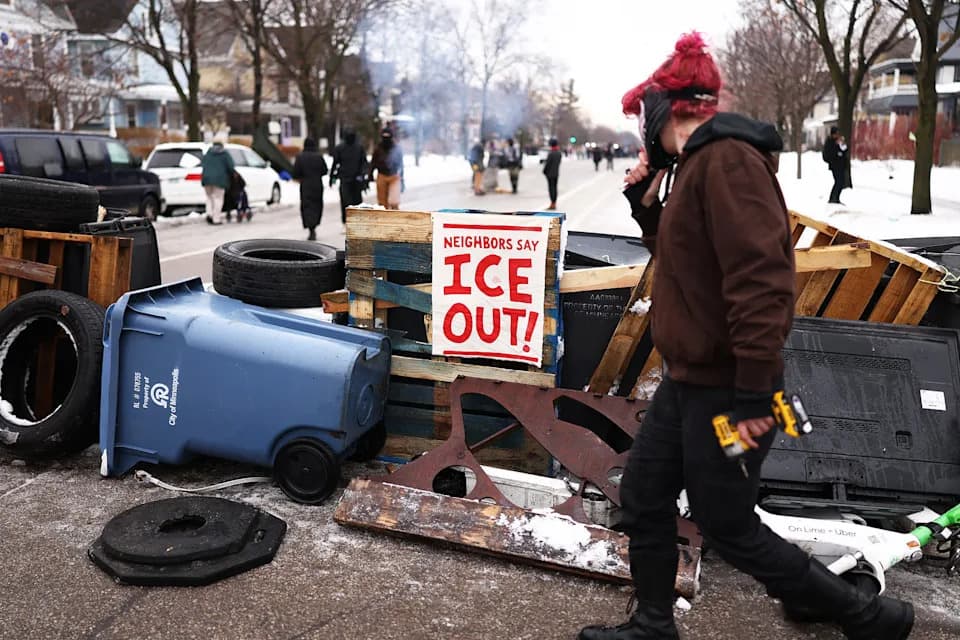
The program reported that nearly 3,000 federal agents were deployed to Minneapolis, while 1,500 active-duty soldiers stationed in Fairbanks, Alaska, were placed on standby for possible deployment. A new CBS poll discussed on air found that 53 percent of Americans say the Minneapolis events make them think ICE operations in the U.S. should be reduced. About six in ten respondents now say ICE agents are too tough compared with 56 percent in November, and 42 percent say protests against ICE have gone too far. Independent voters were closely divided.
Interview: Homeland Security Secretary Kristi Noem
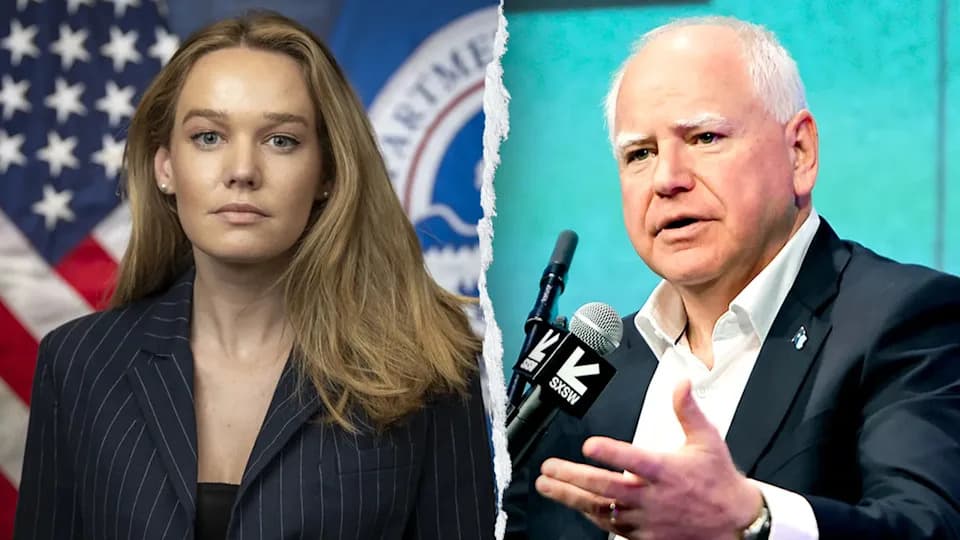
Secretary Noem, joining from Castlewood, South Dakota, described the Minneapolis deployment as among DHS's largest operations. She defended the mission as focused on public safety and removing dangerous criminals, saying each arrest increases community safety. Noem asserted that the operation has detained thousands and claimed that 70 percent of those detained face violent-crime charges or convictions. Brennan and CBS cited agency figures that put convictions at roughly 47 percent, and Noem disputed that number while promising to provide what she called corrected statistics.
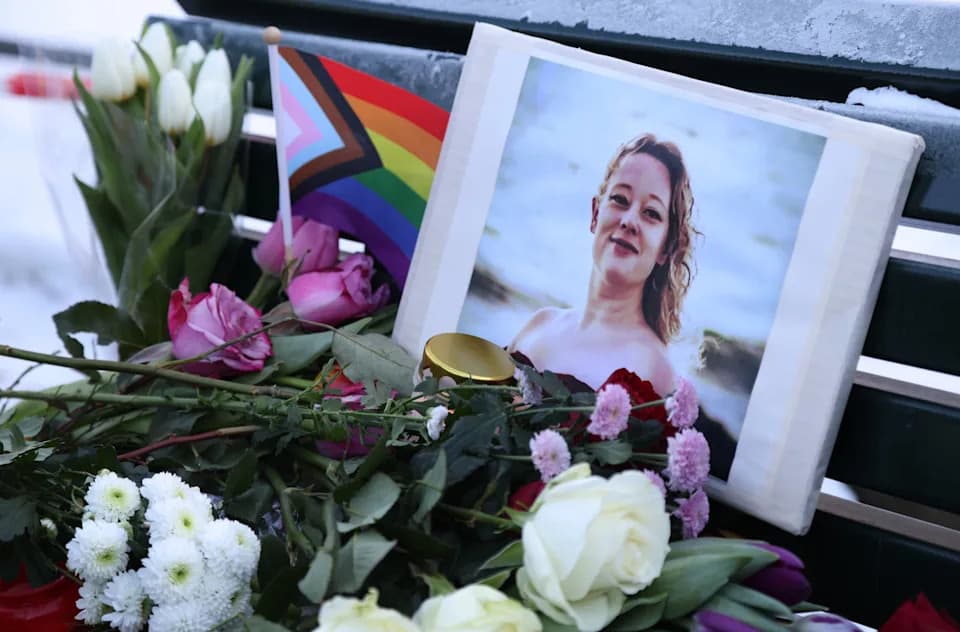
Noem insisted the ICE agent who shot Renee Good acted in self-defense after the individual allegedly weaponized a vehicle. She emphasized officer safety, declined to discuss medical records or personnel files in detail, and said the usual internal reviews and Office of Professional Responsibility processes are being followed. Noem also defended training for federal agents and maintained chemical agents were used only in response to active violence, saying a federal judge's order limited nothing they were already doing.
Interview: Minneapolis Mayor Jacob Frey
Mayor Frey pushed back on the federal narrative, rejecting the idea that protest activity could be contained to a single safe zone and arguing that peaceful dissent is a citywide right. Frey called the influx of thousands of federal agents into a city with roughly 600 local police officers an intimidating presence and said the operation disproportionately affects Latino and Somali communities. He characterized much of the public response as peaceful defense of neighbors and supported efforts to document federal actions for transparency and potential legal review. Frey also said he had not received formal notice that he or Governor Tim Walz were under investigation, despite media reports that federal officials were scrutinizing state and local leaders.
Polling Analysis
Anthony Salvanto, CBS's director of elections and surveys, explained that declining support for broad deportation promises reflects changing perceptions about who would be targeted and concerns about tactics. Voters who initially believed enforcement would focus narrowly on dangerous criminals now increasingly believe the net has widened. On foreign policy, Salvanto noted broad opposition to using military force or coercive measures to acquire territory such as Greenland, and that many Americans judge the administration as reducing global stability.
Interviews: International Fallout and NATO Concerns
Senator Mark Warner, ranking Democrat on the Senate Intelligence Committee, warned that threatening NATO allies over Greenland undermines the transatlantic alliance and benefits strategic competitors such as Russia and China. Warner noted there is no credible Russian or Chinese military threat to Greenland today and said Denmark has been a longstanding Arctic partner. He urged working with allies rather than coercing them if the U.S. seeks expanded access.
Representative Mike Turner, head of the U.S. delegation to NATO's parliamentary assembly, agreed that legitimate U.S. security interests exist in the Arctic and Greenland but said coercive rhetoric and tariffs risk eroding allied cooperation. Turner emphasized that Congress holds key trade authority and warned that presidential tariff power is legally constrained and may be tested in court. Both lawmakers underscored that weakening NATO would reduce U.S. global influence and complicate responses to crises.
Closing
Brennan closed the broadcast noting the twin domestic and international implications: the Minneapolis operation sharpened domestic debates about immigration enforcement, training and civil liberties, while the Greenland episode highlighted how unilateral or coercive diplomacy can strain alliances central to American security and economic interests.
Help us improve.