Nearly 1,000 households displaced by Maui’s 2023 wildfires could lose FEMA rental assistance in the coming weeks, pushing many into an already extremely tight and costly housing market. FEMA extended housing aid through February 2026, but the state’s request for a further extension is pending. Local officials are preparing contingency plans — including potential takeover of modular sites like Kilohana — while continuing to push for additional federal support.
Maui Faces Potential End To FEMA Rental Aid — Nearly 1,000 Fire Survivors Could Be Displaced
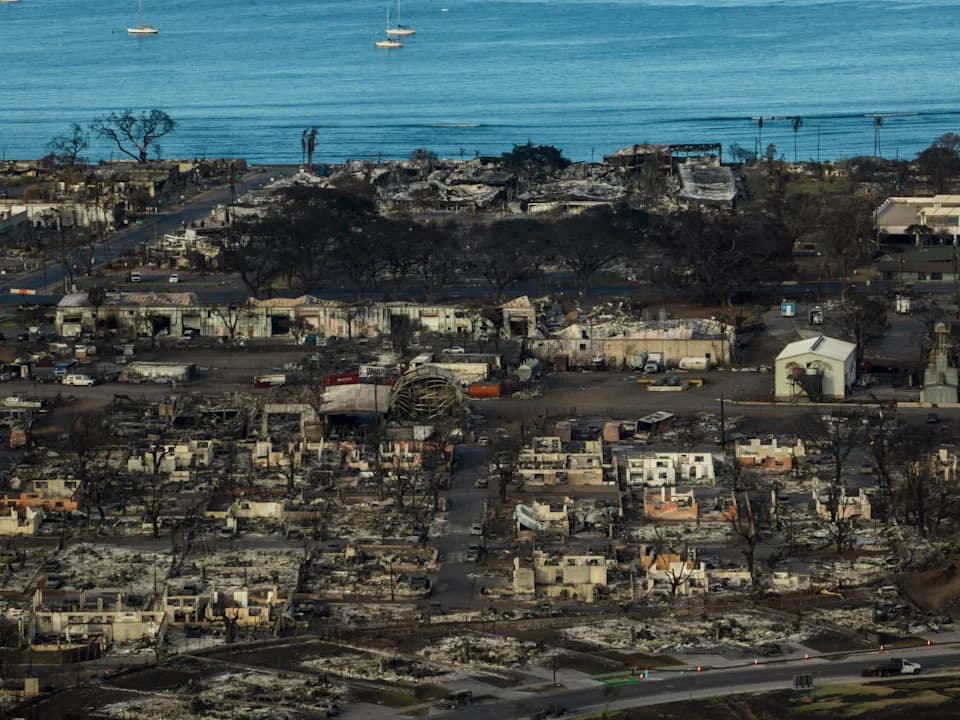
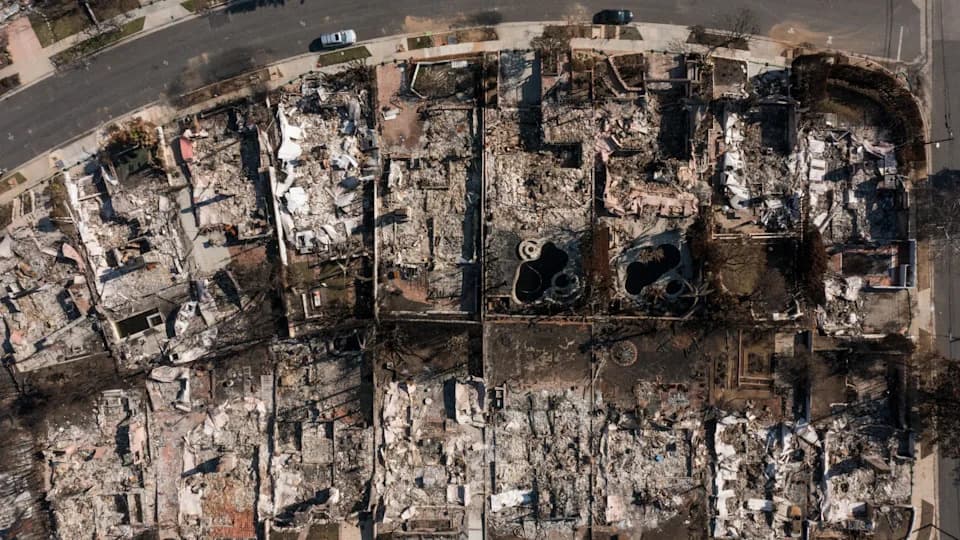
FILE - A general view of the aftermath of a wildfire in Lahaina on the Hawaiian island of Maui, Thursday, Aug. 17, 2023. (AP Photo/Jae C. Hong, File)(ASSOCIATED PRESS)
Nearly 1,000 households displaced by Maui’s catastrophic 2023 wildfires are anxiously awaiting a federal decision that could end rental assistance provided by the Federal Emergency Management Agency (FEMA). If funding lapses, many survivors could be forced to find new housing or pay much higher rents in one of the nation’s tightest markets.
For two and a half years FEMA has been central to the recovery effort, offering direct rental payments, leasing units to survivors, and supporting temporary shelter solutions. That aid was extended through February 2026, but the state requested another extension last May and a decision is expected before the end of January.
Why the Decision Matters
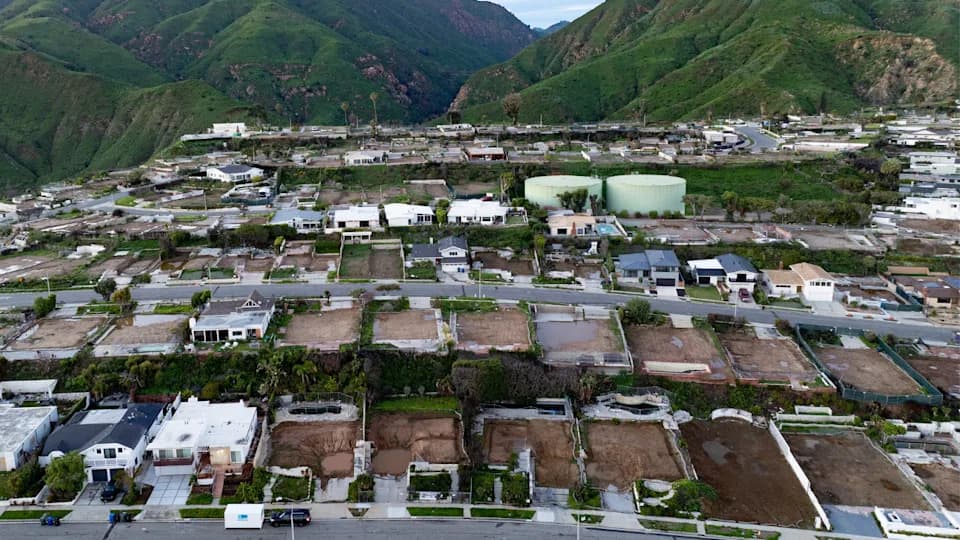
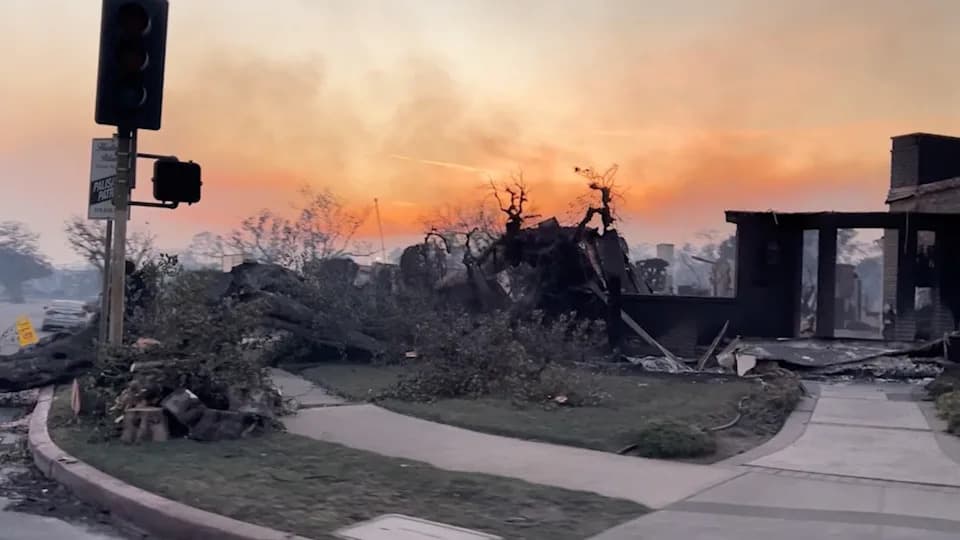
The fires that struck Lahaina and Kula destroyed roughly 2,200 structures and killed 102 people. Then-President Joe Biden declared a major disaster, unlocking FEMA assistance for an estimated 12,000 displaced people — 89% of whom were renters at the time of the fires. The prospect of ending rental aid risks reversing progress to repopulate Lahaina and could produce a new wave of homelessness or out-migration from the island.
“All of them entering into our already impacted rental market in February scares me a lot,” said Nicole Huguenin, executive director and co-founder of the mutual aid organization Maui Rapid Response.
FEMA’s Role And Local Recovery Efforts
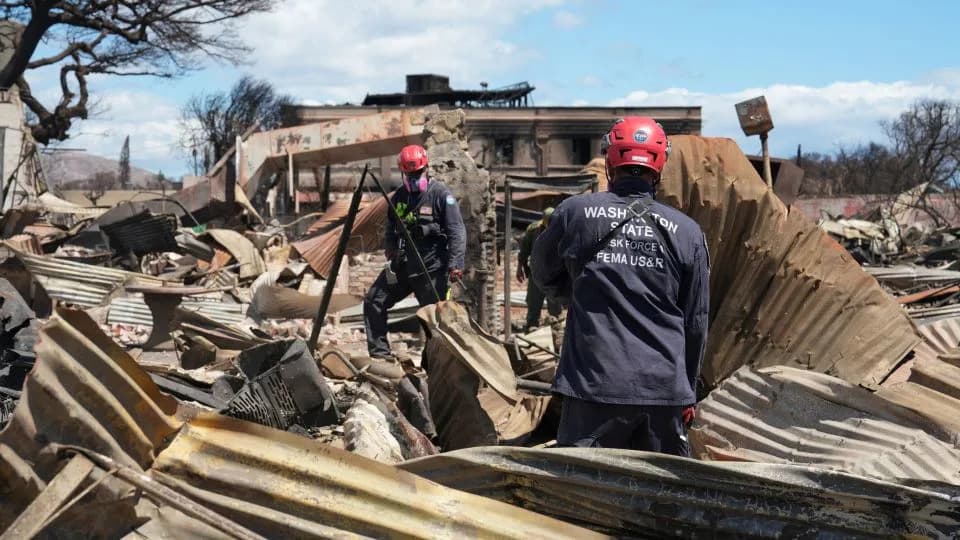
In the immediate aftermath, FEMA and partners housed thousands in hotels and temporary shelters before transitioning many families to longer-term arrangements. The agency also worked with the U.S. Army Corps of Engineers to build Kilohana, a 167-unit modular housing complex on state land overlooking Lahaina, and leaned on direct leases and rental payments to keep survivors housed — measures that met mixed reviews from tenants.
Critics say some FEMA leasing arrangements paid well above fair-market rents to attract landlords, which may have contributed to upward pressure on local rents. Supporters counter that the island’s housing shortage long predated the fire and that emergency measures were necessary to prevent immediate homelessness.
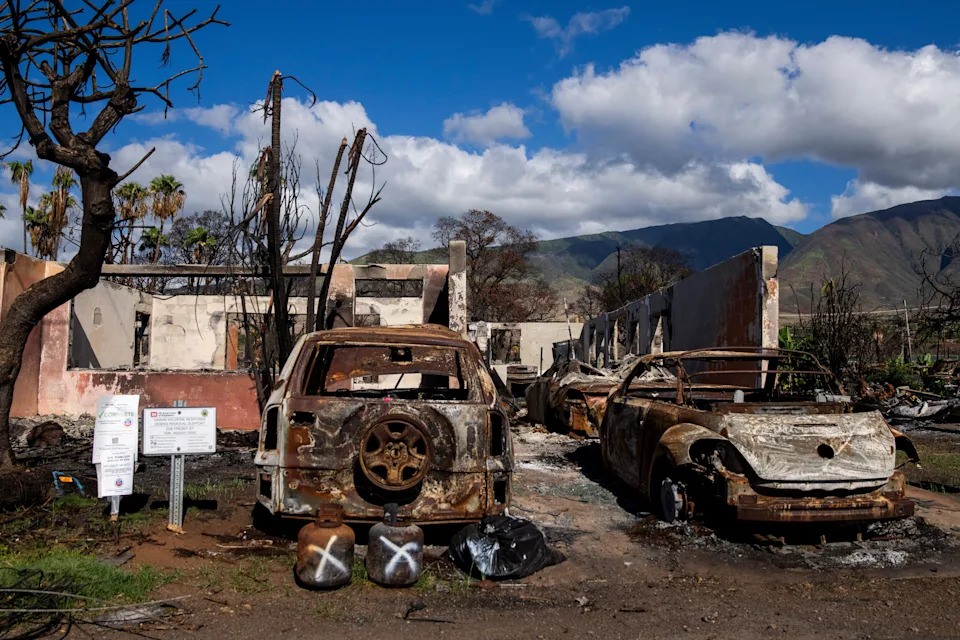
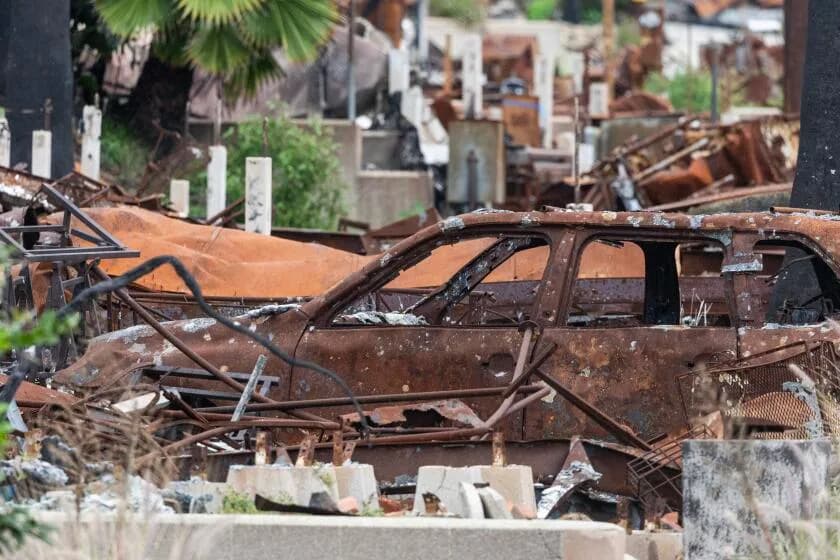
FILE - Burned cars and propane tanks with markings on them sit outside a house destroyed by wildfire, Friday, Dec. 8, 2023, in Lahaina, Hawaii. (AP Photo/Lindsey Wasson, File)(ASSOCIATED PRESS)
Housing Market Strain
Maui’s rental market remains severely stressed. The Hawaii Emergency Management Agency reported a vacancy rate under 2%, and mid-2025 data showed no units available at or below the federal definition of fair market rent. Research from the University of Hawaii Economic Research Organization found rents jumped 50%–60% after the fires; two- and three-bedroom units still cost nearly double pre-fire levels.
If assistance ends, roughly 190 households in modular units, about 470 families in FEMA’s direct-lease program, and some 280 households receiving rental payments would suddenly need new housing solutions.
Local Contingency Plans And Longer-Term Steps
County and state officials say they are working with FEMA toward an extension and developing contingency plans if aid ends — including the potential for the state or county to assume operations at Kilohana. Nearby Ka La‘i Ola, a separate community of about 450 modular units created via a state-philanthropic partnership, remains full and carries a long waiting list.
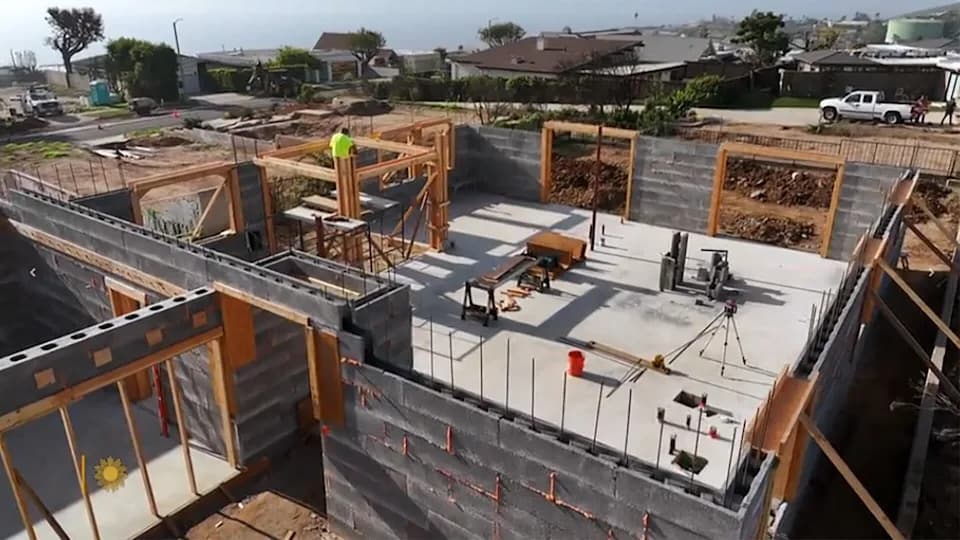
Officials also point to longer-term measures intended to expand rental supply, such as a county ordinance phasing out short-term rentals in apartment-zoned properties beginning in 2029. Rebuilding is progressing slowly: about 109 residential construction projects are complete and roughly 300 are underway, but high shipping costs and the island’s isolation complicate the pace of recovery.
“The tough part on the island is everything needs to be shipped in,” said HIEMA Administrator James Barros.
What’s Next
FEMA has historically extended housing missions after major disasters when local recovery remains incomplete and housing alternatives are scarce. If an extension is granted, FEMA may impose new milestones for state and local governments to accelerate rebuilding and placement of displaced households. If the agency allows assistance to lapse, housing-related financial support would stop and any units leased directly by FEMA would need to be vacated.
Maui leaders, advocates and survivors are watching closely. Many residents emphasize the need to remain near Lahaina for work, schools and community ties — a priority that will be harder to fulfill if rental aid ends amid an acute housing shortage.
Help us improve.