UN Human Rights Council adopted a resolution condemning Iran’s violent crackdown on protests; the measure passed with 25 votes for, seven against and 14 abstentions. Reported death tolls vary widely—from Iran’s official 3,117 to HRANA’s confirmed 5,137, and UN warnings the toll could exceed 20,000—and none of the higher figures has been fully verified. The council extended the mandates of its rapporteur and an independent fact-finding mission as an internet blackout and rising military tensions, including the movement of the USS Abraham Lincoln, fuel international concern.
Iran Rejects UN Censure Over Protest Killings As Death Toll Estimates Diverge
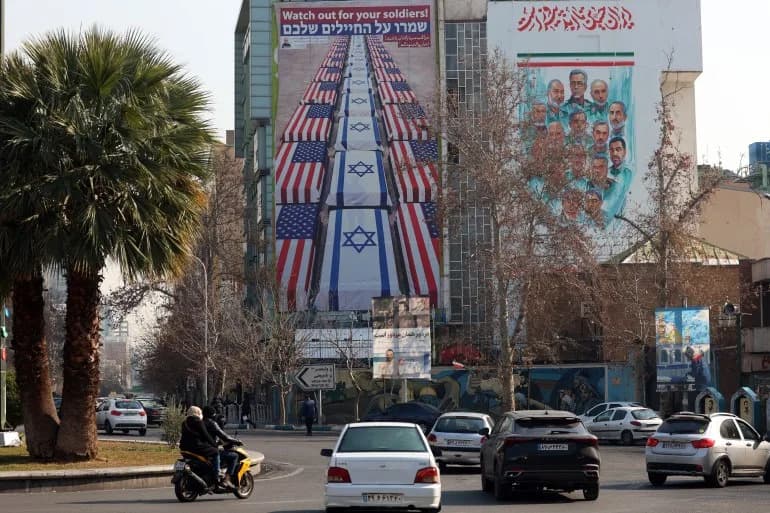
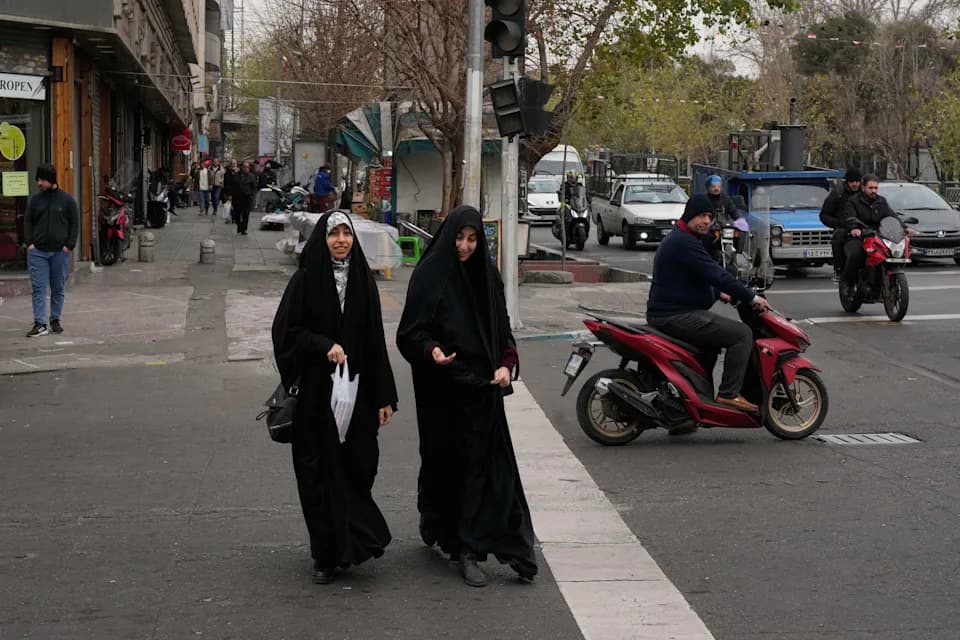
Iranians drive near an anti-US and Israel banner hanging at the Palestine square in Tehran, Iran, January 24, 2026 [Abedin Taherkenareh/EPA]
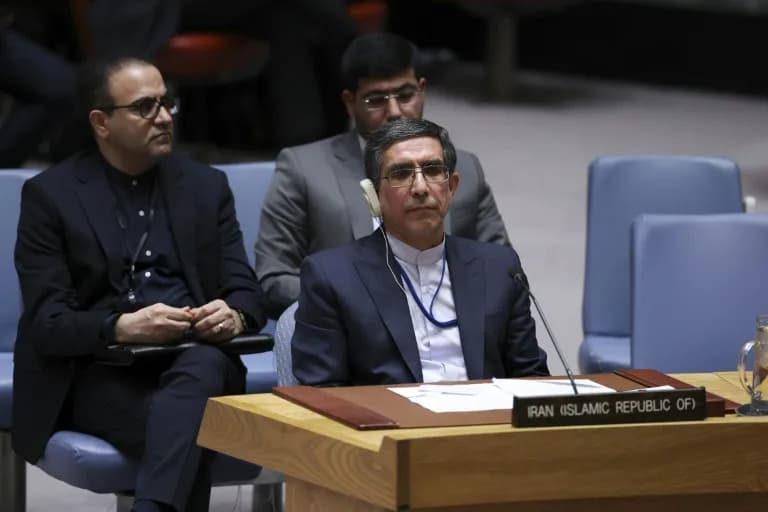
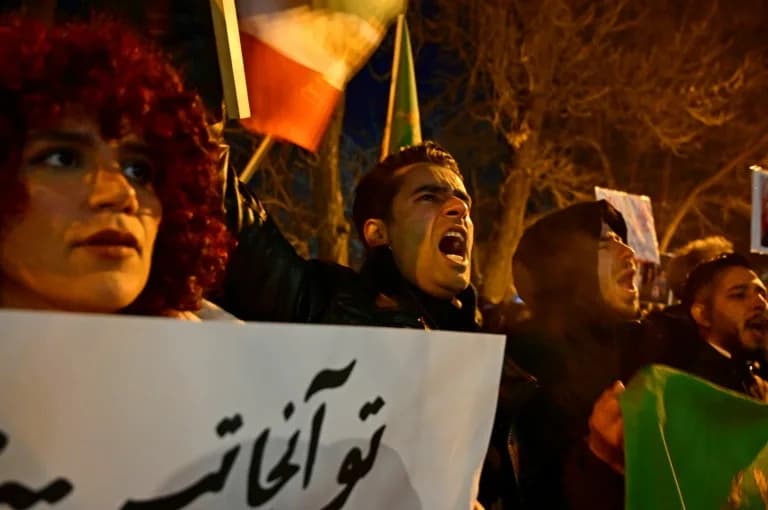
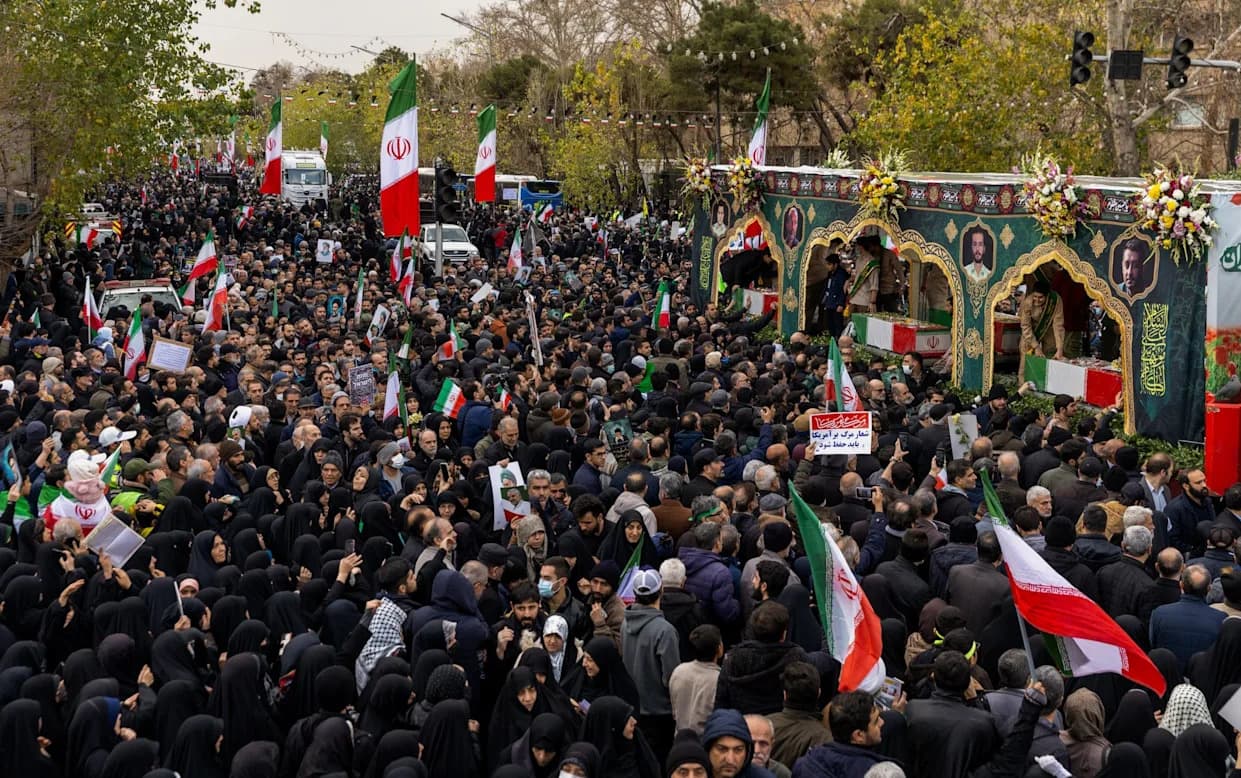
Tehran — Iran's government has dismissed a United Nations Human Rights Council resolution that sharply condemned the security forces' violent response to widespread protests, a crackdown the UN says left thousands dead.
After detailed discussions in Geneva on Friday, the council adopted the censure with 25 votes in favour, seven against and 14 abstentions. Countries voting for the resolution included France, Japan and South Korea; those voting against included China, India and Pakistan. Despite those objections, the resolution passed and urged Tehran to halt arrests linked to the demonstrations and to take steps to prevent "extrajudicial killing, other forms of arbitrary deprivation of life, enforced disappearance, sexual and gender-based violence" and other rights violations.
Differing Death Toll Figures
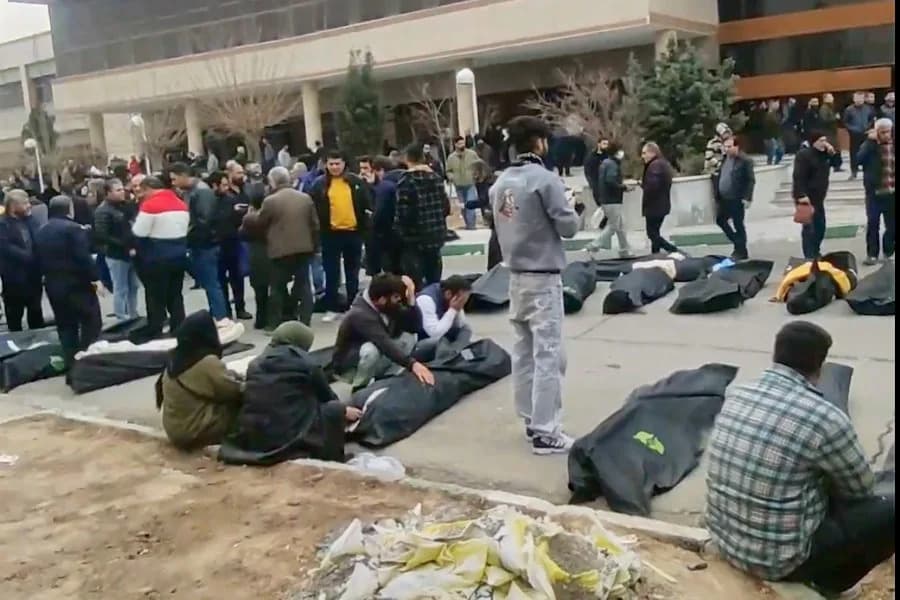
Official figures and independent counts differ sharply. Iran's envoy Ali Bahreini reiterated the government’s claim that 3,117 people died during the unrest and asserted that 2,427 of those were killed by "terrorists" allegedly armed and funded by the United States, Israel and their allies. Independent monitors and UN experts report substantially higher numbers: the US-based Human Rights Activists News Agency (HRANA) says it has confirmed at least 5,137 deaths and is investigating 12,904 further cases, while UN special rapporteur Mai Sato warned the toll could reach 20,000 or more as additional reports from inside Iran emerge. Major outlets, including Al Jazeera, have not been able to independently verify the higher estimates.
International Concerns and UN Action
UN human rights chief Volker Türk told the council the situation remained brutal and unstable, pointing to the risk of further abuses weeks after major killings on January 8 and 9, when a communications blackout was enforced. The council extended the mandate of the special rapporteur on Iran by one year and added two years to the independent fact-finding mission investigating killings and rights abuses during the nationwide protests in 2022 and 2023.
Payam Akhavan, an Iranian-Canadian human rights lawyer and former UN prosecutor, described the killings at the meeting as "the worst mass-murder in the contemporary history of Iran," drawing a comparison with the Srebrenica genocide to underline the scale of reported deaths.
Domestic Measures, Evidence and Denials
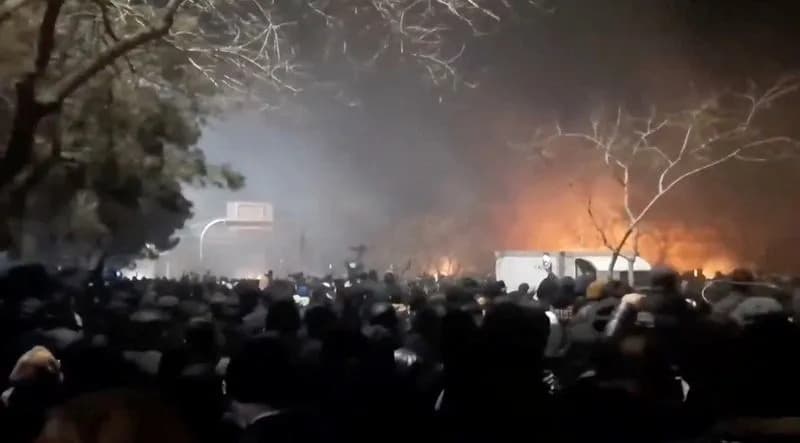
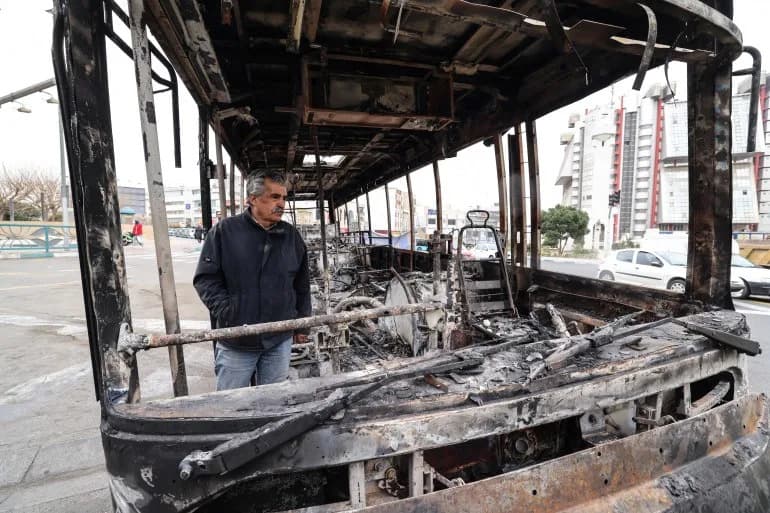
International rights groups including Amnesty International and Human Rights Watch say many videos they reviewed show state forces firing live ammunition at protesters, sometimes from heavy machine guns. Iran’s authorities reject these accounts, insisting security forces fired only at "terrorists" and "rioters" who attacked government buildings and set public property ablaze.
The internet blackout remains in place, provoking growing frustration among citizens and businesses. Netblocks reported that international internet access was effectively blocked on Saturday despite brief moments of connectivity. Some users have intermittently bypassed restrictions using proxies and virtual private networks (VPNs) and have uploaded harrowing footage of killings; those uploads have been cited by international monitors but are not uniformly verified.
Escalating Regional Tensions
Tensions have risen internationally, with the United States moving the USS Abraham Lincoln carrier strike group toward the Middle East amid concerns over possible intervention. President Donald Trump has repeatedly warned of action should Iran continue to kill protesters. Iran's top officials have responded with warnings of retaliation: Majid Mousavi, the new aerospace chief of the Islamic Revolutionary Guard Corps (IRGC), said on state television, "He can be certain that we will respond to him in the field of battle." Hardline prosecutor Mohammad Movahedi called recent US remarks "tantamount to a declaration of all-out war" and warned that supporters of the Islamic Republic could threaten US interests worldwide if Iran is attacked.
UN reporting also highlighted a sharp rise in executions inside Iran: the UN human rights office stated the state executed at least 1,500 people in 2025, roughly a 50% increase compared with the previous year. Rights groups continue to call for transparent investigations and independent access to attest allegations of extrajudicial killings and disappearances.
As the diplomatic and humanitarian dispute continues, key details — especially the full scale of casualties — remain contested and subject to further investigation.
Help us improve.