A massive winter storm from the Rockies to the Atlantic could test whether the Trump administration will approve federal disaster aid for heavy snow after moves to limit assistance. The administration says it has pre-positioned supplies and personnel, while congressional appropriators insisted snowstorms are eligible for federal relief. Past denials of aid and an internal FEMA memo narrowing snowstorm eligibility have left states apprehensive. FEMA reports about 4,200 deployable employees, up from 2,400 a year earlier.
Massive Snowstorm Puts Trump Administration’s Disaster Aid Policy to the Test
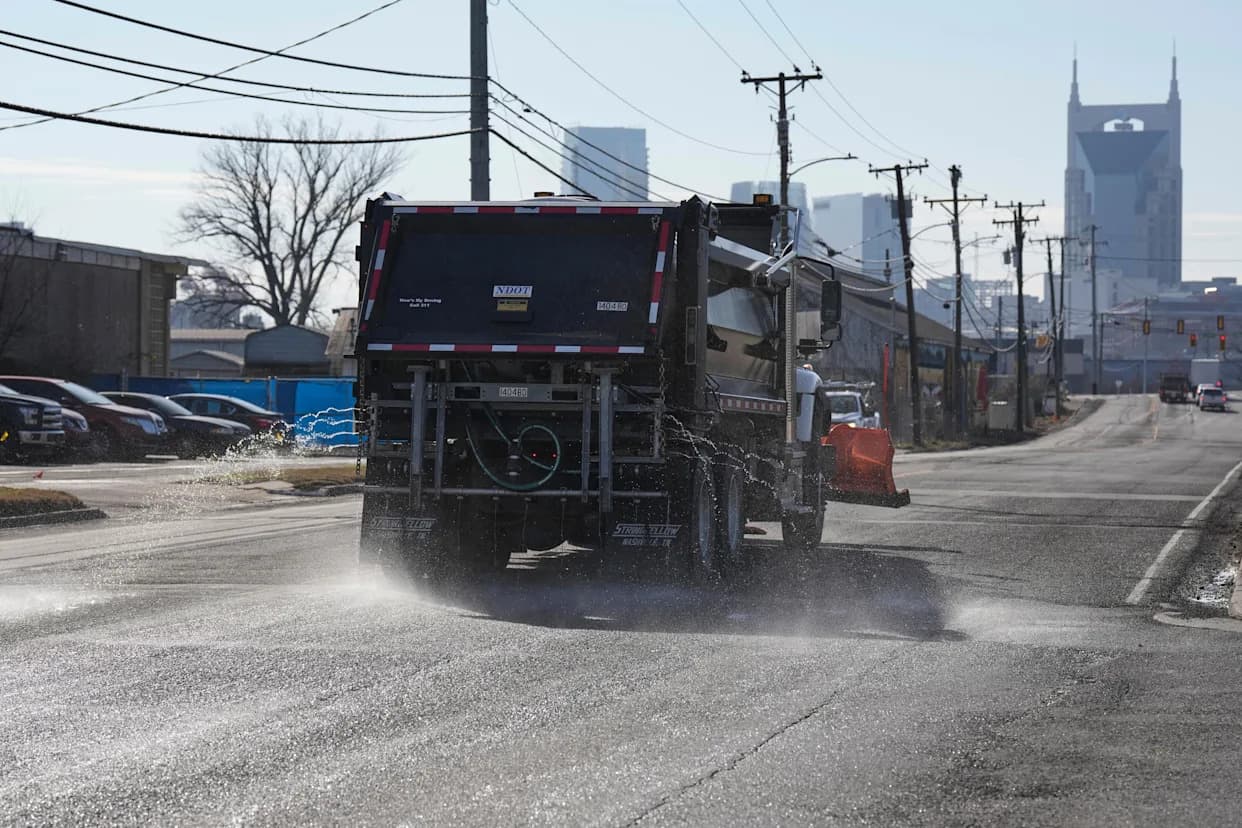
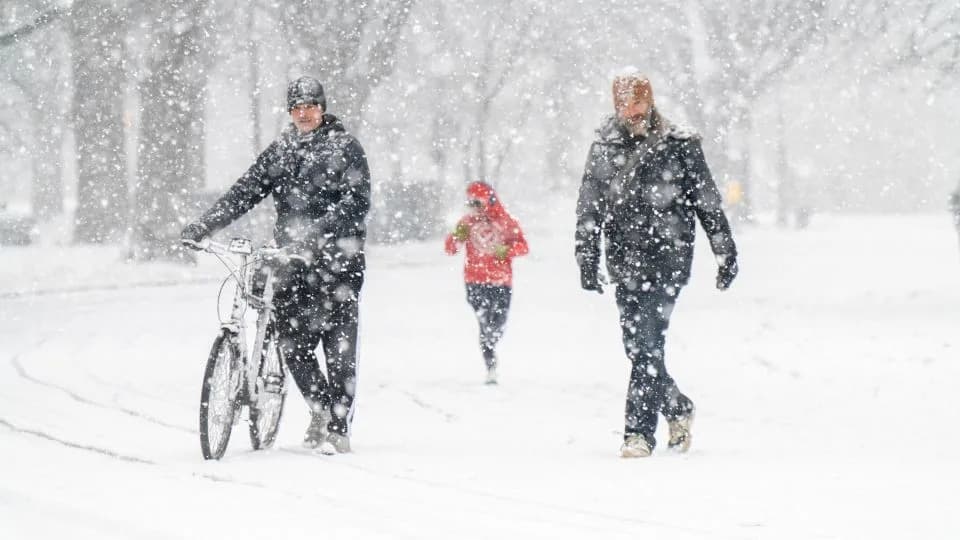
A massive winter storm expected to drop heavy snow, sleet and freezing rain across a broad swath of the United States could become a major test of the Trump administration’s approach to federal disaster assistance.
What’s at Stake
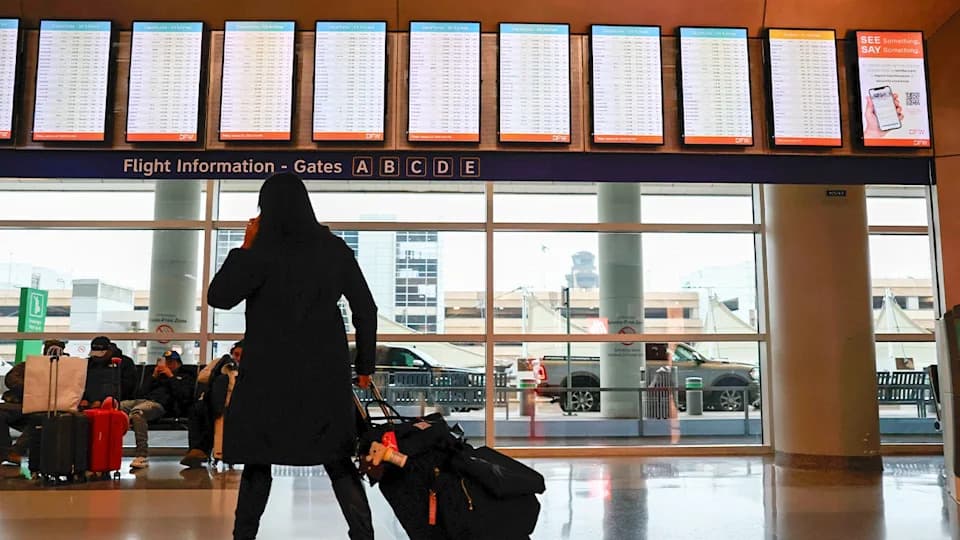
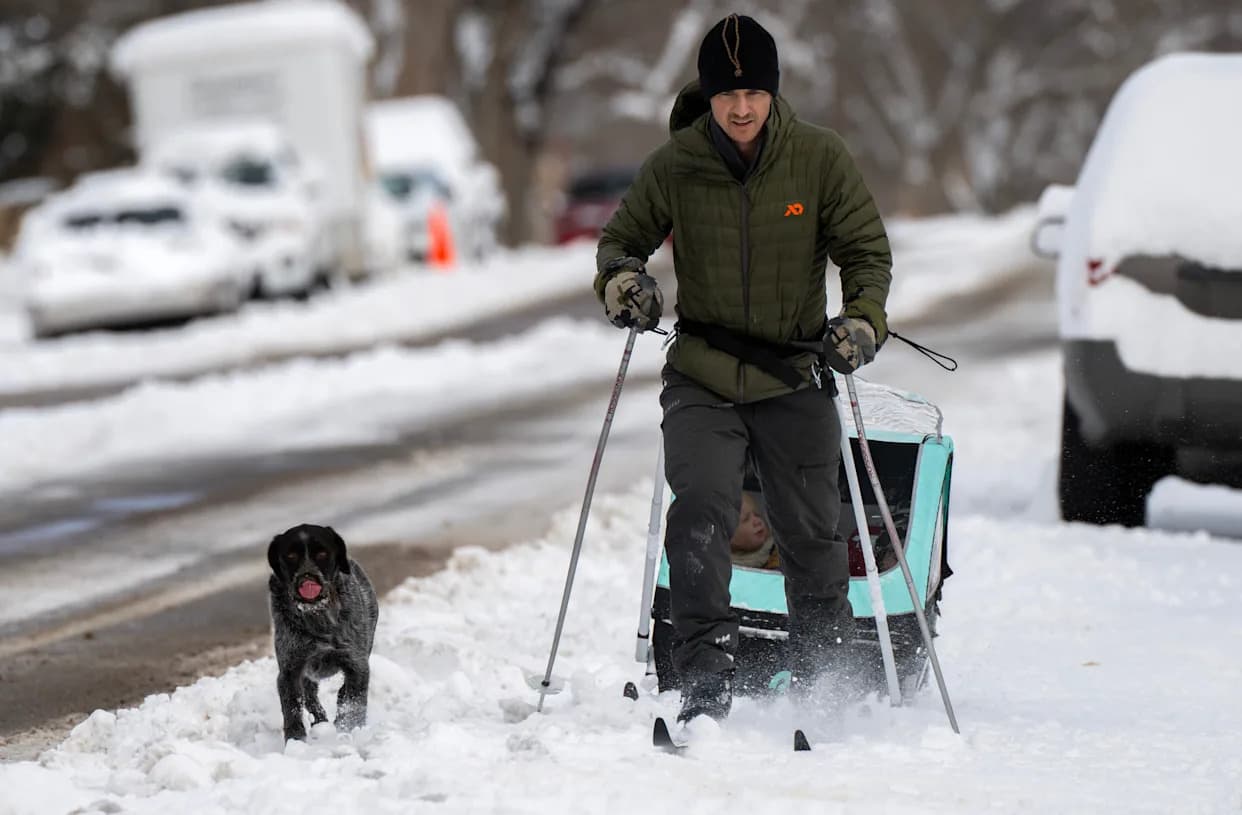
Forecasters say the storm will begin Friday and continue into Monday, stretching from the Rockies to the Atlantic. Governors in dozens of states have warned they may declare emergencies and request federal aid for cleanup and repairs — but recent policy moves and past denials have left some officials uncertain whether Washington will approve those requests.
Federal Preparations
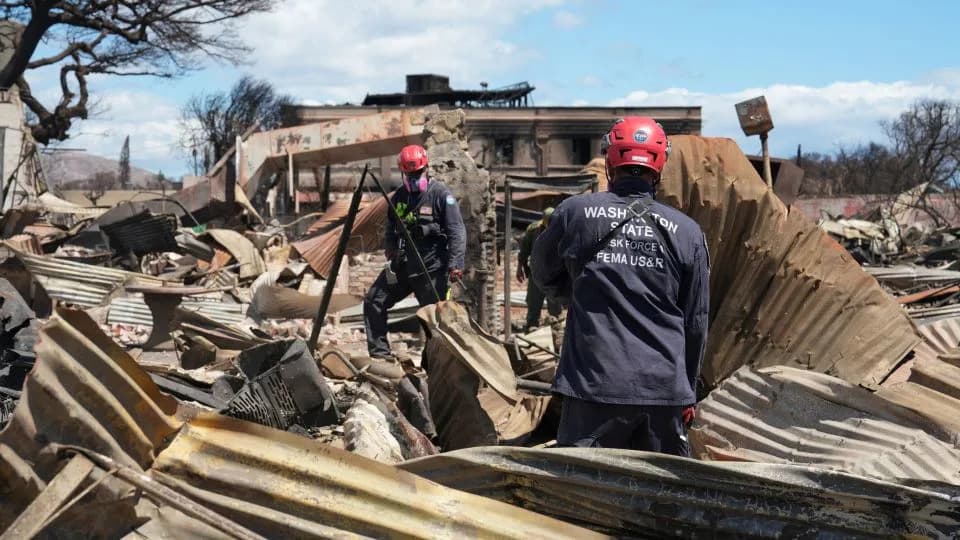
The administration says it has proactively mobilized resources in advance of the storm. An administration official, speaking on background, said federal staging in Louisiana includes 250,000 meals, 400,000 liters of water, 30 generators and 12 shuttle drivers, with additional shuttle drivers positioned in Pennsylvania, Texas and Georgia. FEMA has embedded 20 staff in State Emergency Operations Centers, deployed three incident management teams and has search-and-rescue and other teams on standby to assist at governors’ requests.
Lawmakers and Critics
On Capitol Hill, House and Senate appropriators from both parties inserted language into a proposed Department of Homeland Security spending bill stating that the package "reaffirms Congress’ intent … that snowstorms shall be eligible for Federal relief." Democrats and state officials have criticized what they describe as politicization of disaster decisions.
“They’re preparing for the worst. They’re preparing for no grants, no money,”
said a former senior FEMA official who spoke on the condition of anonymity. Delaware Sen. Chris Coons and Rep. Bennie Thompson urged the administration to treat snow impacts as qualifying disasters, while White House spokeswoman Abigail Jackson dismissed the criticisms as "fear-mongering," saying the administration evaluates requests carefully to ensure federal funds "supplement, not substitute, state obligations."
Background And Recent Controversies
Concerns about narrowing eligibility for snow-related disaster aid date to an internal memo circulated last year by then-FEMA acting administrator Cameron Hamilton, which suggested limiting federal assistance for snowstorms; the memo’s proposals have not been formally adopted. Still, the administration last year denied multiple gubernatorial disaster requests even after FEMA concluded damage exceeded the agency’s threshold for federal support, leaving state emergency managers with little explanation.
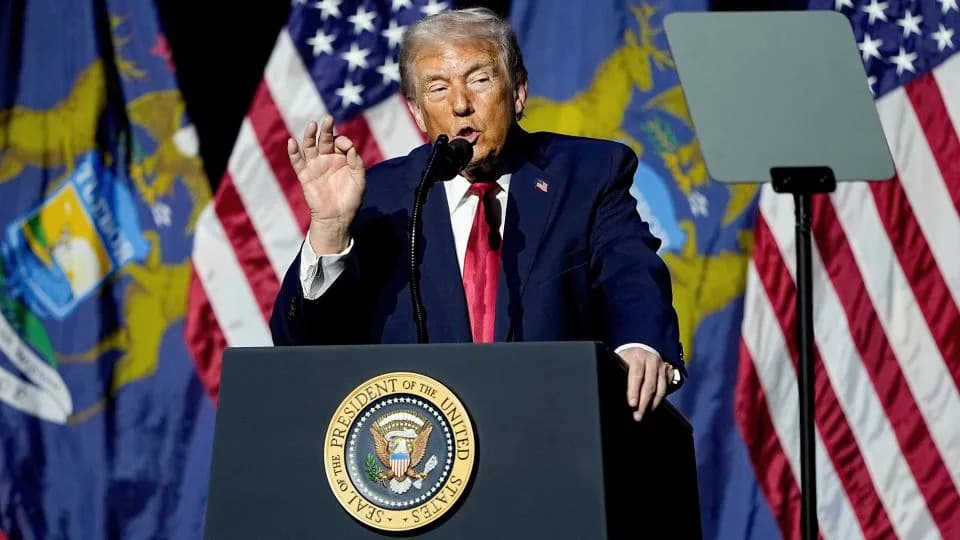
Notable examples include President Trump’s rejection of Maryland Gov. Wes Moore’s July request for flood aid and a split decision on Michigan after an ice storm: Washington approved some assistance for infrastructure damage but denied a $90 million request to help two rural utilities repair equipment.
Legal And Financial Context
Federal disaster law lists snowstorms among qualifying events, alongside extreme winds, wildfires and floods, but it does not guarantee any specific level of funding. Hamilton’s memo notes that since 2016 presidents have approved 18 snow-related disaster declarations, costing FEMA roughly $272 million — a small fraction of total disaster spending over the same period.
Implications For States
Former FEMA administrator Craig Fugate said states sometimes cut snow-preparedness budgets after quiet winters and later turn to FEMA when major storms hit. Fugate and other experts say the intent of federal thresholds is to ensure routine snow removal remains primarily a state and local responsibility unless an event is extraordinary.
FEMA Capacity
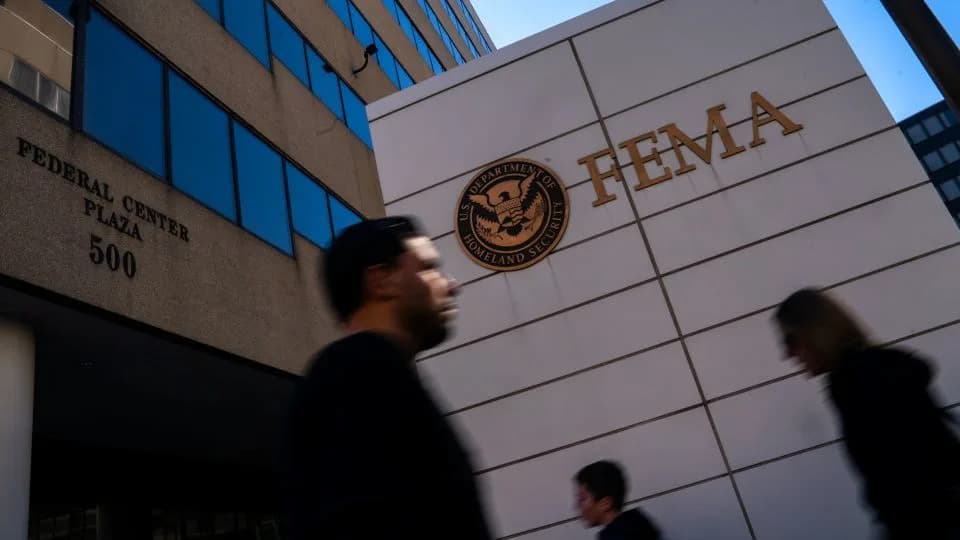
FEMA’s daily situational report shows the agency monitoring the storm from regional offices and headquarters and reporting nearly 4,200 deployable employees available this year, up from about 2,400 a year earlier — a rise FEMA attributes to staff reassignments from state field offices to Washington under the administration.
As the storm approaches, governors, emergency managers and federal officials will be watching closely to see whether Washington approves requests for aid and how long any federal response will take — decisions that could set a precedent for how snow disasters are handled in the future.
Help us improve.