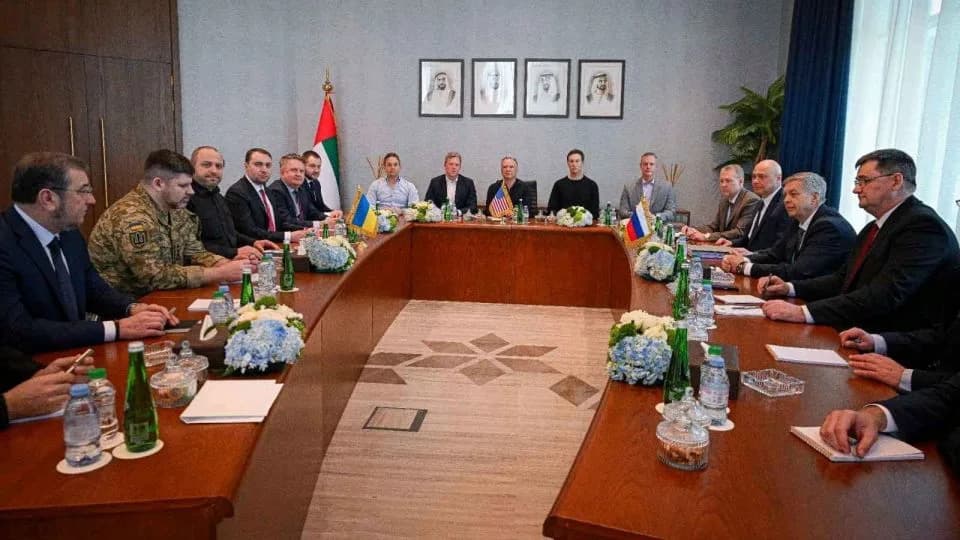
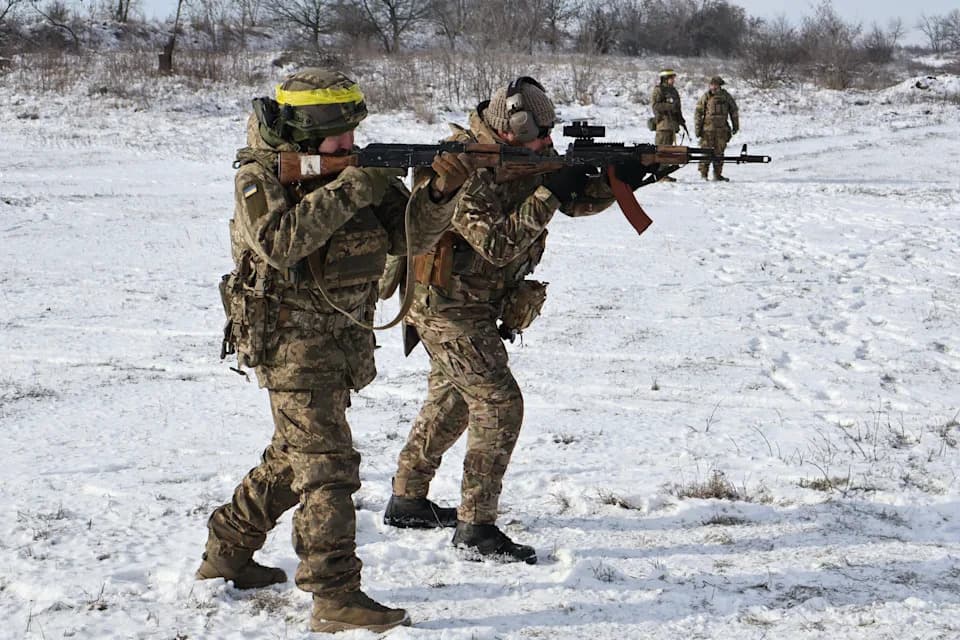
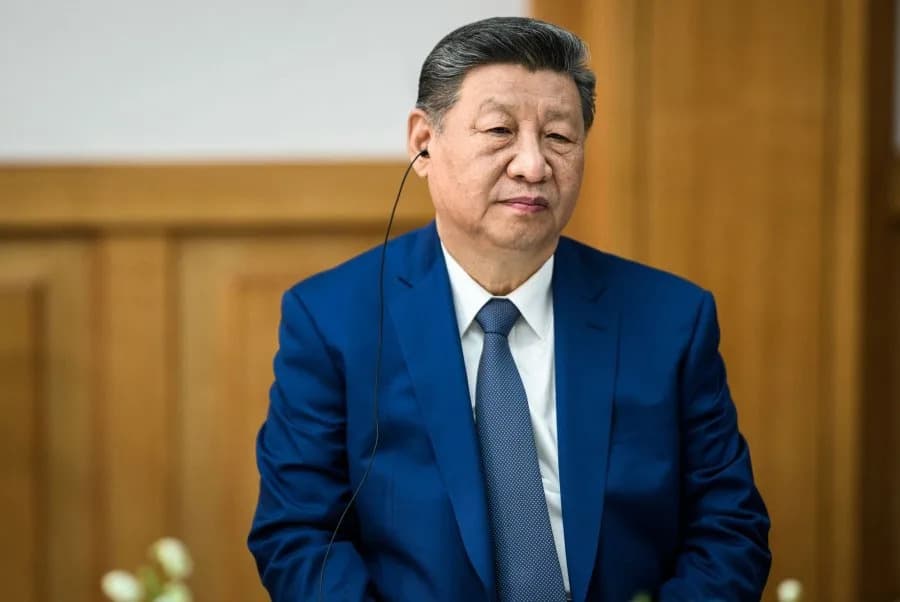
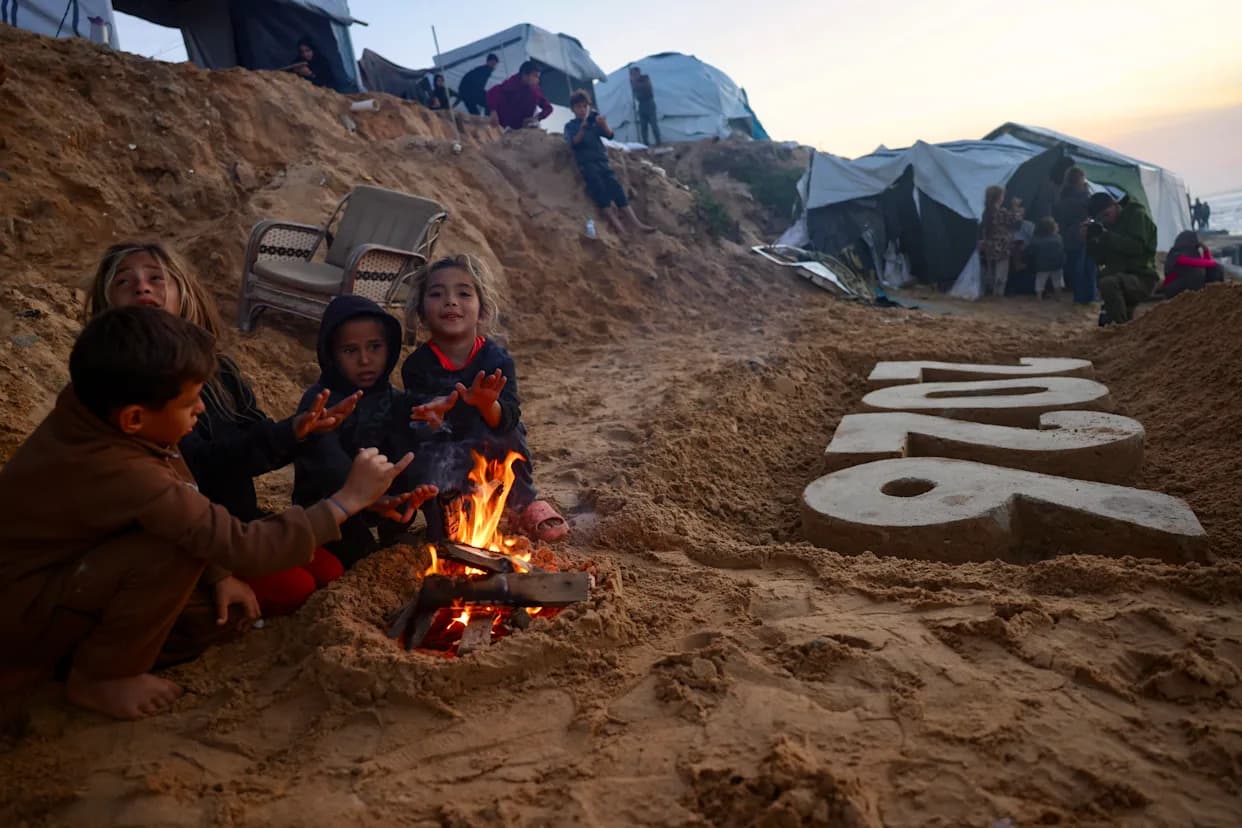
U.S. officials say Ukrainian and Russian representatives will meet next Sunday in Abu Dhabi after two days of inconclusive talks this week. The sessions — the first face-to-face meetings involving all three governments — discussed military and economic issues, territorial control and the status of the Zaporizhzhia nuclear plant. Russia launched a significant aerial attack hours after talks adjourned, highlighting the fragile security situation. Western security guarantees and the presence of foreign monitoring forces remain the primary sticking points.
New Ukraine–Russia Peace Talks Set for Abu Dhabi as Tensions Escalate After Major Airstrike
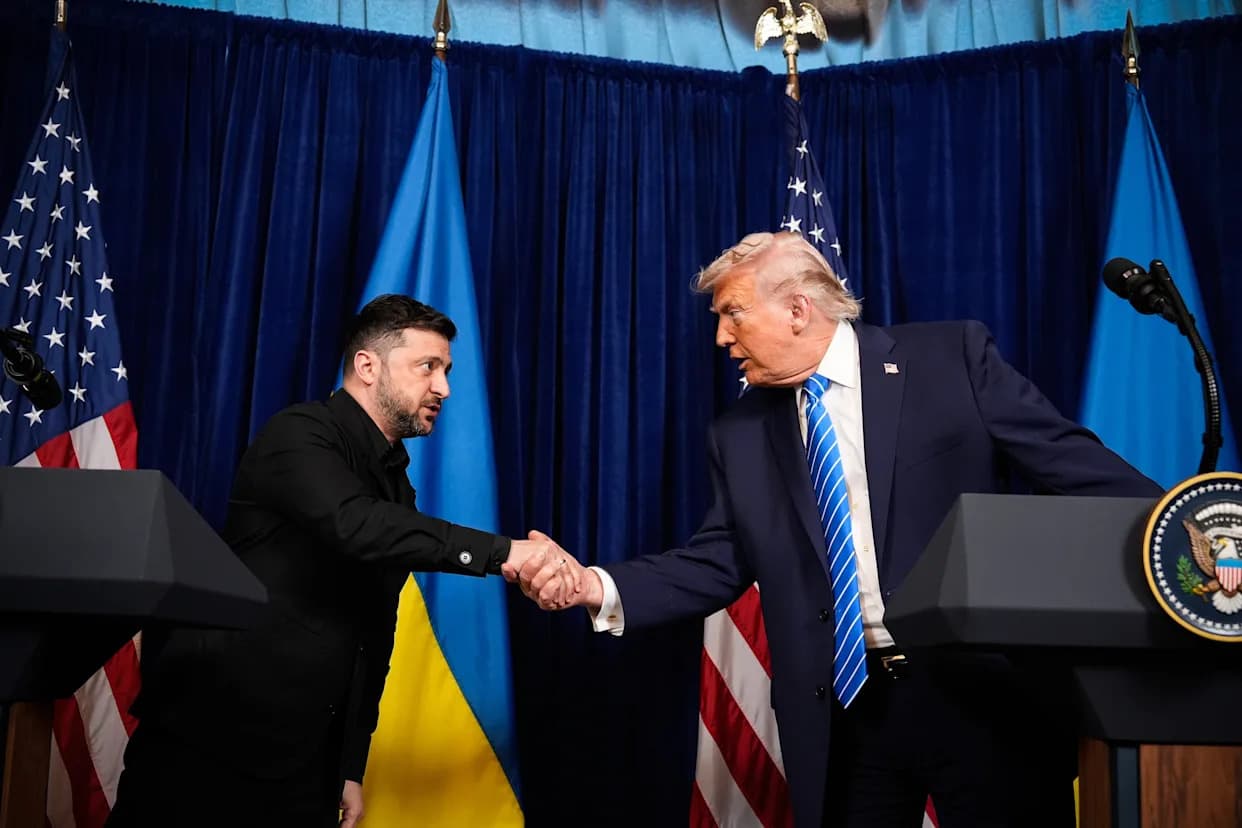
U.S. officials say Ukrainian and Russian representatives are expected to reconvene next Sunday in Abu Dhabi for another round of peace negotiations after two days of inconclusive sessions this week.
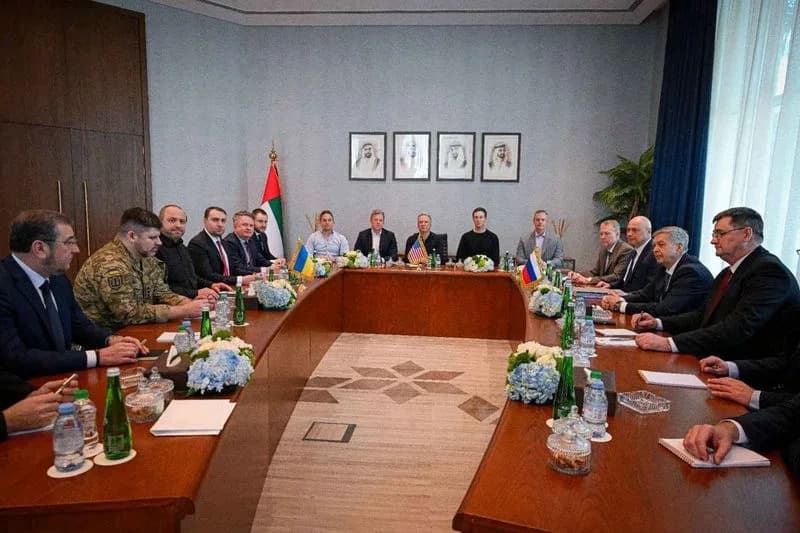
The meetings in Abu Dhabi were the first time officials from all three governments sat face-to-face to try to negotiate a ceasefire. Discussions this week covered military issues, economic incentives and the politically charged question of territorial control — including who would control and benefit from electricity produced by the Zaporizhzhia nuclear power plant, Europe’s largest nuclear facility.
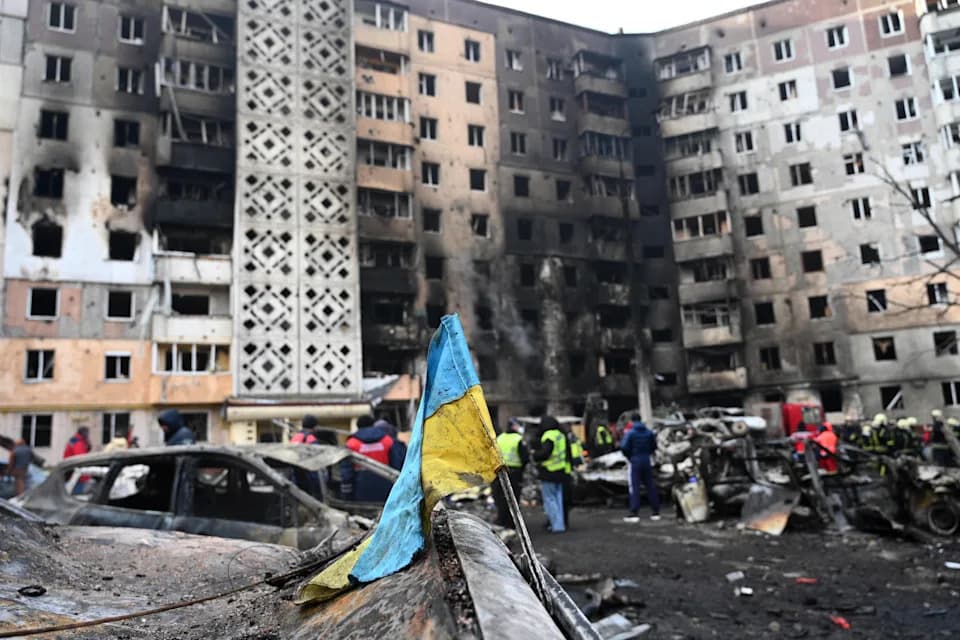
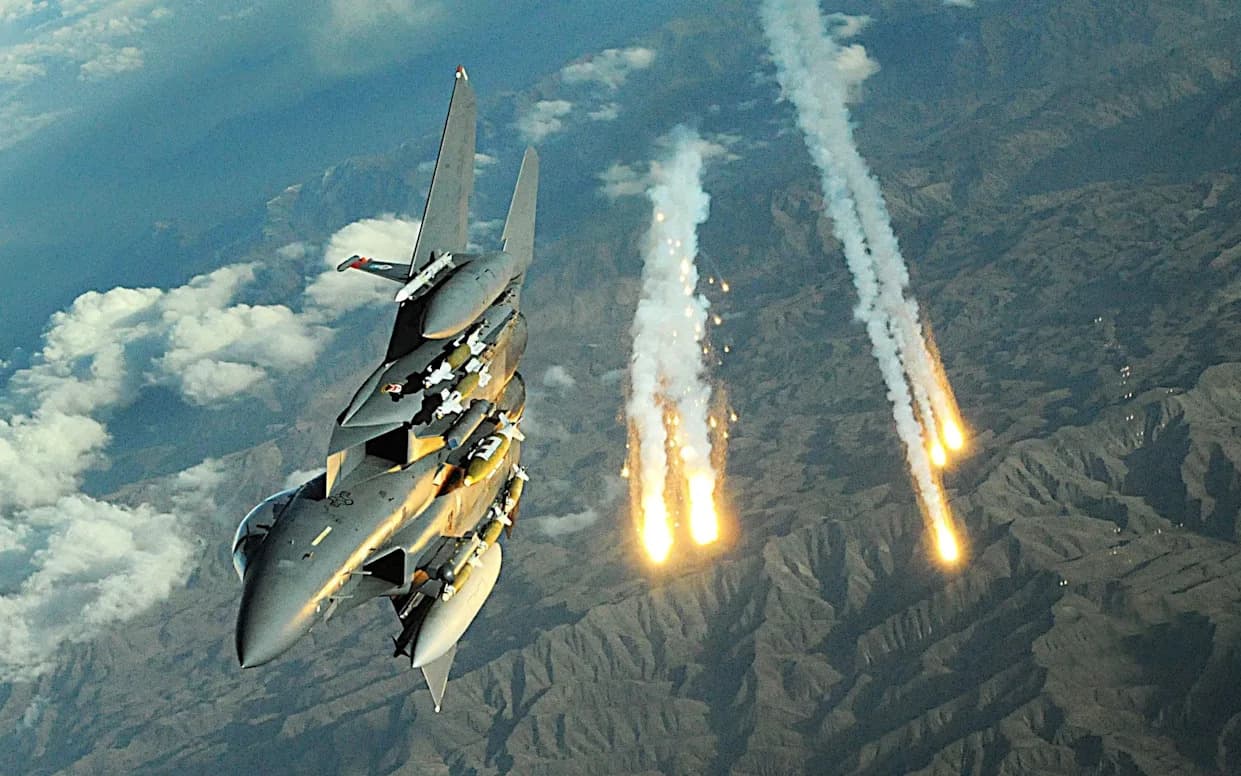
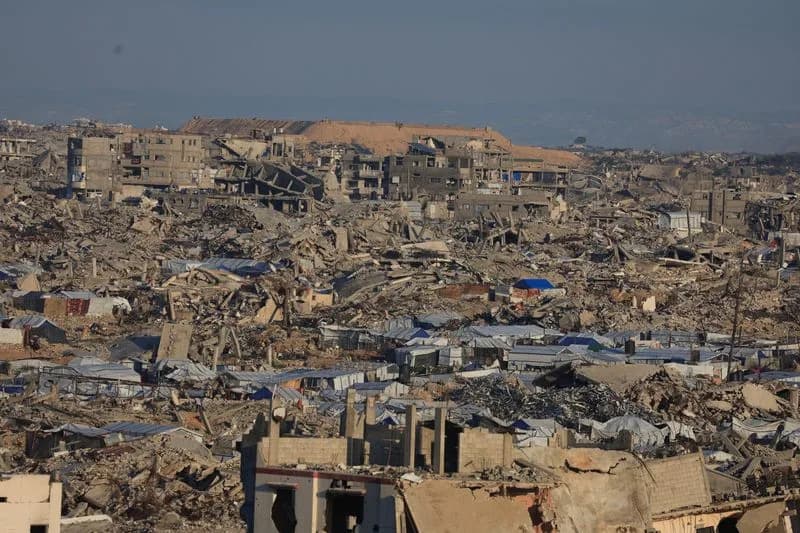
Hours after Friday’s talks adjourned, Russia launched what U.S. officials described as its largest aerial assault on Ukraine so far this year, killing civilians and plunging wide areas into darkness. Attacks on civilian infrastructure have repeatedly accompanied negotiations and have intensified as Ukraine heads into a severe winter.
Who Took Part
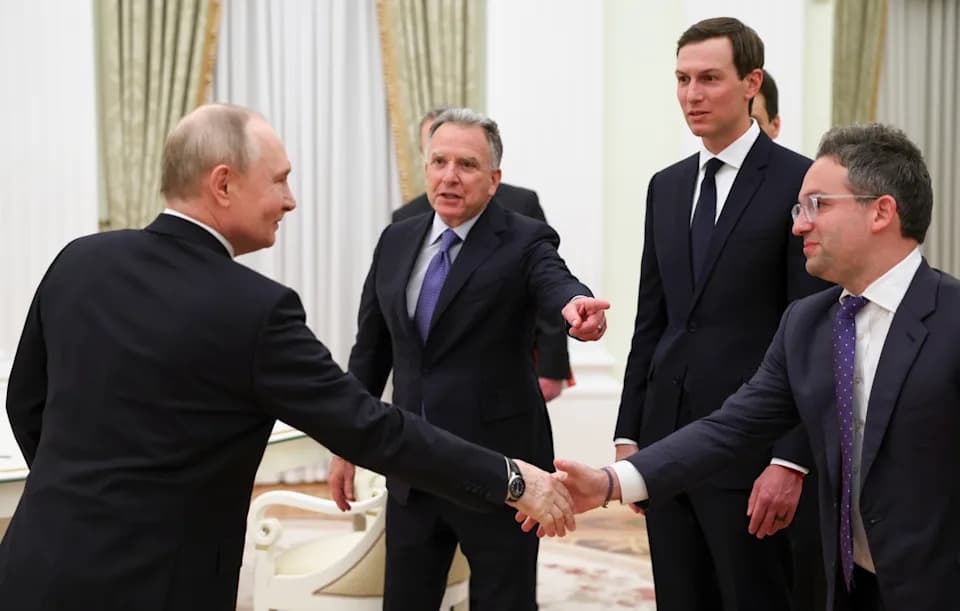
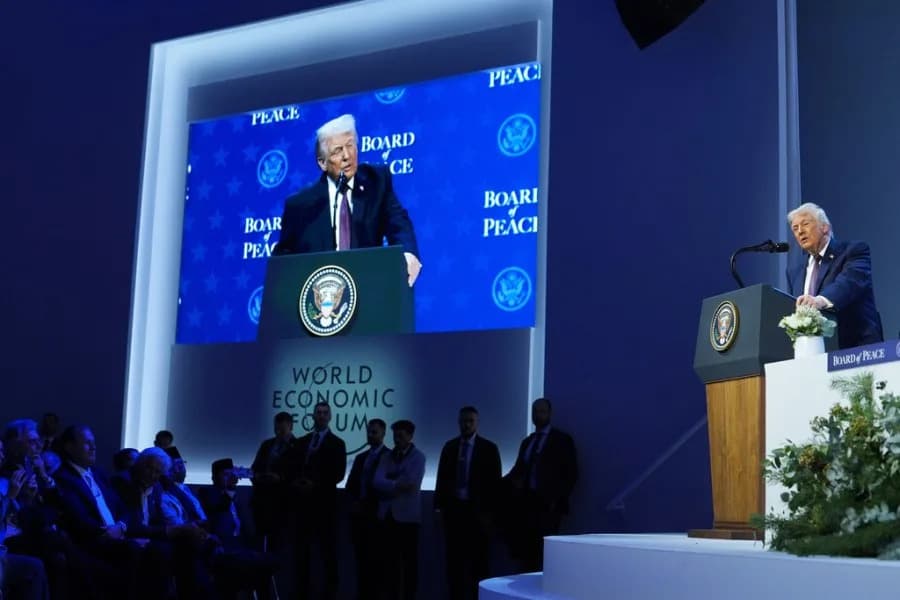
The Abu Dhabi sessions were led by former President Donald Trump’s special envoy Steve Witkoff and his son-in-law Jared Kushner. They met earlier with Ukrainian President Volodymyr Zelenskyy in Switzerland and then with Russian President Vladimir Putin in Moscow before the Abu Dhabi meetings. U.S. attendees also included Army Secretary Dan Driscoll and the head of U.S. European Command and NATO forces, Gen. Alexus Grynkewich. It remains unclear which officials from the three governments will participate in next week’s talks.
Key Sticking Points
Western security guarantees — especially the scale and role of any foreign troop presence to monitor a ceasefire — remain the central impasse. Several European countries, led by France and Germany, have proposed small monitoring forces in Ukraine. The United States, however, has said it will not deploy combat ground troops, preferring to offer satellite and intelligence support, drone flights to monitor the separation line, and logistical assistance.
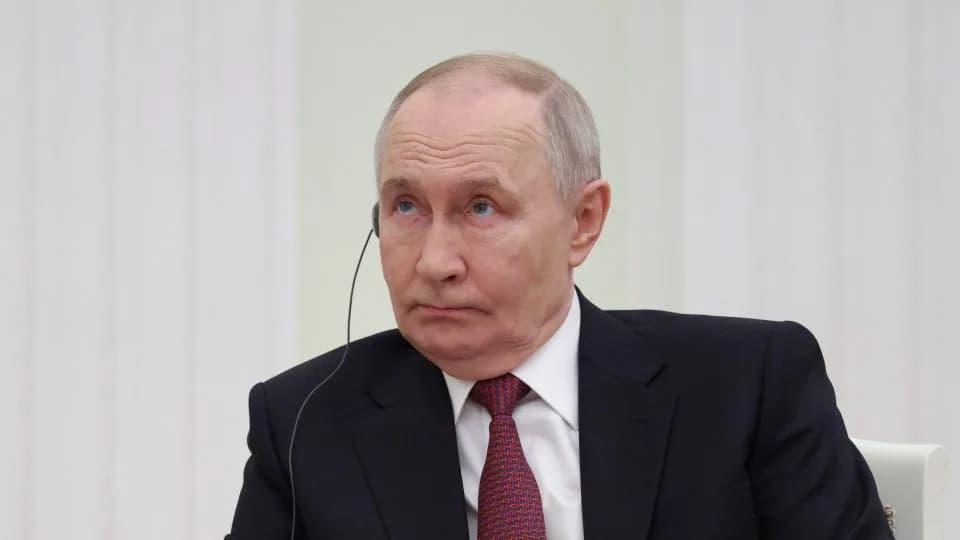
“These talks were about de‑escalation,” one U.S. official said. “President Putin said unequivocally that he wants to see a diplomatic settlement of this deal … and, you know, we want to take him at his word.”
U.S. officials emphasized that, while early European contributions are welcome, many Ukrainians view American security guarantees as the most consequential commitment.
Economics, Reconstruction and Nuclear Safety
Negotiators also discussed economic incentives and reconstruction plans for Ukraine, which could form part of a broader peace and prosperity framework. Control of the Zaporizhzhia plant — currently occupied by Russian forces — emerged as a major technical and symbolic issue, with Moscow proposing shared access to the plant’s electricity output. No agreement was reached.
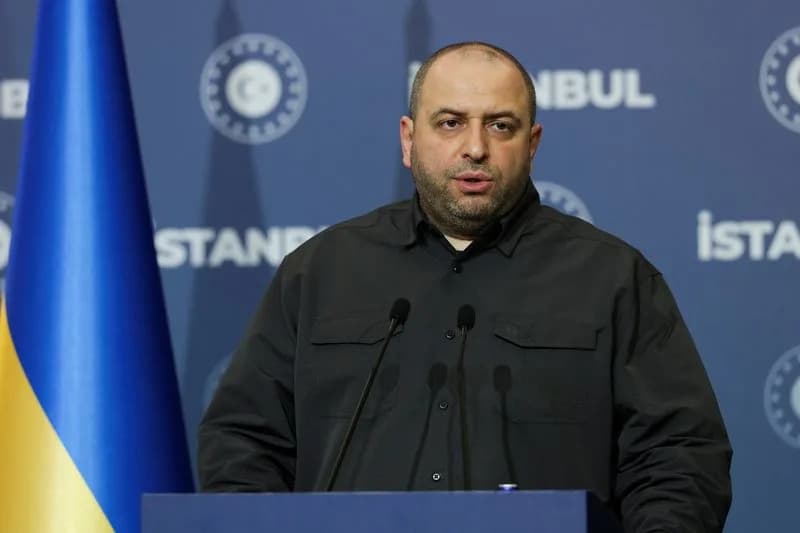
As diplomacy continues, Ukrainian President Volodymyr Zelenskyy expressed frustration with European security responses during a tightly worded speech at the World Economic Forum in Davos, saying Europe still lacks adequate means to defend itself.
The next round of talks in Abu Dhabi will test whether diplomats can convert tentative proposals into concrete, enforceable steps to reduce violence and build trust — even as fighting and attacks on civilian infrastructure continue.
Help us improve.