FEMA will extend temporary housing assistance for Maui wildfire survivors through February 2027 after Hawaii requested more time amid a severe housing shortage. Nearly 1,000 displaced households faced losing federal support in one of the nation's most expensive rental markets. The 2023 fires destroyed about 2,200 structures and killed 102 people, displacing roughly 12,000 people — most of them renters — while officials and nonprofits continue working on longer-term housing solutions.
FEMA Extends Temporary Housing Aid For Maui Wildfire Survivors Through February 2027
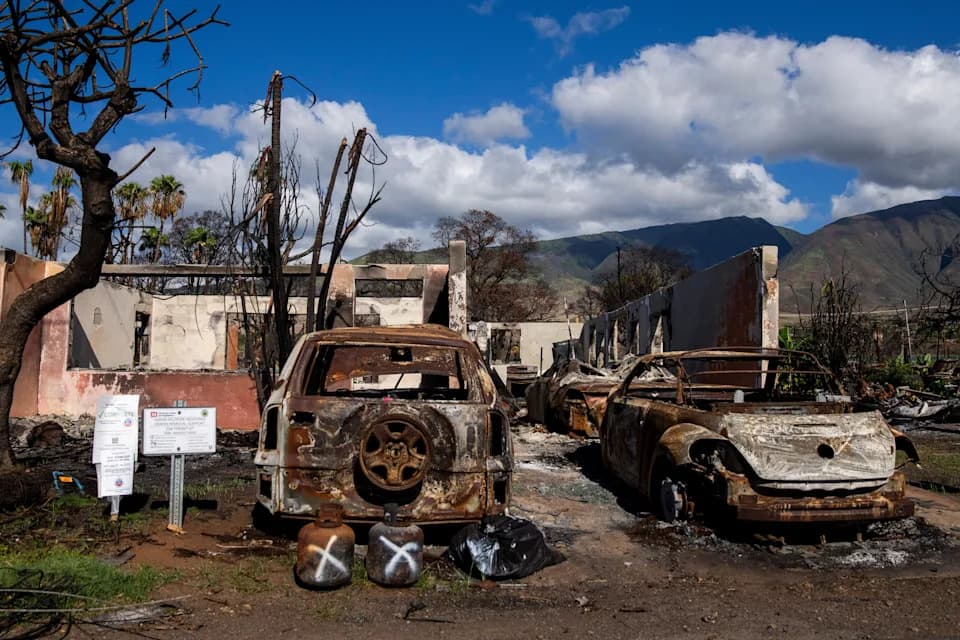
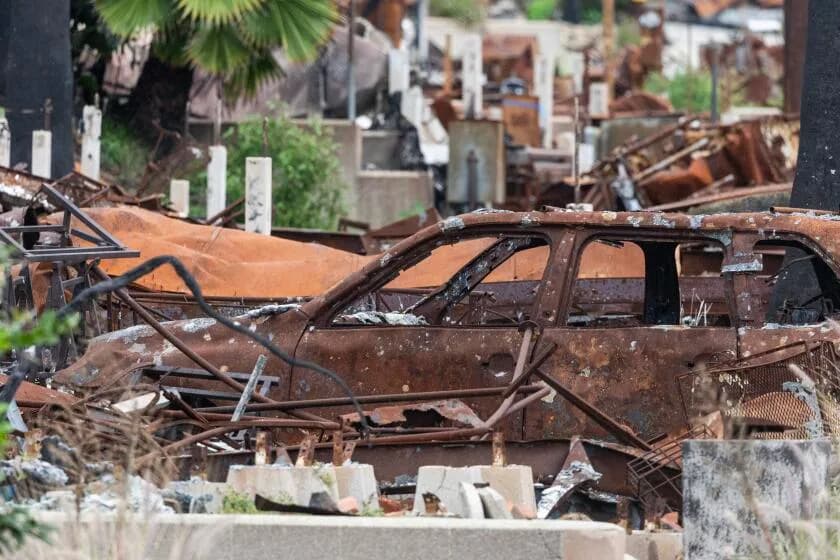
FILE - Burned cars and propane tanks with markings on them sit outside a house destroyed by wildfire, Friday, Dec. 8, 2023, in Lahaina, Hawaii. (AP Photo/Lindsey Wasson, File)(ASSOCIATED PRESS)
HONOLULU (AP) — Federal officials have approved Hawaii's request to extend temporary housing assistance for survivors of the catastrophic 2023 Maui wildfires, Gov. Josh Green said Friday.
The extension keeps crucial housing support in place through February 2027 for nearly 1,000 households that had been anxiously awaiting a decision. The move prevents many families from suddenly losing federal help in one of the nation's tightest and most expensive rental markets.
How the extension was approved: Hawaii’s request to continue Federal Emergency Management Agency (FEMA) temporary housing assistance was approved by the Department of Homeland Security, Gov. Green said in a news release. FEMA did not immediately respond to requests seeking confirmation of the extension.
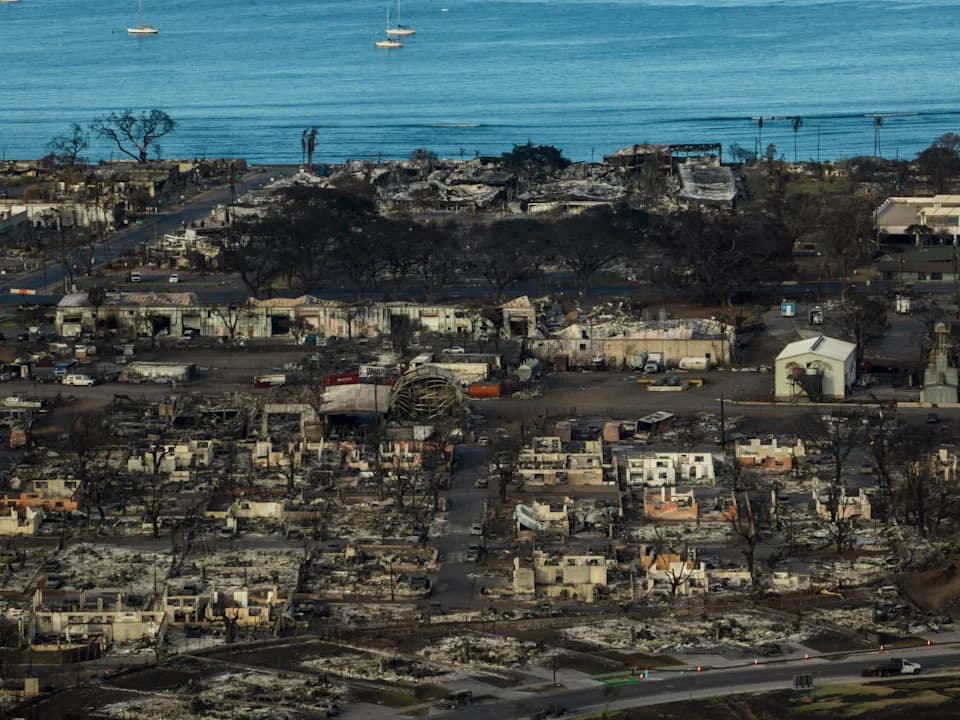
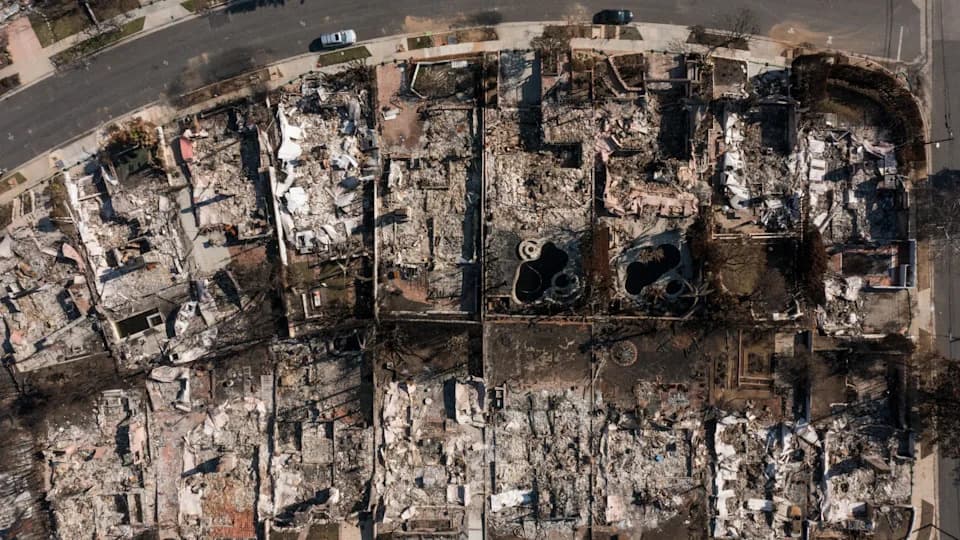
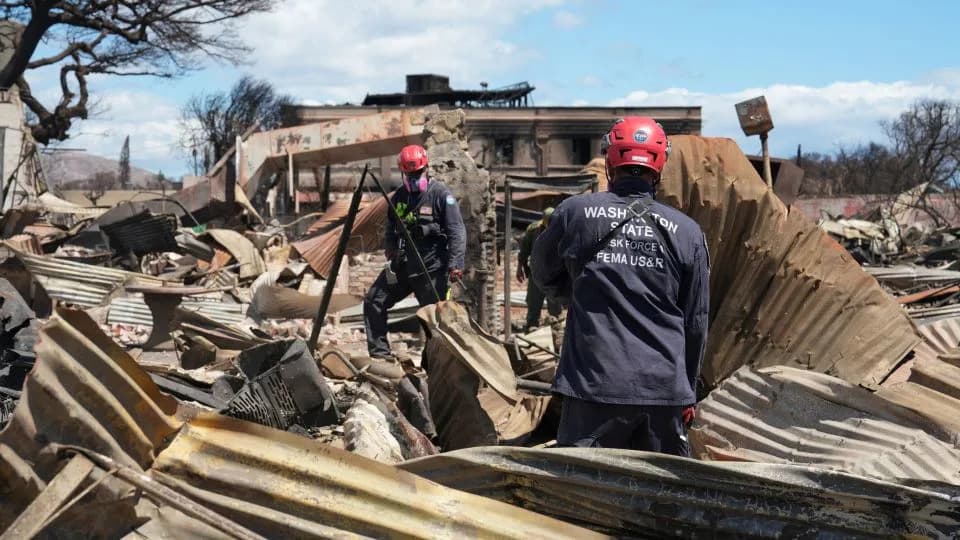
Human toll and scope: The fires that swept Lahaina and Kula in Maui’s upcountry destroyed about 2,200 structures and killed 102 people. Then-President Joe Biden declared a major disaster after the blaze, unlocking FEMA aid to help roughly 12,000 displaced people — about 89% of whom were renters when the fires occurred. The administration had earlier extended an 18-month assistance program until February 2026.
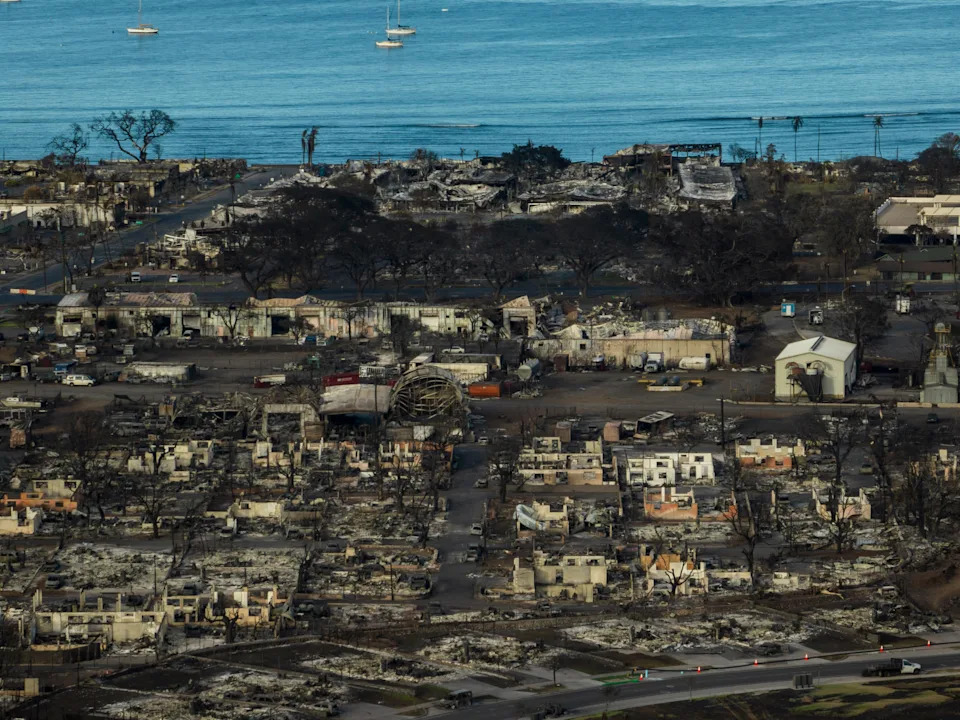
FILE - A general view of the aftermath of a wildfire in Lahaina on the Hawaiian island of Maui, Thursday, Aug. 17, 2023. (AP Photo/Jae C. Hong, File)(ASSOCIATED PRESS)
With few homes rebuilt and rental inventory nearly exhausted, the state submitted another extension request in May. “Recovery doesn’t follow an artificial deadline, and I appreciate the administration for recognizing the reality families are still facing on the ground here in Hawai‘i,” Green said.
“It lifted a weight I did not even realize I was carrying, and I know many other families were carrying that same weight too,” said Kukui Keahi, a Lahaina fire survivor and associate director of Kako‘o Maui Programs at the nonprofit Hawaiian Council, after learning of the extension.
FEMA, the state, county governments and nonprofits scrambled to house the displaced. In the initial weeks after the fires, agencies and the Red Cross placed about 8,000 residents in hotels and other short-term shelters. FEMA then began transitioning families into longer-term options: direct rent assistance, temporary shelters on burned parcels and thousands of units leased by FEMA and rented back to survivors.
Some survivors and advocates criticized burdensome eligibility rules and the need for multiple moves as earlier temporary placements ended. Steven Hew, a 52-year-old restaurant cashier whose multigenerational family home in Lahaina was destroyed, said he had not heard about the approval until contacted by The Associated Press. He described feeling "shaking" upon learning the aid would continue and said he plans to save over the next year to secure housing on his own.
Why the extension matters: Maui’s island geography, limited housing stock and distance from the U.S. mainland have made relocation and rebuilding especially difficult. Officials and community groups say extending FEMA support provides stability as longer-term housing and rebuilding efforts continue.
Aoun Angueira reported from San Diego, California.
Help us improve.