The Dec. 23 internal FEMA memo launched a workforce planning exercise that, in draft form, targeted cutting more than 50% of agency jobs — roughly 11,500 positions — by the next fiscal year, though FEMA and DHS say the 50% figure was not approved and may be an error. The draft proposed reducing permanent staff by 15%, disaster response personnel by 41% and surge teams by 85%, stoking concerns about federal disaster readiness. Officials note FEMA was already understaffed per a 2023 GAO report and that abrupt cuts or nonrenewals have unsettled agency employees and state emergency managers.
Internal FEMA Memo Envisioned Cutting Over Half of Workforce, Raising Alarms About Disaster Readiness
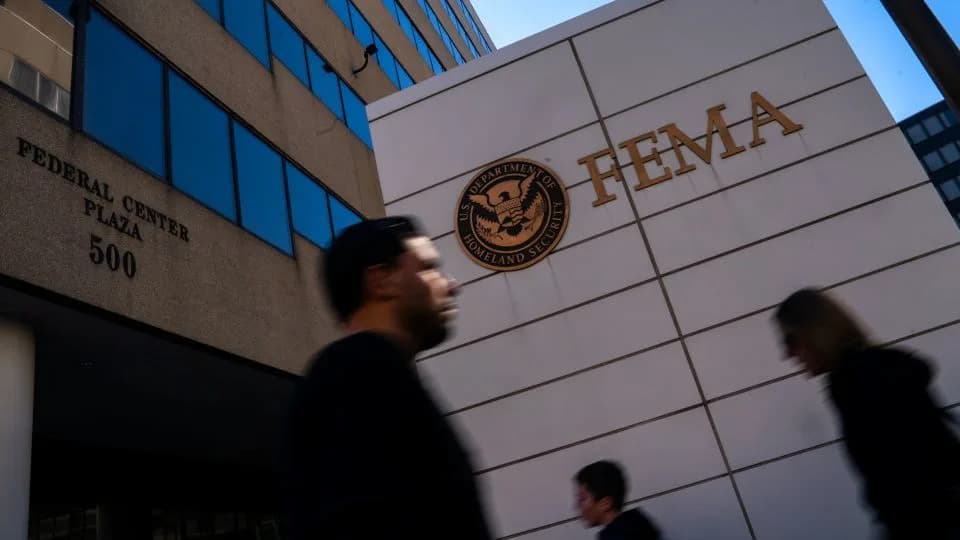
The Federal Emergency Management Agency Headquarters, in Washington is photographed in Washington, DC, on October 8, 2024, in Washington, DC. - Kent Nishimura/Getty Images
Senior leaders at the Federal Emergency Management Agency were instructed to begin a "workforce capacity planning exercise" on Dec. 23, according to an internal memo circulated to top FEMA officials. The message asked managers to identify which roles are essential to keep FEMA operating and which positions could be eliminated.
An attached spreadsheet in the draft planning document set a target that would amount to cutting more than 50% of FEMA's staff — roughly 11,500 positions — by the start of the next fiscal year in October. The memo emphasized the exercise was for planning purposes and that no final decisions had been made.
A FEMA spokesperson later told CNN that neither the White House nor the Department of Homeland Security (DHS) had approved cuts on that scale and that the 50% figure "appeared to have been included in error." "Any numerical assumptions reflected in that draft were not approved, were not adopted, and do not represent FEMA policy or leadership direction," the spokesperson said.
Draft Plan Details and Internal Reaction
Despite the spokesperson's clarification, multiple current FEMA officials who spoke on the condition of anonymity said administration discussions about significant workforce reductions in 2026 have unsettled staff. The draft plan attached to the Dec. 23 email proposed specific reductions: a 15% cut to permanent full-time staff, a 41% reduction in disaster response personnel, and an 85% cut to the surge workforce — teams deployed to respond quickly after major disasters.
"Imagine trying to plan for a catastrophic situation and being told you may or may not have 50 percent of your staff available," a longtime FEMA official said. "What kind of confidence does that inspire at any level?"
Last week, CNN reported that dozens of FEMA workers whose contracts were due to expire in early January were abruptly told they would not be renewed, leaving many employees blindsided and heightening worry about further nonrenewals and broader reductions in 2026. DHS described those early-January nonrenewals as a "routine staff adjustment."
Broader Context And Potential Consequences
The proposed reductions mirror recommendations from the FEMA Review Council, a 2025 task force established by President Trump to advise on agency overhaul; a draft of that council's final report also recommended halving FEMA's workforce and relocating many positions from Washington, D.C., to regional offices. After media reports on the draft recommendations, the White House postponed the council's final meeting, which has not yet been rescheduled.
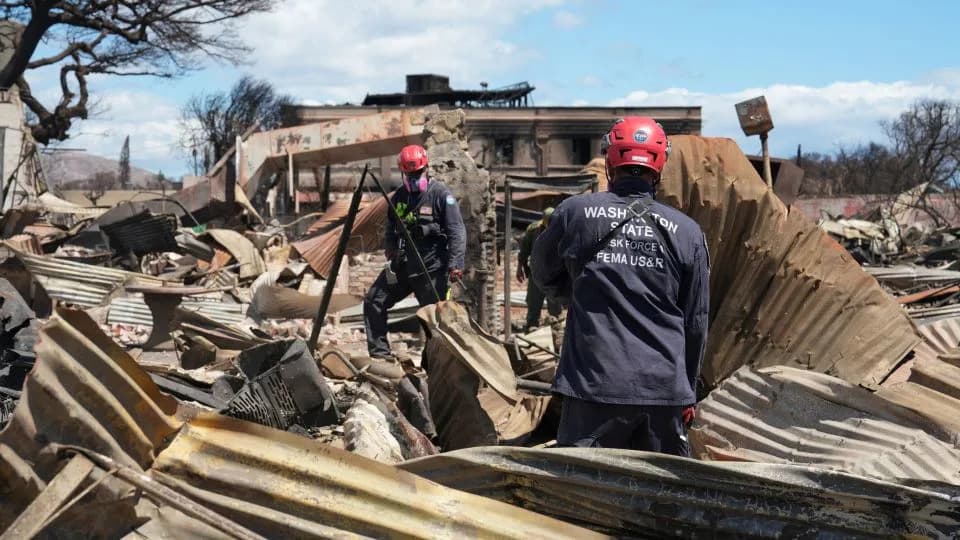
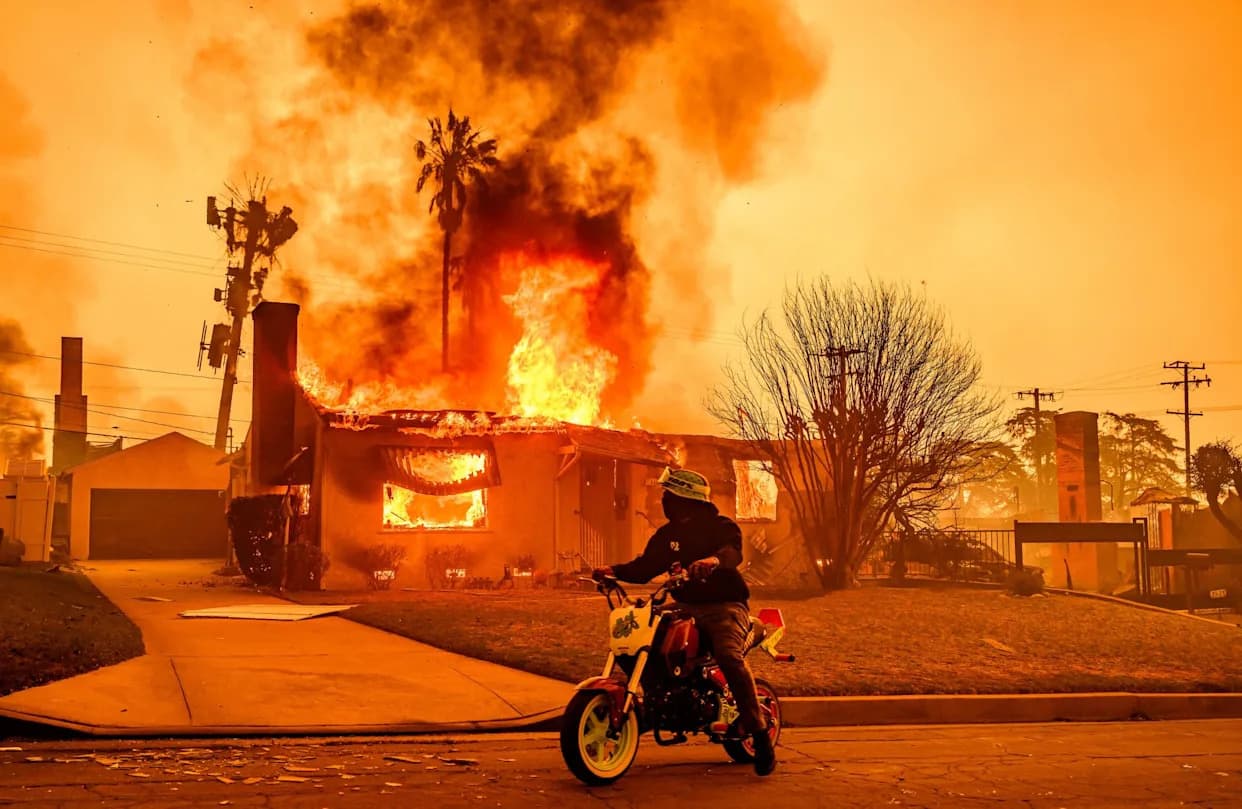
FEMA leaders warn that a dramatic downsizing could significantly reduce the number of federal responders available when disasters strike. A 2023 Government Accountability Office report found FEMA was already short more than 6,000 employees, and the agency lost thousands more in 2025 through layoffs and buyouts. Officials and emergency managers across states say most states lack the capacity to manage major disasters on their own and that federal aid — already delayed in FEMA's backlog by new administrative processes — is critical to local recovery.
As the Trump administration pursues an initiative to slim down FEMA and shift more responsibility to states, agency staff and state emergency managers caution that abrupt or large-scale staffing reductions could weaken national disaster response capability and increase strain on state and local governments.
Help us improve.