The DHS spending fight has intensified as a short-term funding measure nears expiration and Congress continues negotiating the 12 appropriations bills. An ICE-related shooting in Minneapolis prompted House leaders to delay the Homeland Security bill, amplifying calls from progressives to withhold ICE funding unless major reforms are adopted. Democrats must weigh whether to force a fight—risking a stopgap or partial shutdown—or accept a continuing resolution that could give DHS greater discretion. Progressives want enforceable limits on ICE tactics, while many Republicans favor bolstering enforcement budgets.
Democrats Should Use Funding Leverage To Rein In ICE, Progressives Argue

Congressional Democrats need to bring a knife to an ICE fight
With the short-term funding measure that keeps the federal government operating set to expire at the end of the month, the Department of Homeland Security (DHS) has become the focal point of a high-stakes appropriations fight. Lawmakers are negotiating the 12 regular appropriations bills, and while eight have passed at least one chamber, four of the remaining measures—among them DHS—are politically charged and account for the lion’s share of federal agency funding.
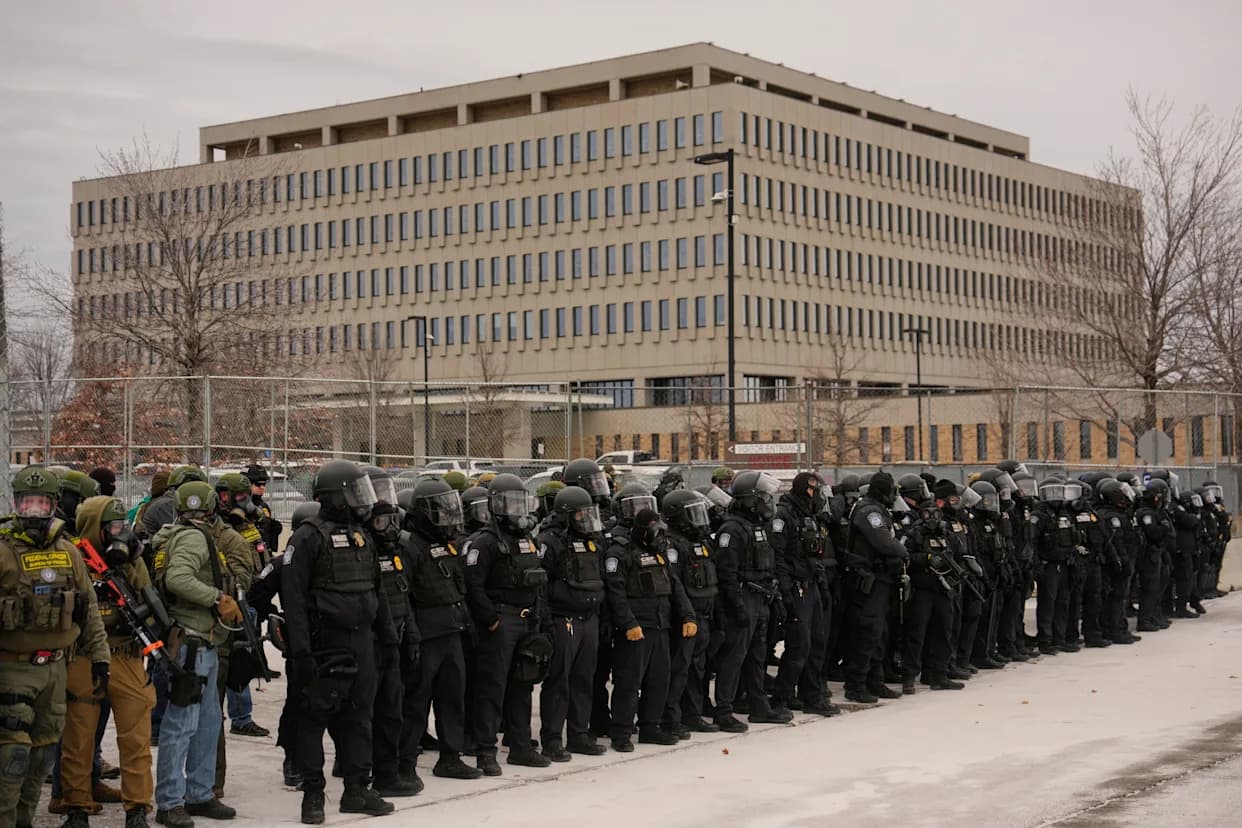
House Republicans had planned to advance the Homeland Security bill this week, but an ICE-related shooting in Minneapolis reignited criticism of aggressive deportation efforts and prompted Speaker Mike Johnson, R-La., to delay consideration of the DHS package rather than risk holding up the broader appropriations process.
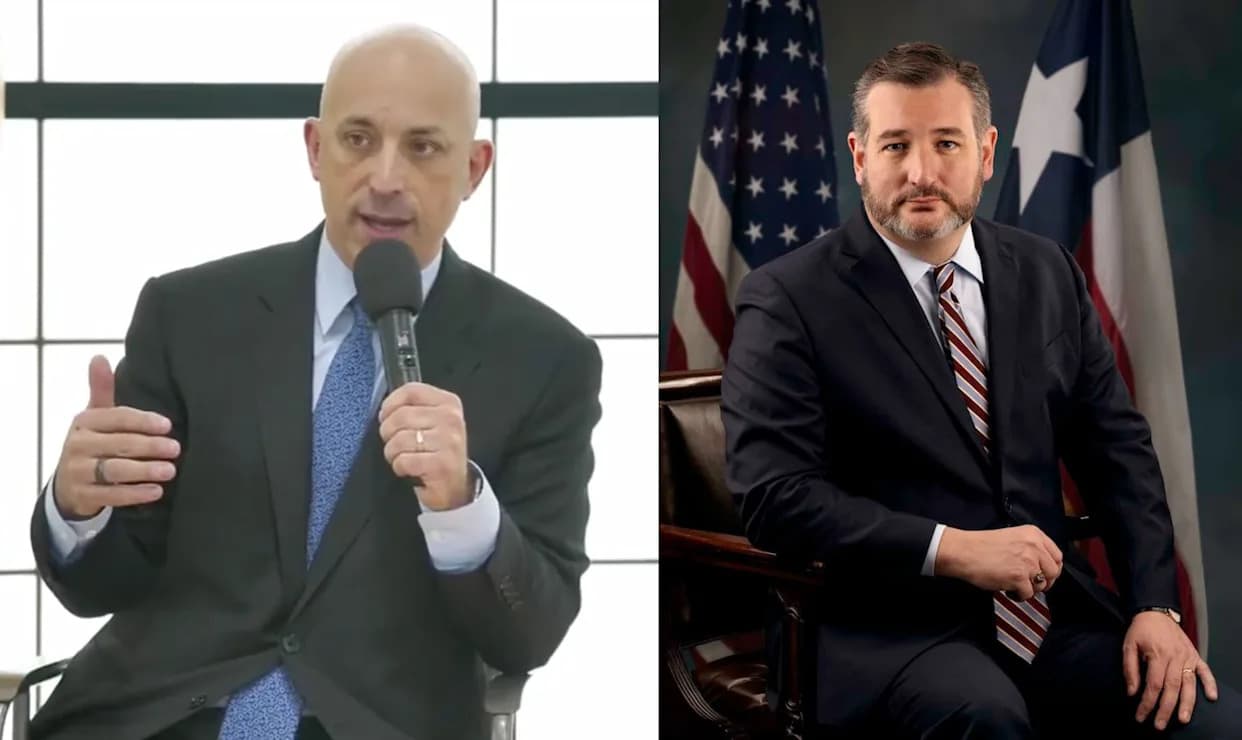
"Right now, there’s no bipartisan path forward for the Department of Homeland Security," House Minority Leader Hakeem Jeffries, D-N.Y., told reporters.
Technically, the House can move a bill without bipartisan support, but Senate action faces the filibuster. That means any final appropriations measure will require at least some Democratic votes in the Senate to advance.
The Congressional Progressive Caucus has staked out a hard line: no funding for Immigration and Customs Enforcement (ICE) without substantial reforms. As reported by The Guardian and other outlets, proposed conditions include bans on agents wearing masks during operations, requirements that ICE obtain warrants for arrests in most cases, and an end to the use of private detention facilities, which critics say subject detainees to substandard conditions.
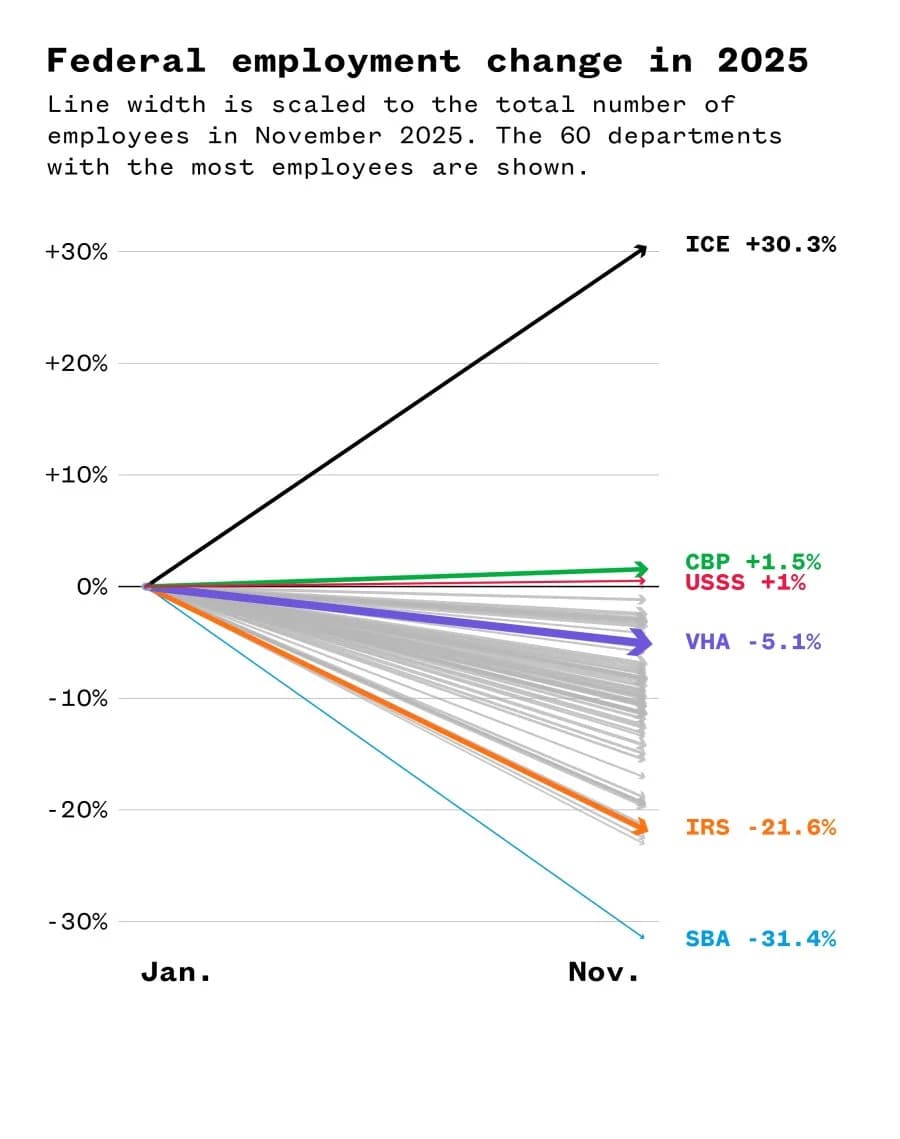
Those reforms stop short of calls to abolish ICE, yet they remain unacceptable to many Republicans. Some GOP lawmakers have pushed to increase ICE’s regular appropriations beyond roughly $10 billion—a figure from last year’s normal budgeting process—and that would be on top of tens of billions allocated in ad hoc or emergency measures used to expand deportation operations.
NBC News and other outlets have reported that House Republicans have a fallback: a continuing resolution (CR) that would keep DHS funded temporarily. That option complicates Democrats’ choices. If Republicans pass a stopgap measure on their own, Senate Democrats would need to decide whether to accept a CR that preserves the status quo or to press for a fight that risks a partial shutdown.
One Democratic aide, speaking on condition of anonymity, warned that a DHS-specific stopgap could include fewer guardrails and grant the department more discretion to reprogram funds—potentially allowing leadership to pursue enforcement priorities with less congressional oversight.
Lawmakers are also cautious because DHS is a post-9/11 patchwork of agencies with diverse missions. A funding lapse could affect not only ICE but also the Transportation Security Administration (TSA), the Federal Emergency Management Agency (FEMA), and the Coast Guard. During prior funding crises, law enforcement functions were sometimes prioritized for pay, while other essential workers still faced unpaid furloughs—an outcome that can produce long lines at airports and strain emergency-response capacity.
The optics are politically sensitive: sustained deportation operations amid widespread airport delays would create a difficult narrative for swing-district Democrats. Still, ICE remains unpopular with many voters, and progressives argue that using appropriations to place enforceable limits on the agency is both morally defensible and politically viable.
What Democrats Should Do
The House Democratic caucus should seriously consider standing with progressives to withhold support from any DHS funding bill that fails to include meaningful limits on ICE’s tactics and use of detention. In the Senate, Democrats—who hold crucial leverage under filibuster rules—should press for the maximum feasible set of binding restrictions that would limit executive discretion over immigration enforcement funding. Republicans may block some reforms, but Democrats should not cede leverage that can translate into concrete protections and oversight.
This piece originally appeared on MS NOW.
Help us improve.