The first trilateral Ukraine–Russia–US talks in Abu Dhabi concluded after two days and were described by Kyiv as "constructive." Discussions centered on potential parameters to end the war, security guarantees and mechanisms such as buffer zones, while territory — notably the Donbas — remained a major sticking point. All parties agreed to report to their capitals and reconvene, with a follow-up round due next Sunday. Between sessions, Russia launched a large overnight attack — reportedly more than 370 drones and 21 missiles — causing civilian casualties and heavy damage to energy infrastructure.
Ukraine Calls First Trilateral Talks With Russia and US “Constructive” as Abu Dhabi Sessions Conclude
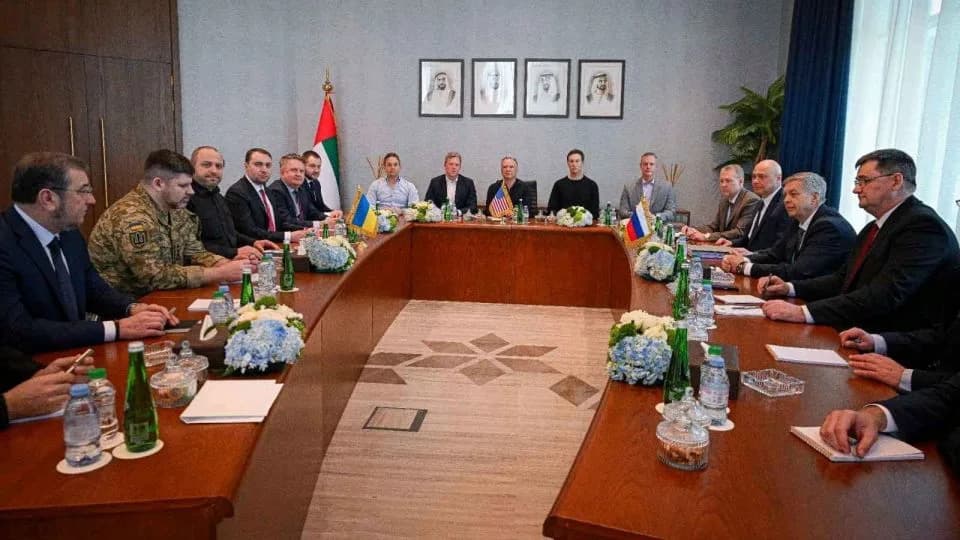
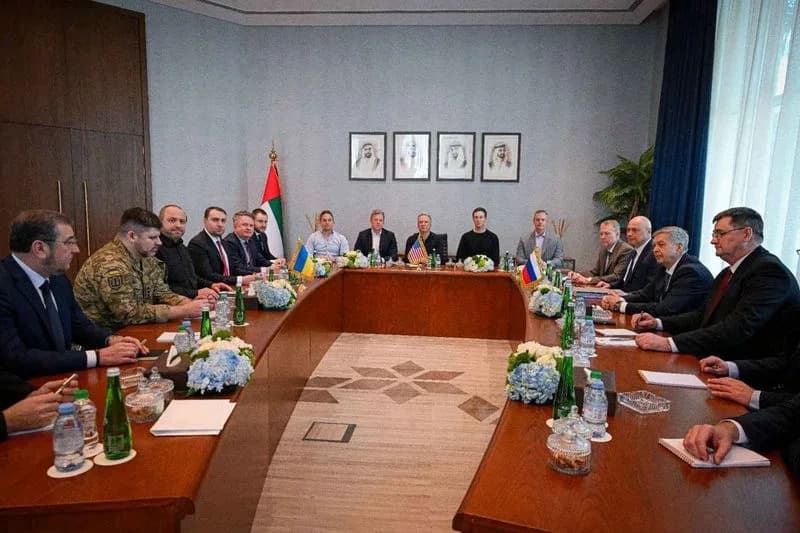
Members of the delegations from the United States, Ukraine and Russia participating in the UAE-hosted trilateral talks in Abu Dhabi on January 24, 2026. - UAE Government/Handout/Reuters
The first-ever trilateral talks between Ukraine, Russia and the United States — aimed at defining parameters to end the war in Ukraine — concluded after two days of discussions in Abu Dhabi on Saturday. Ukrainian officials described the meetings as "constructive," and delegates from all three countries met together for the first time since Russia launched its full-scale invasion in 2022.
What Happened
Ukrainian President Volodymyr Zelensky said that "a lot was discussed, and it is important that the conversations were constructive," and added that follow-up meetings could take place as soon as next week. According to Zelensky, the talks focused on potential parameters for ending the fighting and the security conditions required to implement them. All sides agreed to report back to their capitals and coordinate next steps with their leaders.

A police vehicle drives along a dark street during a power outage a few hours after an air attack began in central Kyiv, Ukraine, on January 24. - Sergei Gapon/AFP/Getty Images
US officials said the next round of talks is scheduled to begin next Sunday, again in Abu Dhabi.
Positions And Proposals
Russia told state media it seeks a plan that aligns with "the fundamental understandings" reached by President Vladimir Putin and former US President Donald Trump during their summit in Alaska last year, according to Russian Deputy Foreign Minister Sergei Ryabkov. TASS reported that discussions included possible buffer zones and control mechanisms, while territory remained the most contentious issue.
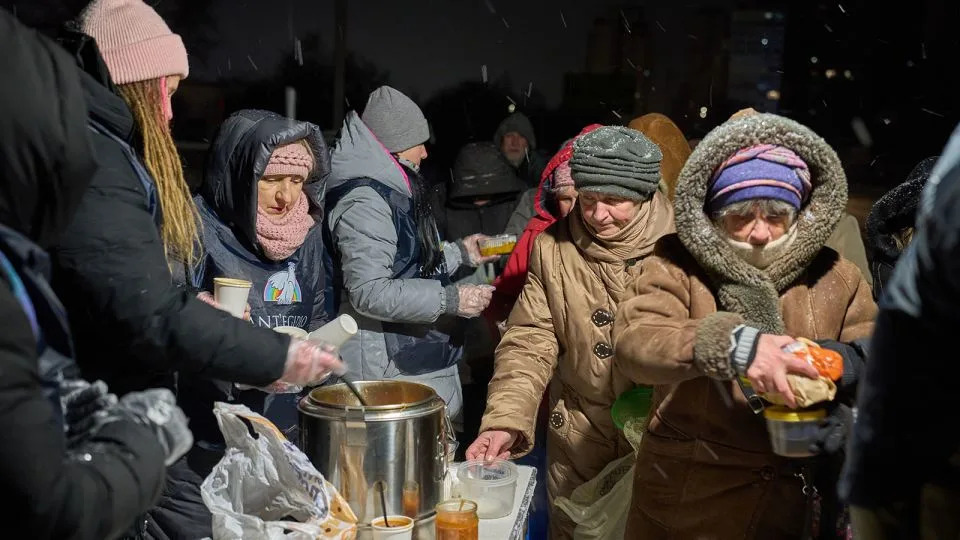
Saint'Egidio Christian community volunteers give out free hot meals to elderly people in Kyiv, Ukraine, on January 23. - Efrem Lukatsky/AP
Ukraine has repeatedly rejected Russia’s demand that Kyiv withdraw from the Donbas — the coal-rich Donetsk and Luhansk regions that were central to earlier phases of the conflict and contain critical industrial lines and logistics infrastructure. Ukrainian officials stressed that losing those fortified lines would imperil Ukraine’s defense in the east.
Who Attended
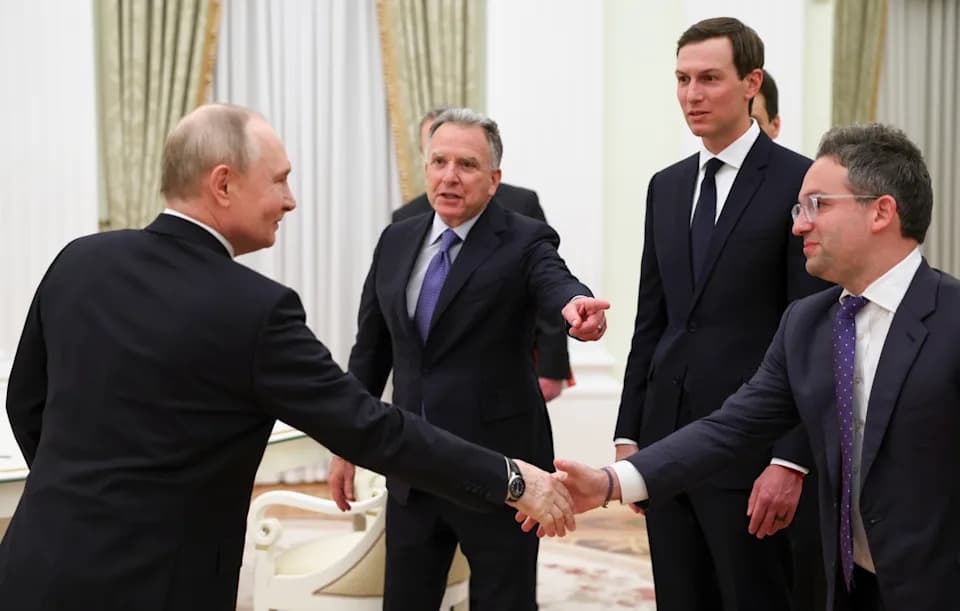
Russia sent senior military and intelligence officials. Ukraine’s delegation included top diplomats and security officials. The US team included President Trump’s envoy Steve Witkoff, Jared Kushner and White House adviser Josh Gruenbaum. US officials also said Witkoff and Kushner previously met President Putin in Russia for a separate, multi-hour discussion that Washington described as "very, very productive."
Violence Between Sessions
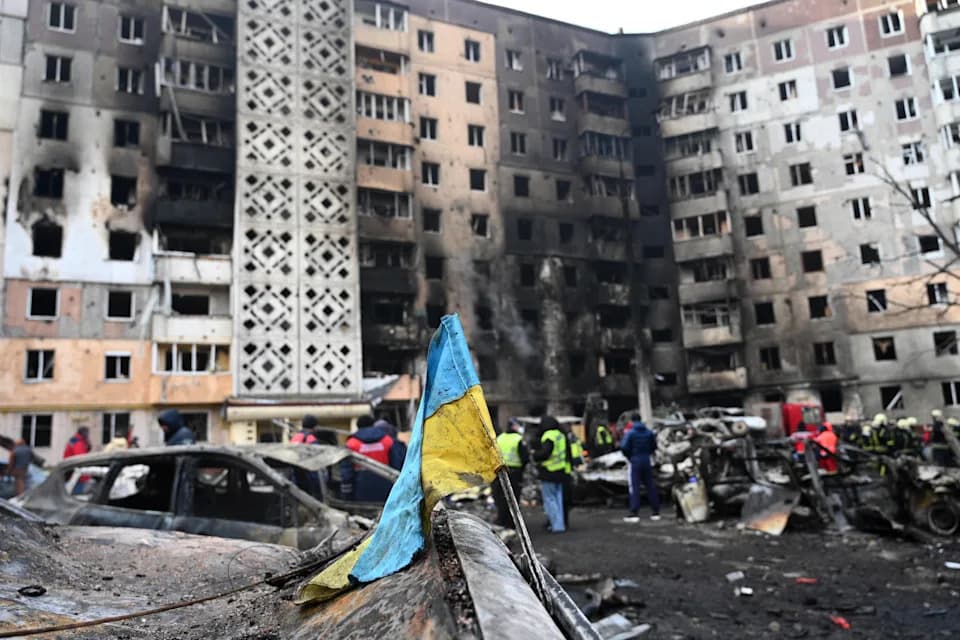
Between the two rounds of talks, Ukraine reported a major overnight attack. President Zelensky said Russia launched more than 370 drones and 21 missiles, striking Kyiv, Kharkiv, Sumy, Chernihiv and other targets. Kyiv Mayor Vitali Klitschko reported at least one person killed and four wounded in the capital; falling debris damaged buildings and disrupted heating and water supply to thousands of apartments during subzero temperatures. Kharkiv authorities said strikes hit a maternity hospital and a dormitory for displaced people, wounding at least 19, including a child.
Host And Observers
A UAE government spokesperson described the meetings as held in a "positive and constructive atmosphere," saying Ukrainian and Russian representatives engaged directly on elements of a US-proposed peace framework and commending efforts to facilitate the talks.
Bottom Line: The Abu Dhabi sessions opened a direct diplomatic channel among Kyiv, Moscow and Washington and produced an agreement to continue negotiations quickly, but core differences — especially over territory in the Donbas — remain unresolved amid ongoing military strikes.
Help us improve.