The Department of Homeland Security reinstated a seven-day notice rule for congressional visits to ICE detention centers via a Jan. 8 memo signed by Secretary Kristi Noem. The directive, which requires Noem’s approval for exemptions, was filed after a December court injunction blocked an identical policy under appropriations law. Noem ties the rule to funds from the One Big Beautiful Bill Act, which the memo cites as providing roughly $75 billion for ICE. Critics say the move weakens oversight; DHS says it is needed for safety and operational stability.
DHS Reimposes Seven-Day Notice For Congressional Visits To ICE Facilities
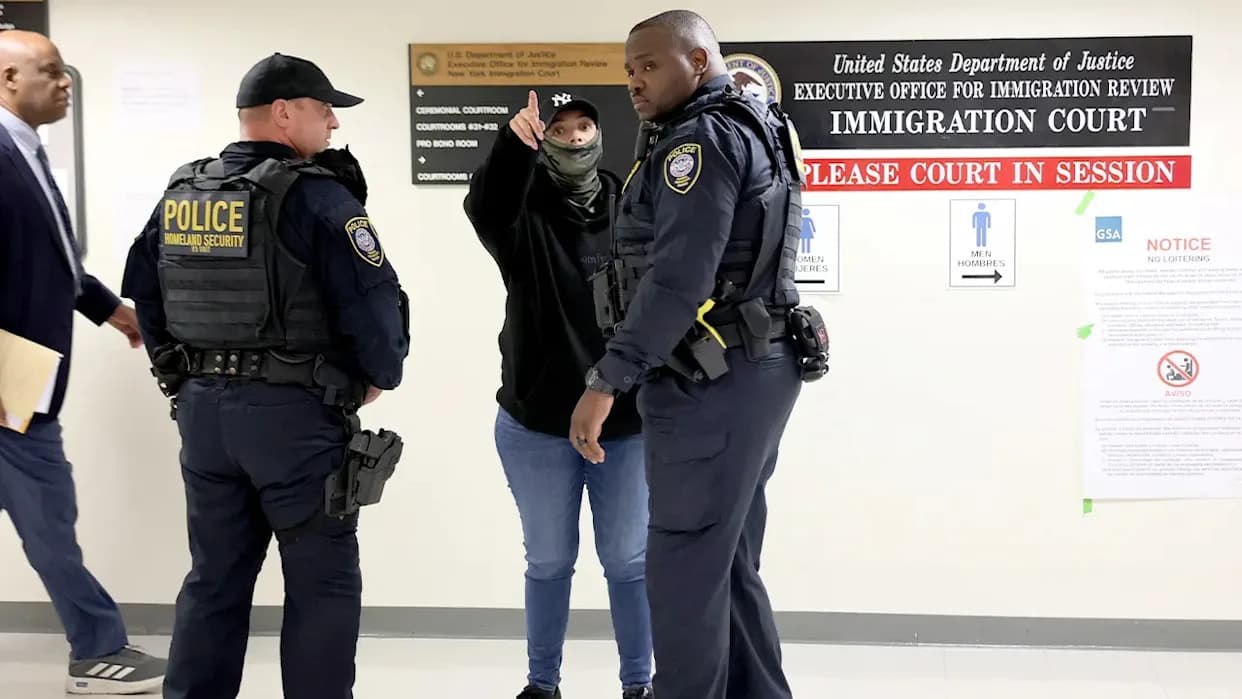
The Department of Homeland Security has reinstated a policy requiring members of Congress to provide at least seven days' advance notice before visiting Immigration and Customs Enforcement (ICE) detention facilities, filing a Jan. 8 memo in federal court that aims to sidestep a December injunction.
The memo, signed by Homeland Security Secretary Kristi Noem, directs that lawmakers schedule visits seven days in advance and states any exemptions must be personally approved by Noem. DHS filed the directive in federal court after a judge in Washington, D.C., blocked an identical policy in December, citing appropriations language that bars DHS from using funds to prevent congressional oversight or to require prior notice for inspections.
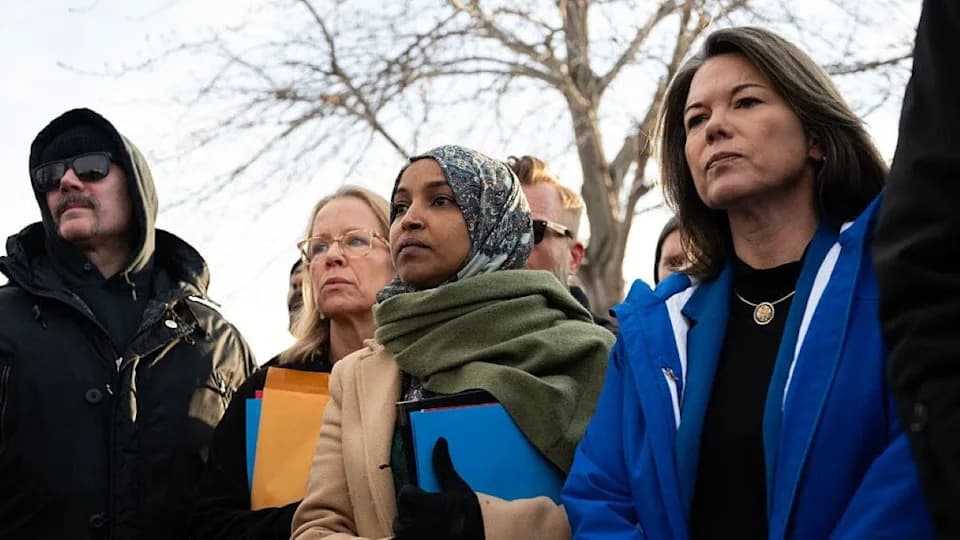
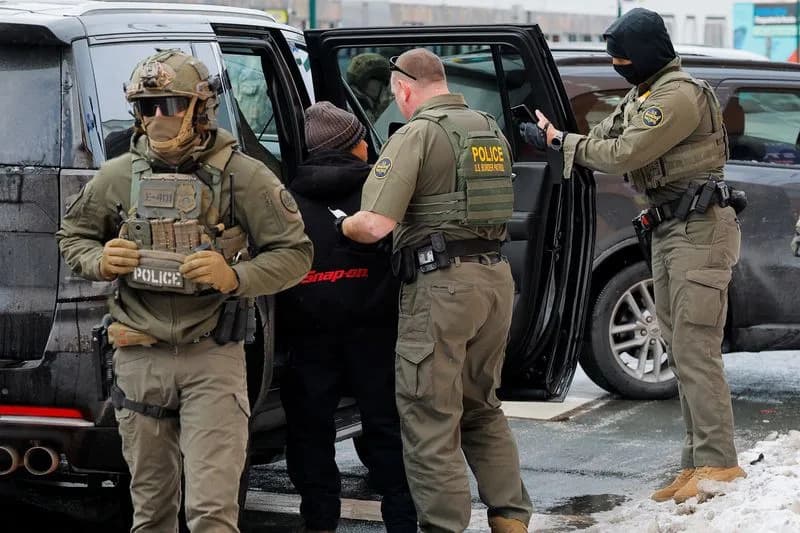
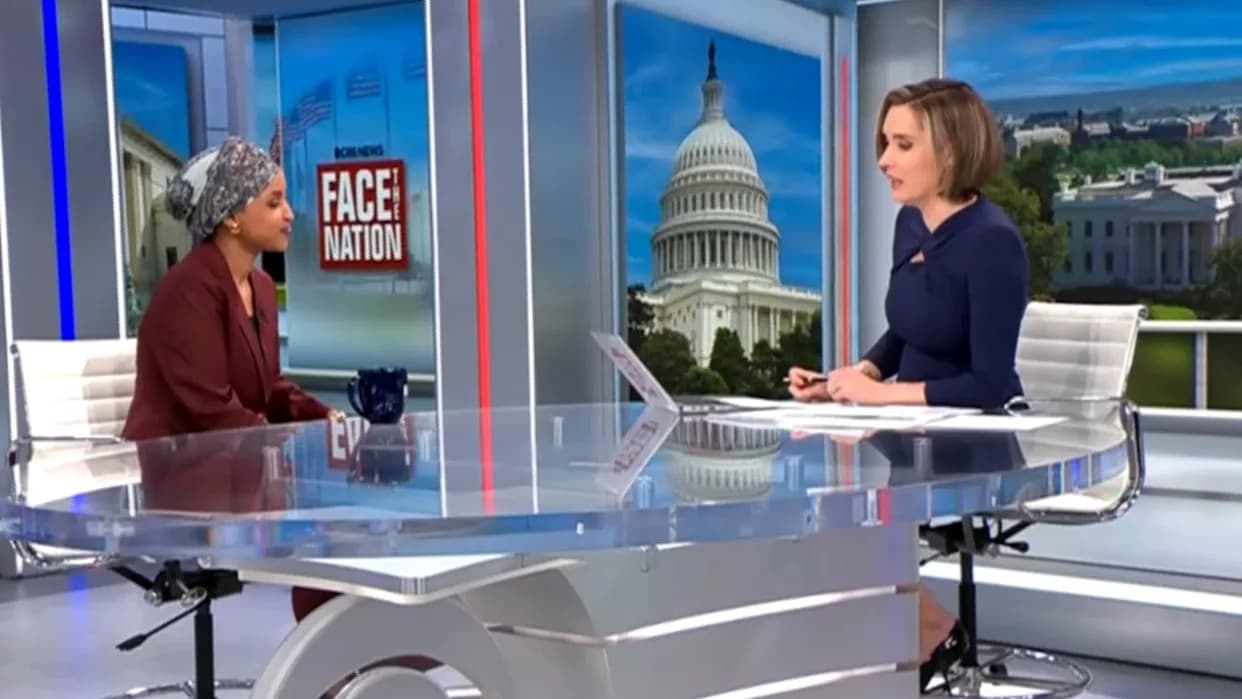
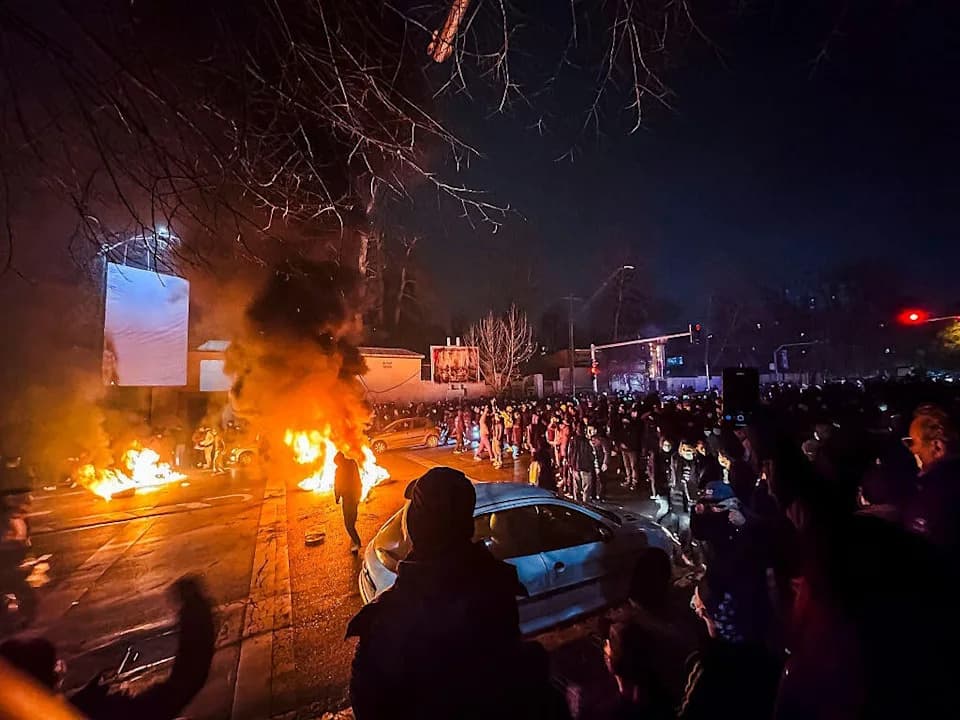
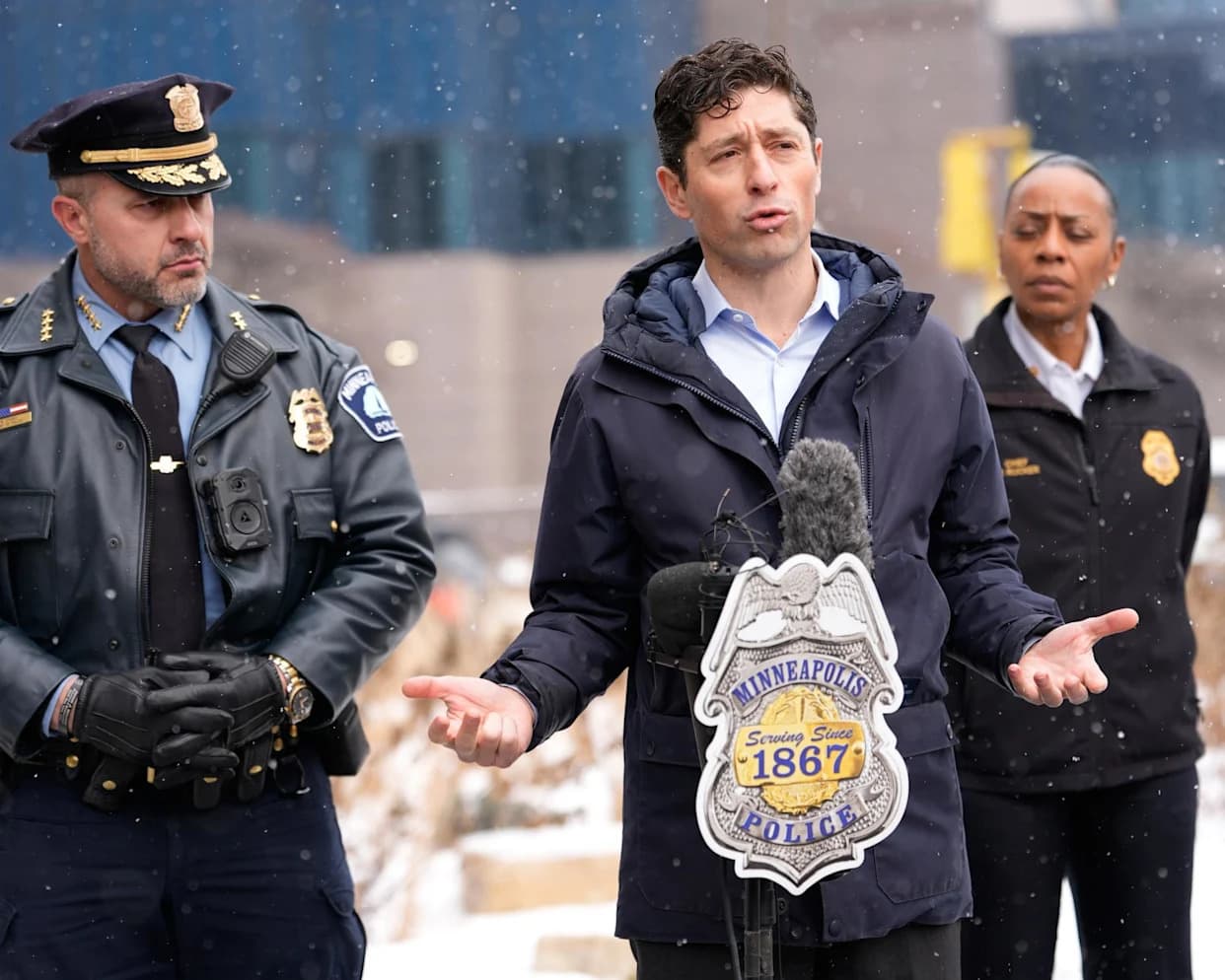
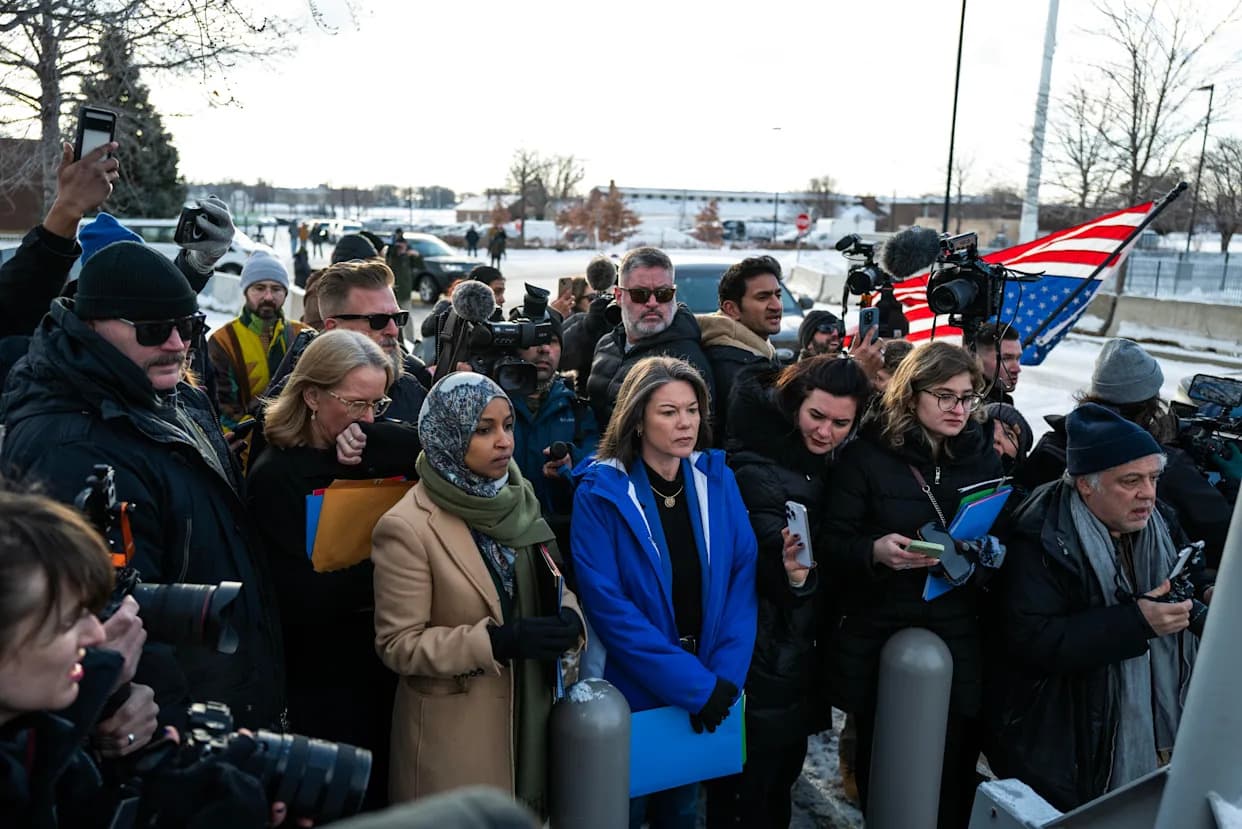
Over the weekend, Democratic Minnesota Representatives Ilhan Omar, Angie Craig and Kelly Morrison reported they were denied entry to an ICE facility in Minneapolis. Tensions in the city intensified following the fatal shooting of Renee Nicole Good by an ICE officer; federal officials have said the officer acted in self-defense, a claim local leaders have disputed.
Noem's memo attempts to limit the new notice requirement to funds from the One Big Beautiful Bill Act rather than regular appropriations. The memo cites an unprecedented infusion of funding for immigration enforcement from that law, including roughly $75 billion allocated to ICE to expand deportation operations and detention capacity.
In defending the directive, Noem wrote that unannounced visits can pull officers away from duties and that some visits have become "circus-like publicity stunts," creating chaotic environments. Critics counter that the policy undermines congressional oversight and may violate the appropriations restriction the December judge relied upon.
The legal and political dispute is likely to continue as courts examine whether tying the rule to a specific funding source lawfully circumvents the earlier injunction and whether the policy serves legitimate safety needs without impeding oversight.
Help us improve.