Vice President JD Vance has endorsed expanding ICE staffing and "door-to-door" enforcement, comments that critics say risk normalizing armed visits to private homes. The acting ICE director has said agents have conducted door-to-door outreach at businesses, not residences, while some reports allege U.S. citizens have been detained or mistreated. Opponents compare potential home raids to Gestapo tactics, citing the U.S. Holocaust Memorial Museum, and warn DHS domestic-terrorism programs could be misused against political critics. Supporters argue tougher enforcement is needed to uphold immigration laws.
Vance’s 'Door-to-Door' Rhetoric Draws Comparisons To Gestapo Tactics

Vice President JD Vance has publicly endorsed expanding U.S. Immigration and Customs Enforcement (ICE) staffing and what he described as increased "door-to-door" operations as the administration intensifies immigration enforcement — comments that have drawn sharp criticism and historical comparisons.
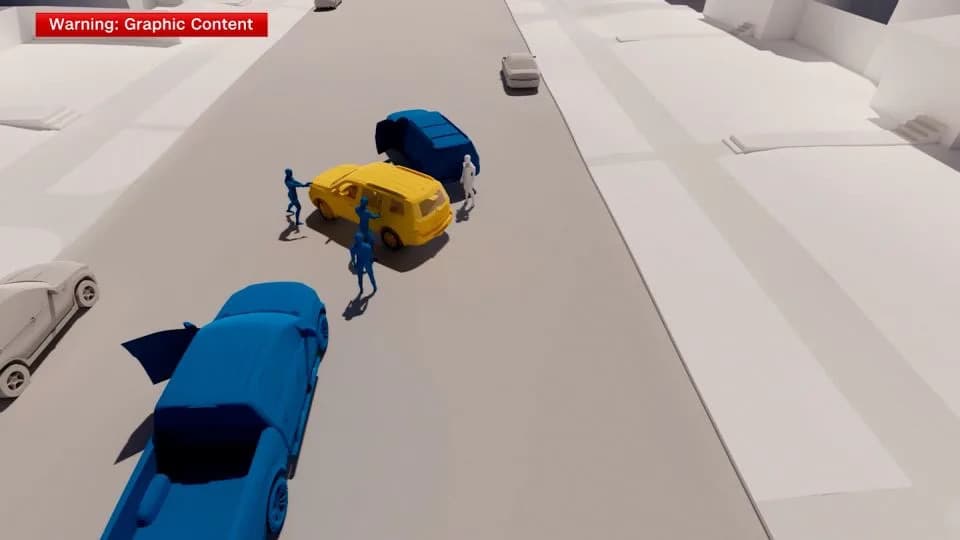
Following several widely condemned ICE shootings this week — at least one reported fatality — Vance told Fox News he expects "deportation numbers ramp up as we get more and more people online, working for ICE, going door to door and making sure that if you’re an illegal alien, you’ve got to get out of this country." He repeated similar remarks at the White House while defending an agent involved in the deadly shooting of Renee Goodin in Minneapolis and criticizing media coverage of the incident.
Critics say Vance’s rhetoric normalizes armed enforcement at private residences and raises civil liberties concerns. The acting ICE director has clarified that some operations have involved door-to-door outreach at businesses, and did not assert the same broad practice at private homes. Independent outlets and advocacy groups, meanwhile, have reported instances in which U.S. citizens were detained and, according to some accounts, mistreated during enforcement actions since President Trump returned to office.
Why critics invoke historical comparisons

WASHINGTON, UNITED STATES - JANUARY 8: Vice President of the United States JD Vance delivers remarks during a press briefing at the White House Press Briefing Room in Washington, United States, on January 8, 2026. (Photo by Celal Gunes/Anadolu via Getty Images)(Celal Gunes / Anadolu via Getty Images)
Opponents of expanded home raids argue that systematic, warrantless visits to private homes echo tactics used by authoritarian regimes. The United States Holocaust Memorial Museum summarizes how Nazi paramilitary and security forces operated in the early years of Hitler’s rule:
In the months after Hitler took power, the SA and Gestapo went from door to door looking for Hitler’s enemies. Socialists, Communists, trade union leaders, and others who had spoken out against the Nazi Party were arrested, and some were killed. By the middle of 1933, the Nazi Party was the only political party, and nearly all organized opposition to the regime had been eliminated. Democracy was dead in Germany.
Critics say the parallels — invoking forced home searches and targeting of political opponents — are stark, particularly given separate reporting that the Department of Homeland Security is developing programs to address domestic extremism that could, opponents warn, be misapplied against political critics.
Supporters of the administration, including many MAGA-aligned voices, counter that tougher enforcement is necessary to uphold immigration laws and describe such measures as protecting national sovereignty and public safety. The debate underscores tensions between enforcement priorities and civil liberties concerns as ICE operations expand.
What remains unclear
Key questions remain open: the extent to which ICE will carry out residential door-to-door raids, the legal processes governing such operations, how frequently U.S. citizens have been affected, and what oversight steps will be taken to prevent abuse. Independent verification and oversight will shape whether this rhetoric becomes broader policy and how it will be implemented in practice.
Help us improve.