U.S. District Judge Jia Cobb declined to temporarily block a DHS memorandum requiring seven days' notice for congressional visits to ICE facilities, finding the Jan. 8 memo is a new agency action not covered by her earlier December order. The dispute follows an incident in which three Minnesota Democrats were denied entry to an ICE facility days after a fatal shooting. Plaintiffs, backed by Democracy Forward, say the rule impedes urgent oversight during critical DHS funding negotiations, while the government says the new memo differs from the policy previously enjoined.
Judge Declines to Block DHS Seven-Day Notice Rule For Congressional Visits to ICE Facilities
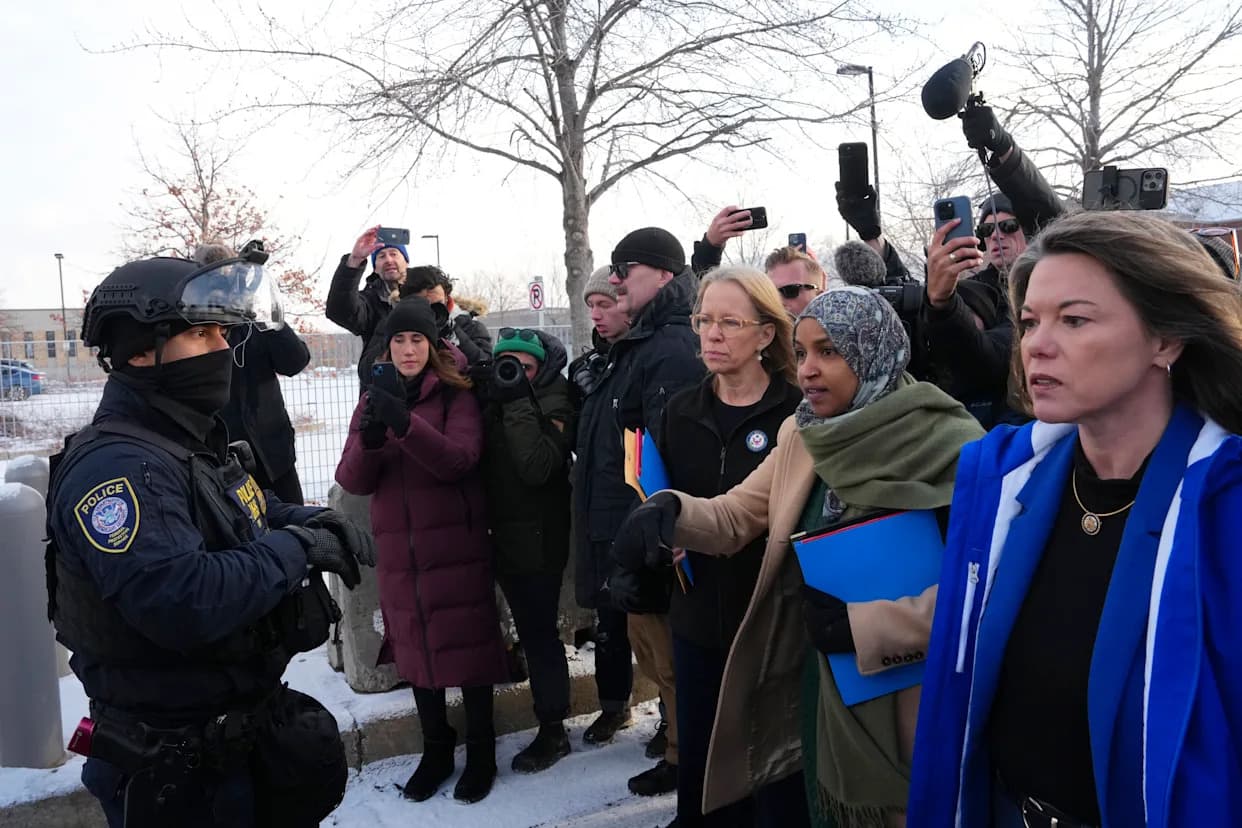
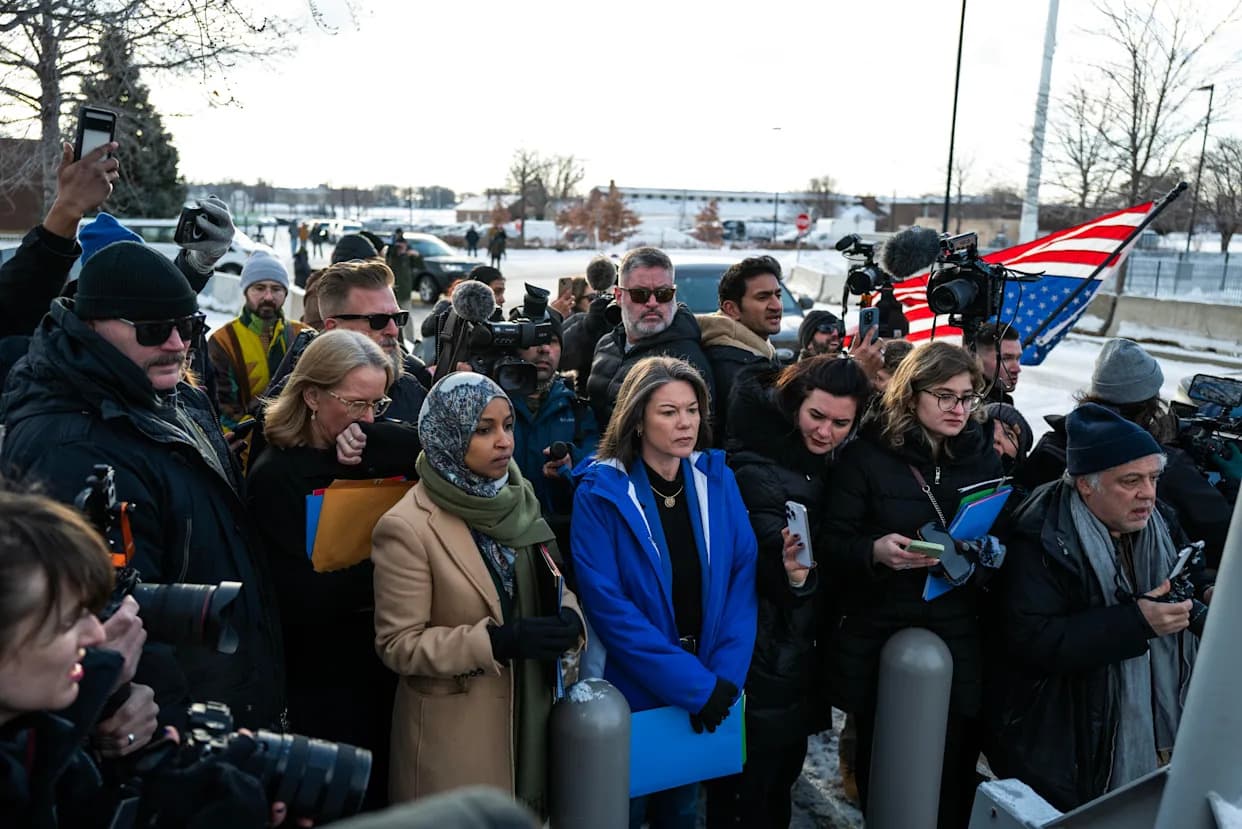
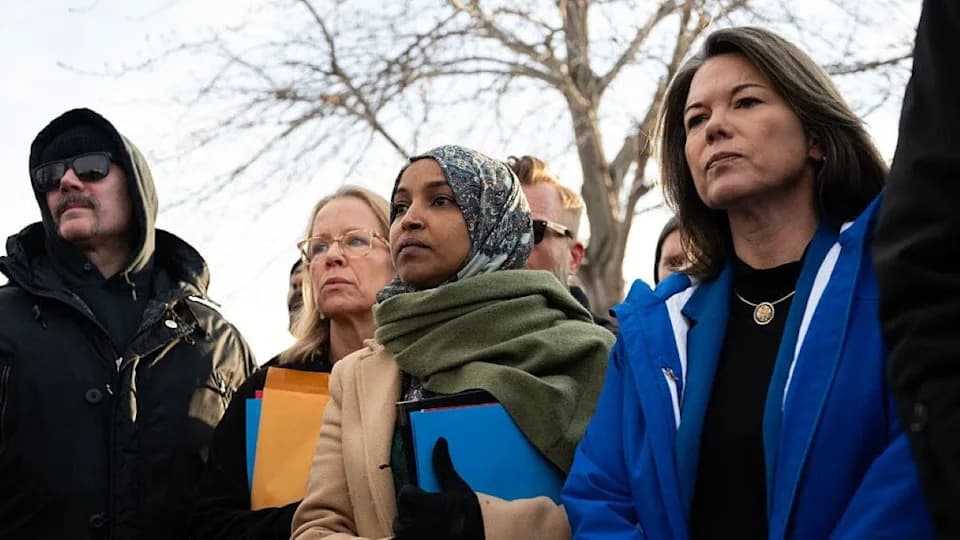
Rep. Kelly Morrison D-Minn., center, Rep. Ilhan Omar, D-Minn., second from the right, and Rep. Angie Craig, D-Minn., far right, at the Bishop Whipple Federal Building, Saturday, Jan. 10, 2026, in Minneapolis. (AP Photo/Adam Gray)(ASSOCIATED PRESS)
U.S. District Judge Jia Cobb in Washington, D.C., on Monday declined to temporarily block a Department of Homeland Security memorandum that requires members of Congress to provide seven days' notice before visiting Immigration and Customs Enforcement (ICE) detention facilities. The judge said the Jan. 8 memorandum represents a new agency action and that the plaintiffs used the wrong procedural vehicle to challenge it in this motion.
Court Ruling and Legal Reasoning
Cobb emphasized that her decision was procedural rather than a determination on the policy’s legality. She found that the Jan. 8 memorandum is distinct from the policy her court temporarily enjoined in December, and therefore it was not covered by her earlier order. In her written decision she clarified that the denial was based on the plaintiffs' choice of legal mechanism, not a finding that the policy is lawful.
“The Court emphasizes that it denies Plaintiffs’ motion only because it is not the proper avenue to challenge Defendants’ January 8, 2026 memorandum and the policy stated therein, rather than based on any kind of finding that the policy is lawful.”
Background
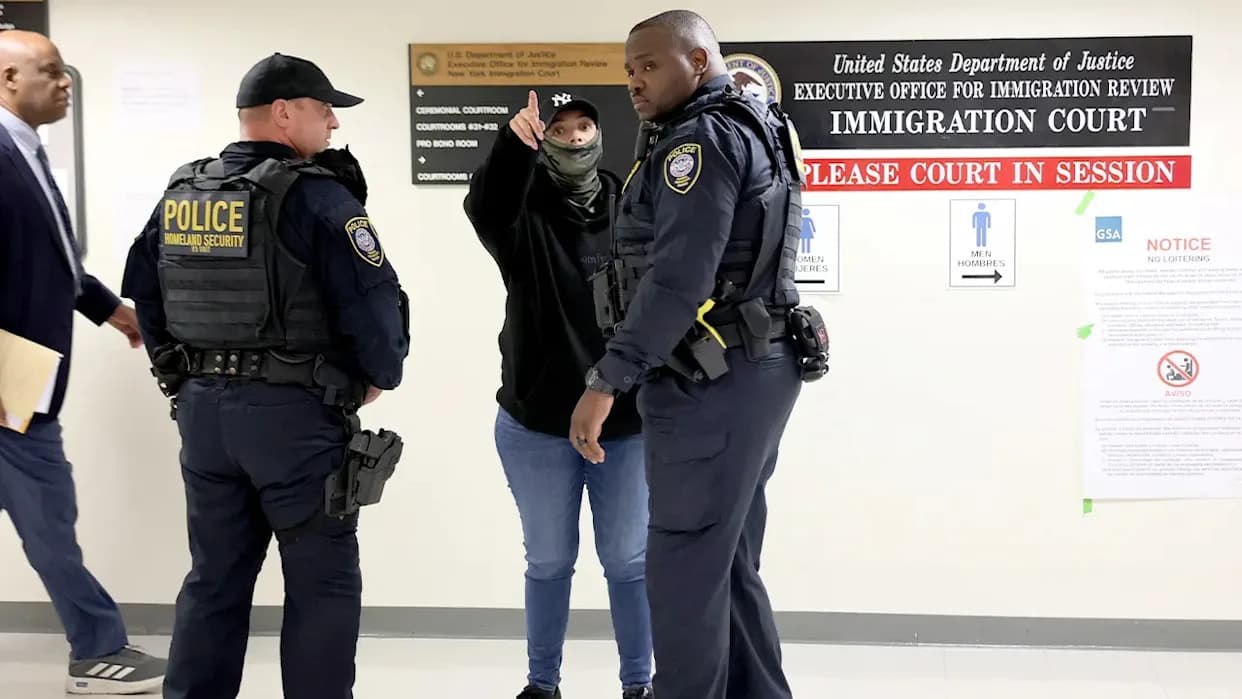
The case arose after three Democratic members of Congress from Minnesota — Reps. Ilhan Omar, Kelly Morrison and Angie Craig — were denied entry to an ICE facility in the Minneapolis federal building earlier this month. That incident occurred three days after an ICE officer fatally shot Renee Goodin.
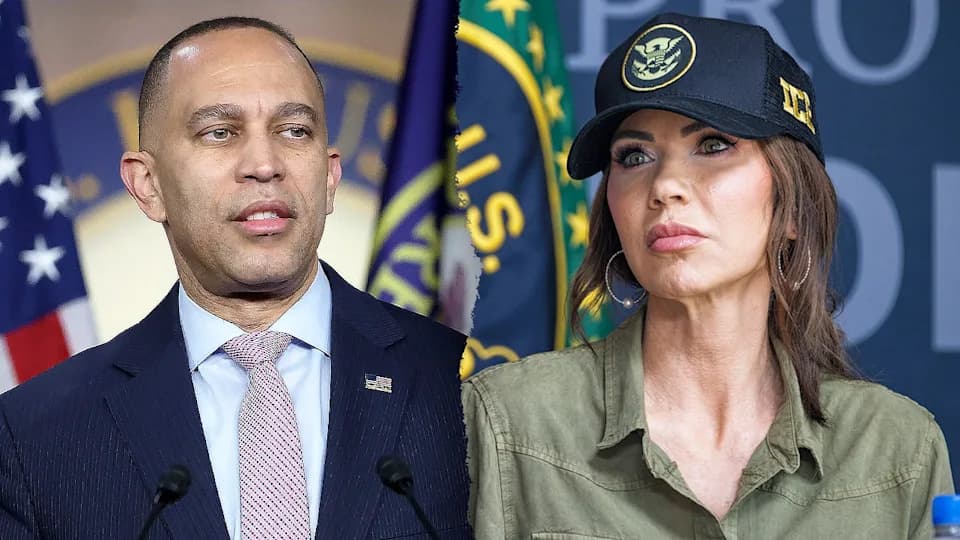
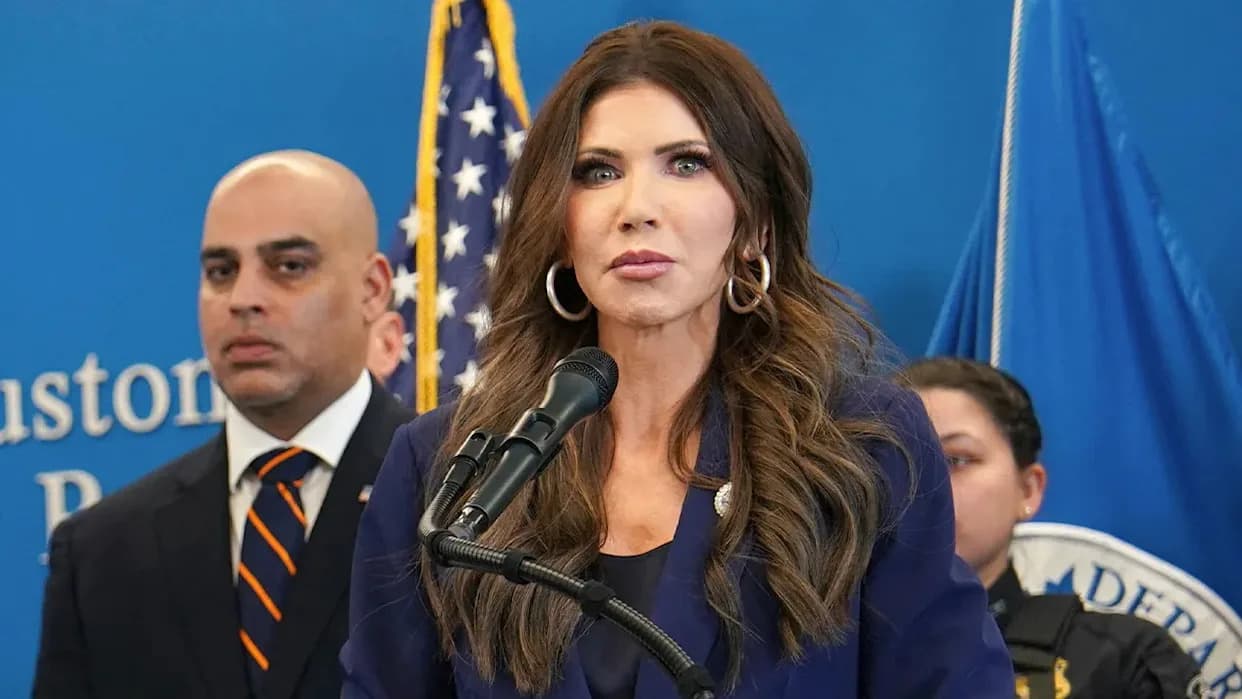
On Dec. 17, 2025, Judge Cobb temporarily enjoined an earlier administration policy that required a week’s notice for congressional oversight visits, finding it likely unlawful. According to court filings, DHS Secretary Kristi Noem signed a new memorandum reinstating a seven-day notice requirement on Jan. 8, 2026; plaintiffs’ attorneys say that memorandum was not disclosed until after the Minnesota lawmakers were initially turned away.
Arguments From Both Sides
Plaintiffs, represented by the Democracy Forward Foundation, argue the notice requirement frustrates urgent congressional oversight, particularly as members negotiate DHS and ICE funding for the next fiscal year. They also contend a federal law bars DHS from using appropriated general funds to block members of Congress from entering DHS facilities for oversight, and that the administration has not shown appropriated funds were not used to implement the notice policy.
“Appropriations are not a game. They are a law,” plaintiffs’ attorney Christine Coogle said during a hearing.
The Justice Department argued that the Jan. 8 memorandum is a new and distinct policy, and therefore not the same policy Judge Cobb suspended in December. Government lawyers have also suggested it is speculative to assume conditions in facilities would change materially over the course of a week.
Next Steps and Context
Democracy Forward said it was reviewing the judge’s order and vowed to pursue additional legal avenues to challenge the policy. Plaintiffs stressed urgency because DHS’s annual appropriations are set to expire on Jan. 30, and lawmakers are negotiating funding for the coming fiscal year.
Separately, a group of twelve other Democratic members of Congress filed suit in Washington challenging ICE’s amended visitor policies after being denied entry to detention facilities. The suits assert the administration is obstructing congressional oversight amid a nationwide increase in immigration enforcement operations.
What Remains Unresolved: Judge Cobb did not rule on the underlying legality of the seven-day notice requirement; she only declined the specific procedural request before her. Further litigation is likely as plaintiffs pursue the appropriate legal route to challenge the Jan. 8 memorandum.
Help us improve.