The AMA is contending with internal criticism after President Bobby Mukkamala met Health Secretary Robert F. Kennedy Jr. following the Jan. 7 release of new dietary guidelines. Some physicians say leadership failed to inform members and that praising parts of the guidance looks like tacit support for recommendations they consider harmful, such as greater red‑meat and saturated‑fat consumption. AMA leaders say they did not endorse the full guidelines and stress the organization is balancing access to policymakers with independent advocacy on public health.
AMA Rift After President Meets RFK Jr. Over Controversial Dietary Guidelines
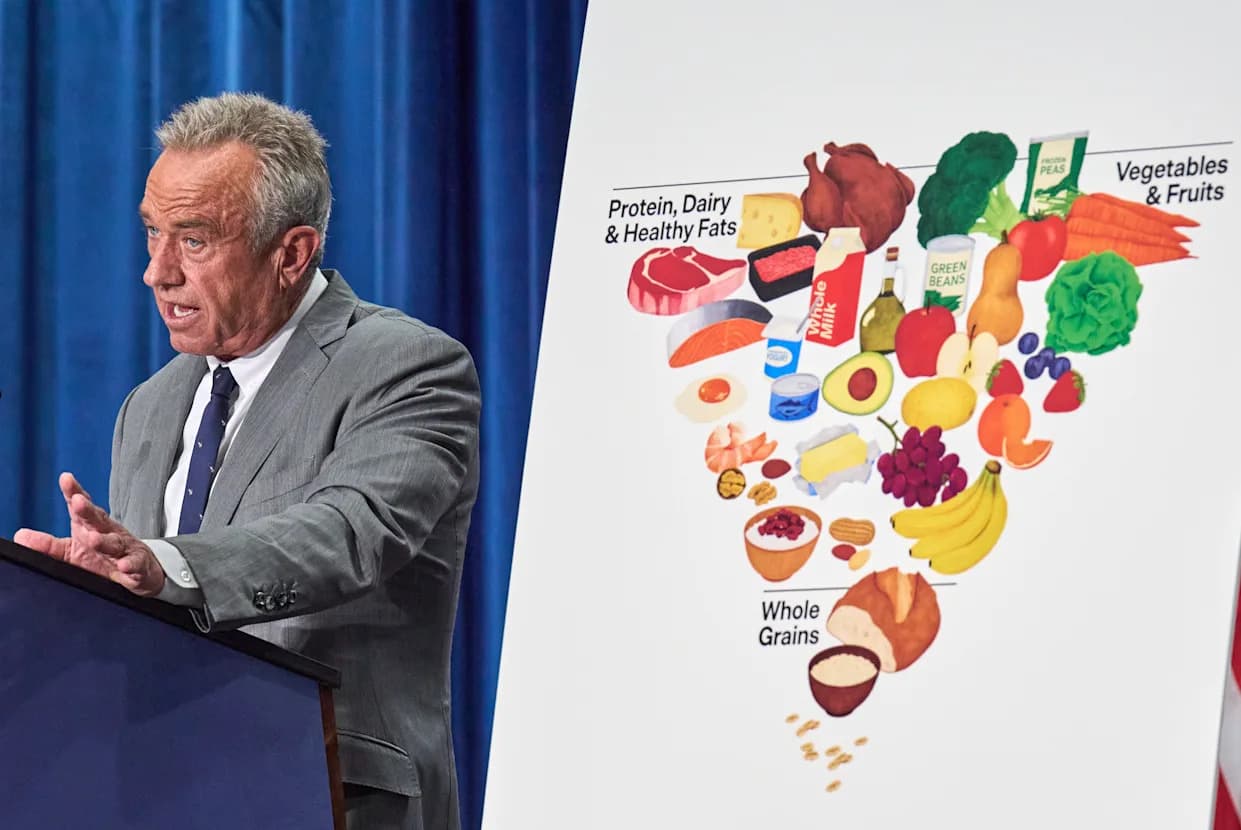
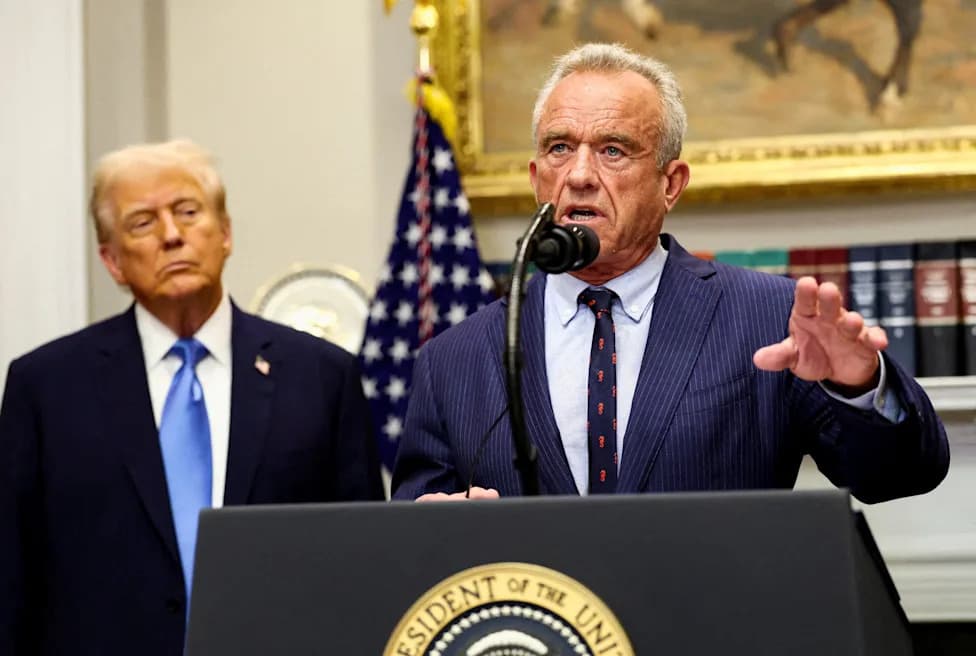
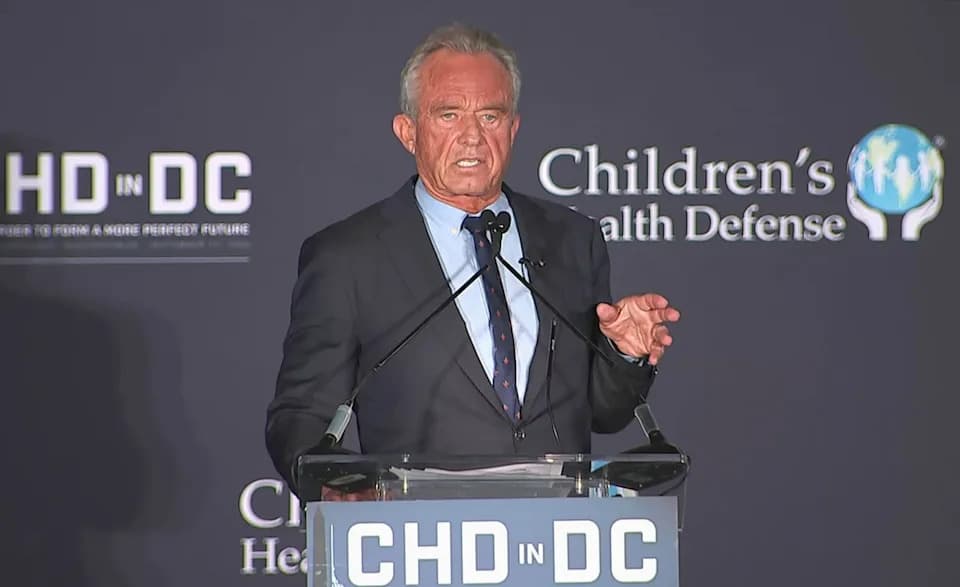
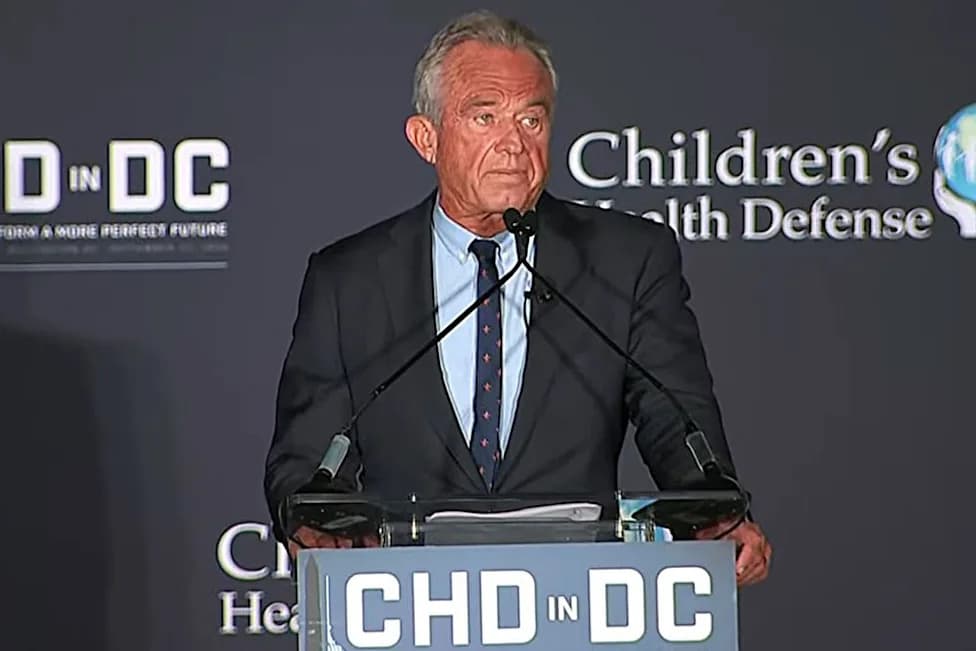
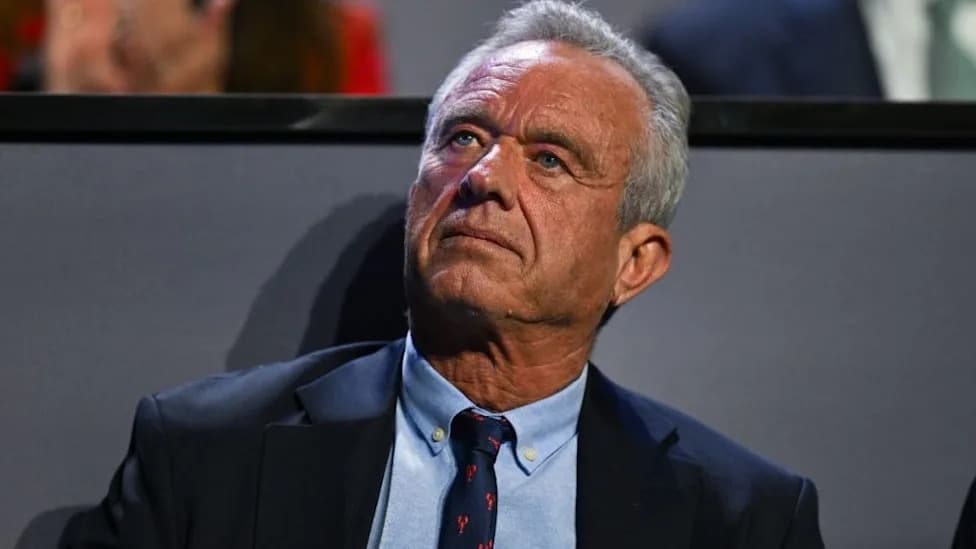
The American Medical Association is facing internal backlash after its president met with Health and Human Services Secretary Robert F. Kennedy Jr. following the Jan. 7 release of new federal dietary guidance. The face-to-face meeting — arranged after the AMA publicly praised elements of the guidance — has prompted a group of physicians to complain to the association's board that leadership failed to notify members and appeared to tacitly endorse recommendations they consider harmful.
Background
When the Department of Health and Human Services joined the Agriculture Department on Jan. 7 to release updated dietary guidelines, AMA President Bobby Mukkamala issued a statement applauding the guidance's attention to ultraprocessed foods, sugar and sodium. That statement helped secure a first-ever meeting between Mukkamala and Secretary Robert F. Kennedy Jr., which was later publicized with photos posted to social media.
Internal Reaction
A contingent of AMA members wrote to Board of Trustees Chair David Aizuss to complain they were not briefed about the meeting and to warn that Kennedy poses a threat to public health, citing his controversial stances on vaccines and his recommendations around increased consumption of red meat and high‑saturated‑fat foods. According to correspondence obtained by POLITICO, dissenting physicians said Mukkamala's public remarks gave the appearance that the AMA endorsed the full set of new guidelines.
"This meeting was not communicated at all," said an AMA delegate, who spoke on condition of anonymity. "It was basically a tacit approval without saying anything specifically. It makes it look like the AMA is supporting this disinformation on nutrition."
AMA Leaders' Response and Context
Board Chair Aizuss responded by clarifying that the AMA did not endorse the entire guidance package and that the organization primarily supports the administration's emphasis on avoiding highly processed foods. The AMA also pointed out that participating in the announcement reflects the group's continued access and relevance in national health policymaking.
The episode exposes a broader strategic tension for the AMA: leaders want to maintain access to the administration on matters such as Medicare payment levels while also pushing back on policies they view as medically unsound. Mukkamala has repeatedly emphasized points of common ground with the administration, including lifestyle medicine and nutrition, even as the AMA publicly criticizes some of Kennedy's other policy moves.
Why It Matters
The dispute underscores internal divisions within a major professional body that represents more than 250,000 physicians nationwide. For many members, perceived alignment with a controversial health secretary risks eroding trust in the AMA's guidance on clinical and public‑health issues. For leadership, the challenge is managing member expectations while preserving influence over federal health policy.
In public remarks after the meeting, Secretary Kennedy praised the AMA for its engagement on nutrition. The association reiterated that it represents physicians across the political spectrum and supports physician–patient conversations about the role of food in preventing and managing chronic disease.
Help us improve.