Japan’s prime minister has joined over 50 female lawmakers calling for more women’s restrooms in the National Diet after recent gains in female representation created long queues. A petition filed on December 12 says two cubicles currently serve 73 female members and is backed by 58 lawmakers from seven parties and independents. Supporters warn the shortage could disrupt parliamentary business and also affects female staff and journalists. The campaign highlights wider gender gaps: women occupy under 16% of lower-house seats and Japan ranks 118th on the WEF Global Gender Gap Index.
Japan’s Prime Minister Backs Campaign for More Women’s Restrooms in Parliament
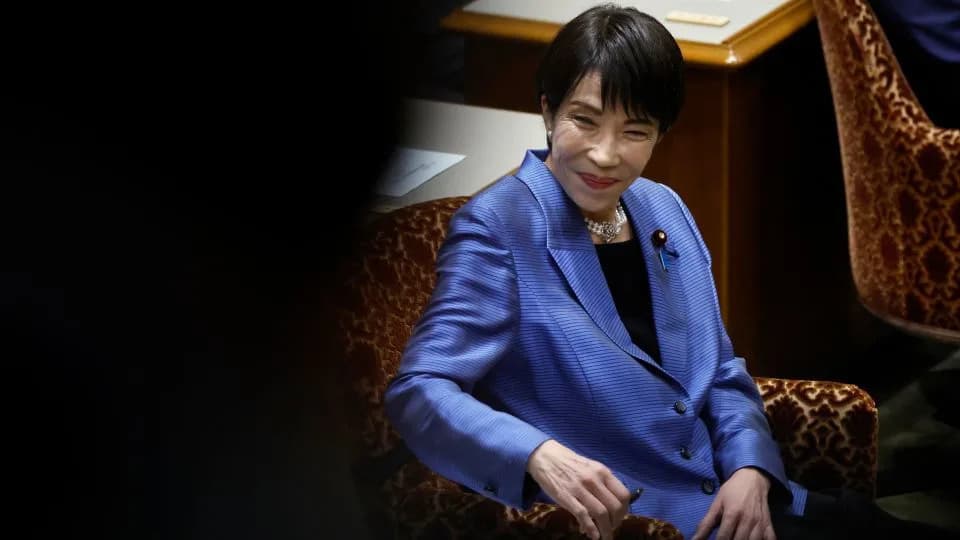
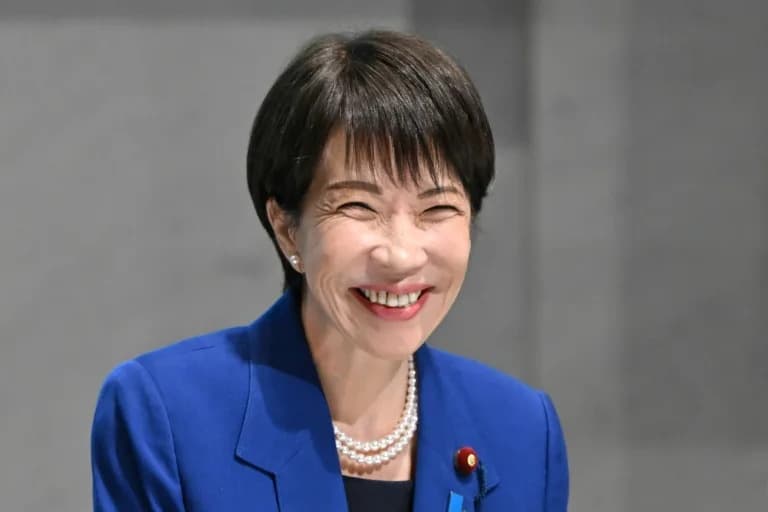
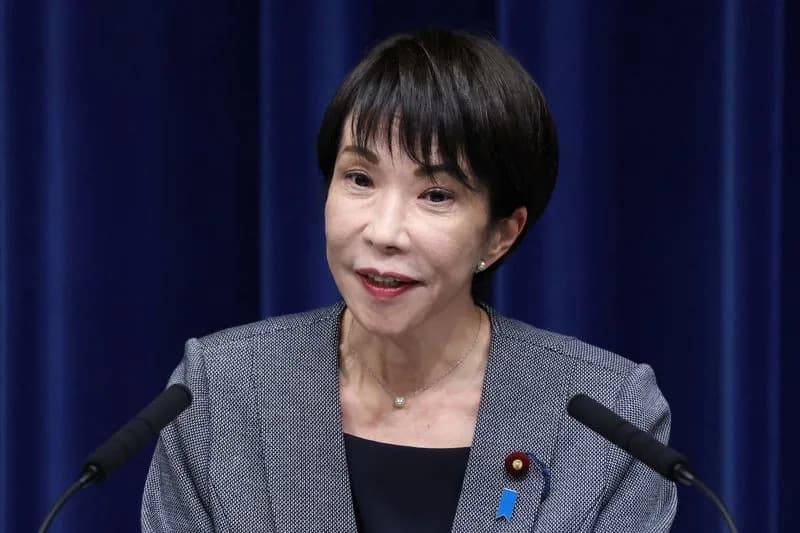
Sanae Takaichi, Japan's prime minister, during a party leaders' debate at the upper house of parliament in Tokyo, Japan, in November 2025. - Kiyoshi Ota/Bloomberg/Getty Images
Japan’s prime minister has lent support to a group of more than 50 female lawmakers who are urging the National Diet to add more women’s restrooms, saying a recent rise in female representation has created long queues for the limited facilities.
A petition filed on December 12 notes that just two cubicles currently serve 73 female members in the House of Representatives. The petition is backed by 58 lawmakers from across seven political parties and several independents, the opposition Constitutional Democratic Party (CDP) said.
What Supporters Say
“Before the main assembly session, a truly large number of female lawmakers line up in front of the women’s restroom,” said CDP member Yasuko Komiyama.
Komiyama added on Facebook that the shortage affects not only female MPs but also female staff and a growing number of women journalists who work in and around the Diet. Opposition MP Tomoe Ishii wrote on Instagram that the shortage has “long been an issue” and argued there is a broader reluctance in society to raise questions about adding women’s restrooms in workplaces and schools.
Broader Context
Supporters frame the shortfall in facilities as more than an inconvenience. The cross-party petition described the undersupply of toilets as “a critical issue that could potentially impact the conduct of proceedings and the performance of duties.”
The campaign comes amid slow but visible gains for women in Japanese politics. Female representation in the lower chamber has risen to 73 MPs — just under 16% of seats in the House of Representatives, according to IPU Parline — while Japan remains low on international measures of gender parity, ranking 118th out of 148 countries on the World Economic Forum’s most recent Global Gender Gap Index.
Historic Note
The National Diet building in Tokyo predates women’s suffrage: completed in 1936, it stood for almost a decade before Japanese women won the right to vote in 1945 and the first female members of parliament were elected the following year.
Lawmakers backing the petition say the change needed is practical and immediate — additional restrooms and better facilities planning to reflect the Diet’s changing demographics. Whether and when those changes will be implemented remains to be seen.
Help us improve.