TOKYO — Japanese Prime Minister Sanae Takaichi could call an early general election as soon as February, the leader of her coalition partner said on Sunday, after media reports suggested she is weighing a snap vote for Feb. 8 or Feb. 15.
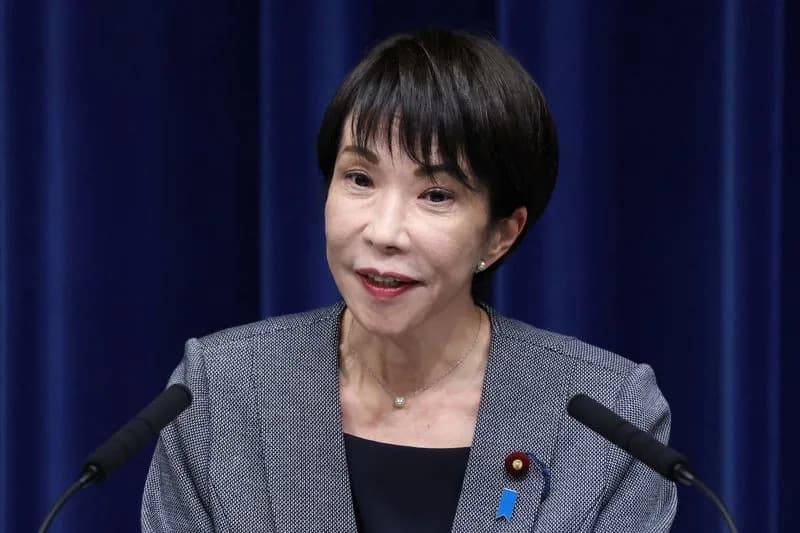
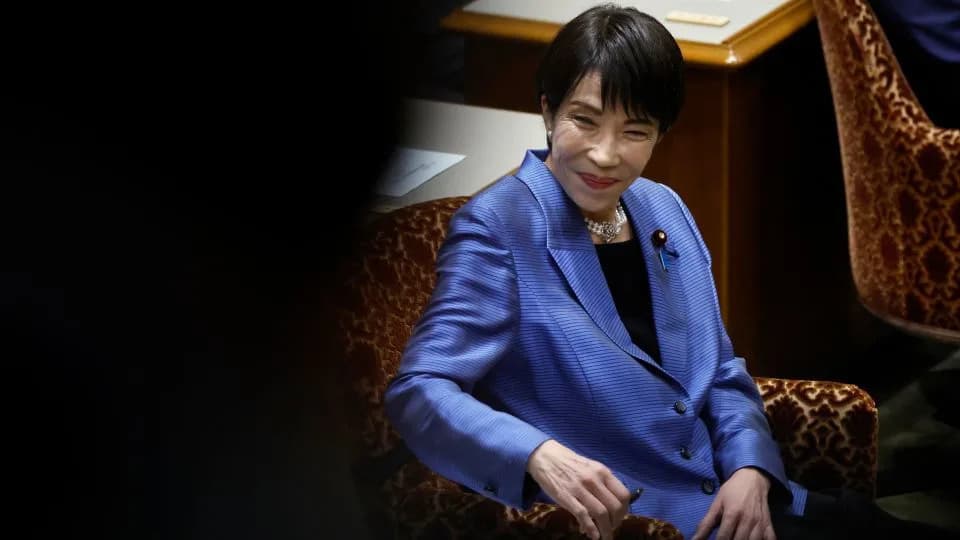
The move would mark the first time the conservative Takaichi — Japan's first female prime minister and a noted admirer of Britain’s Margaret Thatcher — faces voters since taking office in October. Supporters see a snap poll as an opportunity to convert her strong approval ratings into a firmer governing mandate.
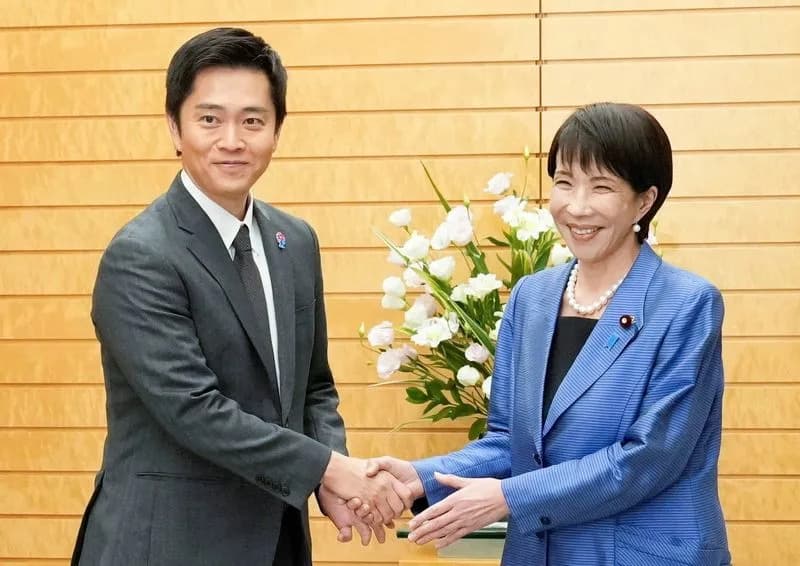
Hirofumi Yoshimura, leader of the Japan Innovation Party (Ishin), told public broadcaster NHK that he met Takaichi on Friday and sensed her thinking on election timing had entered a "new stage." Yoshimura said he would not be surprised if she decided to dissolve parliament as reported by media, although the two did not discuss specific dates.
Election Could Complicate Budget
Takaichi has urged her cabinet to ensure timely execution of a supplementary budget for the current fiscal year and to secure parliamentary approval of next year’s budget. Her first budget proposal as prime minister — roughly $783 billion — includes large stimulus measures she says are needed to cushion the impact of inflation.
Opposition and coalition partners voiced concern that a February vote could make it difficult to pass the budget by the end of March. Komeito leader Tetsuo Saito warned a snap poll "would make it impossible to pass the budget by the fiscal year-end," while analysts noted that failing to approve the budget would require a stop-gap measure and could delay planned spending.
Markets reacted to the reports: the yen weakened against the dollar after the Yomiuri Shimbun published the potential election dates. Japan’s economy has so far absorbed effects from higher U.S. tariffs, but persistent food inflation is weighing on consumer spending.
Economic Risk From China Dispute
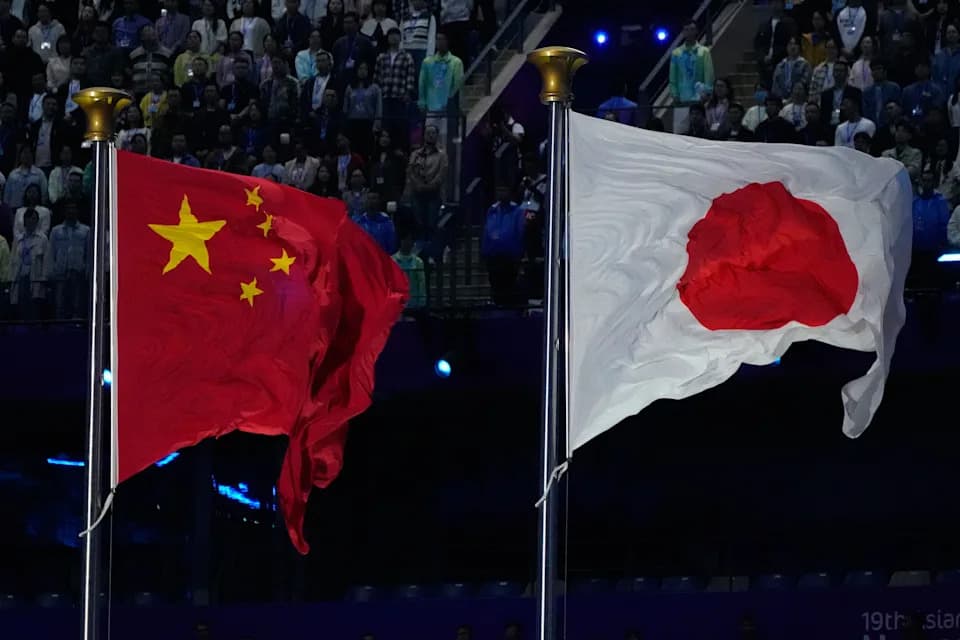
Takaichi’s tougher stance on China — including a November comment that a Chinese attack on democratically governed Taiwan could be deemed an existential threat to Japan — has won support from right-wing voters but triggered a significant diplomatic row with Beijing. China has since urged its citizens not to travel to Japan, cancelled meetings and events, and restricted exports of items Tokyo says are dual-use for military purposes.
Officials warn that further trade friction could harm Japan’s export-dependent industries — particularly if Beijing curbs shipments of critical rare earths. Takaichi told NHK that export restrictions targeting Japan alone would violate international norms and are unacceptable. She said Tokyo is pursuing diplomatic channels with Beijing while coordinating with G7 partners to diversify supply chains and reduce dependence on any single country.
Japan’s Internal Affairs Ministry urged regional election committees to prepare in case of an early vote; while the ministry framed the advice as a response to media reports, some political analysts interpreted the notice as a sign preparations were underway. The lower house does not require an election until October 2028, but a decisive early victory would strengthen Takaichi’s position. Her Liberal Democratic Party (LDP) and Ishin currently hold a narrow majority in the lower house but remain a minority in the upper house.
Takaichi became prime minister after winning the LDP leadership and was approved by parliament, but she has not yet contested a national election.
Reporting by Leika Kihara; additional reporting by Yoshifumi Takemoto; edited by William Mallard.