Japan's Cabinet approved a record defense budget exceeding ¥9 trillion for fiscal 2026, a 9.4% increase and the fourth year of a five-year plan to reach 2% of GDP. Major allocations include ¥970 billion for standoff missiles (¥177 billion for Type-12 systems) and ¥100 billion for the SHIELD mass unmanned systems program. The move — accelerated amid rising tensions with China — also funds joint projects with Britain and Italy and support for Japan’s defense industry.
Japan Approves Record ¥9+ Trillion Defense Budget to Boost Missiles and Drone Defenses Amid Rising Tensions With China

Type-12 surface-to-ship missile launchers are seen at the inauguration ceremony of a missile regiment of the Japan Ground Self-Defense Force in Uruma, Okinawa, southern Japan, on March 30, 2024. (Kyodo News via AP)(ASSOCIATED PRESS)
Japan's Cabinet on Friday approved a record defense budget topping ¥9 trillion (about $58 billion) for fiscal 2026, a plan intended to strengthen long-range strike capabilities and coastal defenses with cruise missiles and unmanned systems as regional tensions rise.
Budget Growth and Strategic Aim
The draft budget for the fiscal year beginning in April is up 9.4% from 2025 and represents the fourth year of a five-year program intended to double annual defense spending to reach 2% of gross domestic product. Officials say the increase is intended to deter growing military pressure from China and to expand Japan's ability to respond to threats at greater range.
Key Capability Investments
More than ¥970 billion (about $6.2 billion) is earmarked to enhance Japan's "standoff" missile capability. That includes a ¥177 billion ($1.13 billion) purchase of domestically developed and upgraded Type-12 surface-to-ship missiles, which are reported to have an extended range of roughly 1,000 kilometers (620 miles). The first batch of Type-12 missiles will be deployed to Kumamoto Prefecture in southwestern Japan by March, a year earlier than originally planned.
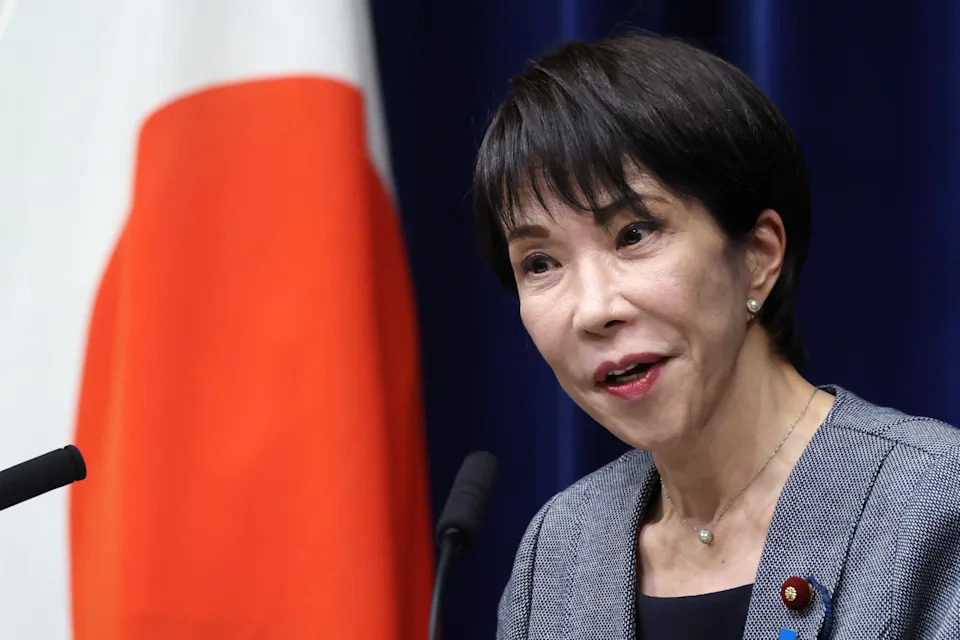
FILE - Japan's Prime Minister Sanae Takaichi, speaks during a news conference at the prime minister's office in Tokyo, Japan, Wednesday, Dec. 17, 2025. (Kiyoshi Ota/Pool Photo via AP, File)(ASSOCIATED PRESS)
To address personnel shortages linked to demographic decline, the defense ministry is prioritizing unmanned systems. The budget sets aside ¥100 billion ($640 million) for a program dubbed "SHIELD," intended to deploy large numbers of unmanned air, surface and underwater vehicles for surveillance and coastal defense by March 2028. For faster fielding, Tokyo plans to supplement domestic development with imports, citing potential suppliers such as Turkey and Israel.
Rising Tensions With China
The timing of the budget comes as tensions with Beijing have intensified. In November, Prime Minister Sanae Takaichi said Japan’s forces could become involved if China took military action against Taiwan — a remark that underscored Tokyo’s concern about regional stability. Relations further deteriorated after recent Chinese carrier drills near southwestern Japan and incidents in which Japan says Chinese aircraft locked radar onto Japanese planes, an action Tokyo regards as dangerously escalatory.
Alarmed by China’s expanding operations across the Pacific, Japan’s Defense Ministry will open a new office dedicated to analyzing operational imperatives and equipment needs to respond to activity in the region. In June, two Chinese aircraft carriers were observed operating almost simultaneously near the southern Japanese island of Iwo Jima — a development that heightened Tokyo’s concern about Beijing’s growing naval reach.
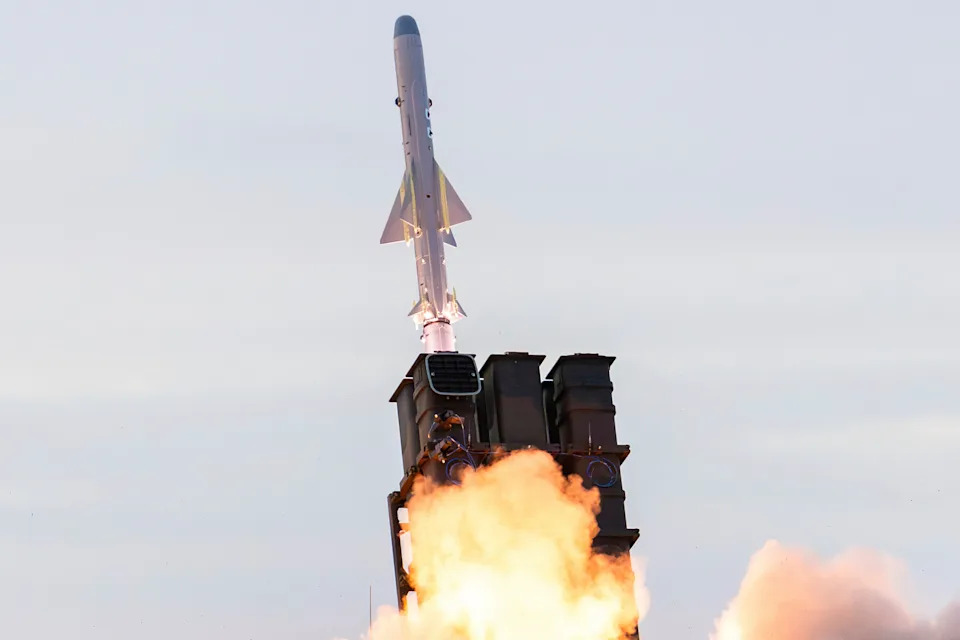
FILE - In this photo provided by the Australian Department of Defense, a Japanese Type 12 surface-to-ship missile is launched by the Second Artillery Brigade of the Japan Ground Self-Defense Force at Beecroft Weapons Range near Jervis Bay, Australia, on Tuesday, July 22, 2025, as part of Talisman Sabre, a biennial joint exercise involving 19 nations and 35,000 military personnel. (PTE Alex Brown/Australian Department of Defense via AP, File)(ASSOCIATED PRESS)
Industrial Cooperation and New Platforms
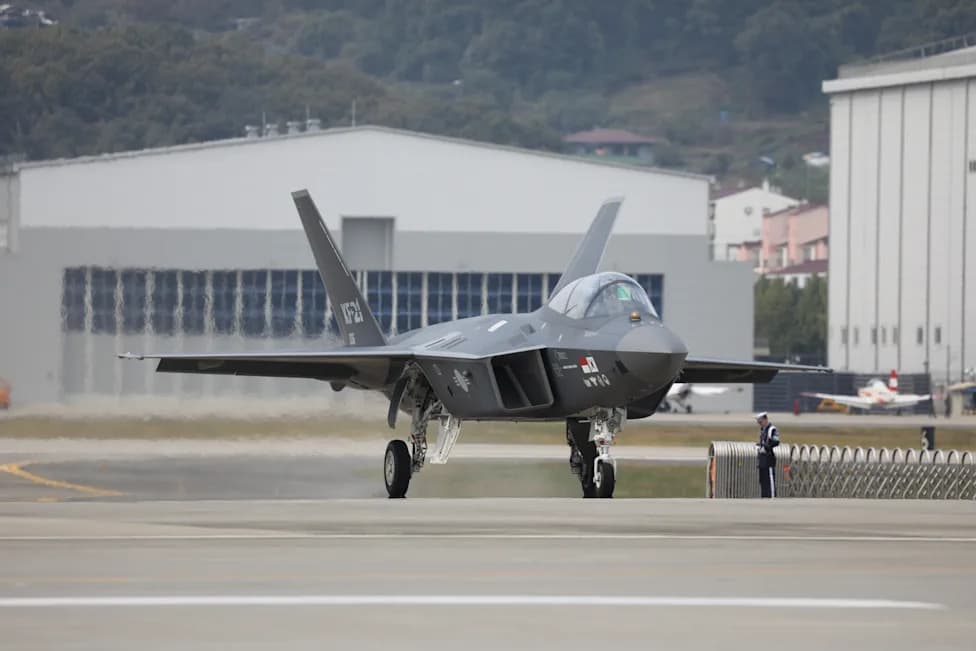
Tokyo is also investing in its defense-industrial base. The 2026 plan includes more than ¥160 billion (about $1 billion) for joint development of a next-generation fighter jet with Britain and Italy, targeted for deployment in 2035, and research into AI-operated drones designed to operate alongside the aircraft. Additionally, Australia selected Mitsubishi Heavy Industries in August to upgrade Mogami-class frigates, and the budget sets aside nearly ¥10 billion ($64 million) to support domestic industry and arms exports.
Financing and Parliamentary Approval
The defense plan must win parliamentary approval by March to be included in a ¥122.3 trillion ($784 billion) national budget bill. If the five-year buildup continues as planned, annual defense spending would approach ¥10 trillion ($64 billion), making Japan the world’s third-largest military spender after the U.S. and China. The government says it will reach the 2% of GDP target by March.
To help fund the increase, the administration plans to raise corporate and tobacco taxes and has adopted a measure to raise income taxes starting in 2027. Officials caution that sustaining defense spending at a higher share of GDP will depend on future economic performance and fiscal choices.
Bottom Line: The budget represents a major shift in Japan’s defense posture — accelerating long-range strike capabilities and mass unmanned deployment — driven by concerns over Chinese military activity and a desire to strengthen deterrence in partnership with allies.
Help us improve.