The Tokyo court will deliver a verdict in the trial of Tetsuya Yamagami, accused of fatally shooting former Prime Minister Shinzo Abe in July 2022. Yamagami admitted the killing, shifting the focus to sentencing: prosecutors seek life imprisonment while the defence asks for a maximum of 20 years citing family hardship linked to donations to the Unification Church. The assassination exposed ties between the LDP and the church and has had lasting political repercussions in Japan.
Japan Court To Deliver Verdict In Shinzo Abe Murder Trial As Sentencing Looms
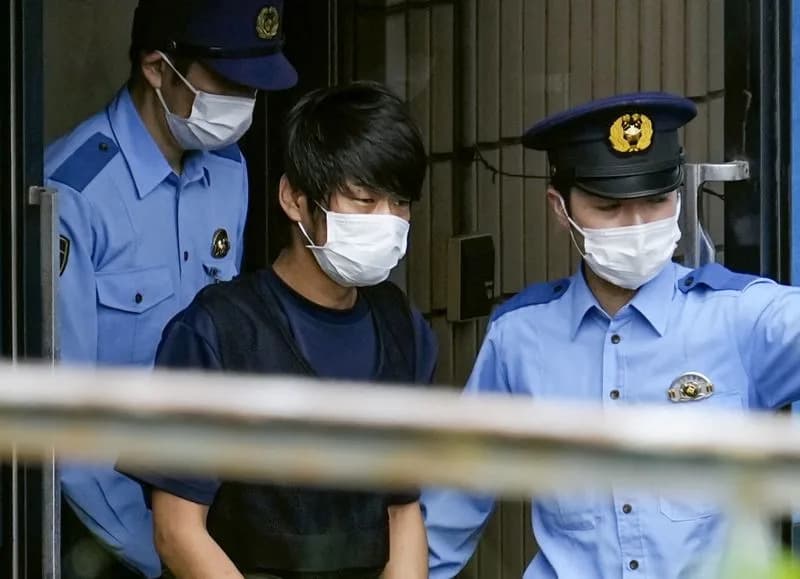
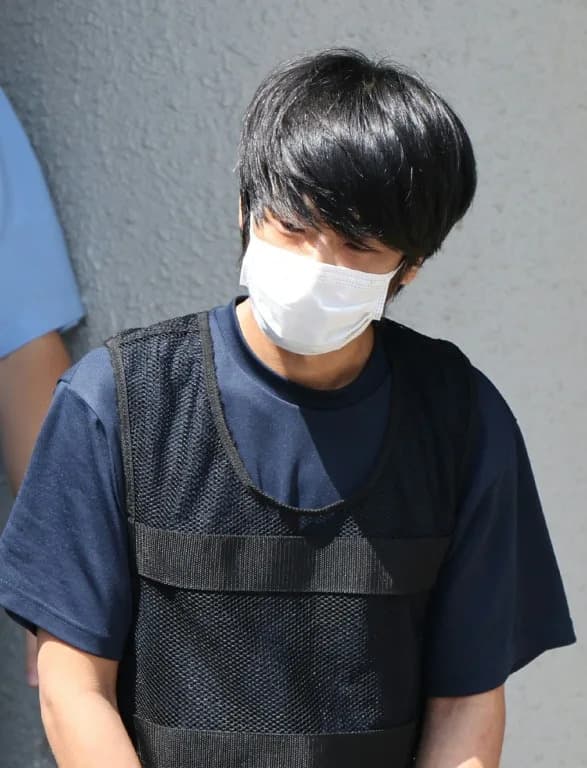
Tetsuya Yamagami, Suspected of killing former Japanese premier Shinzo Abe, is escorted by police officers as he is taken to prosecutors, at Nara-nishi police station in Nara, western Japan, in this photo taken by Kyodo July 10, 2022. Mandatory credit Kyodo via REUTERS
A Japanese court is set to hand down its verdict on Wednesday in the trial of Tetsuya Yamagami, the man accused of fatally shooting former Prime Minister Shinzo Abe in July 2022. The case, which shocked Japan and reverberated internationally, now focuses on the severity of punishment after Yamagami admitted the killing at an earlier hearing.
Background
Tetsuya Yamagami, 45, was arrested at the scene in Nara after firing a homemade gun at Abe while the former prime minister was delivering a campaign speech. Abe, 67 at the time, died from his injuries. Although not in office at his death, Abe remained a dominant influence within the ruling Liberal Democratic Party (LDP), and his loss has contributed to leadership uncertainty within the party.
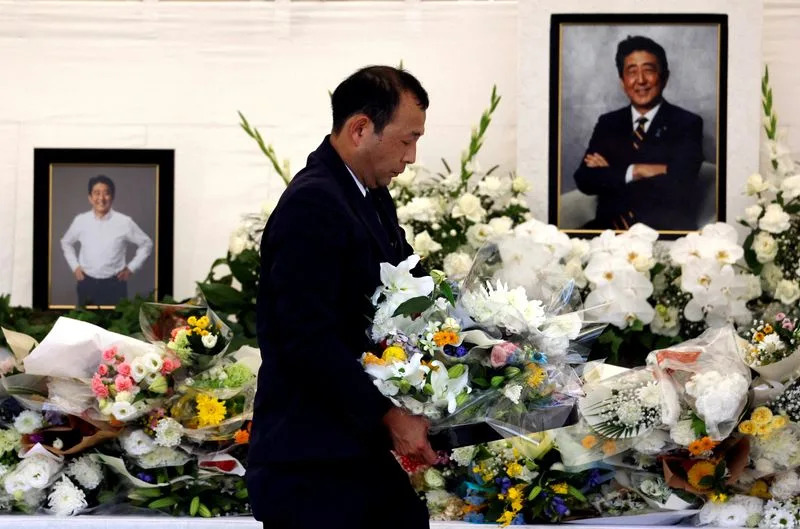
Portrait photos of late Japanese Prime Minister Shinzo Abe, who was shot while campaigning for a parliamentary election in 2022, are placed on an altar as flowers offered by mourners are moved from the altar during the one year commemoration ceremony of his assassination at Zojoji temple in Tokyo, Japan July 8, 2023. REUTERS/Issei Kato
Motive and the Unification Church
Media reports and court statements indicate Yamagami told investigators he harboured a grudge against the Unification Church after his mother made a large donation that left the family in financial distress. He has said he targeted Abe because the former prime minister once sent a video message to an event linked to an organisation affiliated with the church. Founded in South Korea in 1954, the Unification Church is known for mass wedding ceremonies and has long had a significant presence in Japan.
Legal Proceedings and Sentencing Debate
A guilty verdict is widely expected after Yamagami acknowledged the killing during the initial hearing at the Nara District Court. With guilt admitted, attention has turned to punishment: prosecutors have asked the court to impose a life sentence, describing the attack as "an extremely grave incident that is unprecedented in post-war history."
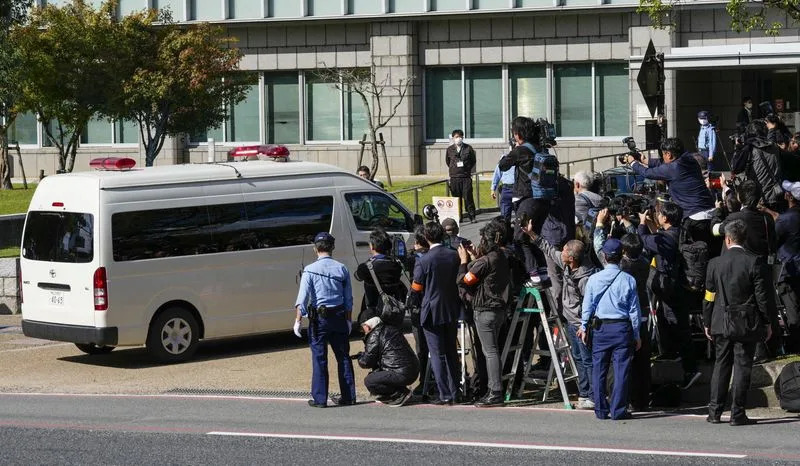
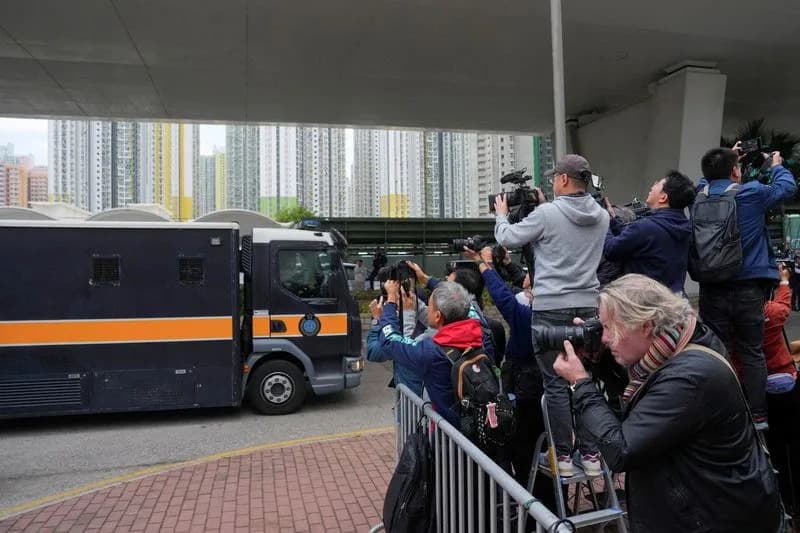
A van believed to be carrying Tetsuya Yamagami, a man accused of fatally shooting former Prime Minister Shinzo Abe, arrives for a trial at the Nara District Court. while media members are reporting in Nara, western Japan October 28, 2025, in this photo taken by Kyodo. Kyodo/via REUTERS
Prosecution: "An extremely grave incident that is unprecedented in post-war history."
Yamagami's defence has urged the court to consider the family's hardships caused by the donations to the Unification Church and asked that any prison term be capped at 20 years.
Political Aftermath
The assassination exposed close ties between segments of the LDP and the Unification Church, prompting an internal party probe that found more than 100 lawmakers had some dealings with the group. The revelations eroded public support for the party and have been a factor in recent leadership contests. Abe, who served a total of 3,188 days as prime minister over two terms before resigning in 2020 for health reasons, also maintained a strong personal rapport with then-U.S. President Donald Trump—an alliance invoked by current LDP leader Sanae Takaichi.
The court's ruling will bring a crucial chapter in a case that has reshaped Japan's political conversation and raised difficult questions about political influence, religious organisations, and the appropriate measure of justice for a high-profile political assassination.
Help us improve.