Nearly 60 female MPs, including Prime Minister Sanae Takaichi, have petitioned the Diet to add women's restrooms after noting only one nearby lavatory with two cubicles serves 73 lower-house women. Lawmakers say the shortage creates long queues and symbolizes broader gender gaps in Japanese politics and society. The move comes amid rising female representation — but persistent under-representation across business and media and a low ranking in the Global Gender Gap Report.
Japan’s Women MPs Demand More Toilets in the Diet as Female Representation Rises
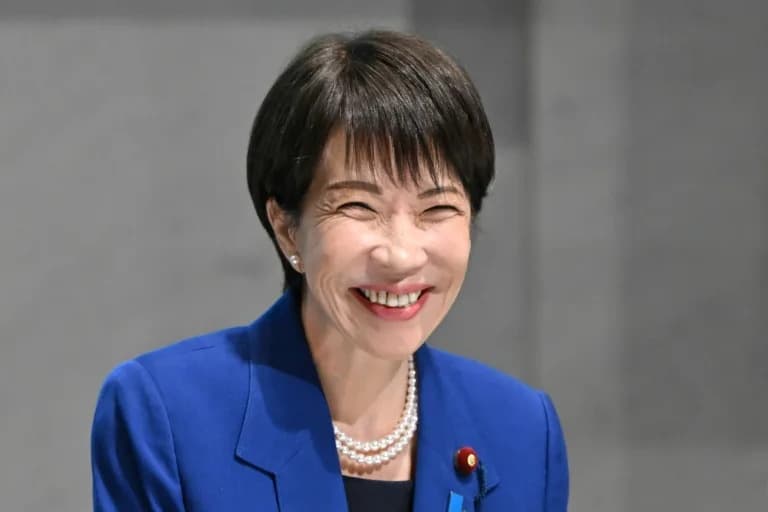
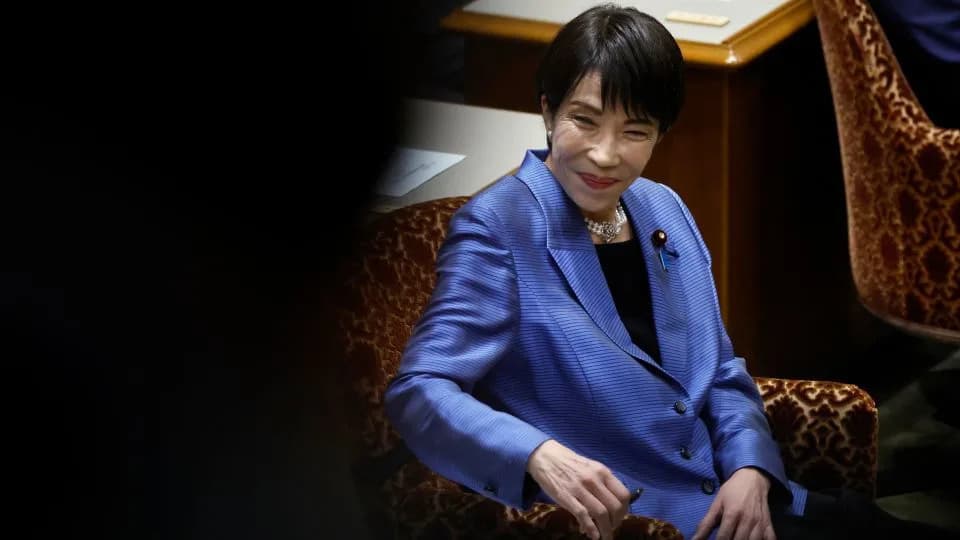
Prime Minister Sanae Takaichi is among 60 women lawmakers who have signed a petition calling for more toilet facilities for them in the parliamant building (Kazuhiro NOGI)(Kazuhiro NOGI/AFP/AFP)
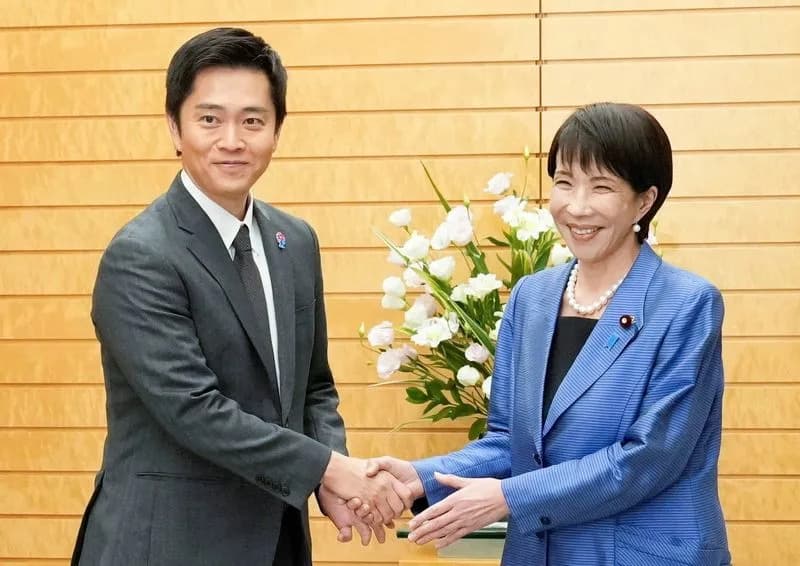
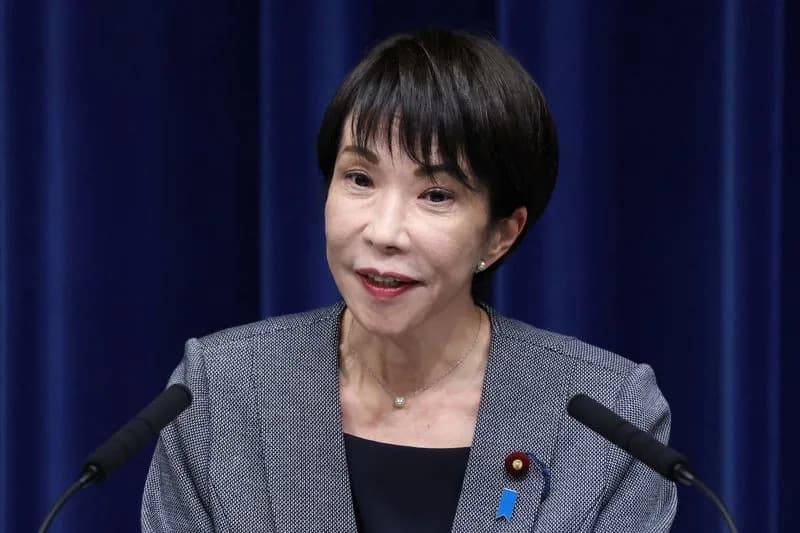
Nearly 60 female lawmakers in Japan — including Prime Minister Sanae Takaichi — have submitted a cross-party petition urging the Diet to add more women’s restrooms to the parliamentary complex to reflect their growing presence.
Shortage Highlights Broader Gender Gap
The petition notes that only one women's lavatory with two cubicles sits close to the Diet's main plenary chamber, yet it must serve the 73 women elected to the lower house. Lawmakers say the bottleneck forces long queues before sessions and underlines wider inequalities in Japanese politics and society.
“Before plenary sessions start, truly so many women lawmakers have to form long queues in front of the restroom,” said Yasuko Komiyama of the opposition Constitutional Democratic Party, after submitting a cross-party appeal signed by 58 women to Yasukazu Hamada, chair of the lower house rules and administration committee.
Context And Statistics
The Diet's central building was completed in 1936, nearly a decade before women gained the vote in 1945. According to the Yomiuri Shimbun, the entire lower-house complex contains 12 men's toilet rooms with about 67 urinal stalls and cubicles, and nine women's facilities totaling 22 cubicles — a stark contrast given the rising number of female lawmakers.
At the last election in 2024, 73 women won seats in the 465-member lower house (one has since left), up from 45 in the previous parliament. The 248-seat upper house currently includes 74 women. The government has set a target of achieving at least 30% female representation in legislative bodies.
Leadership And Political Tone
Prime Minister Sanae Takaichi, who became Japan's first female prime minister in October, is a high-profile sign of change but remains politically conservative on some social issues. Though she had expressed a desire for "Nordic" levels of gender balance, she appointed only two other women to her 19-member cabinet. Takaichi has spoken openly about menopause and women's health but opposes altering a law that requires married couples to share a surname and supports male-only imperial succession.
Japan ranked 118th out of 148 countries in this year's World Economic Forum Global Gender Gap Report. Women remain under-represented across business and media, and female political candidates commonly report sexist taunts and expectations to prioritize home and child care.
What The Petition Means
Lawmakers such as Komiyama say the campaign for more women's toilets is both practical and symbolic: it reflects real gains in female representation while highlighting how far Japan still has to go on gender equality.
Next steps: The petition was formally handed to the committee chair for consideration; any changes to the Diet building or facilities will depend on that committee's review and available budget.
Help us improve.