The article explains what typically follows an ICE arrest: issuance of a Notice to Appear or, in some cases, expedited removal; short‑term processing followed by transfer to ICE detention; and limited access to government‑funded counsel. Recent policy shifts expanding mandatory detention have sparked litigation in hundreds of courts. Local New York cases highlight alleged due‑process violations, long transfers and harsh conditions, while national figures underscore how many people are affected and how detention can force life‑altering choices.
After an ICE Arrest: What Happens Next — Arrest, Detention, Rights, and the Road Ahead

What happens after an ICE arrest?
A day after a federal immigration officer fatally shot a woman in Minneapolis, New York City officials warned residents that federal immigration enforcement may increase in the city. Department of Homeland Security (DHS) leaders have said they will use available tools to enforce immigration laws — raising urgent questions about what happens in the minutes, weeks and months after an ICE arrest.
What Happens During and Immediately After An Arrest
ICE officers typically serve a Notice to Appear that charges a person with being unlawfully present and requires them to appear before an immigration judge. In some cases, officers issue an order of expedited removal, which can lead to deportation without a full hearing; roughly 9% of people in ICE custody in December were recorded as subject to expedited removal.
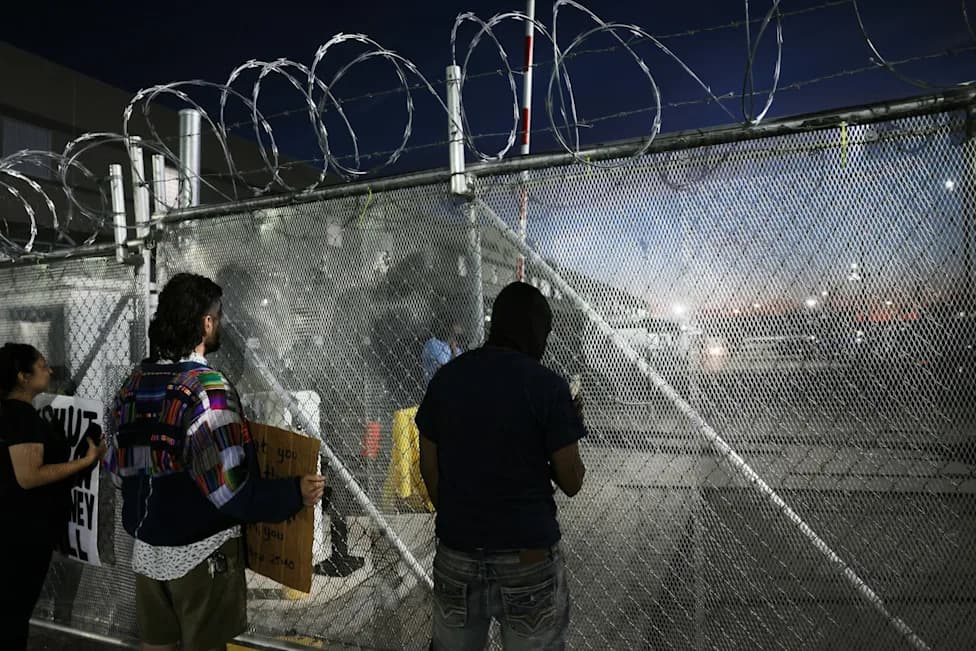
Processing at a local ICE office usually takes about one day before a person is transferred to a detention facility, according to the Mayor’s Office of Immigrant Affairs. After processing, detainees are entered into an electronic tracking system intended to allow family and attorneys to find their locations. Advocates dispute how reliably that system is updated.
Detention: Purpose, Practice, and Discretion
ICE describes detention as non‑punitive and designed to ensure people attend court and to protect public safety. In practice, however, detention decisions rest on broad agency authority. ICE officials and immigration lawyers say officers exercise discretion — but factors such as available bed space, perceived flight risk, and agency priorities often shape who is released or detained.
Some people are released under conditions like regular check‑ins, electronic monitoring, or bond. Increasingly, advocates say arrests are occurring at the very check‑ins meant to avoid detention.
Mandatory Detention And Litigation
A law passed during the Reagan administration established categories of mandatory detention — typically for individuals accused or convicted of certain crimes and for recent unauthorized entrants. More recent federal policy guidance expanded the government’s interpretation of mandatory detention to include people who have lived in the U.S. for many years, a shift that prompted litigation nationwide.
More than 350 courts have rejected the government’s broader interpretation of mandatory detention in various cases, including class actions and individual challenges. In New York, federal judges have ordered releases in high‑profile cases where they found little or no discretion used in arrests and detention — citing due process concerns and prolonged, disruptive transfers.
Transfers, Conditions, And Duration
ICE frequently transfers detainees to facilities far from their homes. Critics say transfers are sometimes used punitively; ICE maintains they are part of operational needs. Cases cited by advocates include long transfers that prevented detainees from attending family events or securing legal representation.
On average, people spend just over two months in ICE custody, though individual cases vary widely. Nearly 7,000 people have been detained for more than six months, and advocates warn that detention can be prolonged — sometimes for years — while cases work their way through immigration courts.
Access To Counsel And Court Process
There is no constitutional right to government‑funded counsel in immigration proceedings; individuals may hire private attorneys or seek help from nonprofit legal services. In many cases, detention and limited access to counsel increase pressure to accept deportation, even for people who may have lawful defenses.
In ordinary detention cases, a detainee can ask an immigration judge to review detention and request release on bond. Those held under mandatory detention rules often have fewer opportunities to request release, making litigation over the scope of mandatory detention central to many challenges.
Outcomes And Human Impact
Officials have reported large numbers of removals and voluntary departures in recent years. Advocates say the combination of aggressive enforcement, difficult detention conditions, and limited access to counsel creates a climate of fear and can produce severe — even life‑and‑death — consequences for people in custody.
“The stakes here are really life and death,” said Anthony Enriquez, vice president for U.S. Advocacy and Litigation at the Kennedy Human Rights Center. “Cruelty is the point of most of what they’re doing,” said Sarah Gillman, also with the Kennedy center, describing how detention pressures people to accept removal even when they have legal claims.
High‑Profile Local Cases
Several New York cases illustrate the stakes: Carlos Javier Lopez Benitez was ordered released by a judge who found due process violations after federal agents detained him despite his long residence and pending asylum claim. Mahmoud Khalil, a lawful permanent resident and student, was transferred far from home and missed the birth of his child; advocates say his activism may have played a role in his protracted detention. Larysa Kostak’s legal team argued she was wrongfully denied a bond hearing; the government appealed after a judge permitted community‑posted bond.
What To Do If Someone Is Arrested
If a loved one is detained, try to record the arrest details (time, place, officer names/badges), locate the detainee on ICE’s public locator or through attorneys, contact an immigration attorney or local legal aid group immediately, and document any health or legal needs. Community organizations often post resources and hotlines for detained people and their families.
These practices — from initial arrest to prolonged detention and transfer — continue to draw legal challenges and public scrutiny. As policy and enforcement priorities shift, outcomes for individuals in ICE custody will depend heavily on access to counsel, judicial rulings about mandatory detention, and local and federal enforcement choices.
Help us improve.