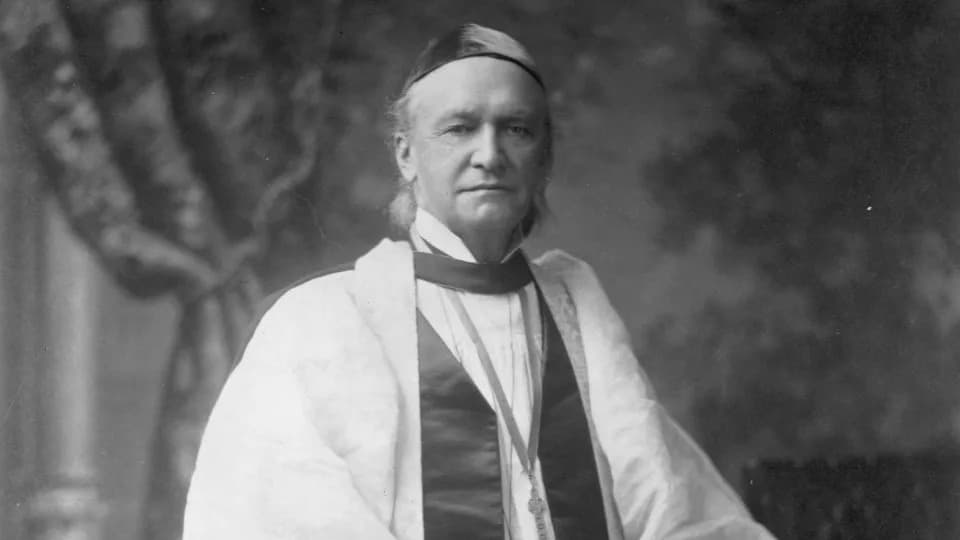
ABC News reports that multiple attorneys were denied in-person visits with clients held at the Bishop Henry Whipple Federal Building in Minneapolis after DHS said more than 3,000 immigration arrests occurred in six weeks. Lawyers described being blocked from seeing detainees, including a U.S. citizen and veteran; an ICE officer allegedly warned that visits would cause "chaos." DHS says detainees can call lawyers and receive lists of low-cost counsel, but advocates warn phone access cannot always replace confidential, in-person legal contact. The reports echo earlier court orders and complaints about conditions at other ICE facilities.
ICE Denies Lawyers Access at Minneapolis Whipple Building Amid Surge of Arrests
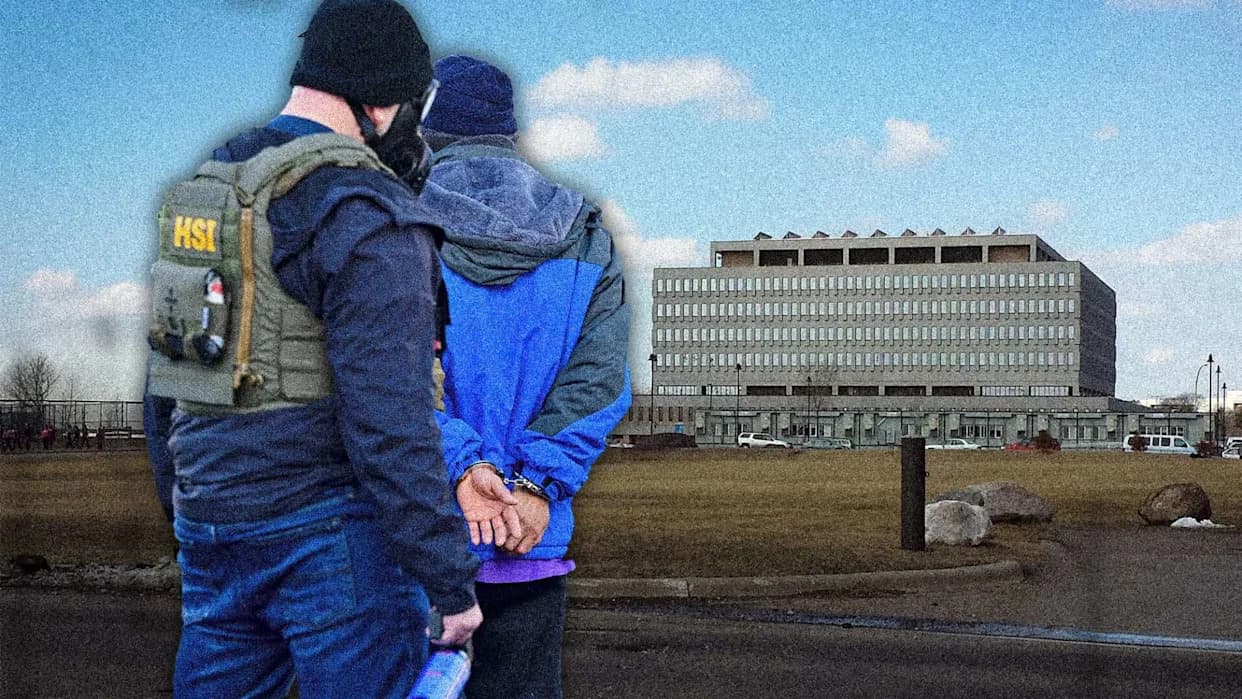
ICE Turns Lawyers Away at Minneapolis Detention Facility
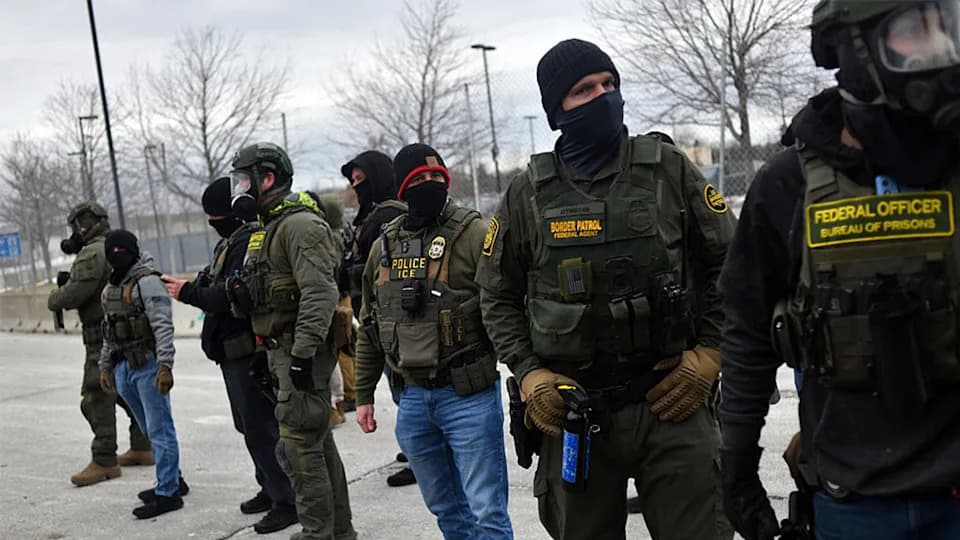
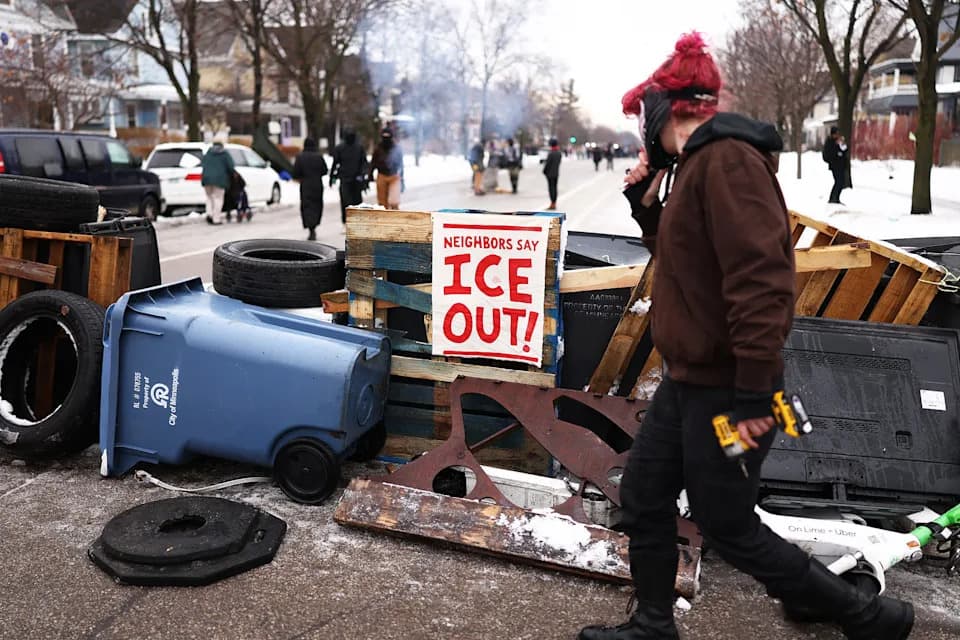
On Monday the Department of Homeland Security (DHS) said more than 3,000 immigration arrests have occurred in the past six weeks as part of an intensified enforcement operation in Minneapolis. The arrests have renewed concerns that detainees — including immigrants and, in one reported case, a U.S. citizen — are being deprived of meaningful access to counsel.
Attorney Visits Reportedly Blocked
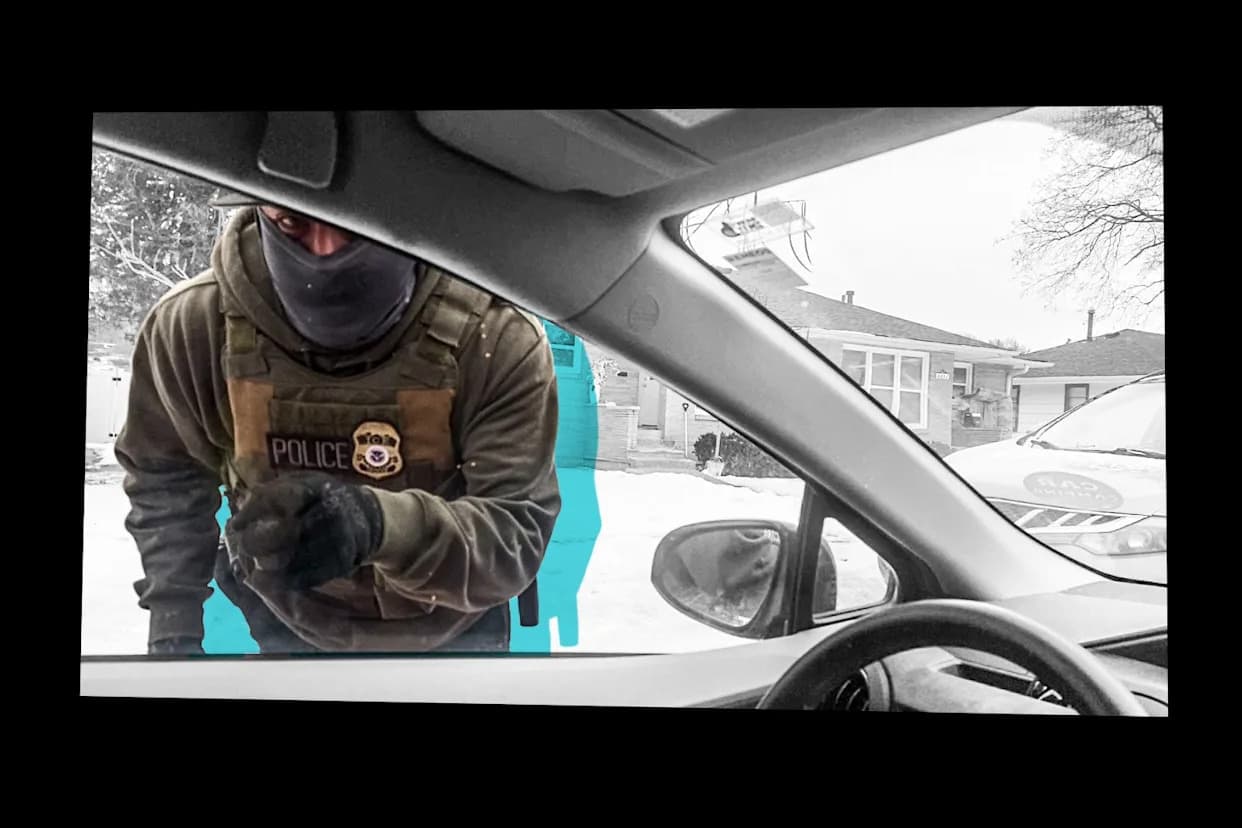
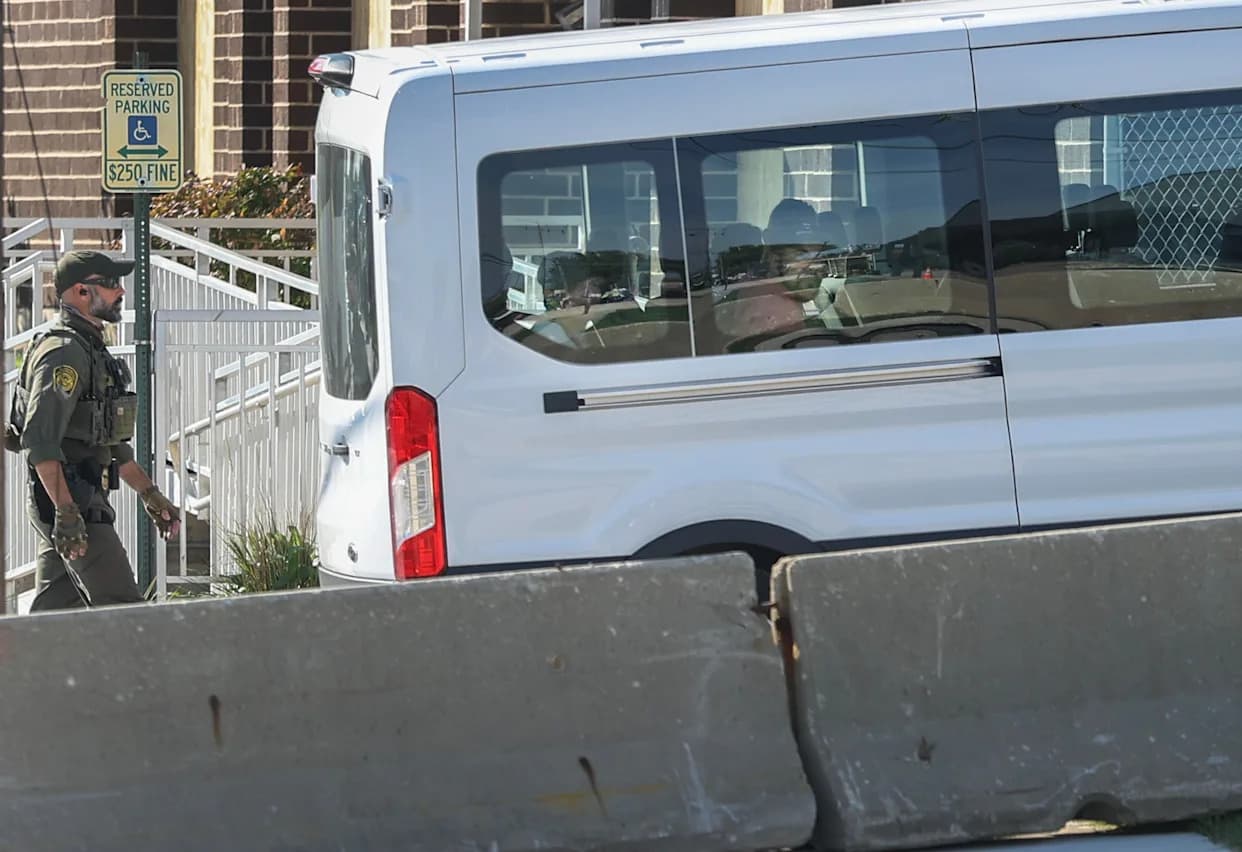
Earlier this week, ABC News reported that attorneys seeking to visit clients at the Bishop Henry Whipple Federal Building in Minneapolis were turned away by federal officers. Several lawyers, speaking on condition of anonymity, described repeated denials of in-person visitation.
"I stood outside the visitation room for about four hours… and they just kept repeating, 'we don't do attorney visitation,'" one immigration lawyer said.
An anonymous criminal-defense attorney told ABC they were prevented from seeing a client — a U.S. citizen and Iraq War veteran — after an enforcement action near the client's home. Another lawyer said an ICE agent warned that allowing lawyer visits would cause "chaos."
Official Response
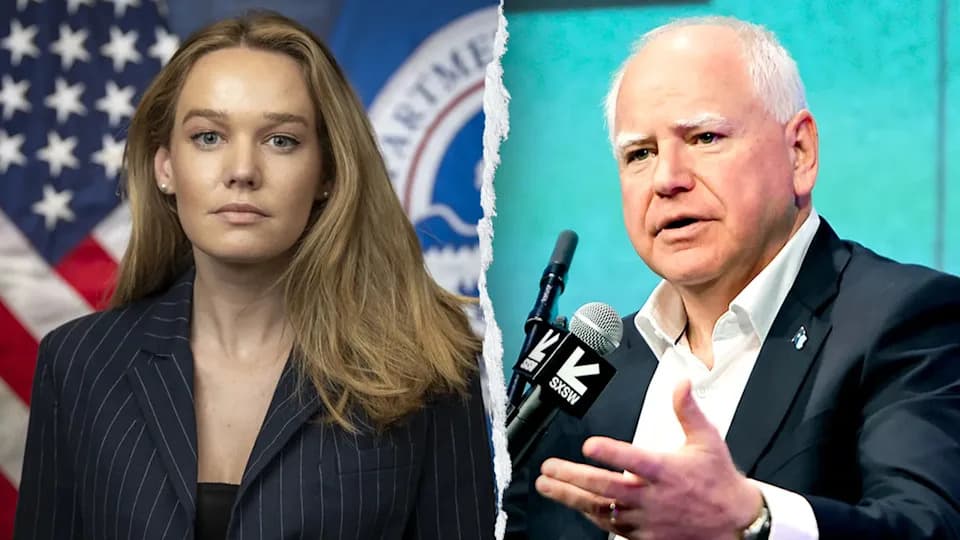
A DHS spokesperson told Reason that "all detainees at the Whipple building have opportunities to communicate with their family members and lawyers." DHS also told ABC News that detainees "have access to phones they can use to contact…lawyers" and are provided with a list of free or low-cost attorneys.
Why Phone Access May Be Insufficient
Attorneys and advocates stress that phone access cannot always substitute for confidential, in-person attorney-client contact. Calls can be monitored or recorded, which undermines confidentiality, and some needs — such as family members delivering prescribed medication or reviewing documents in person — cannot be met by phone.
Legal Standards and Broader Context
The ICE National Detention Standards require that legal representatives be permitted visitation "seven days a week, including holidays…for a minimum of eight hours per day on regular business days, and a minimum of four hours per day on weekends and holidays." While immigration detainees are not entitled to government-appointed counsel, they have a statutory right to secure representation in removal and appeal proceedings; detainees with counsel are statistically more likely to prevail in their cases.
The reported denials echo prior court findings involving other facilities. In November, a federal judge in the Northern District of Illinois issued a temporary restraining order addressing inhumane conditions at the overcrowded Broadview ICE facility and required, among other things, access to attorneys and prescribed medications. Plaintiffs later alleged continued violations of that order.
What This Means
Observers say the reported restrictions at the Whipple building raise potential Fifth and Sixth Amendment concerns and could impede detainees' ability to exercise legal rights. DHS continues to deny constitutional violations and maintains that detainees can communicate with counsel by phone and are given referral resources.
Note: The accounts cited here come from ABC News reporting that included multiple anonymous attorneys. DHS has disputed claims of constitutional violations at the Whipple facility.
Help us improve.