A large freshwater reservoir beneath the Atlantic seafloor off the U.S. East Coast appears to date to about 20,000 years ago and may extend from offshore New Jersey toward Maine. Expedition 501 recovered roughly 13,200 gallons (50,000 liters) from three sites drilled about 1,300 ft (400 m) below the seafloor; preliminary isotope tests point to a glacial origin. Salinity at sampled sites ranged from ~1 to ~18 parts per 1,000, and more detailed analyses to refine the reservoir’s size and age are expected in about a month.
Vast Subsea Freshwater Reservoir Off U.S. East Coast May Be 20,000 Years Old — Could Supply NYC for Centuries
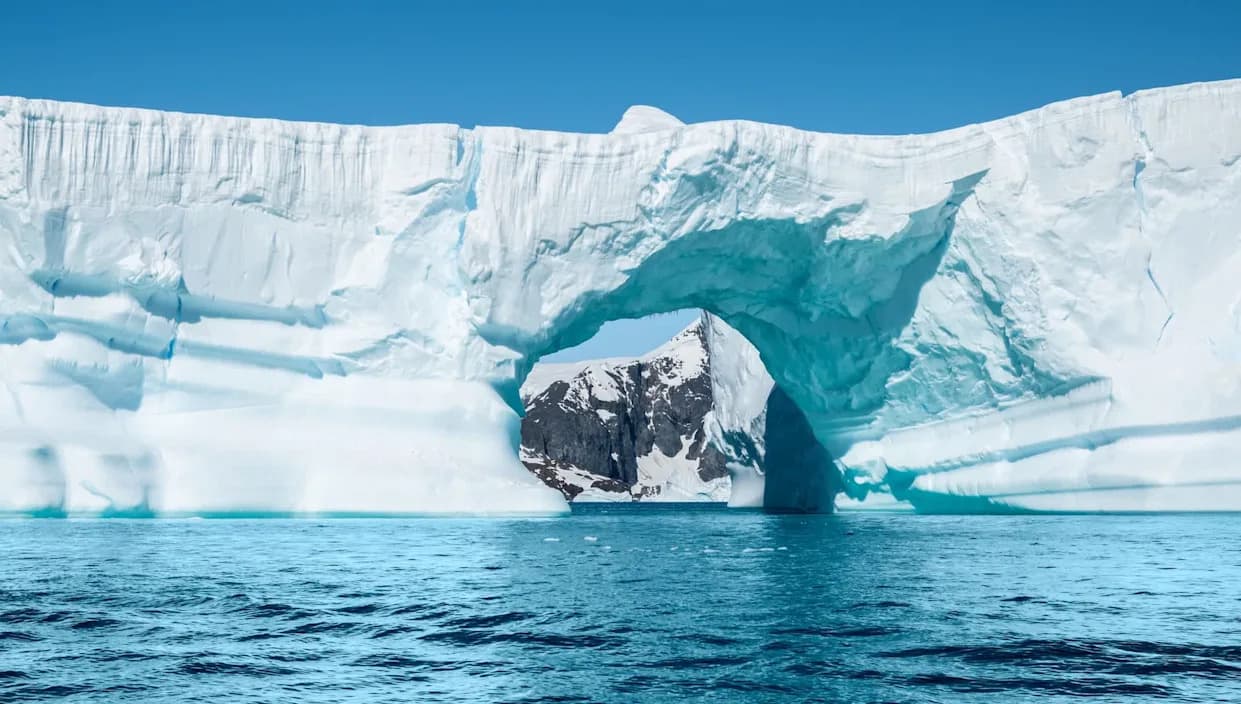
Researchers are figuring out how a giant fresh water reservoir ended up under the ocean off the East Coast. | Credit: Anton Petrus/Getty Images
A vast, previously hidden freshwater reservoir beneath the Atlantic seafloor off the U.S. East Coast — large enough that some estimates suggest it could supply a city the size of New York City for centuries — appears to have been deposited during the last ice age, researchers say.
What Researchers Found
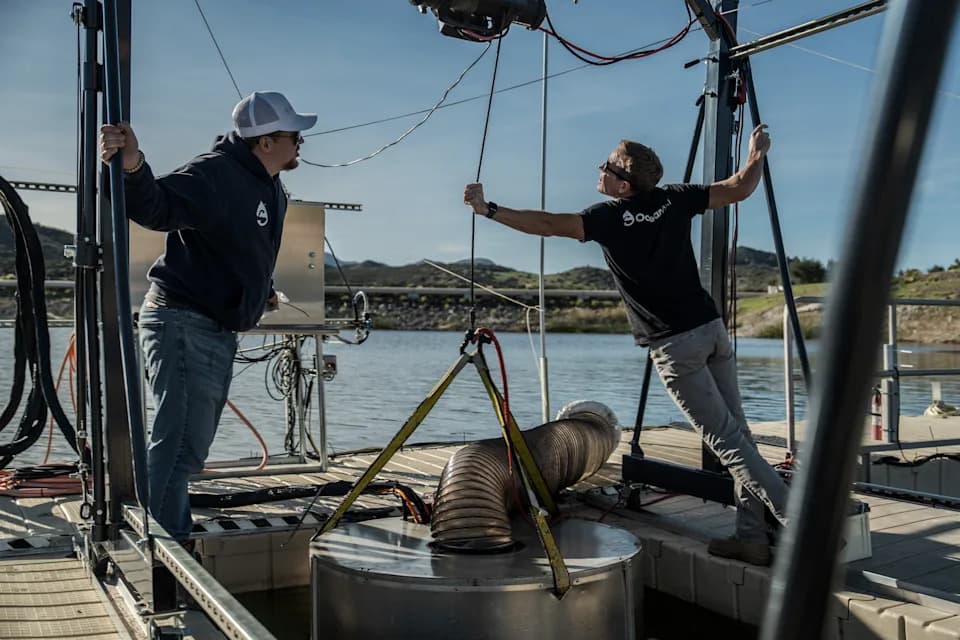
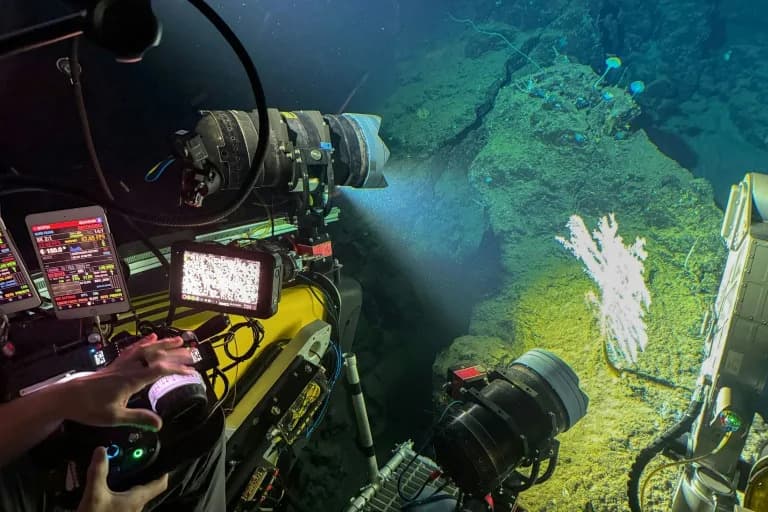
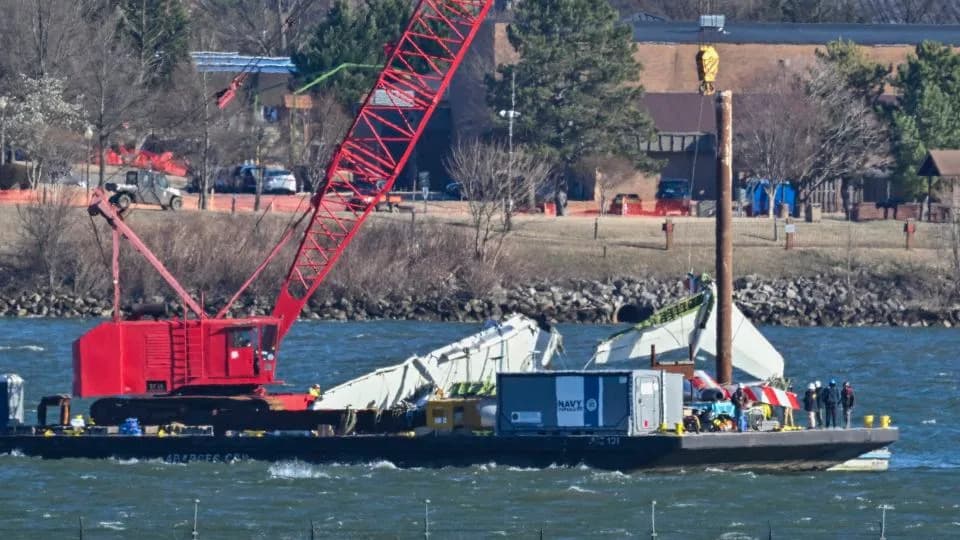
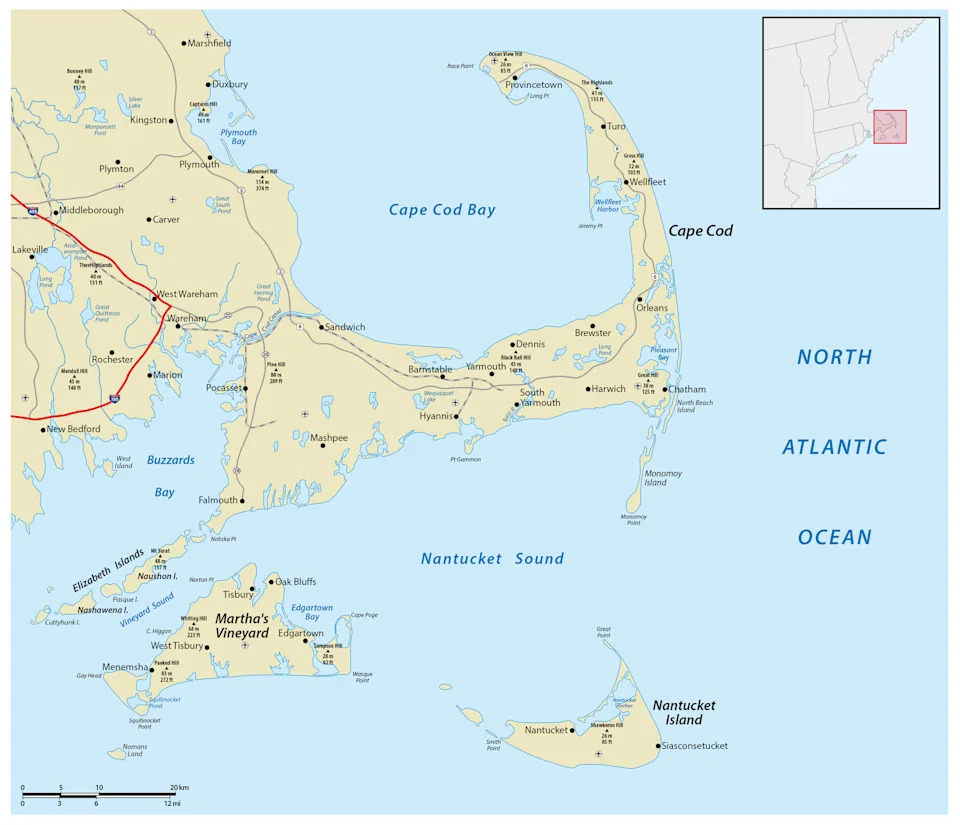
During a three-month research voyage (Expedition 501), scientists recovered roughly 13,200 gallons (50,000 liters) of water from three sites about 20–30 miles (30–50 km) off the Massachusetts coast near Nantucket and Martha's Vineyard. Drilling reached about 1,300 feet (400 meters) below the seafloor and revealed a thick, freshwater-saturated sediment layer capped by saltier sediments and an impermeable clay-and-silt seal.
Evidence Points to a Glacial Origin
Preliminary radiocarbon, noble gas and isotope analyses indicate most of the sampled water likely arrived during the last glacial period, roughly 20,000 years ago. Scientists say glacier-driven processes — including meltwater generated beneath ice sheets that was forced into sediments by the weight of the ice — are the leading explanation, though a contribution from rainfall when sea levels were lower is also possible.
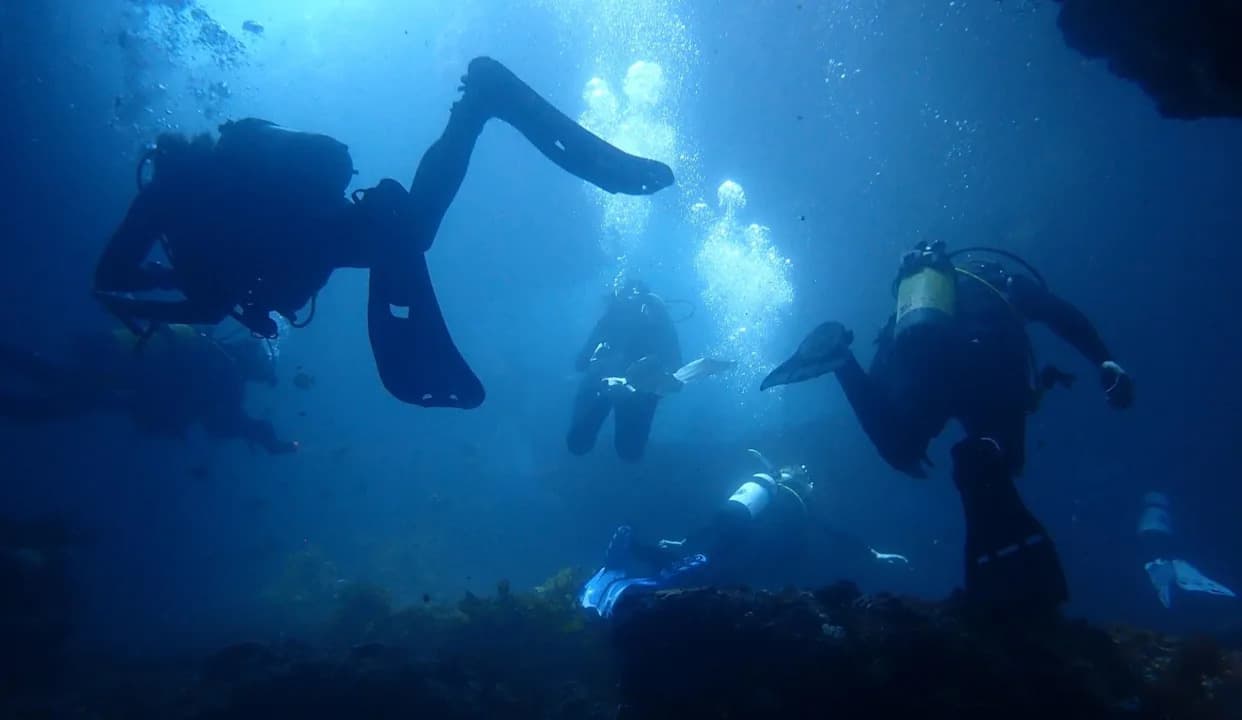
To extract water samples, researchers drilled into the seafloor at three locations off Martha's Vineyard and Nantucket. | Credit: Rainer Lesniewski/Getty Images
Salinity and Distribution
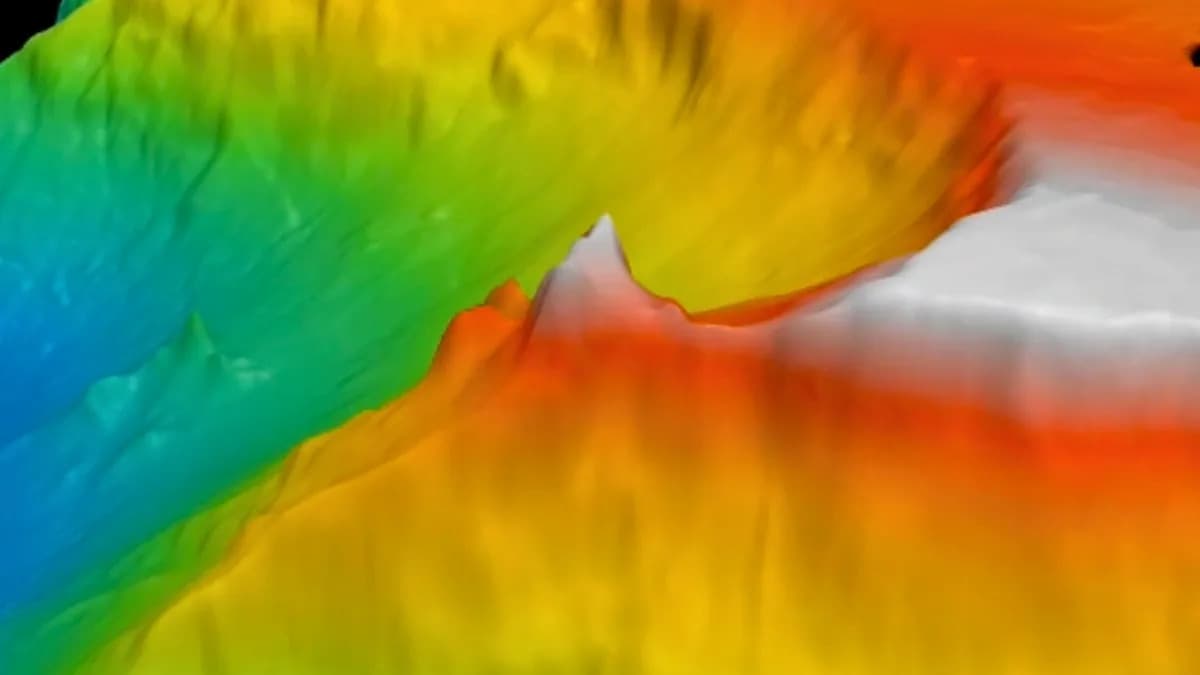
Salinity measurements at the sampled sites declined toward shore but remained well below ocean levels. The site nearest Nantucket and Martha's Vineyard measured about 1 part per 1,000 (near the upper safe limit for drinking water), a midsite measured 4–5 parts per 1,000, and the farthest site measured 17–18 parts per 1,000 (roughly half typical ocean salinity). Preliminary mapping suggests the freshwater body may extend from offshore New Jersey northward toward Maine, potentially larger than earlier records implied.
How Such Reservoirs Form
Researchers have proposed three main mechanisms for large submarine freshwater deposits: (1) long periods of low sea level allow rain to infiltrate exposed shelf sediments and become trapped when sea levels rise; (2) coastal highlands funnel large volumes of freshwater into nearshore sediments; and (3) glacial processes force meltwater into the subsurface under the weight and movement of ice sheets.
Next Steps and Cautions
Scientists are conducting more detailed analyses of the collected samples to determine sediment ages, pore space (to better estimate volume), microbial communities, and rare earth element content. The team expects more definitive results about the reservoir's age, origin and extent in about a month. Researchers emphasize that while the discovery is scientifically significant, any consideration of extracting this water would require extensive study of sustainability, legal issues, environmental impacts and engineering challenges.
Quote: “Our goal is to provide an understanding of the system so if and when somebody needs to use it, they have information to start from, rather than recreating information or making an ill-informed choice,” said Brandon Dugan, co-chief scientist of Expedition 501 and a professor of geophysics at the Colorado School of Mines.
Help us improve.