The Justice Department has formed an AI Litigation Task Force to challenge state-level AI regulations it considers unlawful, preempted by federal law, or an unconstitutional regulation of interstate commerce. The memo from Attorney General Pam Bondi cites President Trump's executive order targeting what the administration calls "excessive" state AI rules and says the task force will consult White House AI adviser David Sacks. The group will be staffed by officials from the Deputy and Associate AG offices, the Civil Division and the Solicitor General. The move has drawn bipartisan criticism and prompted congressional efforts to block the executive order.
Justice Department Launches AI Litigation Task Force To Challenge State AI Rules
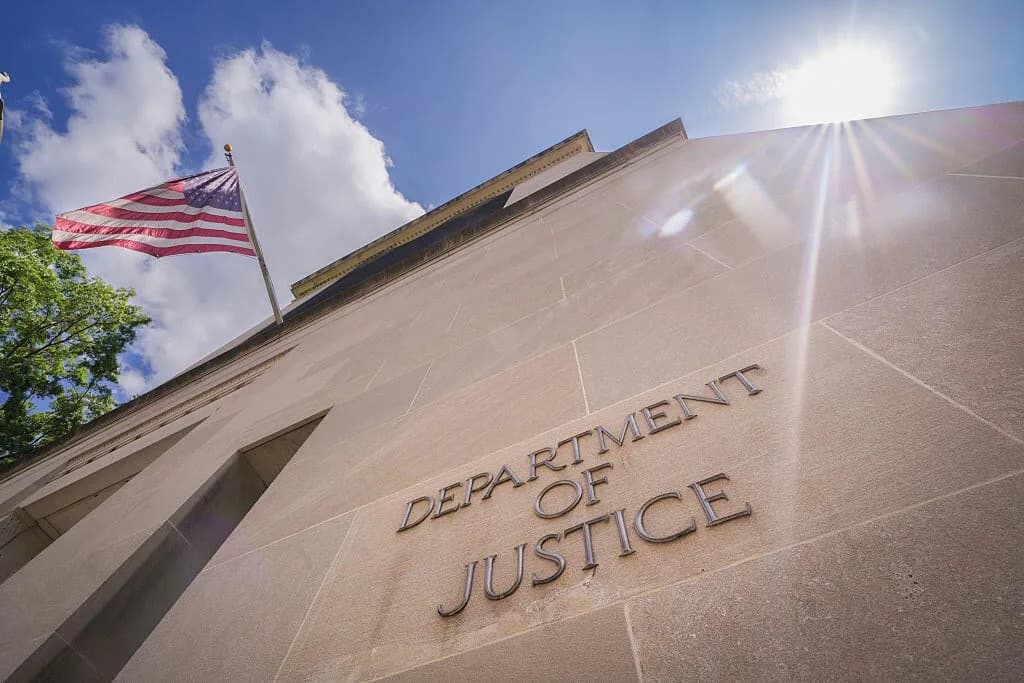
The Justice Department announced on Friday that it is forming an AI Litigation Task Force to identify and legally challenge state-level artificial intelligence regulations it views as unlawful or harmful to innovation. The move, described in an internal memo from Attorney General Pam Bondi and reviewed by CBS News, follows President Trump's recent executive order aimed at limiting what the administration calls "excessive" state oversight of AI.
What the Memo Says
Bondi's memo says the task force will evaluate state statutes and pursue challenges where laws appear to be illegal, impermissibly regulate interstate commerce, or are preempted by federal law. The memo directs the task force to consult with White House advisers — including the administration's AI and crypto official, David Sacks — to identify state rules that may warrant litigation.
Leadership And Staffing
The task force will be led by Attorney General Bondi or a designated appointee and will include representatives from the offices of the Deputy and Associate Attorney General, the Justice Department's Civil Division, and the Solicitor General's office.
States And The Issues At Stake
Several states, including Colorado, California, Utah and Texas, have passed laws setting rules for AI companies, and many other states are considering AI legislation. Most proposals in state legislatures in the last year focused on consumer protections: limiting deepfakes, requiring disclosure when consumers interact with AI chatbots, and other safeguards highlighted by policy analysts such as the Brookings Institution.
David Sacks: "[The executive order] will provide the tools necessary for the federal government to push back against the most onerous and excessive state regulation."
Political Pushback
The announcement has drawn criticism across the political spectrum. In December, Senate Democrats led by Sen. Ed Markey of Massachusetts introduced legislation aimed at blocking Mr. Trump's executive order on state AI regulation. Markey said at the time, "While I am confident that the courts will strike down Trump's illegal power grab, Congress has a responsibility to assert its legislative authority and block this Executive Order."
Supporters of state regulation argue a diverse set of state rules can protect consumers and address local priorities; critics warn that a confusing patchwork of laws could hamper innovation and complicate compliance for businesses that operate nationwide. The new task force sets the stage for legal battles over how AI will be governed in the U.S., and whether federal authority will curtail state efforts to regulate the technology.
Help us improve.