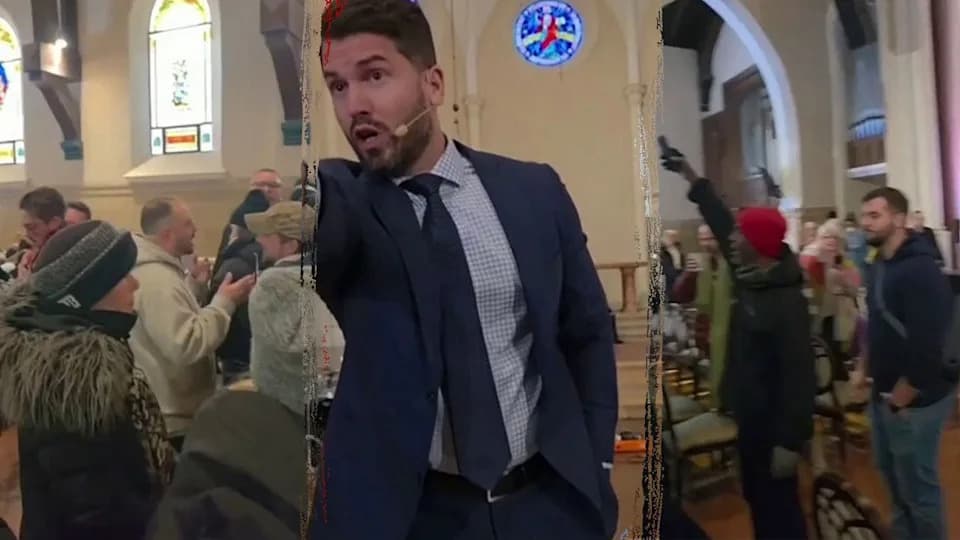
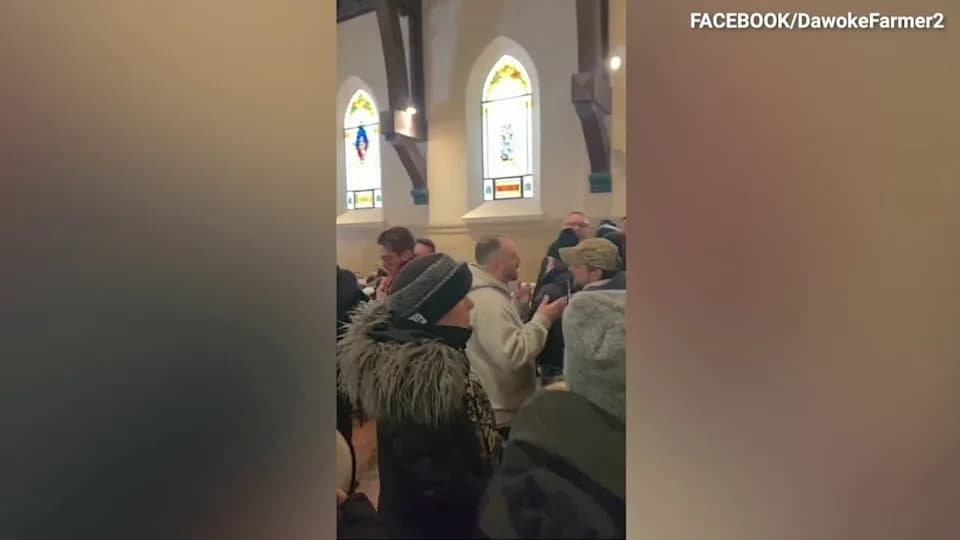
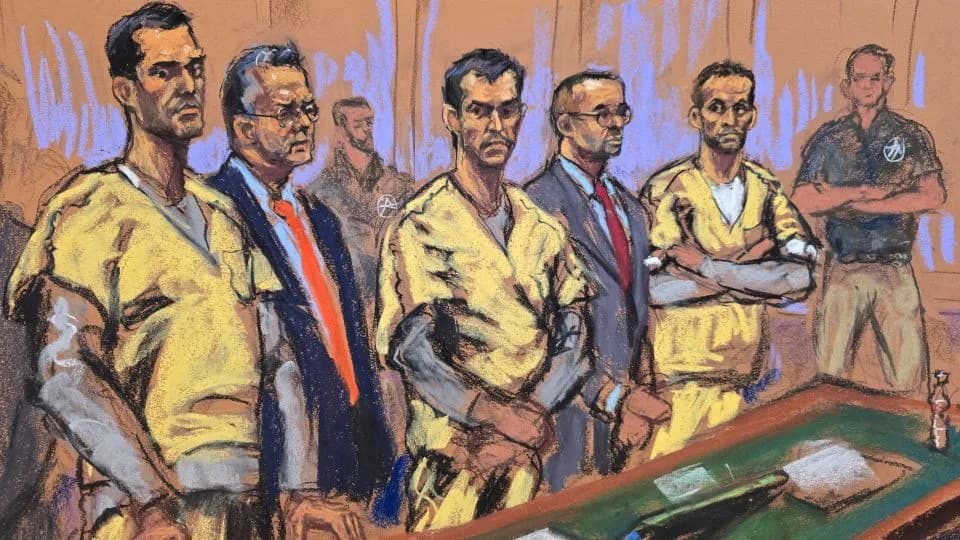
The 8th U.S. Circuit Court of Appeals refused the Justice Department's request to authorize charges against five more people accused of disrupting a Minnesota church service, after a magistrate found insufficient evidence to issue warrants. Three activists — Nekima Levy Armstrong, Chauntyll Louisa Allen and William Kelly — were charged with conspiracy against rights, while a count alleging physical obstruction of worship was removed. Judges on the appeals panel declined to intervene, noting the DOJ may still present the matter to a grand jury or supply additional evidence to the magistrate.
Appeals Court Denies DOJ Bid To Add Charges Over Minnesota Church Protest
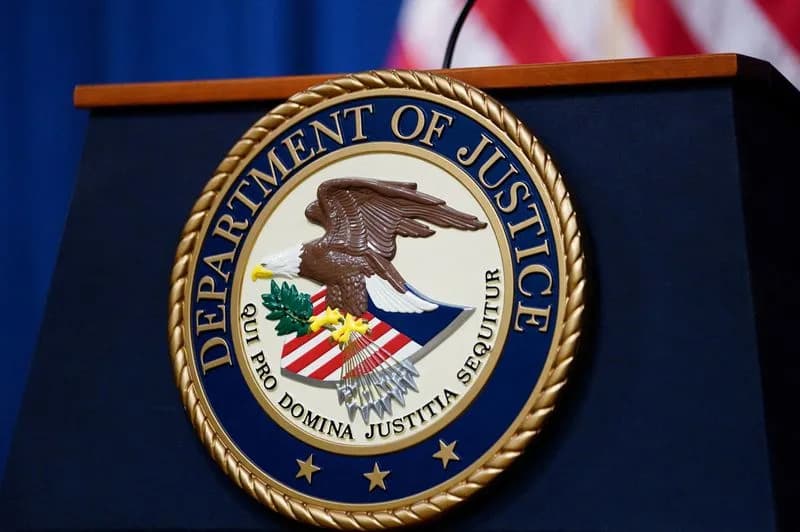
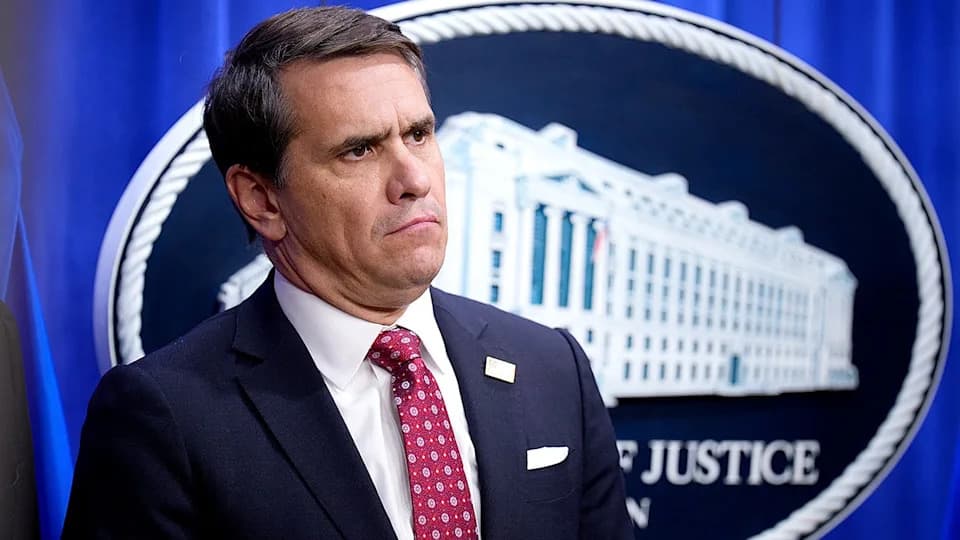
FILE PHOTO: The seal of the U.S. Justice Department is seen on the podium in the Department's headquarters briefing room in Washington, January 24, 2023. REUTERS/Kevin Lamarque/File Photo
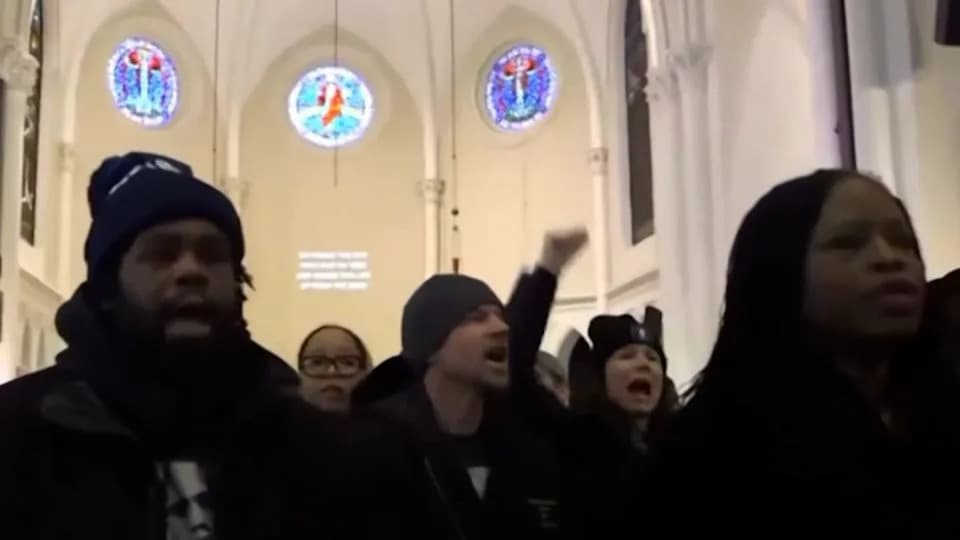
A federal appeals panel on Jan. 24 declined the Justice Department's request to authorize criminal charges against five additional people accused of disrupting a Minnesota church service, according to court filings made public Saturday. The decision underscores judicial resistance to an aggressive push by the Trump administration to expand prosecutions tied to the demonstration.
What the Courts Said
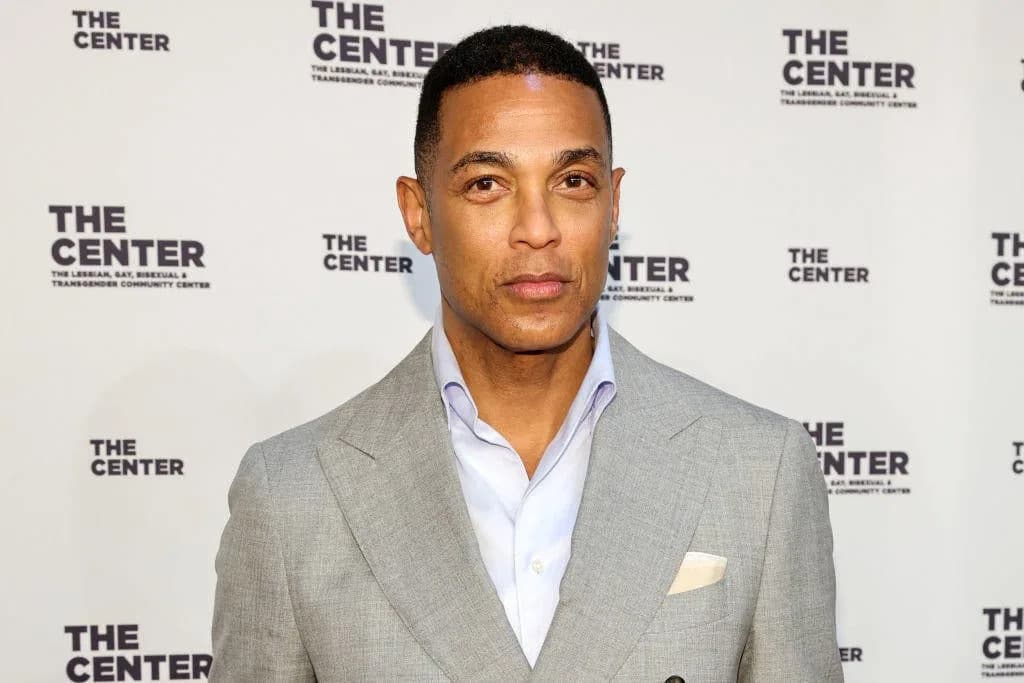
The 8th U.S. Circuit Court of Appeals refused to intervene after a federal magistrate judge declined to sign arrest warrants for five proposed defendants, finding insufficient evidence. Among those five was former CNN anchor Don Lemon, who recorded the demonstration.
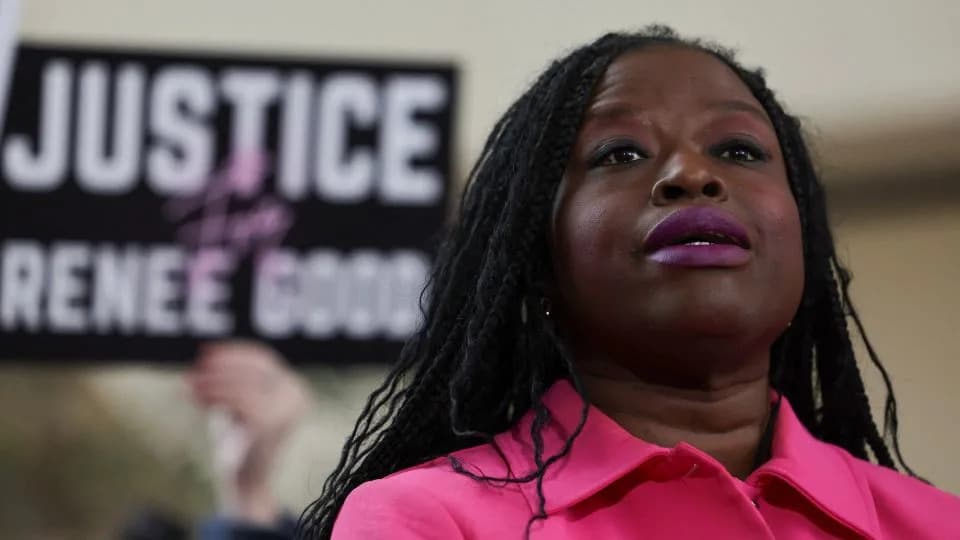
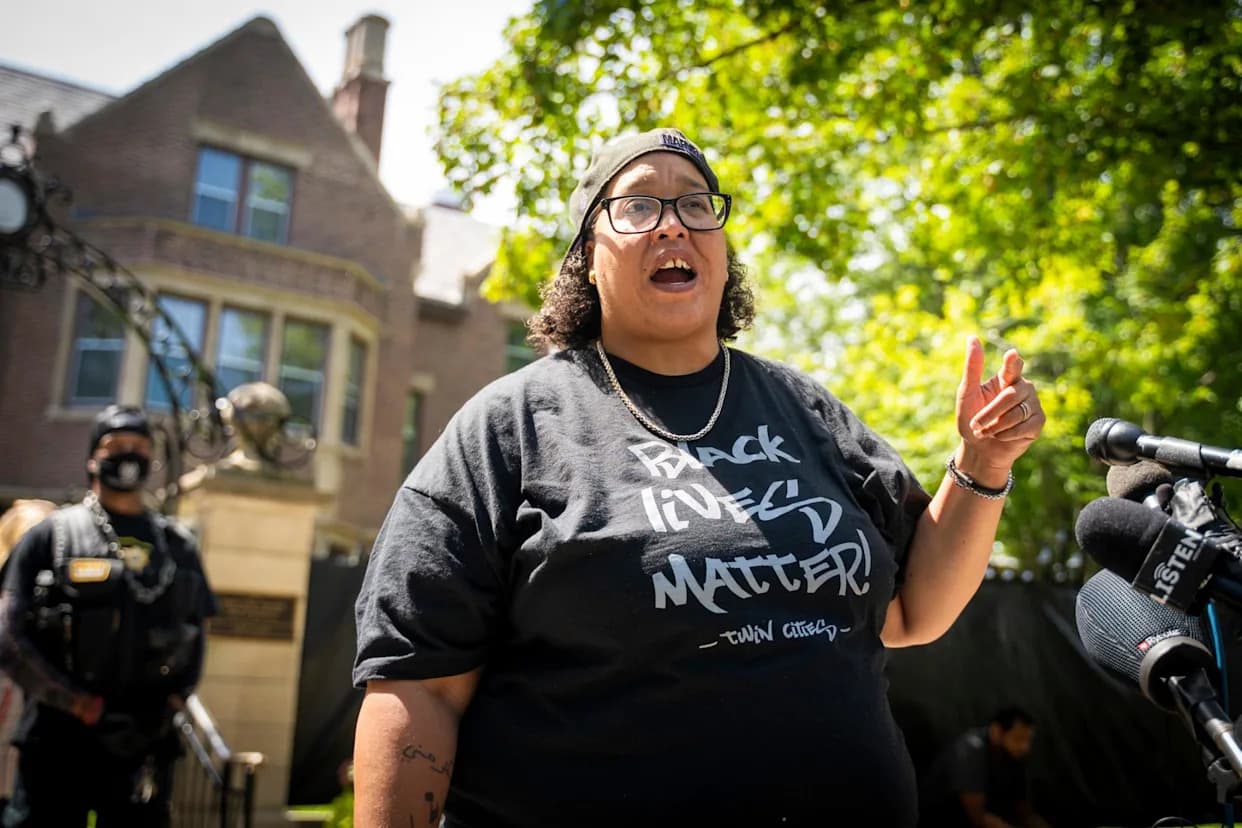
The magistrate did, however, allow charges to proceed against three alleged leaders of the protest — Nekima Levy Armstrong, Chauntyll Louisa Allen and William Kelly — each charged with a count of conspiracy against rights for allegedly intimidating and harassing parishioners. A separate proposed count accusing them of physically obstructing a house of worship was removed.
Chief U.S. District Judge Patrick Schiltz described the Justice Department's request as "unheard of in our district," saying the appeal was unlike the kinds of requests typically seen within the 8th Circuit.
All three judges on the 8th Circuit panel declined to step in. Judge Leonard Steven Grasz wrote separately that he believed prosecutors had presented enough evidence to support charges against the additional individuals but noted the Department of Justice retains other procedural options, including presenting the case to a grand jury.
Next Steps
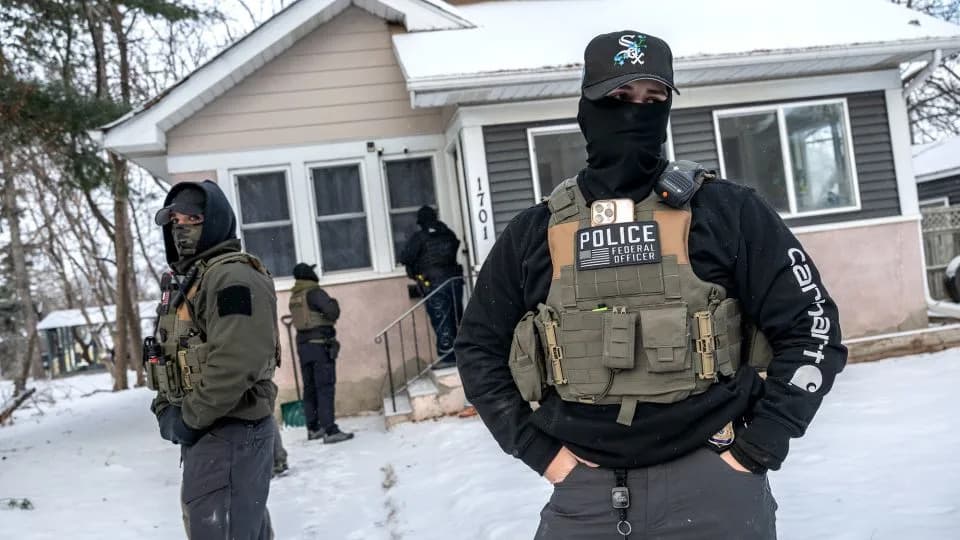
The Justice Department can still seek indictments from a grand jury or attempt to present additional evidence to the magistrate judge to obtain arrest warrants. The case has attracted attention amid an expansive immigration enforcement push in Minnesota and statements from some administration officials about protecting Christian worship services.
A Justice Department spokesperson did not immediately respond to requests for comment.
Reporting by Andrew Goudsward; editing by Sergio Non and Rod Nickel.
Help us improve.