The article examines bills in Oklahoma and Utah that would restrict climate-related civil lawsuits against oil companies, with Oklahoma’s measure imposing the broadest limits. Advocates say the proposals are part of a coordinated push—supported in some cases by industry lobbying—to limit legal accountability for fossil fuel firms. Legal experts predict the measures would likely face constitutional challenges, while advances in attribution science and a pending Supreme Court decision could heavily influence the future of climate litigation.
Red-State Bills Seek to Shield Oil Companies From Climate Lawsuits — Oklahoma Measure Is Especially Broad
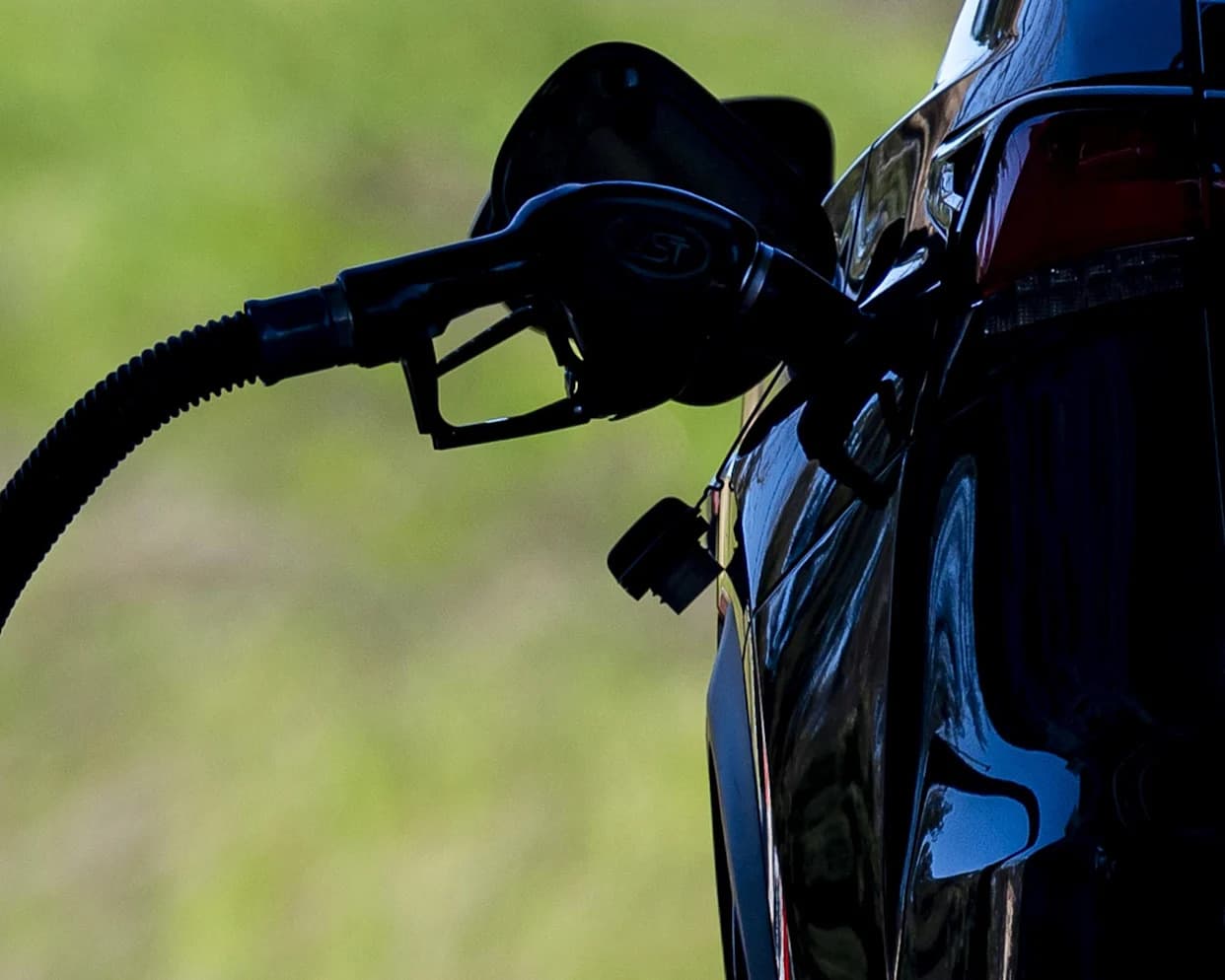
A fuel nozzle in a car at a gas station in Hercules, California, on 14 March 2024.Photograph: David Paul Morris/Bloomberg via Getty Images
Lawmakers in two conservative US states have introduced legislation that would sharply limit the ability of governments and communities to sue fossil fuel companies over their contribution to climate change.
Oklahoma has proposed a bill that would bar most civil claims against oil companies tied to the climate crisis unless plaintiffs point to violations of specific environmental or labor statutes. Utah is considering a narrower measure that would block lawsuits seeking to hold companies accountable for greenhouse gas emissions unless a court first finds the defendant violated an applicable statute or permit.
“I think anyone in America who breathes the air around them and also believes in corporate accountability ought to be very concerned about these types of end-runs against accountability,”said Jay Inslee, the former governor of Washington state and a former trial attorney.
Context and Similar Efforts
Observers say the state proposals are likely aimed at preventing local governments and communities from joining a wave of climate-liability litigation: more than 70 states, cities and local governments have sued major oil companies alleging deception about climate risks. The Guardian has contacted the bills’ sponsors for comment.
At the national level, fossil fuel companies and allied officials have pushed for broader protections. Last year, 16 Republican state attorneys general urged the US Department of Justice to seek a national “liability shield” for oil firms. Lobbying records show ConocoPhillips and the American Petroleum Institute pressed Congress on draft legislation to limit climate liability. Lawmakers in other states have pursued narrower protections—some successful, some not.
Responses From Advocates and Legal Experts
Critics describe the measures as part of a coordinated effort to strip communities and states of legal recourse.
“These proposals are clearly part of a larger coordinated effort to strip communities and states of their right to hold Big Oil accountable,”said Richard Wiles, president of the Center for Climate Integrity.
“If you have not violated the law, there is no reason to seek immunity.”
Legal scholars expect the measures would face challenges in court. Pat Parenteau, an environmental law expert at Vermont Law School, warned that a broad waiver of liability could raise serious state constitutional issues. Michael Gerrard, a climate law scholar at Columbia University, said Oklahoma’s bill is particularly sweeping because it would target claims alleging fraud, misrepresentation, deception, failure to warn, or deceptive marketing—central elements in many existing climate cases. Utah’s proposal, by contrast, is limited mainly to emissions-based claims and therefore could leave some causes of action intact.
Oil companies have argued that climate litigation effectively tries to regulate emissions and is preempted by federal law; plaintiffs counter that many suits pursue redress for alleged deception rather than seeking to set emissions standards.
Wider Implications
The state bills arrive while advocates await a US Supreme Court decision on whether it will hear a climate case brought by Boulder, Colorado—an outcome that could either embolden or constrain climate-accountability litigation nationally. Advances in attribution science, which better link specific extreme-weather events to human-caused climate change, have strengthened plaintiffs’ ability to demonstrate harm, experts say.
Inslee framed industry efforts to limit liability as motivated by fear.
“They are right to be afraid,”he said.
“When a jury finds out what these CEOs in their corner offices have been doing to Americans … they’re going to be boiling mad.”
The Guardian has asked the American Petroleum Institute and bill sponsors whether industry groups lobbied for the measures and is awaiting their responses.
Help us improve.