TEPCO has restarted Unit No. 6 at the Kashiwazaki-Kariwa nuclear plant, the first TEPCO-run reactor to resume since the 2011 Fukushima crisis. The reactor could add about 1.35 million kW of capacity, but the move has revived public mistrust because of TEPCO’s past safety failures and a separate scandal over falsified seismic data. Officials warn quake damage could hamper evacuation plans, while the government pushes to increase nuclear’s share of energy to 20% by 2040. The unit will pause for inspection at ~50% power before planned full commercial operation in late February.
TEPCO Brings Kashiwazaki-Kariwa Unit No. 6 Back Online, Reigniting Safety and Evacuation Concerns
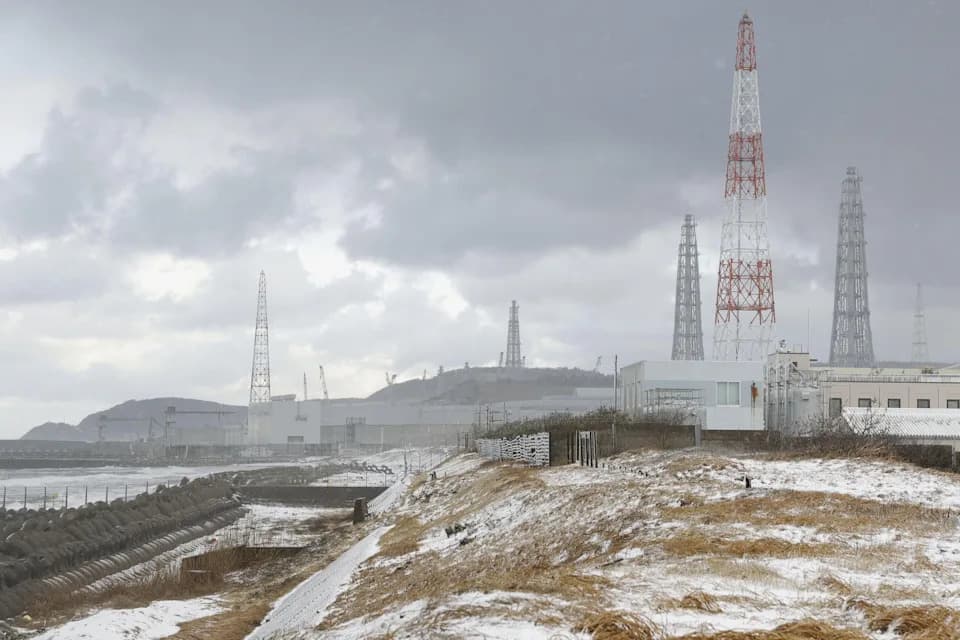
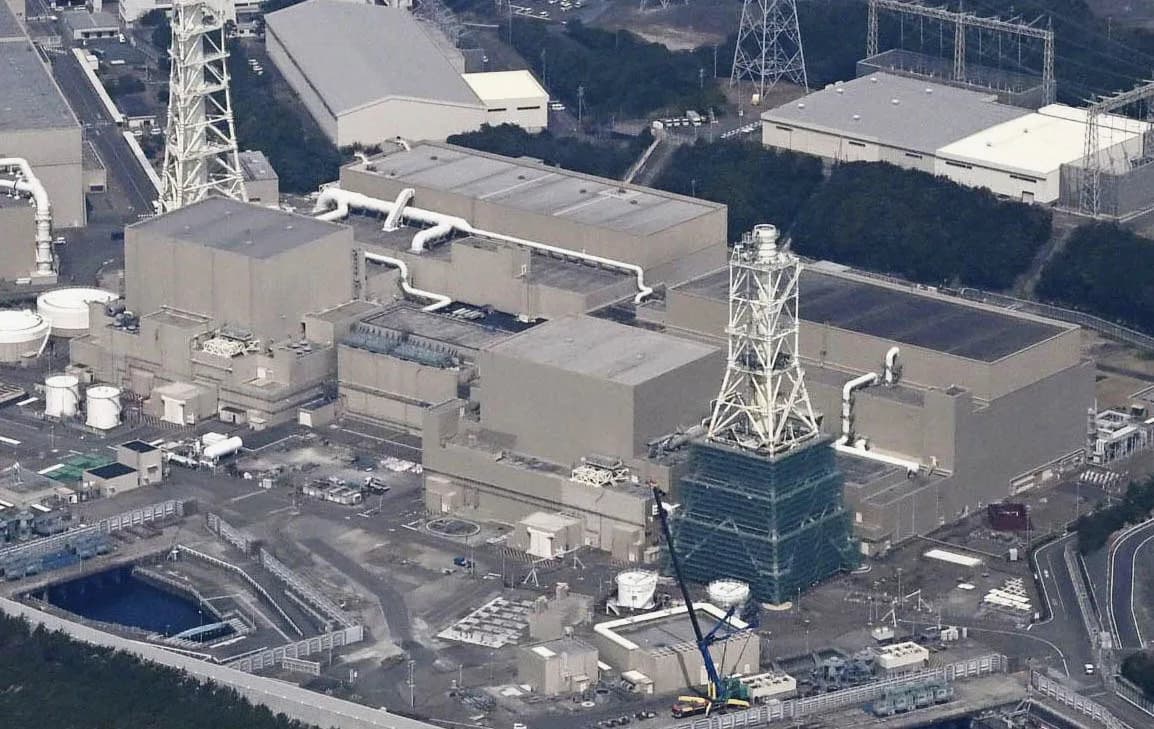
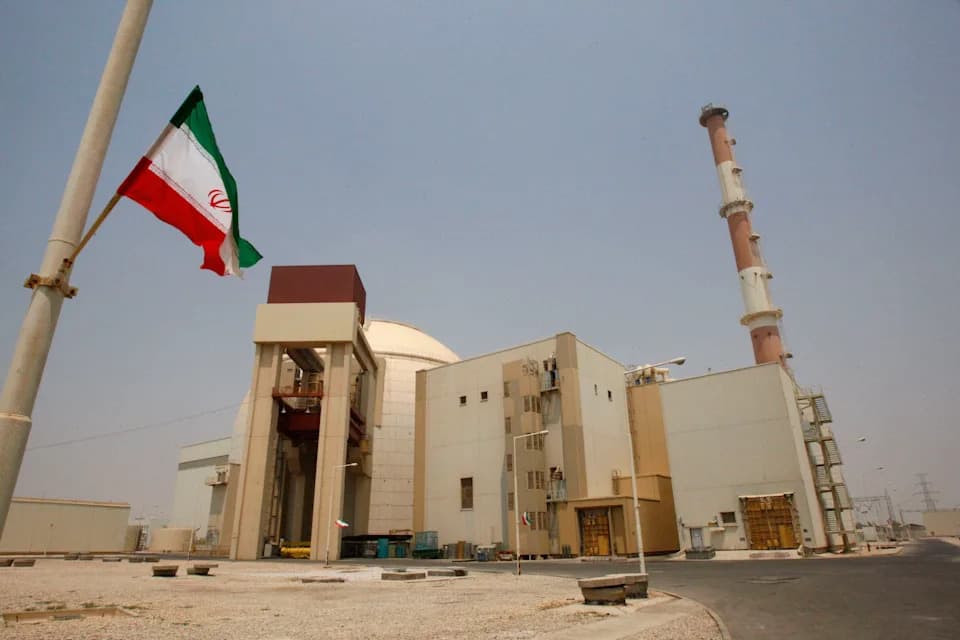
The Tokyo Electric Power Company Holdings Inc.'s Kashiwazaki-Kariwa nuclear power plant is seen in Kashiwazaki, Niigata prefecture, Japan, Wednesday, Jan. 21, 2026. (Chiaki Ueda/Kyodo News via AP)(ASSOCIATED PRESS)
The No. 6 reactor at the Kashiwazaki-Kariwa nuclear power plant in north-central Japan was brought back toward criticality on Wednesday, marking the first TEPCO-operated reactor to resume operations since the 2011 Fukushima disaster. The restart comes as Japan accelerates its return to nuclear power to meet growing electricity demand.
Restart Details
TEPCO said operators in the No. 6 control room initiated a controlled nuclear chain reaction Wednesday evening as the reactor moved toward criticality — the point at which a reactor sustains a self-sustaining fission process. The start-up was delayed by one day after workers discovered a faulty alarm setting over the weekend. If fully commissioned, the reactor could add roughly 1.35 million kilowatts of capacity, enough to serve more than one million households in the greater Tokyo area.
Safety Concerns And Reputation
All seven units at Kashiwazaki-Kariwa have been idle since 2012, following nationwide safety shutdowns after the Fukushima Daiichi meltdowns in March 2011. TEPCO — the operator of both Fukushima Daiichi and Kashiwazaki-Kariwa — remains under scrutiny over its past safety culture. Government and independent probes attributed the Fukushima crisis to poor safety practices and problematic ties between the utility and regulators. TEPCO is still managing a Fukushima cleanup estimated at 22 trillion yen ($139 billion).
Regulatory History
No. 6 cleared key safety checks in 2017 but was later subject to an operational ban after safeguarding issues surfaced in 2021; it received final regulatory clearance in 2023. The restart also follows revelations that another utility falsified seismic data during safety assessments, a scandal that has shaken confidence in safety screenings nationwide.
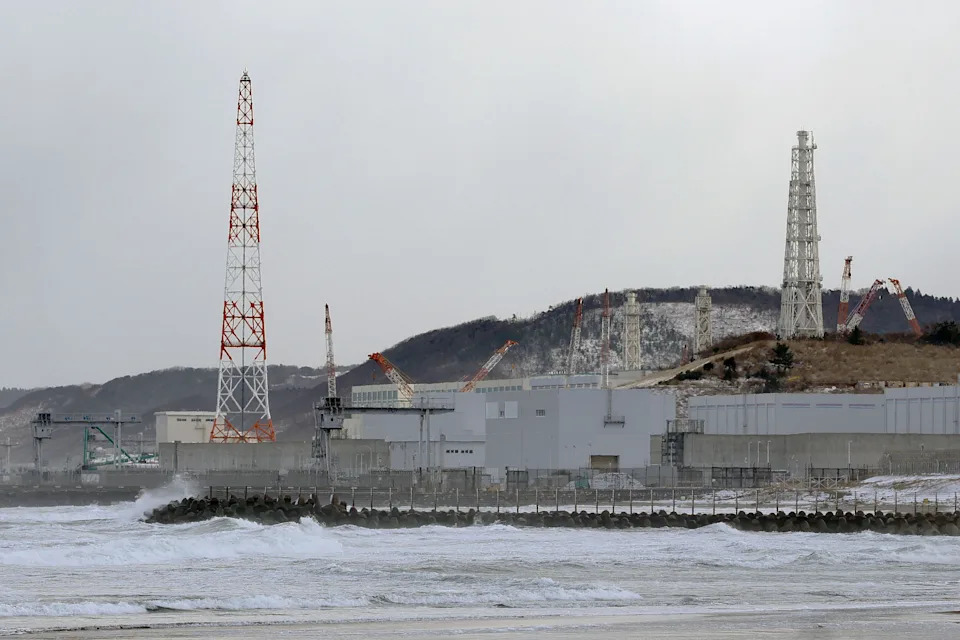
The Tokyo Electric Power Company Holdings Inc.'s Kashiwazaki-Kariwa nuclear power plant is seen in Kashiwazaki, Niigata prefecture, Japan, Wednesday, Jan. 21, 2026. (Chiaki Ueda/Kyodo News via AP)(ASSOCIATED PRESS)
Evacuation And Local Worries
Local residents welcome the potential economic and employment benefits of a restart but remain anxious about safety and the feasibility of evacuation plans, particularly after a significant quake in the nearby Noto region in 2024. Under a government draft plan, about 18,600 residents within a 5-kilometer radius would be required to evacuate in a radiological emergency, while roughly 400,000 more would be advised to shelter indoors. Officials warn that quake damage to roads and infrastructure could make such evacuations difficult or impractical.
Japan's Energy Policy And Outlook
Japan has reversed its post-Fukushima phase-out stance on nuclear energy, citing the need for stable, affordable power amid high fossil fuel costs driven by global instability. Prime Minister Sanae Takaichi has urged faster reactor restarts, extended plant lifespans, and development of new and next-generation reactors. Under new decarbonization targets, the government aims to raise nuclear's share of electricity to about 20% by 2040 — more than double current levels — in part to support energy-intensive technologies such as AI data centers.
Upgrades, Timeline And Next Steps
TEPCO says it has invested more than 1 trillion yen ($6.33 billion) in safety upgrades at Kashiwazaki-Kariwa, including higher seawalls, watertight reactor buildings, an emergency water-injection reservoir, mobile cooling units, and filtered venting systems to reduce radioactive particle releases if venting becomes necessary. TEPCO also added an earthquake-resistant command center after earlier tremor-related damage in 2007.
The company expects No. 6 to reach about 50% of rated power within roughly a week, at which point the unit will be temporarily shut down for inspection — likely between late January and early February. If those checks are successful, TEPCO plans a full-power restart and commercial operations in late February.
Bottom Line: The No. 6 restart supplies significant capacity but revives deep public skepticism about TEPCO and highlights persistent challenges for evacuation planning and regulatory trust as Japan expands nuclear power.
Associated Press video journalist Mayuko Ono contributed to this report.
Help us improve.