Despite rising geopolitical tensions and questions about the strength of international law, the world recently reached a rare milestone for global stability: on January 14 the globe passed the longest recorded interval without a known nuclear detonation since the atomic era began more than 80 years ago.
Record Break: How Long Has It Been?
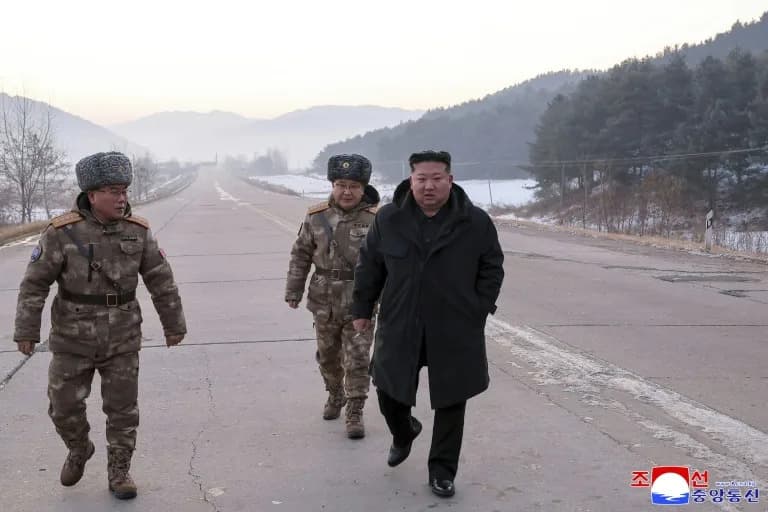
The most recent known nuclear test was conducted by North Korea on September 3, 2017. The previous record gap lasted from May 30, 1998 (Pakistan's last test) until October 9, 2006 (North Korea's first test). On January 14 we eclipsed that span and entered a period of eight years, four months, and 21 days without a confirmed nuclear blast.
What This Milestone Means
Although nuclear weapons have been used in war only twice, testing was once a routine part of national security programs: at least eight countries have detonated more than 2,000 nuclear devices over the decades, almost entirely as tests. For a striking visual record of the testing era, the time-lapse animation by Japanese artist Isao Hashimoto (which tracks tests through 1998) remains both mesmerizing and chilling.
Legacy of the Testing Era
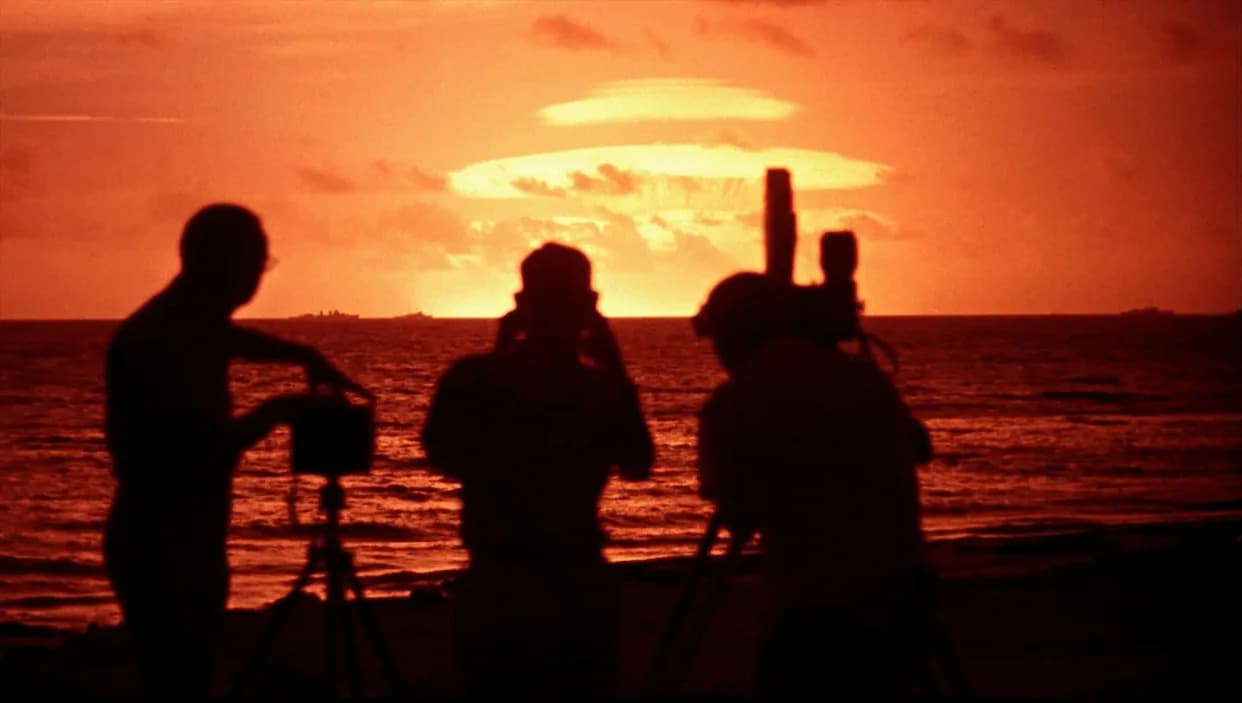
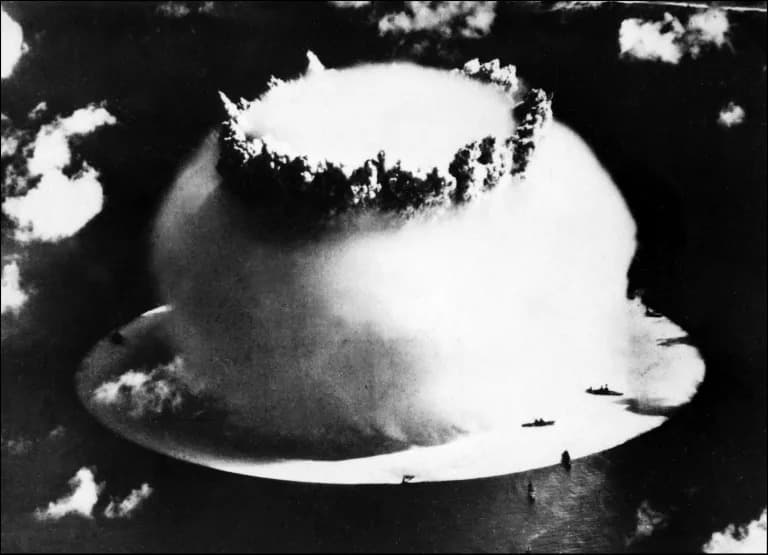
In the 1950s and 1960s, dozens of detonations took place each year, many above ground and marked by iconic mushroom clouds. Those tests fed fears of civilization-ending nuclear war and left a long public-health legacy. Populations living downwind from test sites have experienced elevated rates of cancer, autoimmune diseases, and other illnesses. A recent report by Norwegian People’s Aid estimates that nuclear testing may be linked to as many as four million premature deaths from cancer and related conditions—an alarming figure that underscores the human cost of the testing era.
Treaties and the Decline of Testing
Growing alarm over fallout helped catalyze limits on testing: the 1963 Partial Test Ban Treaty outlawed atmospheric detonations, and the 1996 Comprehensive Nuclear-Test-Ban Treaty (CTBT) sought to prohibit all nuclear tests. One hundred and seventy-eight countries have ratified the CTBT. The United States signed the treaty under President Bill Clinton but never ratified it; nevertheless, it has observed a moratorium on testing since its last underground detonation in Nevada in 1992. Russia's last known test occurred in 1990.
Science, Deterrence and the Case Against Routine Testing
From the earliest days of the nuclear age many scientists questioned the value of repeated detonations. After Hiroshima and Nagasaki, it was already clear that these weapons worked. Robert Oppenheimer declined to attend the first postwar U.S. test at Bikini Atoll in 1946, arguing that such tests would not reveal anything that could not be deduced by other means. Over time, laboratory experiments, high-fidelity modeling, and modern computational tools—now augmented by artificial intelligence in places like Los Alamos—have reduced the technical case for routine explosive tests.
Political Risks: Is the Pause Sustainable?
The testing hiatus is not guaranteed to last. Proposals to resume U.S. testing have surfaced in recent years, and some analysts argue resuming tests would signal credibility for the U.S. deterrent. Critics warn that restarting detonations could accelerate a new arms race. As Siegfried Hecker, a former director of Los Alamos National Laboratory, observed, 'a return to testing at this time would likely benefit U.S. adversaries more than it would the United States' and could rekindle a broader arms competition.
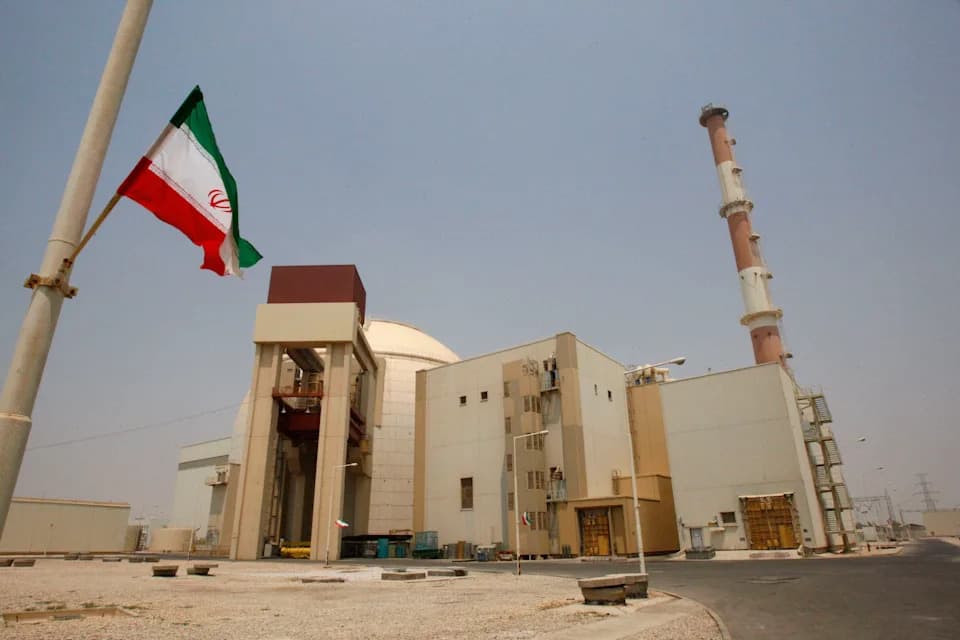
Other worrying developments include signs of renewed nuclear activity worldwide: U.S. intelligence has raised concerns about possible Chinese small-scale testing, and in 2023 Russia signaled moves regarding its CTBT ratification—citing the U.S. failure to ratify the treaty. Meanwhile, Iran's nuclear program remains a source of international anxiety, and some U.S. allies are reassessing their reliance on American security guarantees. Next month, New START—the last remaining U.S.-Russia arms-control treaty—will lapse unless extended or replaced, removing another stabilizing element from the nuclear landscape.
Conclusion
Reaching the longest-ever stretch without a known nuclear test is a notable achievement and a modest testament to decades of arms-control efforts, scientific advances, and international restraint. Yet the geopolitical environment presents real challenges. The pause we have enjoyed may be fragile; maintaining it will require continued diplomatic effort, transparency, and political will.
Note: Estimates of health impacts and the implications of recent political moves vary; some figures—such as the Norwegian People’s Aid estimate of up to four million premature deaths—reflect modeling and should be interpreted as indicative rather than definitive.