Japan is pursuing renewables while reversing its post‑Fukushima retreat from nuclear power, setting a target of 20% nuclear generation by 2040. The government’s plan centers on reopening reactors including at Tepco’s Kashiwazaki‑Kariwa complex, the world’s largest nuclear facility, though restarts face technical delays and strong local opposition. A recent data‑fabrication scandal at Chubu Electric has further eroded public trust even as operators highlight extensive safety upgrades.
Inside Japan’s Controversial Return to Nuclear Power: Kashiwazaki-Kariwa at the Center
Japan is pursuing a two-track energy strategy: rapidly expand renewables while rebuilding nuclear capacity to strengthen energy security and meet climate goals. But the 2011 Fukushima Daiichi disaster remains a powerful memory for many, and public opposition to restarting reactors remains strong. The government’s plan — including a renewed push around the Kashiwazaki-Kariwa complex — marks a significant policy reversal and a test of public trust.
What Happened at Fukushima
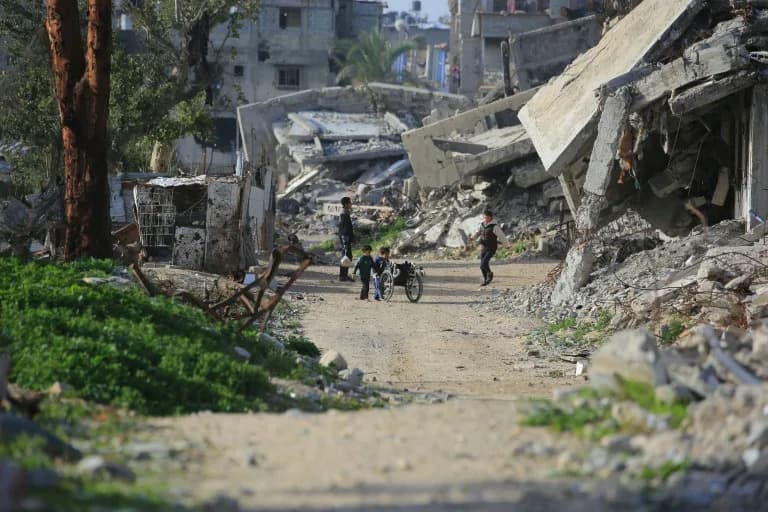
On 11 March 2011 a magnitude-9.0 earthquake struck northern Japan, triggering a tsunami that disabled backup power systems at the Fukushima Daiichi nuclear plant. Although operators shut down the three reactors that were running, the loss of external and backup electricity caused cooling systems to fail. Residual heat led fuel assemblies in units 1, 2 and 3 to overheat and partially melt, producing radioactive releases and three hydrogen explosions in the days that followed. Authorities evacuated tens of thousands of residents within about a 30 km radius amid fears of radiation exposure.
Policy Shift and New Targets
For more than a decade the Fukushima accident shaped public policy and opinion. In February 2025 Japan’s Economy, Trade and Industry Ministry published a draft revision of the national basic energy plan that removed language about phasing out nuclear power. Later that month the Cabinet approved the revised Seventh Strategic Energy Plan, setting a target of producing 20% of Japan’s electricity from nuclear power by 2040 — a notable reversal in official policy.
Kashiwazaki-Kariwa: The Focal Point
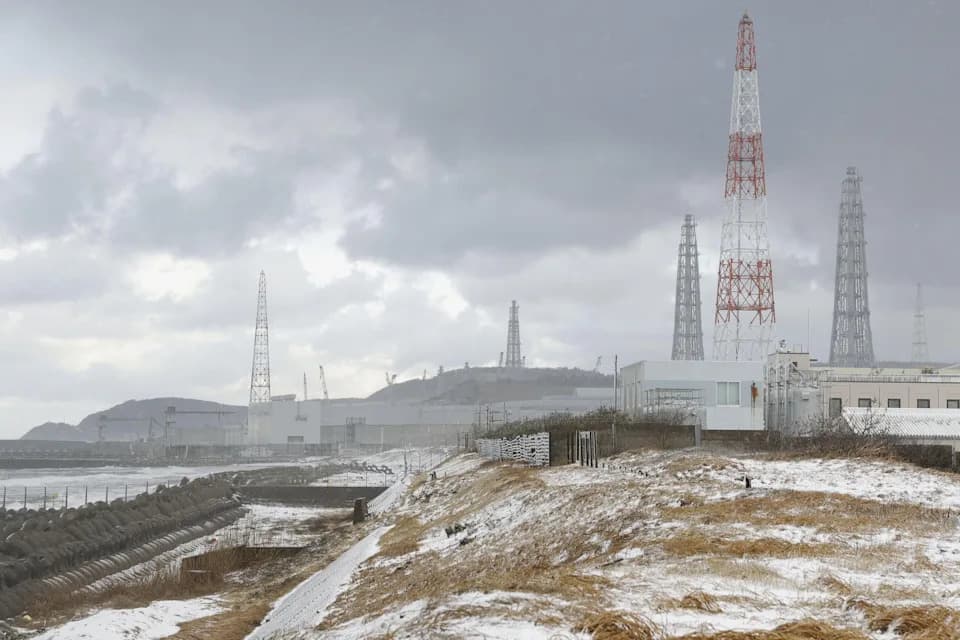
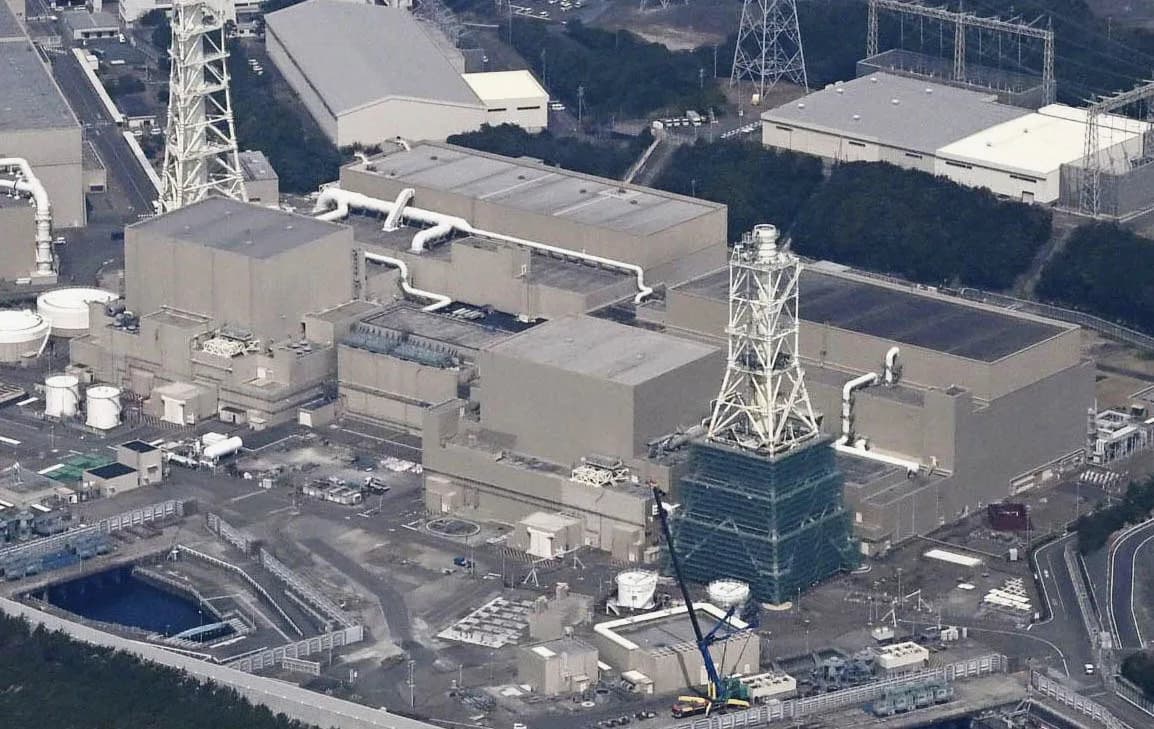
The Kashiwazaki-Kariwa complex in Niigata Prefecture — about 220 km north‑west of Tokyo and covering roughly 4.2 km2 — is the world’s largest nuclear facility by capacity (around 8.2 GW). Operated by Tokyo Electric Power Company (Tepco), the same utility that managed Fukushima Daiichi, the plant has not yet returned to full commercial operation in the post‑Fukushima era because public confidence in nuclear safety has remained low.
Tepco planned to restart one reactor (Unit 6) on 19 January, but a test produced an alarm malfunction that delayed the restart; the operator says it expects to bring the unit online within days. Tepco estimates restarting Unit 6 would increase Tokyo’s electricity supply by about 2% and would be both a symbolic and practical milestone for Japan’s nuclear relaunch.
Safety Measures and Ongoing Concerns
Tepco says it has learned from Fukushima and points to multiple safety upgrades at Kashiwazaki-Kariwa: seawalls and watertight doors to reduce tsunami risk, mobile diesel generators, a large fleet of fire engines to supply water for cooling, and upgraded filtration systems to limit the spread of radioactive materials. Approximately 6,000 workers have maintained operations and readiness at the site since its development.
Nevertheless, local residents remain fearful of another major accident. Authorities estimate a worst‑case scenario could require evacuation of as many as 420,000 people within a 30 km radius — a prospect that fuels intense opposition in nearby communities.
Trust Issues: Data Fabrication at Hamaoka
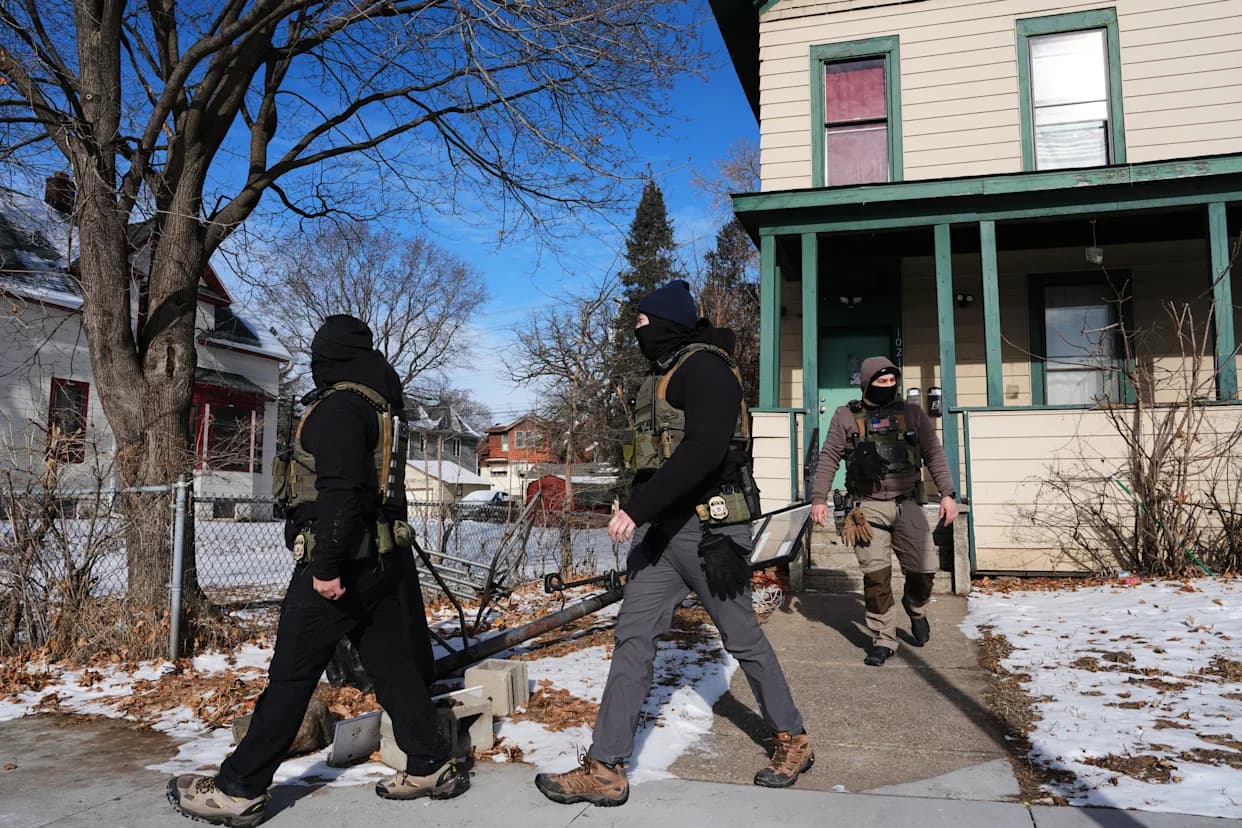
Public trust in utilities has been further damaged by revelations that Chubu Electric Power fabricated seismic‑risk data during a regulatory review for potential restarts at its idle Hamaoka plant, located about 200 km west of Tokyo in a zone vulnerable to Nankai Trough megaquakes. Japan’s Nuclear Regulation Authority (NRA) scrapped the plant’s safety screening and is considering inspections of Chubu’s headquarters while assessing the scope of the misconduct.
Looking Ahead
Globally, many experts regard modern nuclear power as a low‑carbon baseload option and several countries are investing in new projects. In Japan, despite strong and persistent public resistance, the government intends a gradual programme of reactor restarts and capacity expansion to support decarbonisation and energy security goals. Whether the programme succeeds will depend on regulatory oversight, technological safeguards, transparent communication, and, critically, rebuilding public trust.
By Felicity Bradstock for Oilprice.com
Help us improve.