Scientists report that Arctic melting has become faster and more extreme, with melt events that once took months happening in days. Northern Greenland and parts of the Canadian Arctic show the highest rates, while eastern Arctic regions have seen smaller increases. Greenland’s ice could raise sea levels by more than 20 feet and already accounts for roughly 20% of observed rise. Experts warn that blocking anticyclones, darkening ice surfaces, and continued fossil-fuel emissions create a feedback loop that accelerates loss, and they urge emissions cuts and resilience measures to limit impacts.
Scientists Warn: Arctic Melt Is Accelerating — Greenland Could Drive Major Sea-Level Rise
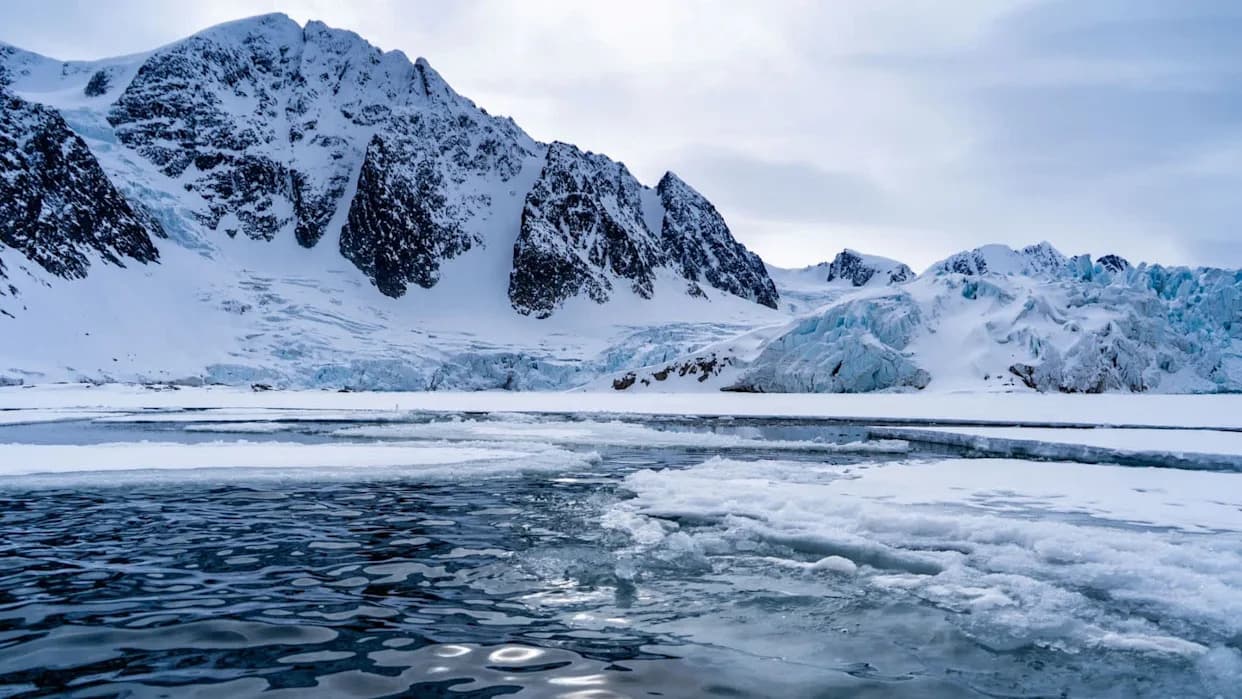
Photo Credit: iStock
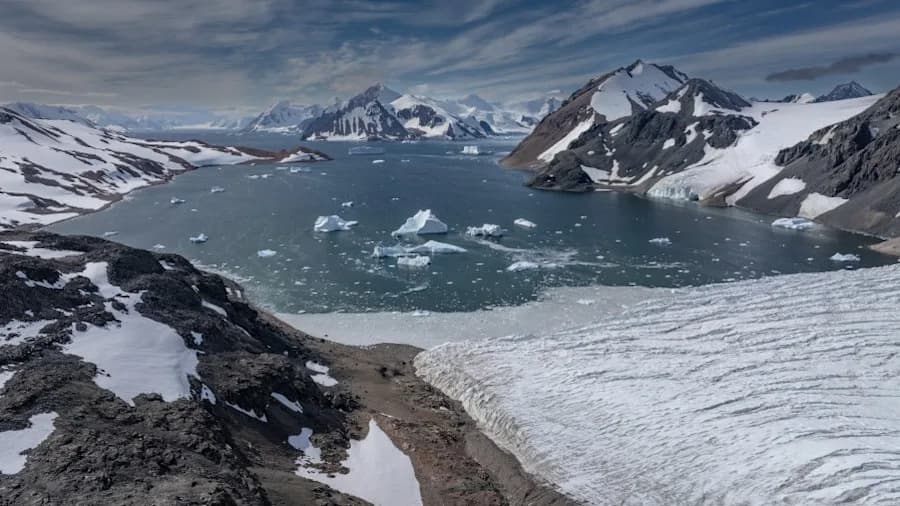
The Arctic is experiencing faster, more extreme melting as rising temperatures and shifting climate patterns disrupt long-standing seasonal cycles across its frozen landscapes.
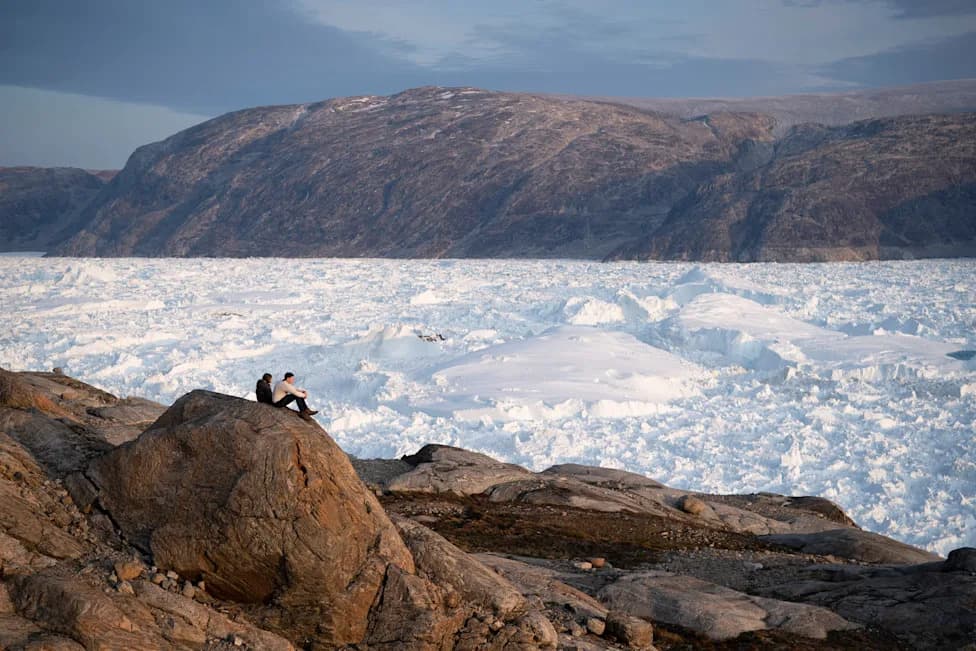
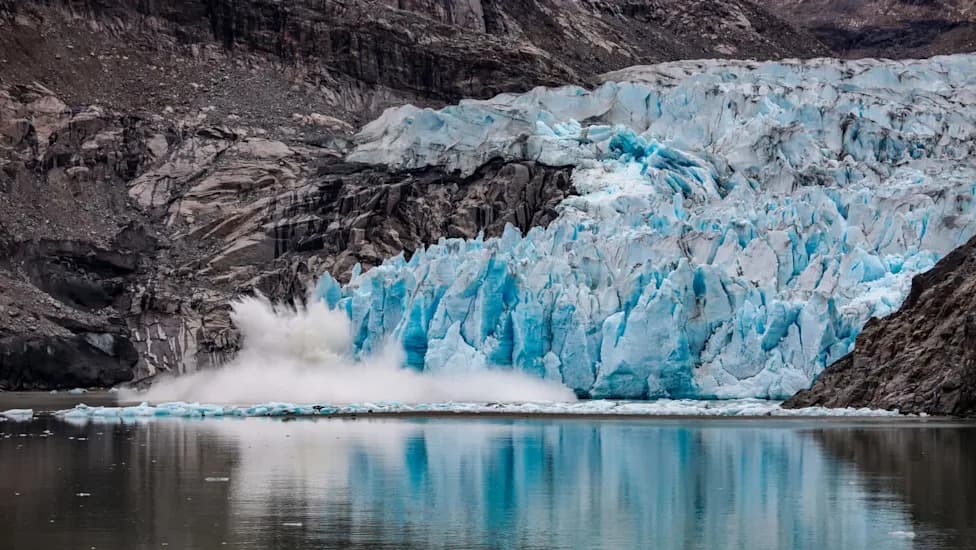
Researchers, including a team at NC State and a study published in Environmental Research, report that extreme weather events are driving rapid ice losses across the Arctic — processes that once took weeks or months are now occurring within days. Winter snowfall and ice accumulation no longer offset summer losses, producing a growing net deficit in the region’s ice budget.
Where Melting Is Worst
The most intense melt rates are observed in northern Greenland — where the geological Iceland hotspot lies beneath the crust — and in parts of the Canadian Arctic. Eastern areas near Iceland and Russia have shown smaller increases in melt rates.
Why This Is Happening
Intense melting episodes are linked to rising global temperatures and changes in atmospheric circulation, especially prolonged blocking anticyclones. These high-pressure systems can stall for days, allowing warm air from lower latitudes to push north and sharply raise surface temperatures.
Fossil-fuel combustion (coal, oil and gas) and other greenhouse-gas emissions make these heat-trapping events more frequent and persistent. Each warm spell exposes darker ice and snow surfaces, lowering surface reflectivity (albedo) and increasing solar absorption. This forms a strong positive feedback loop that accelerates further warming and ice loss, particularly in Greenland.
Regional Changes And Global Consequences
Since the 1990s, summer melt has extended into higher-altitude zones that historically stayed below freezing year-round, shrinking the area that remains consistently frozen each year. Greenland contains the largest ice mass in the Northern Hemisphere; if largely lost, it could raise global sea levels by more than 20 feet. Greenland is already a major contributor to observed sea-level rise — roughly one-fifth of the current measured increase.
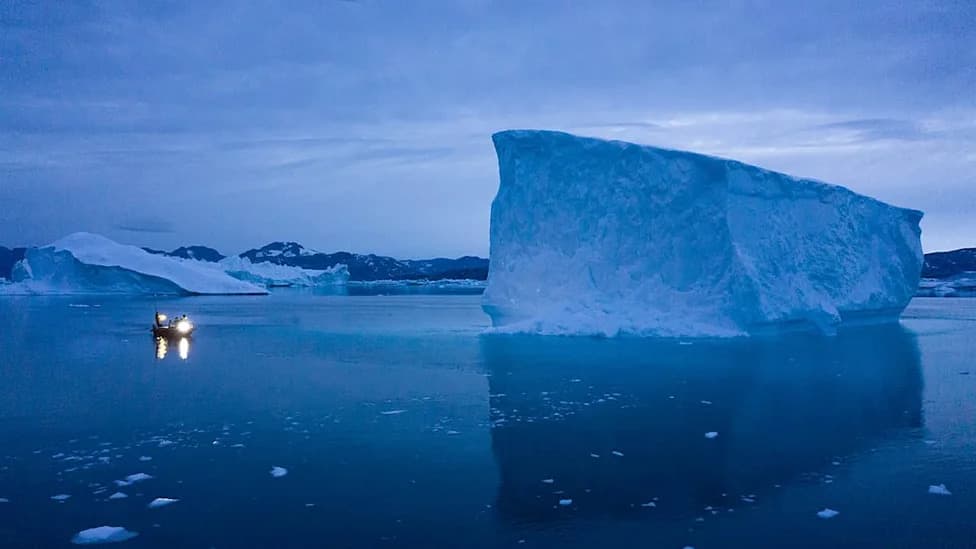
The freshwater released by Arctic melt has far-reaching effects: it contributes to sea-level rise, can alter ocean salinity and circulation, potentially impact the Atlantic Meridional Overturning Circulation (AMOC), subtly affect Earth’s rotation, increase the risk of waterborne diseases, and heighten the chance of extreme coastal flooding — threatening communities, ecosystems and drinking-water supplies worldwide.
What Scientists Recommend
Researchers are improving Earth and ice models to better predict risks and guide protective measures. Recommended actions include strengthening flood defenses, restoring wetlands to buffer storm surges, updating building codes for rising-water risks, and investing in early-warning systems and resilient infrastructure.
At a global level, cutting pollution from fossil fuels, accelerating renewable-energy deployment, electrifying transport, and supporting science-based climate policies are essential to slow warming, limit further melting, and reduce the cascading risks that follow.
Bottom line: Arctic melt is accelerating, with the greatest losses in northern Greenland and the Canadian Arctic. The changes are already reshaping global sea level and ocean systems — and reducing emissions now can limit the worst near-term consequences.
Help us improve.