The app originally named "Are You Dead?" went viral in China by prompting solitary users to check in daily and alerting emergency contacts after missed days. Its surge highlights broader trends — rising single-person households, an aging population, migration to cities, falling marriage rates and youth economic and mental-health pressures. Developers rebranded the service as "Demumu," raised the price to 8 yuan, and the app was reportedly removed from mainland Chinese app stores amid global attention.
Viral Chinese App Asks ‘Are You Dead?’ — A Grim Mirror of Rising Loneliness

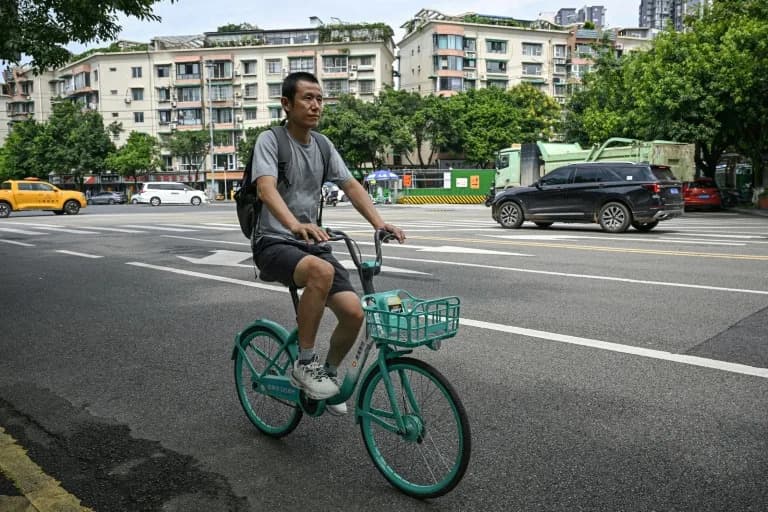
A man looks at his mobile phone as he sits on the banks of the Yangtze River in Wuhan, China, on February 12, 2021. - Hector Retamal/AFP/Getty Images
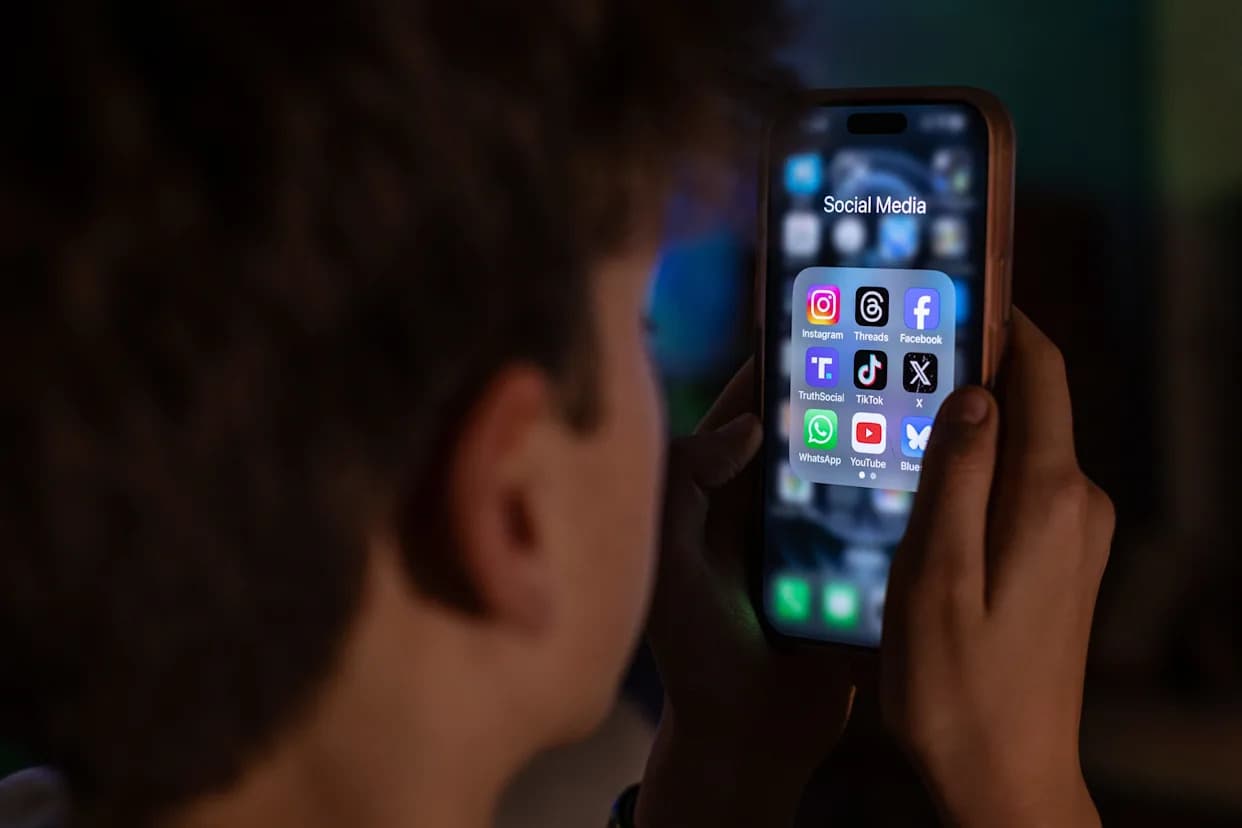
A morbid-sounding smartphone app called "Are You Dead?" has surged across China, tapping into growing feelings of isolation among people who live alone. The app asks users to check in daily and automatically notifies a designated emergency contact if several consecutive check-ins are missed.
How the App Works and Why It Went Viral
The app’s simple safety mechanism — daily check-ins that trigger alerts after multiple missed days — resonated widely. According to the state-run Global Times, the app briefly topped Apple’s Paid App Store chart, and international media coverage triggered a wave of downloads. Developers subsequently rebranded the app as “Demumu” and raised the price from 1 yuan to 8 yuan (roughly $1.15).
Broader Social Context
Its popularity reflects broader social trends in China, a country of about 1.4 billion people: a steady rise in single-person households, a rapidly aging population, large-scale migration of young workers to distant cities, and falling marriage and birth rates. Real-estate researchers cited by Global Times estimate China could have as many as 200 million single-person households by 2030.
At the same time, many young adults face high youth unemployment and rising levels of anxiety, depression and disillusionment — pressures that help explain why a bluntly named app attracted attention and empathy.
Reactions, Expert Views and App Store Removal
Users on social platforms such as Weibo described feeling seen or comforted: one wrote, "For the first time, someone is concerned about whether I’m dead or alive." Another said the low-cost app felt like "the last bit of dignity" for some young people living alone.
“Alone but not lonely, safety by your side,” the app said in its store listing, targeting "a solo office worker, a student living away from home, or anyone choosing a solitary lifestyle."
Experts welcomed the life-saving potential but warned it should not replace deeper social supports. Stuart Gietel-Basten, a professor of social science and public policy at the Hong Kong University of Science and Technology, said the app "taps into this feeling of atomization" caused by long working hours and limited social life, but urged Chinese society to use the moment to build more meaningful support systems.
After the spike in attention, Global Times reported the app had been removed from both Android and Apple app stores in mainland China, although it remained available in other stores, including in Hong Kong. The developers — a team of three co-founders born after 1995 — said they felt "honored and deeply grateful" for the attention, and explained that the new name "Demumu" keeps a subtle reference to the original (the "de" from "death" with "mumu" added to soften the tone).
What This Means
The app’s rise is a symptom of wider societal shifts: demographic change, migration patterns, and economic and mental-health pressures, especially among younger generations. While technology can provide useful safety nets, experts stress it should complement — not substitute for — stronger social, family and community connections and policy responses to loneliness and isolation.
Help us improve.