
China will impose a 13% VAT on contraceptives from Jan. 1 while exempting childcare and related services, as part of a package officials present as aimed at boosting birth rates amid a sustained population decline. The move removes exemptions dating to the one-child era and has provoked public ridicule and worry. Health experts warn that higher contraceptive prices could reduce access, raise unintended pregnancies and STIs, and disproportionately affect women, while demographers say the tax is unlikely to reverse long-term demographic trends.
China’s New 13% VAT On Contraceptives Draws Backlash As Officials Seek To Boost Birth Rates

A caregiver carries a baby in a woven basket in China as the government rolls out new tax and social policies aimed at encouraging families to have more children amid a population decline.
China will start charging a 13% value-added tax (VAT) on contraceptives, including condoms and birth-control pills, from Jan. 1, while simultaneously exempting childcare, marriage-related services and elderly care from VAT — part of a broader package Beijing frames as an effort to raise birth rates amid a sustained population decline, according to reports by the BBC and The Associated Press.
Background
The tax change, announced late last year, removes VAT exemptions that had been in place since 1994, when China enforced its decades-long one-child policy. Officials say the wider adjustments are intended to rebalance tax burdens and promote family formation, but critics question both the logic and timing of taxing contraception while offering incentives that may be costly to implement.
Public Reaction
The move has provoked ridicule, worry and anger across Chinese social media and in interviews with international outlets. Some users joked about stockpiling condoms before prices rise, while many argued the marginal cost increase is insignificant compared with the long-term expense of raising a child.
"I have one child, and I don’t want any more," said Daniel Luo, 36, of Henan province, to the BBC. "A small price rise would not change my family plans."
Others warned the change could produce harmful side effects. "Making contraception more expensive could push students and financially vulnerable people into riskier behaviour," Rosy Zhao of Xi’an told the BBC.
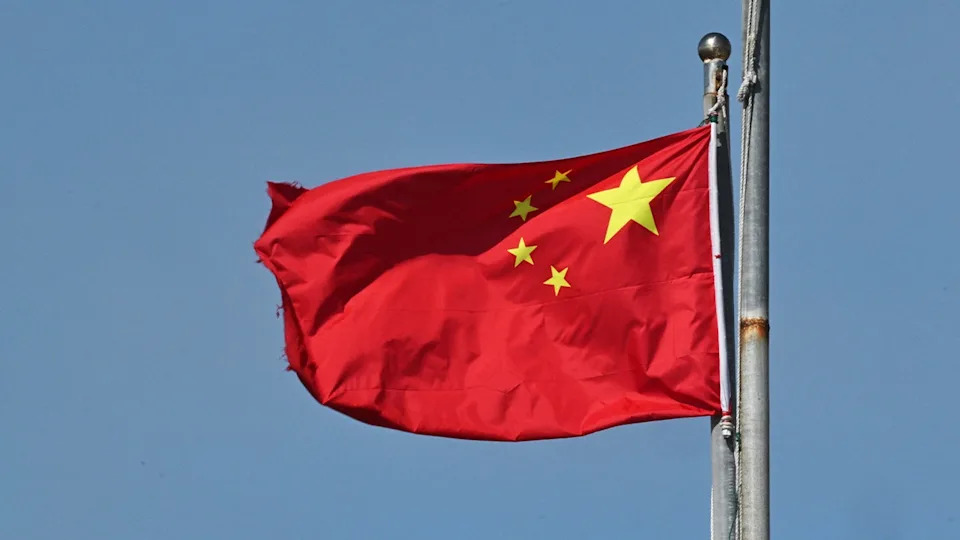
China reversed its controversial one-child policy in 2015.
Health And Demographic Concerns
Public-health experts interviewed by the AP warned higher prices could reduce access to contraception and lead to more unintended pregnancies and sexually transmitted infections (STIs). Official data cited in reporting show more than 670,000 syphilis cases and over 100,000 gonorrhea cases in 2024.
China has also reported very high annual abortion totals: between 2014 and 2021 the National Health Commission recorded roughly 9–10 million abortions each year; official abortion statistics were no longer published after 2022.
Expert Analysis
Demographers and policy analysts say it is unlikely that taxing contraceptives will meaningfully raise fertility. Yi Fuxian, a senior scientist at the University of Wisconsin–Madison, told the BBC that assuming higher condom prices will sway fertility decisions is an overreach.
Henrietta Levin of the Center for Strategic and International Studies (CSIS) described the measure as largely symbolic and warned that many birth-promoting incentives depend on provincial governments already carrying significant debt — calling into question the ability to scale effective support.

A family of three takes a selfie at a shopping mall in Beijing as the Chinese government weighs options to increase the birth rate.
The change also sits against the backdrop of large VAT revenue for China: VAT brought in close to $1 trillion last year and accounts for around 40% of national tax receipts, according to reporting.
Gender And Trust Implications
Experts say the policy could disproportionately affect women, who bear most contraceptive responsibilities in China. Research cited by reporting from the Bill & Melinda Gates Foundation (2022) found that condoms are used by about 9% of couples, while intrauterine devices (IUDs), female sterilization and other methods account for larger shares of contraception.
"It is a disciplinary tactic, a management of women’s bodies and my sexual desire," said Zou Xuan, a 32-year-old teacher in Jiangxi province, reflecting broader resentment toward past state interventions in reproductive life.
Reports that local officials in some provinces have contacted women to ask about menstrual cycles and pregnancy plans have intensified concerns about state intrusion and the risk of eroding public trust — potentially undermining the very incentives Beijing hopes will raise births.
Conclusion
While Beijing is undoing some policies once used to limit births, experts caution that reversing the demographic effects of decades of population control will be far more difficult than raising prices at the checkout counter. Observers say sustainable change will likely require wide-ranging economic, social and housing reforms rather than symbolic tax adjustments alone.


