A historic winter storm has disrupted more than 15,000 U.S. flights, with FlightAware reporting nearly 10,000 cancellations and roughly 5,000 delays as of early Saturday. American and Southwest were among the hardest-hit carriers, and several airports reported temporary closures. The system spans about 2,300 miles and has placed more than 190 million people under winter alerts; the National Weather Service urged the public to "avoid travel if at all possible." Federal agencies including FEMA and the FAA are coordinating responses across more than 30 states.
More Than 15,000 U.S. Flights Disrupted as Historic Winter Storm Sweeps 30+ States
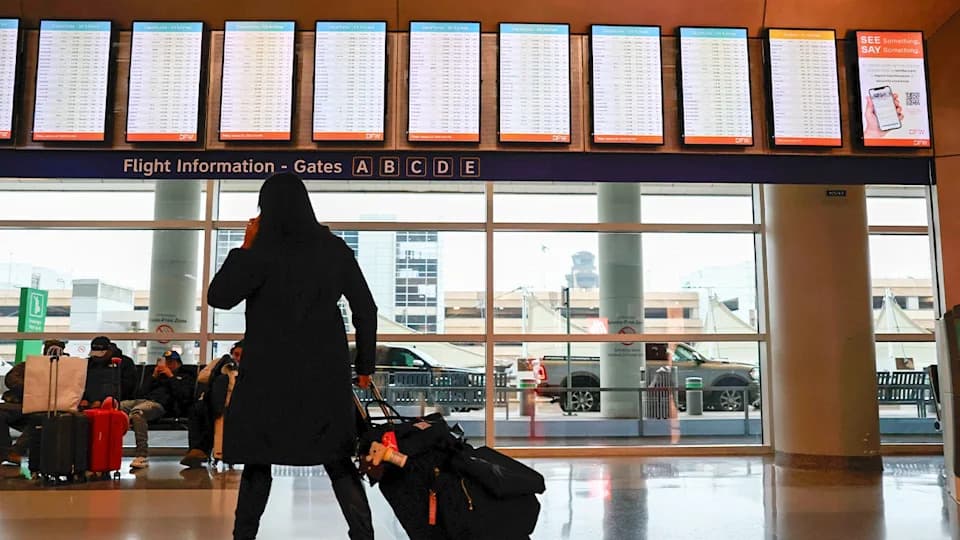
A flight information board at Dallas-Fort Worth International Airport (DFW) ahead of an anticipated winter storm in Dallas, Texas, on Friday, Jan. 23, 2026.(Getty Images)
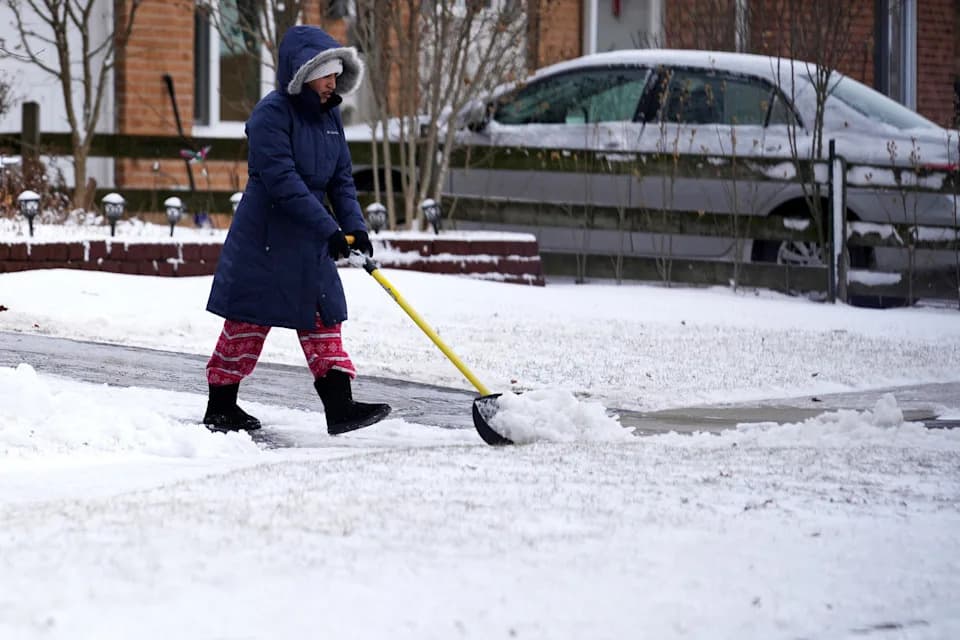
A massive winter storm sweeping across much of the United States has disrupted more than 15,000 flights as communities prepare for heavy snow, ice and dangerously low temperatures.
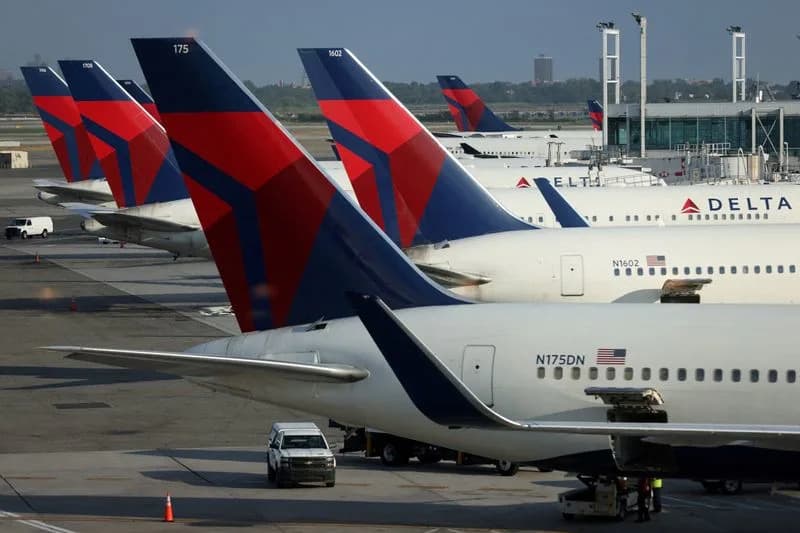
By 5:40 a.m. ET on Saturday, real-time tracker FlightAware reported nearly 10,000 cancellations through Monday and roughly another 5,000 flights showing delays. Major carriers reported significant impacts: American Airlines led with 822 cancellations and 30 delays; Southwest Airlines reported 571 cancellations and 33 delays; Delta logged 165 cancellations and 33 delays; and United reported about 150 cancellations and 45 delays.
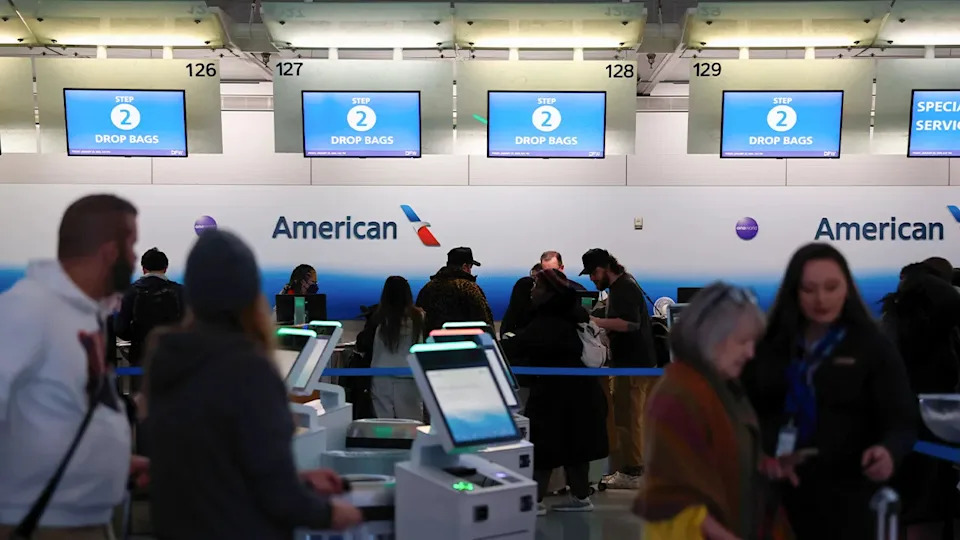
FlightAware listed American Airlines as the most impacted by the winter weather with more than 800 cancellations.
The Federal Aviation Administration (FAA) said multiple airports have temporarily closed or experienced major disruptions, citing examples such as Harry Reid International Airport (Las Vegas), John Wayne Airport (Orange County, California) and San Diego International Airport. Air-traffic controllers, airport operations teams and meteorologists are monitoring conditions and coordinating to keep travelers safe.
Safety Measures and Official Guidance
In a video posted to social media, FAA Air Traffic Watch Officer Joshua Jennings described on-the-ground efforts including runway snow clearing and aircraft de-icing. The agency is advising travelers to check the FAA website and their airlines for the latest airport and flight information before heading to airports.
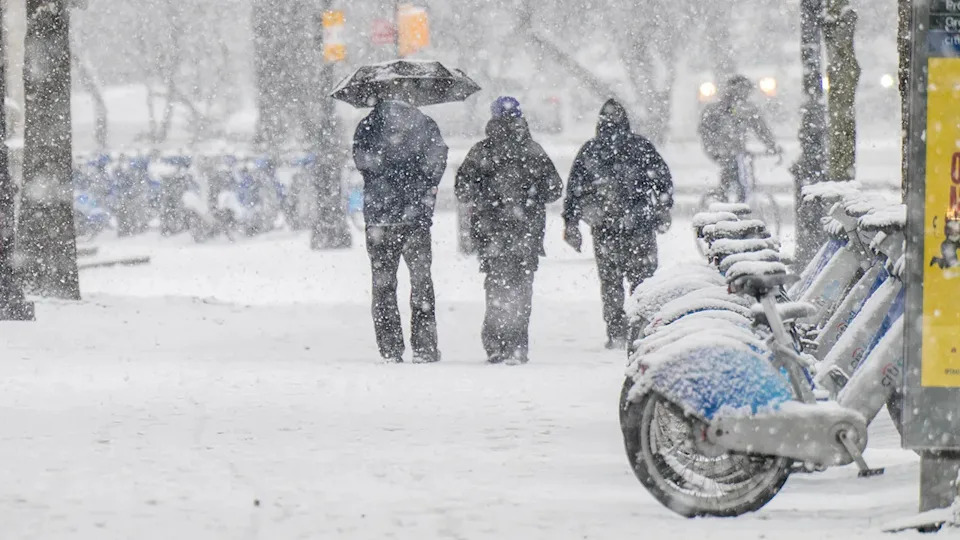
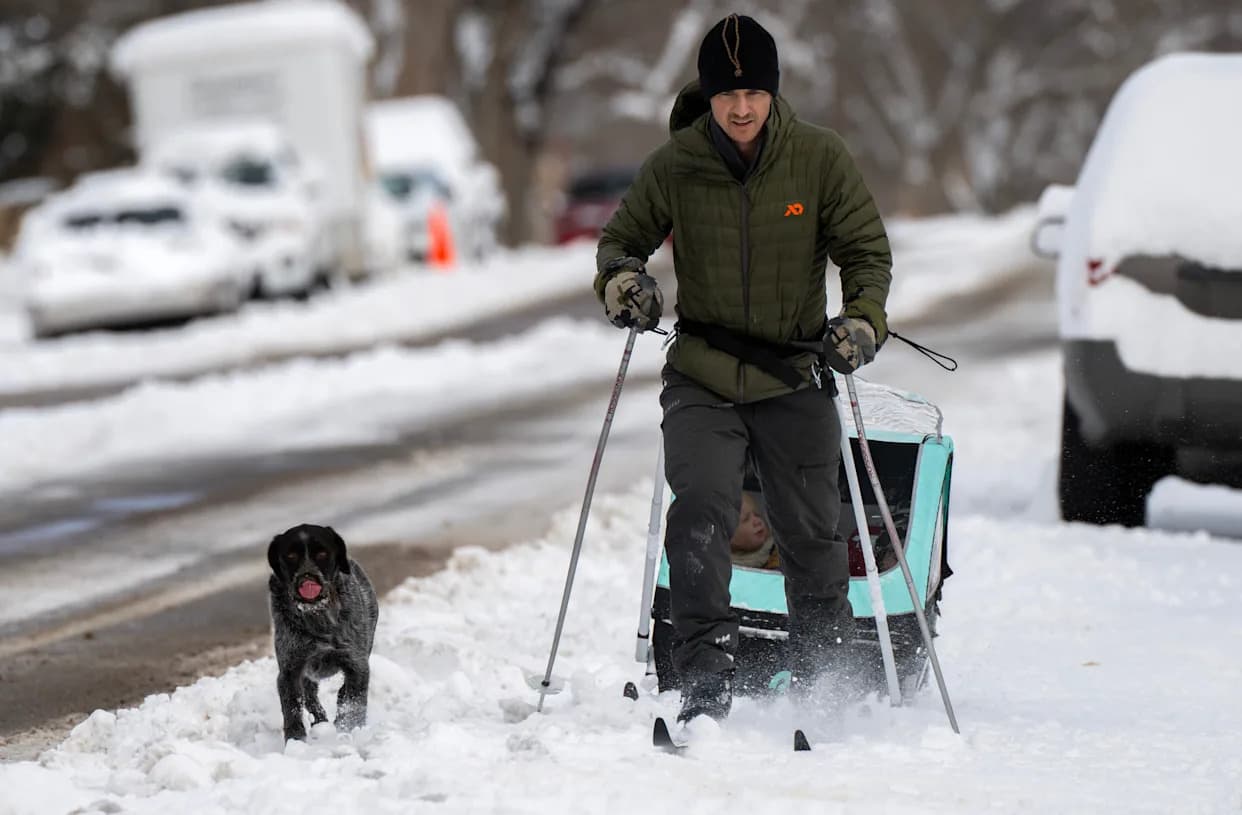
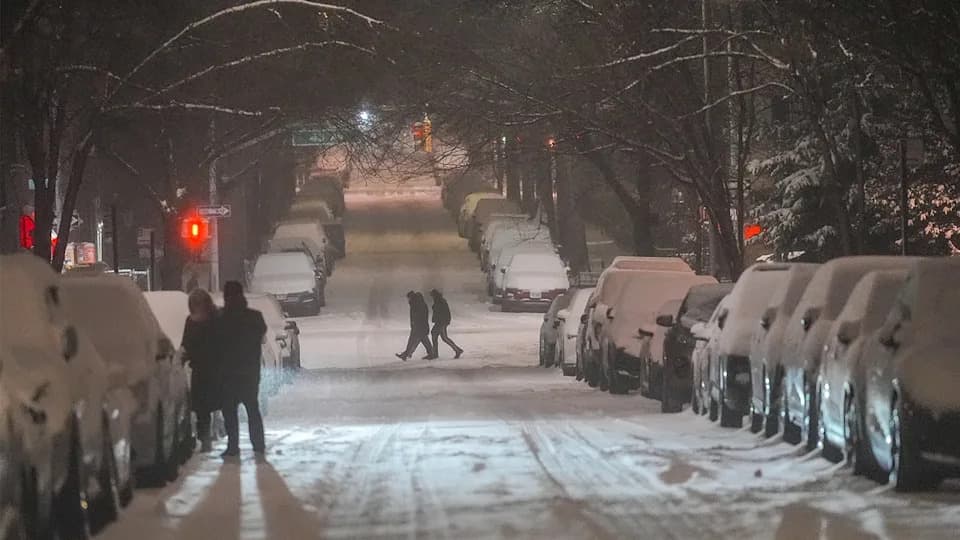
Snow in Prospect Park in Brooklyn on Saturday, Jan. 17, 2026. New York City is gearing up for its first major winter storm of 2026.
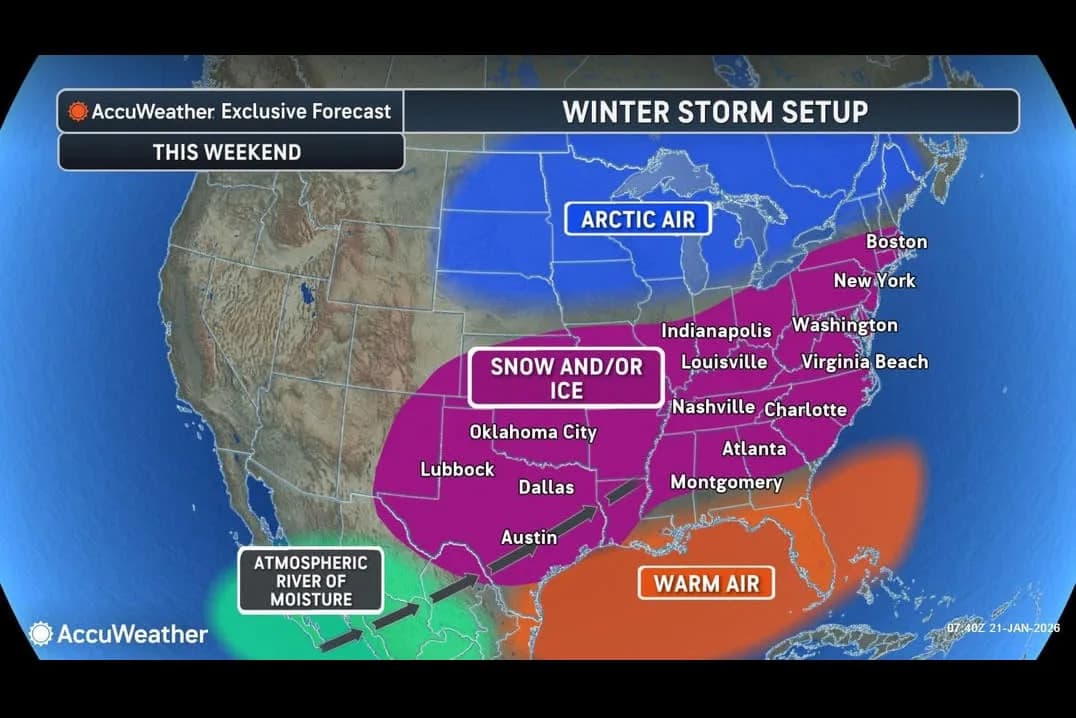
The National Weather Service urged people in the storm's path to take the warnings seriously and "avoid travel if at all possible." The storm system stretches roughly 2,300 miles from the Southwest to the Northeast, with more than 190 million Americans currently under some form of winter-weather alert — a figure that FOX Weather says breaks the record for the most U.S. counties simultaneously under a Winter Storm Warning.
Federal Emergency Management Agency (FEMA) officials and state and local emergency services have mobilized preparations across more than 30 states for potential rescues, power outages and other storm-related emergencies.
"I have been briefed on the record cold wave and historic winter storm that will be hitting much of the United States this weekend. The Trump Administration is coordinating with state and local officials. FEMA is fully prepared to respond," President Donald Trump wrote on Truth Social, adding, "Stay safe and stay warm!"
What Travelers Should Do
Travelers should verify flight status with their airline, avoid nonessential travel if possible, allow extra time for road travel if necessary, and prepare emergency kits for vehicle trips. Airlines and airports may update schedules rapidly, so checking official sources before leaving for the airport is essential.
Key agencies to monitor: FlightAware for flight-tracking updates, the FAA for airport notices, the National Weather Service for weather alerts, and local authorities for emergency guidance.
Help us improve.