Experts say President Trump’s executive order to speed up cannabis rescheduling is unlikely to protect those most at risk from criminal prosecution. HHS recommended moving cannabis from Schedule I to Schedule III, and the president cited 2023 FDA findings, but no formal policy change has occurred. Legal specialists note marijuana-specific federal penalties in the Controlled Substances Act would remain in place, while the DOJ’s reversal of guidance limiting possession prosecutions and ICE enforcement raise particular risks for noncitizens and communities of color.
Experts: Trump’s Cannabis Rescheduling Order Won’t Protect Users From Prosecution

The Department of Justice recently rescinded Biden-era guidance that directed US attorneys to refrain from prosecuting simple cannabis possession cases.Photograph: Danny Lawson/PA
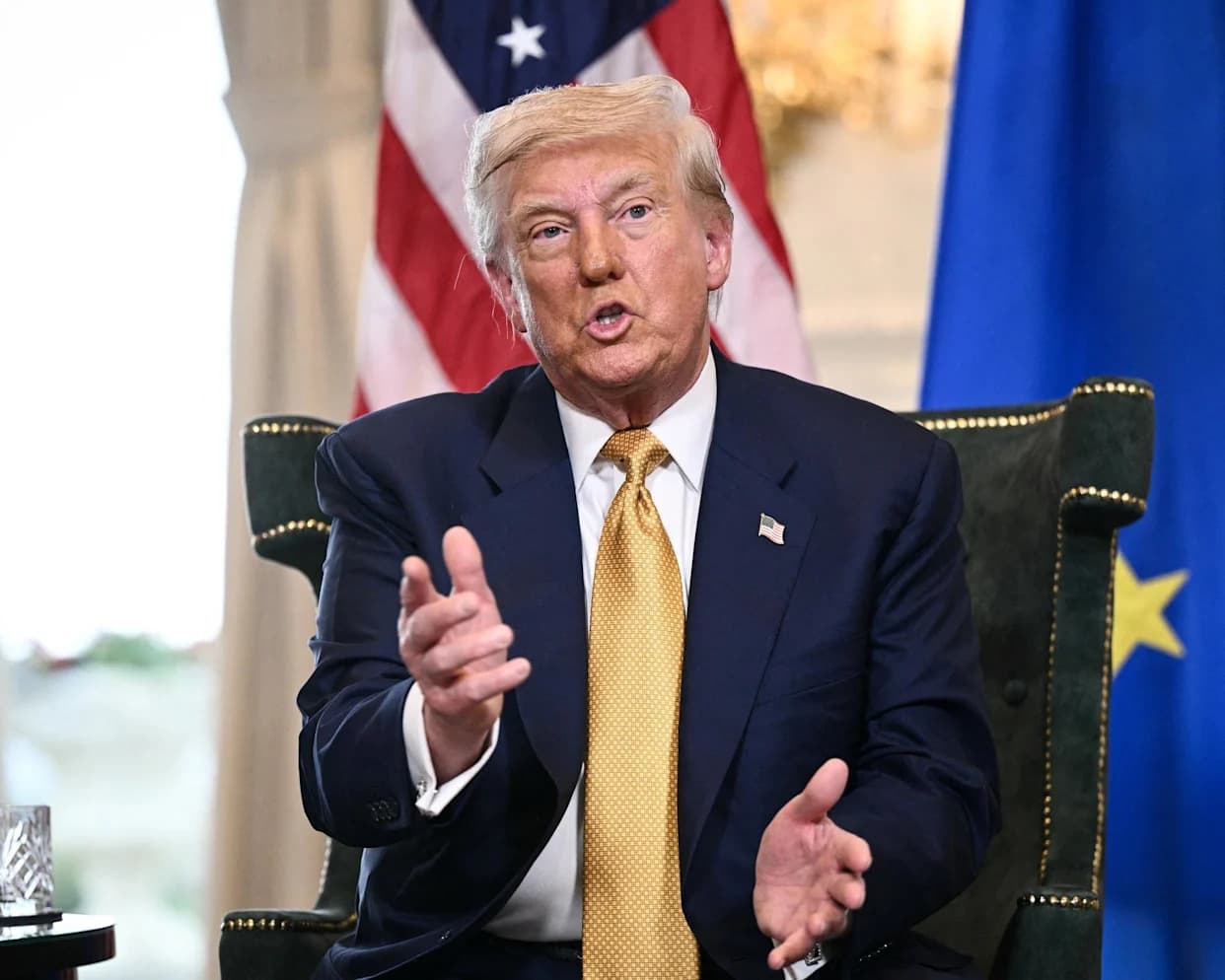
Donald Trump’s executive order urging an expedited rescheduling of cannabis has not produced a concrete policy change and, experts say, is unlikely to shield the people most vulnerable to cannabis-related criminal charges.
What the Order Proposed
Under the Biden administration, the Department of Health and Human Services recommended moving cannabis from Schedule I — the category for substances deemed to have "no accepted medical use" — to Schedule III, which can include products considered for FDA-approved medical treatments. Last month, President Trump asked U.S. Attorney General Pam Bondi to accelerate that process, citing 2023 FDA findings that highlighted cannabis’s potential to treat conditions such as anorexia related to medical conditions, nausea and vomiting, and pain.
Why Rescheduling Alone May Not Help
Legal experts caution that rescheduling by itself would not eliminate many federal penalties tied specifically to marijuana. Douglas Berman, a law professor at Ohio State University, and Cat Packer of the Drug Policy Alliance note that the Controlled Substances Act includes marijuana-specific provisions and penalties that do not automatically disappear if the drug’s schedule changes. Packer emphasized that cannabis formulations without FDA approval would remain criminalized even if moved to a lower schedule.
Federal Enforcement Is Rising
Even as state-level medical and recreational legalization has driven overall arrest rates down, federal enforcement has intensified. The Department of Justice rescinded Biden-era guidance that had advised U.S. attorneys to refrain from prosecuting simple possession cases. In response, the U.S. Attorney for the District of Wyoming, Darin Smith, said he would use "every prosecutorial tool available" against cannabis offenders.
Immigration and Customs Enforcement has cited cannabis offenses — including simple possession — as grounds for deportation, and some raids have targeted state-legal grow operations. In July, agricultural worker Jaime Alanís Garcia fell to his death while fleeing ICE officers during a California raid at a Glass House Farms facility. Arrests for minor cannabis offenses in Washington, D.C., also rose after the president declared a "crime emergency" there and called for increased policing in parks where public cannabis use is common.
Who Is Most At Risk
Experts warn that noncitizens and Black and brown communities will continue to bear the greatest burden of enforcement and immigration consequences. While cultural shifts and informal enforcement changes have reduced prosecutions in many places, those trends are uneven and can be reversed by federal policy shifts.
Outlook
The attorney general technically has discretion to expedite rescheduling, but the proposal faces political pushback from congressional Republicans and criticism from reform advocates who want marijuana removed from the Controlled Substances Act entirely and regulated more like alcohol or tobacco. Even if rescheduling moves forward, advocates say it is not a substitute for comprehensive reform to prevent criminalization, deportation, and unequal enforcement.
Help us improve.