The U.S. Attorney’s Office in New Jersey has operated months without a Senate-confirmed leader after Alina Habba was disqualified, prompting a legal standoff over whether unconfirmed officials can continue to prosecute cases. Defense lawyers urged Judge Matthew Brann to dismiss indictments as a coercive remedy; the Justice Department counters that courts should simply bar unconfirmed officials from overseeing prosecutions. The dispute has delayed trials and sentencing and could shape how courts handle future appointment challenges.
Defense Lawyers Tell Judge To Consider Dismissing Cases Amid New Jersey U.S. Attorney Dispute
NEWARK, New Jersey — Defense lawyers asked a federal judge last week to consider an extraordinary remedy: dismiss federal cases prosecuted out of the U.S. Attorney’s Office in New Jersey while questions persist about who has lawful authority to run the office.
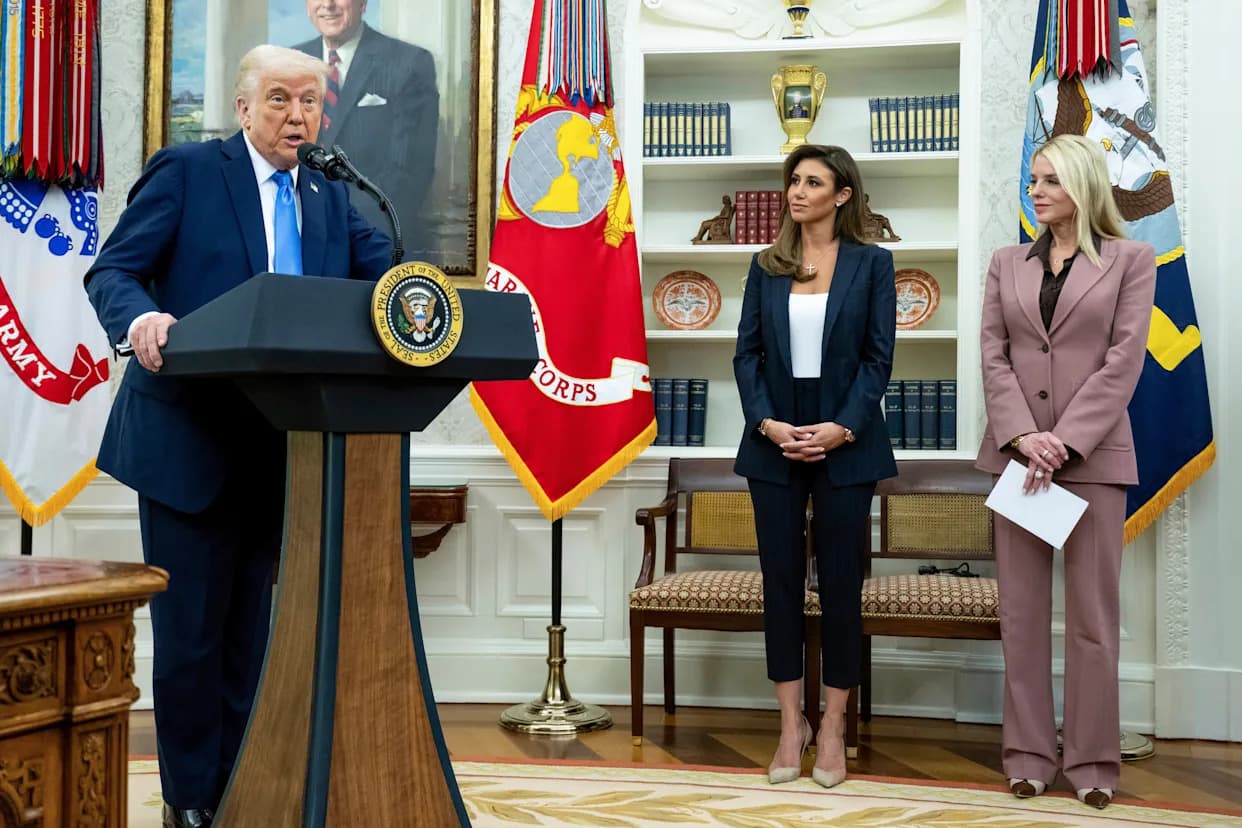
At issue is an unprecedented leadership vacuum. Alina Habba, a Trump appointee, was disqualified after a ruling found she had served too long without Senate confirmation. Attorney General Pam Bondi then named a three-attorney leadership team — none of whom were Senate-confirmed — prompting new litigation over whether they may legally supervise prosecutions.
What’s at stake
Defense attorney Jason LeBoeuf told U.S. District Judge Matthew Brann: “Cases have to start being dismissed.” Other defense lawyers echoed that position, arguing that dismissed indictments would be a remedy the administration would actually feel and might thus force a change in the appointment approach.
The Justice Department, represented in court by Mark Coyne, faulted a stalled Senate confirmation process and urged that, even if the three-attorney arrangement is ultimately deemed unlawful, judges should remove the unconfirmed officials from oversight rather than dismiss prosecutions outright.
Legal parallels and limits
Defense teams pointed to a 2024 ruling in another case that voided charges on the ground that a special counsel’s appointment was unconstitutional, arguing the same principle could apply to improperly appointed prosecutors in New Jersey. Coyne pushed back, distinguishing that matter from the New Jersey disputes and criticizing the other court’s interpretation of the appointment statutes.
“The remedy must be something about which the administration actually cares,” wrote attorney William Strazza for a client facing drug-trafficking and weapons charges. “Dismissal of my client’s indictment is that remedy.”
The debate is not merely theoretical. At least one defendant, Raheel Naviwala, was convicted in a Medicaid fraud trial last year; his sentencing has been postponed in part because of lingering questions about prosecutorial authority. Judges around the country handling related disputes have delayed proceedings while the legal issues are sorted.
Practical and constitutional stakes
Judges have limited remedies: they generally cannot compel the president to nominate a particular person or force the Senate to act. That narrows the pool of penalties that courts can impose and helps explain why defense attorneys press for dismissals — a remedy that would directly affect the government’s prosecutions.
Judge Brann told attorneys his goal is to get the U.S. Attorney’s Office “back on track.” For now, the litigation will continue to test how far executive appointment practices can be stretched and how forcefully courts will respond when those practices collide with statutory confirmation requirements.
Erica Orden contributed to this report.
Help us improve.