The federal probe into the so‑called "DWI Enterprise" alleges that Albuquerque attorney Thomas Clear, his paralegal Rick Mendez, and cooperating officers orchestrated DWI arrests — sometimes by deliberately intoxicating targets — and then ensured charges were dismissed in exchange for cash and goods. Lt. Justin Hunt has pleaded guilty to extortion for using his position to help shield defendants, admitting both routine cover‑ups and a scheme in which Mendez arranged intoxication. The scandal has implicated roughly two dozen law‑enforcement personnel and led prosecutors to drop hundreds of DWI cases.
New Mexico 'DWI Enterprise': Attorney, Paralegal and Officers Orchestrated Arrests — Sometimes by Getting Targets Drunk
Cop-Assisted Extortion of DWI Arrestees in New Mexico Included Getting Them Drunk
Federal prosecutors say a sprawling corruption scheme in Albuquerque long protected some suspected drunk drivers — and in some cases even created the opportunities for arrests. Over roughly three decades, defense attorney Thomas Clear, his paralegal Rick Mendez, and cooperating law‑enforcement officers allegedly worked together to manufacture DWI cases and then ensure the charges vanished in exchange for cash and other benefits.
How the Scheme Worked
According to plea agreements and court filings in what prosecutors call the "DWI Enterprise," the operation had two main features. First, officers who took payments would deliberately miss administrative hearings, pretrial interviews, or court appearances so defense counsel could move to dismiss charges. Second — and more disturbing — Mendez and others sometimes socialized with a chosen target, encouraged or bought them drink, then signaled a cooperating officer to stop and arrest the intoxicated driver.
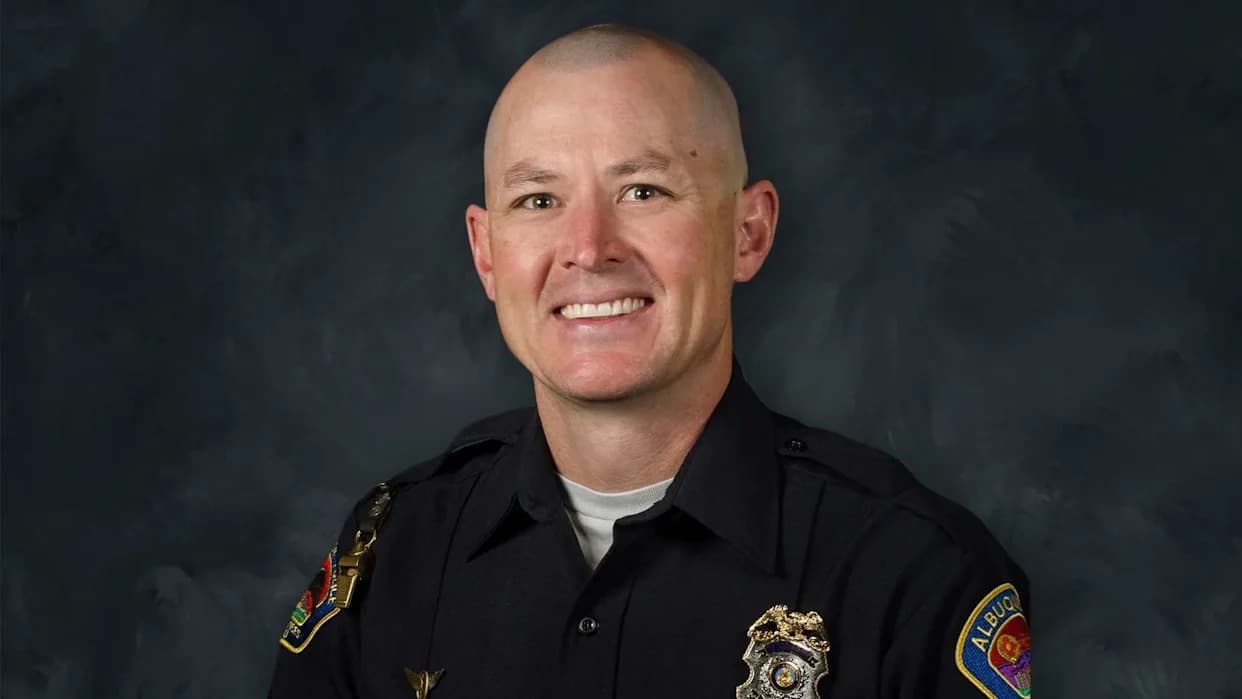
"For many of the cases on which I accepted payment in exchange for not performing my official duties, I conducted the DWI arrest in conformity with APD policies and procedures," Lieutenant Justin Hunt wrote in his plea agreement. "The illegal conduct — being me receiving benefits or payments from CLEAR and MENDEZ — would occur after I conducted the otherwise legitimate DWI arrest."
Illustrative Example
In May 2014, prosecutors say Mendez took a man identified as "C.F." out to celebrate his birthday and bought him drinks at a strip club. After C.F. left the parking lot to drive home, Mendez alerted Lt. Hunt, who pulled C.F. over and arrested him for DWI. Hunt's report omitted Mendez's role and failed to note that Mendez had been in the car. Hunt then intentionally did not appear at required criminal proceedings and at the Motor Vehicle Division hearing, which helped obtain a dismissal and restored C.F.'s revoked license. In return, Hunt received items including wheels, tires and a lift kit for his Jeep and was sometimes paid in cash.
Broader Impact and Allegations
Prosecutors say the scheme endured for years because several officers who had worked in APD's DWI unit rose through the ranks and were well positioned to protect Clear's operation. As the scandal unfolded, roughly two dozen law‑enforcement personnel — including APD officers, Bernalillo County sheriff's deputies, and a New Mexico State Police sergeant once featured in an anti‑DWI campaign — were implicated. About half have pleaded guilty so far, including Clear, Mendez and Hunt.
The revelations prompted prosecutors to drop hundreds of DWI cases that relied on now‑questioned officers, a development that critics say likely undermined public safety. There are also allegations that some arrested drivers were not impaired at all, raising additional concerns about injustice and abuse of power.
Investigation, Leadership Response and Ongoing Fallout
The FBI began probing the DWI unit in 2023. Chief Harold Medina says he was briefed in October of that year and has since pledged to fully investigate and hold accountable anyone involved. Several senior APD leaders who previously served in the DWI unit were placed on administrative leave, fired or retired amid the probe, including Commander Mark Landavazo, Deputy Commander Gustavo Gomez, Lieutenant Kyle Curtis and Lieutenant Matthew Chavez.
Prosecutors and investigators continue to untangle years of alleged bribery, extortion and manipulation of the criminal‑justice process. The case raises serious questions about corruption, public‑safety risks created by sheltered offenders, and the ethical limits breached by officials entrusted to enforce the law.
Note: This account is based on public court filings and prosecutors' statements in the ongoing federal investigation into the so‑called "DWI Enterprise."
Help us improve.