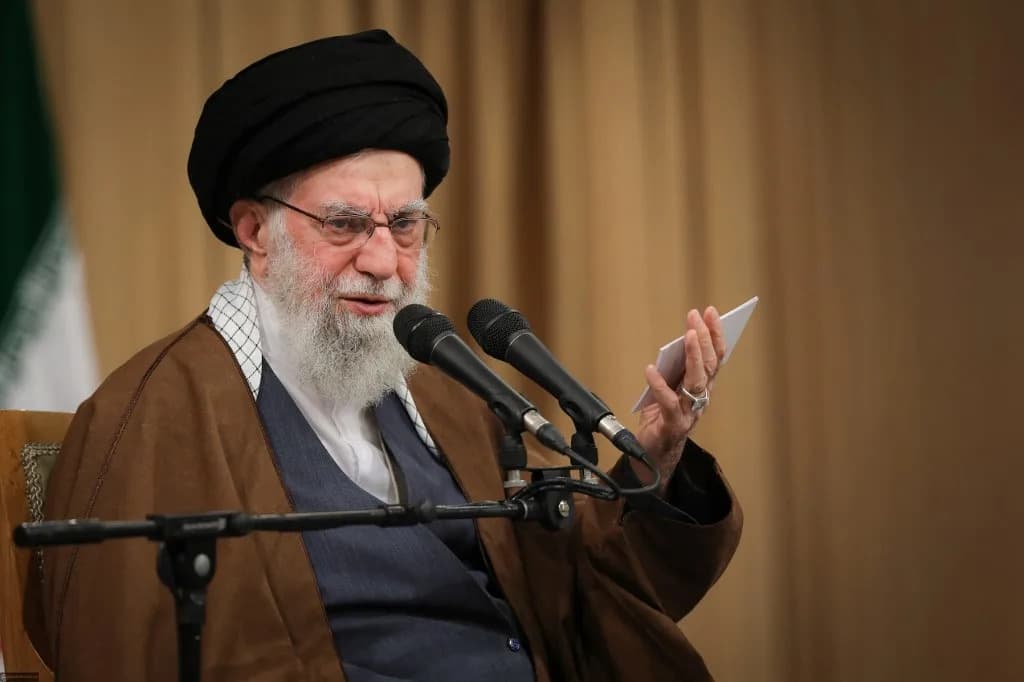
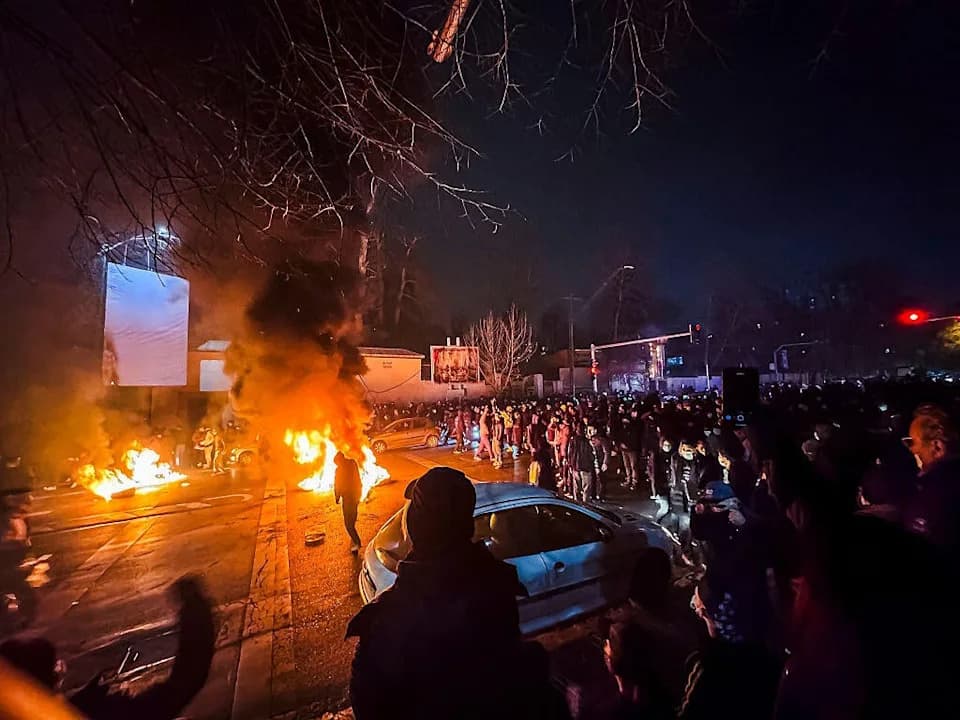
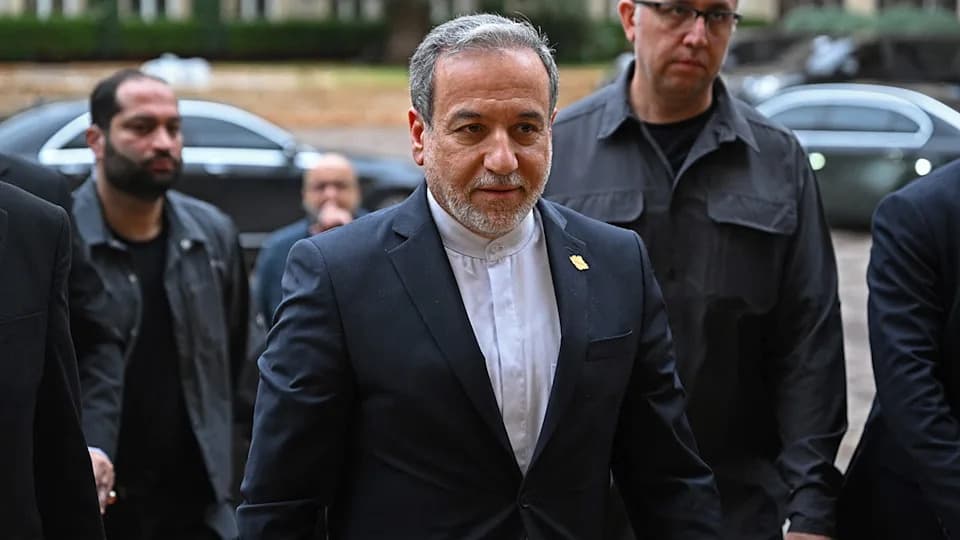
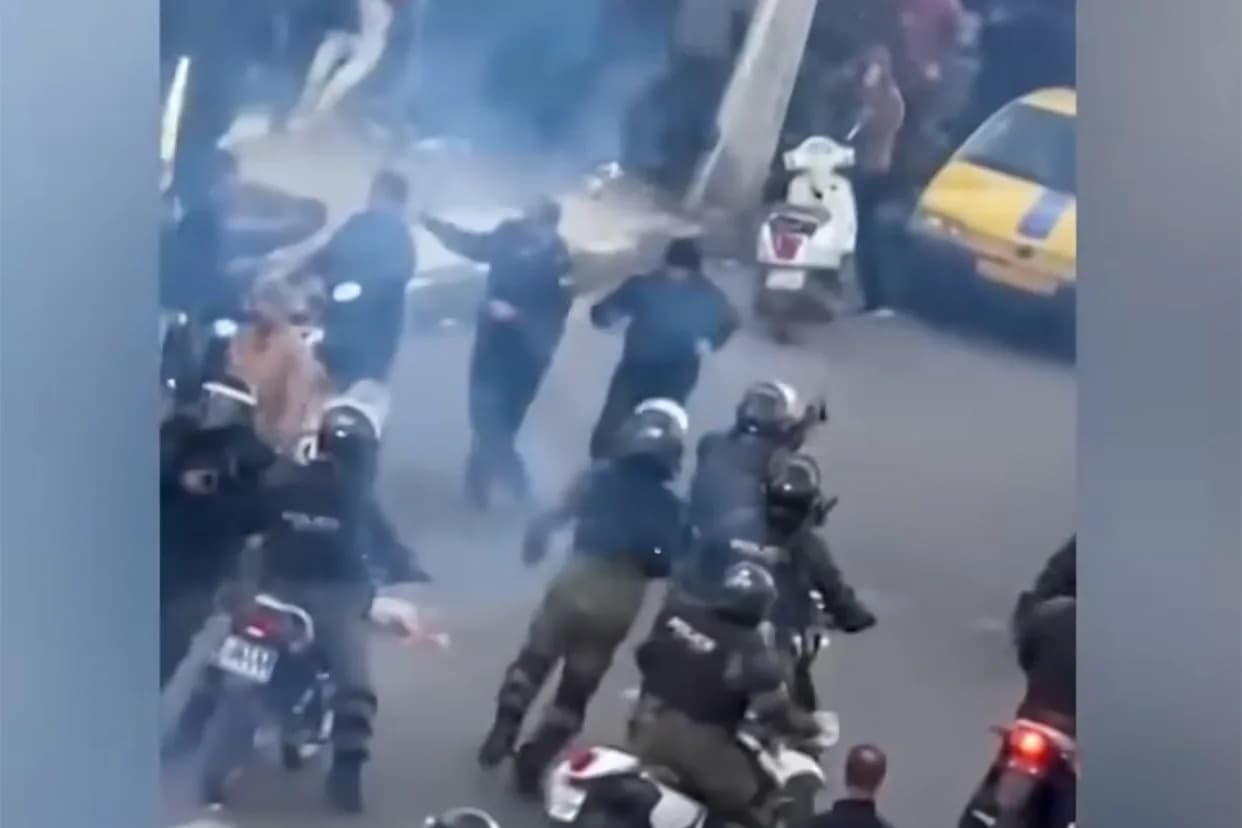
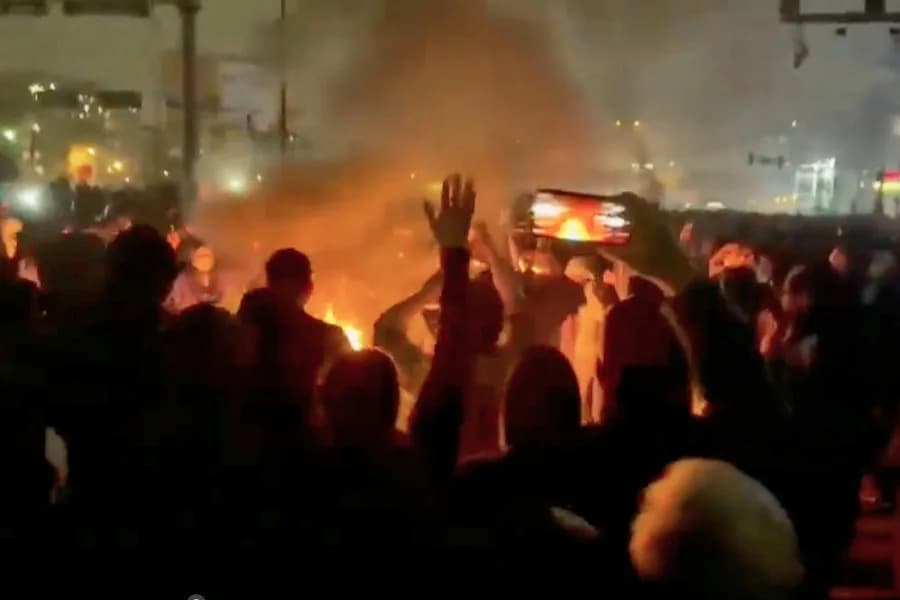
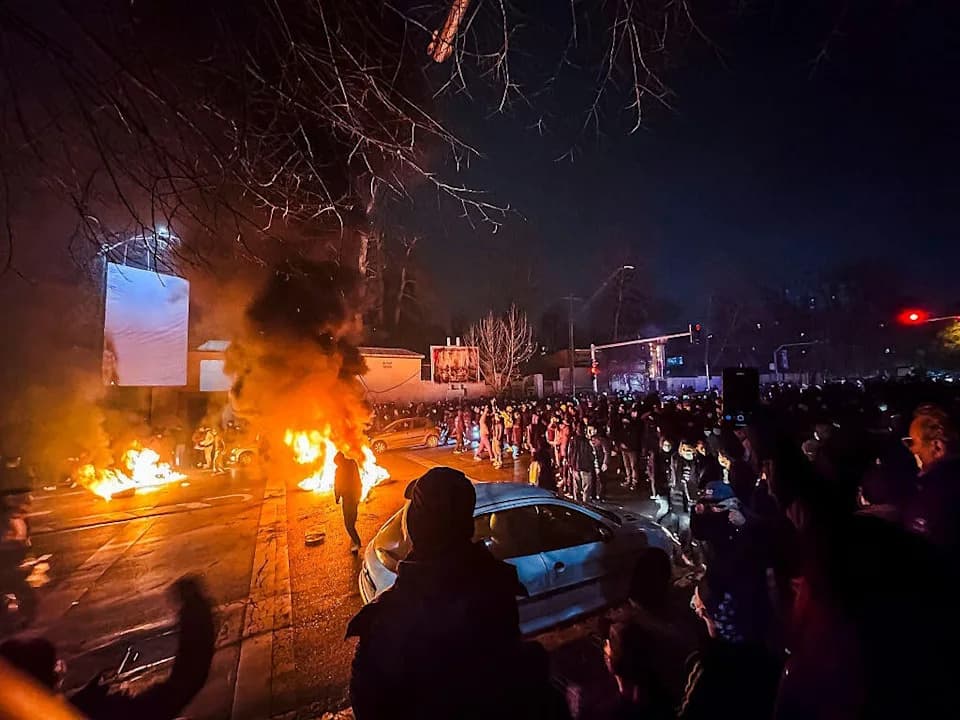
Iran's Supreme Leader Ayatollah Ali Khamenei has accused actors linked to the United States and Israel of responsibility for the deaths of "several thousands" of people during more than two weeks of anti-government protests across Iran.
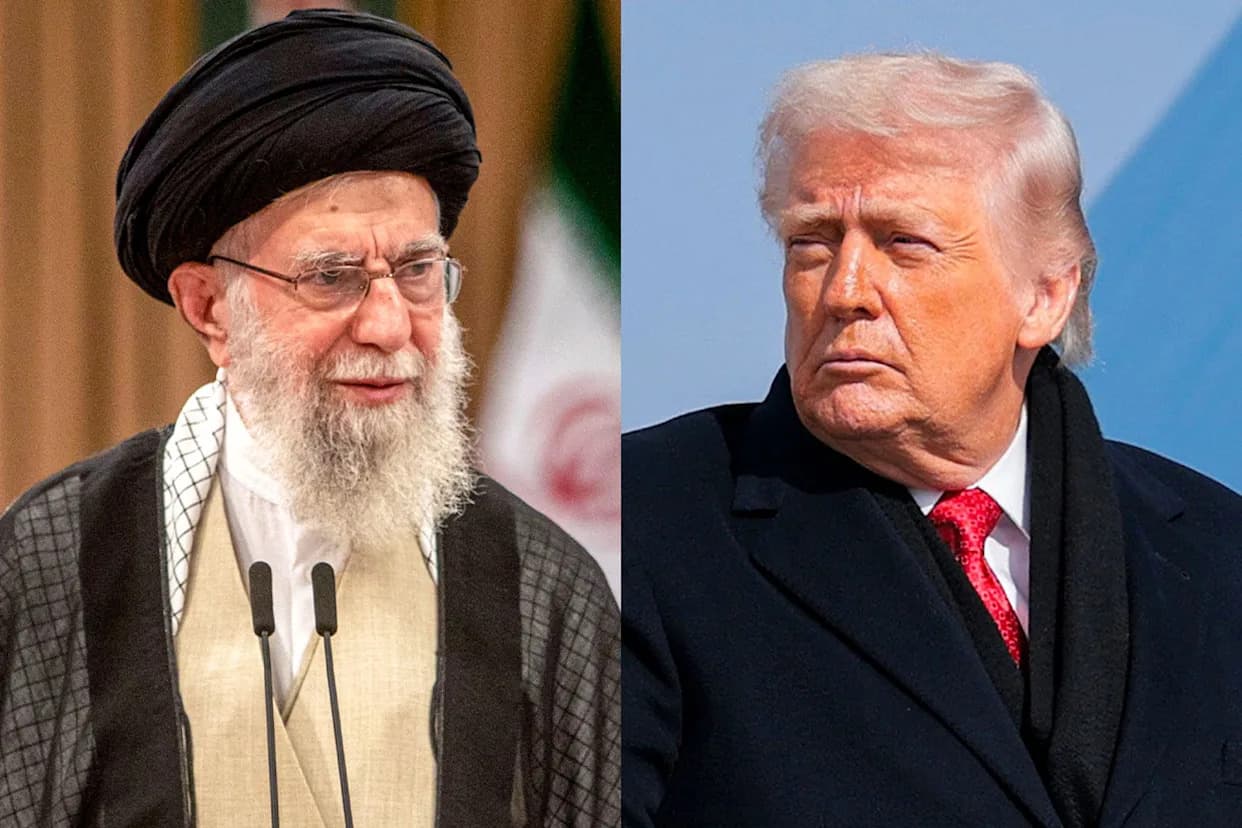
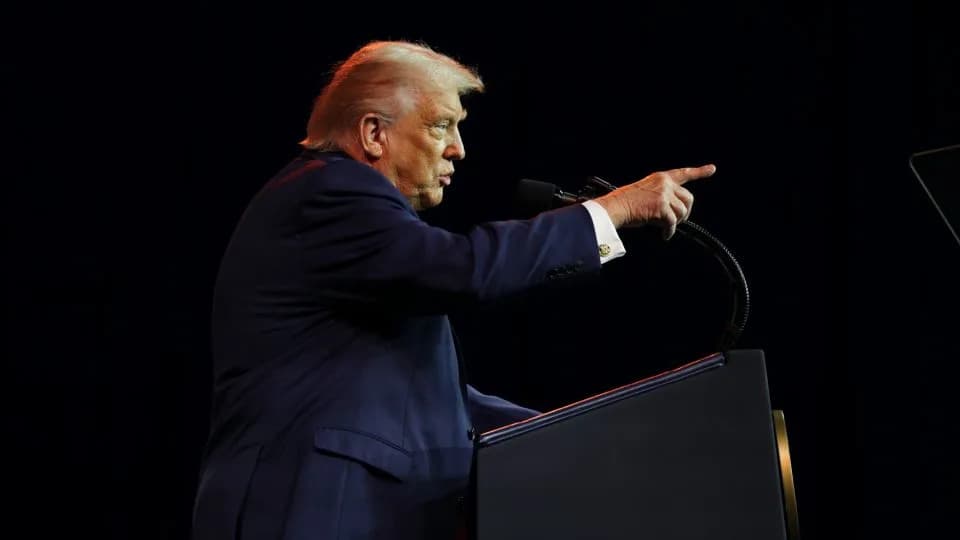
"Those linked to Israel and US caused massive damages and killed several thousands," Khamenei said on Saturday, according to Iranian state media, adding that US President Donald Trump was personally involved and calling him a "criminal." State media quoted him as saying the latest unrest was distinct because "the US president personally became involved."
Allegations, Responses and Context
Iranian authorities have increasingly blamed foreign powers—principally the United States and Israel—for fomenting instability and directing operations inside Iran. Khamenei warned that Tehran will avoid dragging the country into an external war but pledged that those it holds responsible would face consequences: "We will not drag the country into war, but we will not let domestic or international criminals go unpunished."
Reporting from Tehran, Al Jazeera correspondent Resul Serdar said Khamenei's remarks largely restated Iran's long-held narrative but introduced a notable new claim about the sheer scale of casualties. Serdar quoted the leader as asserting a deeper level of US involvement than in prior unrest, saying that on this occasion "the president of the United States was a central figure in this international plot against Iran."
First Time Claiming Thousands: Observers noted this is the first time Khamenei has publicly described casualties in the protests as reaching into the thousands.
Casualty Figures and Verification
There is no independently confirmed, government-accepted death toll. A US-based rights group, HRANA, has reported as many as 3,000 people killed in the protests, while Iranian officials had previously publicly acknowledged only hundreds of deaths, including members of the security forces. Khamenei's statement marks a significant escalation in the official rhetoric about casualties.
Serdar said some international human rights organisations have warned that the true death toll may be higher than the official figures. Nevertheless, independent verification remains limited amid restricted access to many affected areas and communications disruptions during the unrest.
Arrests, Damage and Communications
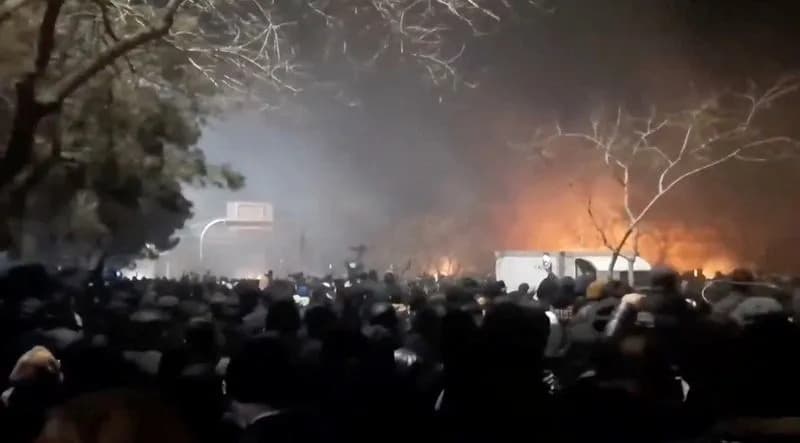
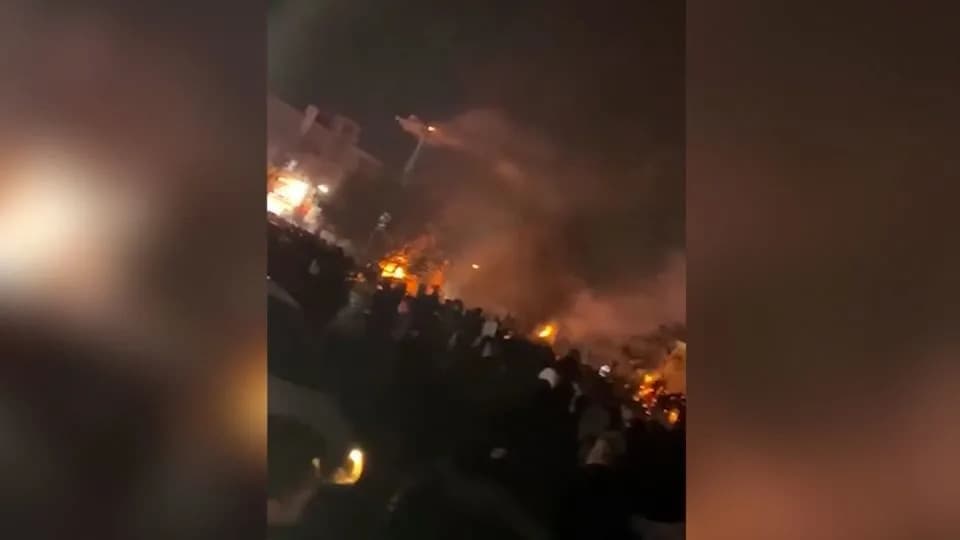
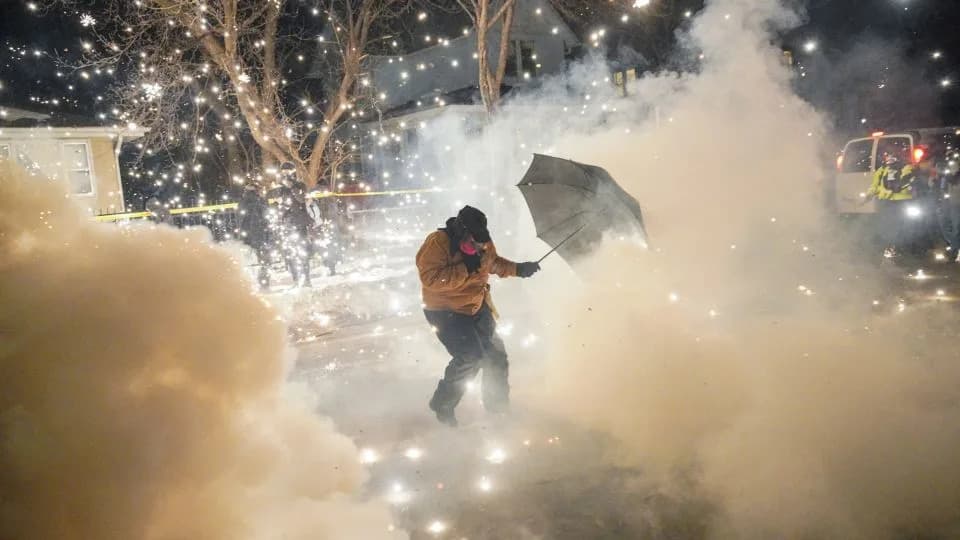
Iranian authorities also say roughly 3,000 people have been arrested in connection with the protests. Khamenei accused protesters of large-scale destruction, including the burning of more than 250 mosques and medical facilities, according to reporting by Serdar.
The semiofficial Fars News Agency reported that the government restored short message service (SMS) nationwide as part of a phased plan after eight days of near-total internet disruption, a move aimed at easing communications while controlling the flow of information.
Origins of the Protests
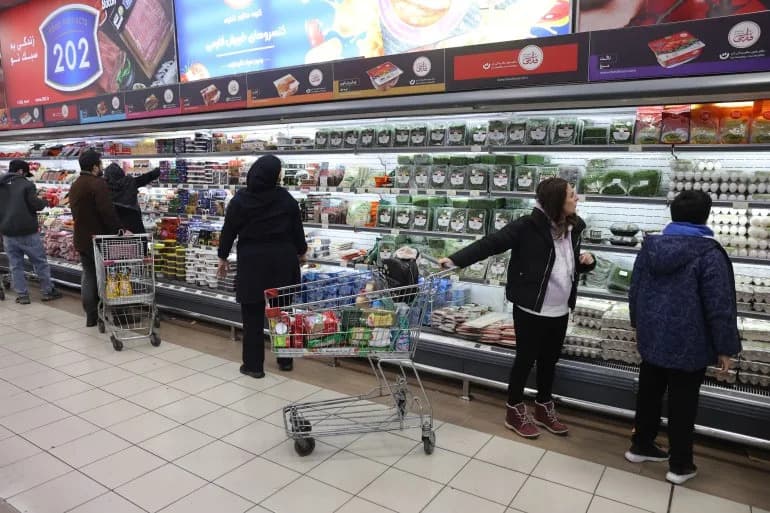
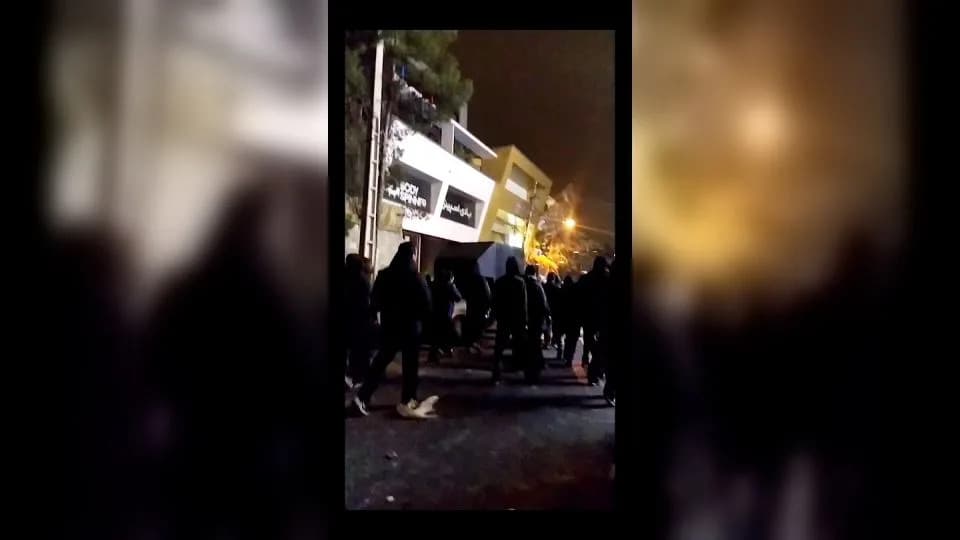
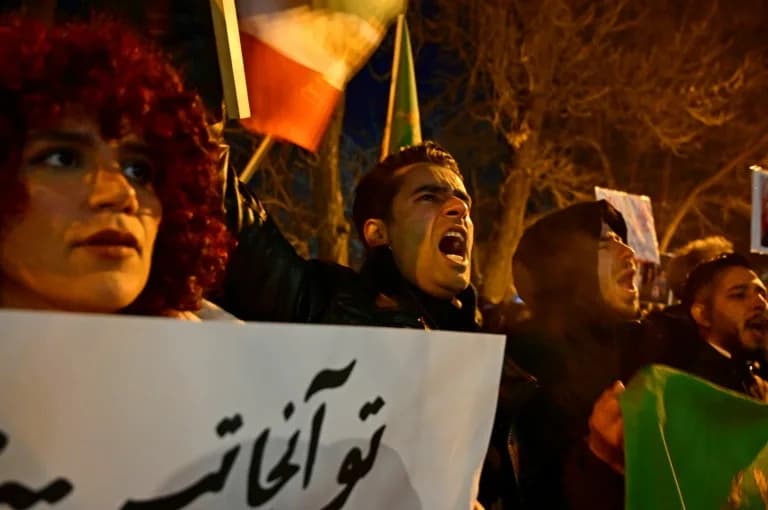
According to the government's account, the demonstrations began peacefully on December 28 in several cities, sparked by rising prices and broader economic hardship. Iranian officials say those protests were later "hijacked" by violent elements they allege were "equipped, financed, and trained" by foreign actors, with Khamenei placing President Trump "in the centre of this plot."
Note: Many details, particularly casualty figures and some allegations of foreign direction, remain contested and have not been independently verified.