Relatives and Norway-based rights group Hengaw say 26-year-old Erfan Soltani, detained after anti-government protests, is alive, in good physical health and briefly met with family. Authorities say Soltani was arrested on January 10 and faces charges including "assembly and collusion against the country's internal security," but has not been sentenced to death, according to state media. Judicial officials warned some protest actions may be classed as moharebeh, a charge that can carry the death penalty, while human rights groups and international actors continue to monitor the situation.
Detained Iranian Protester Erfan Soltani Reported Alive and in Good Health After Execution Fears
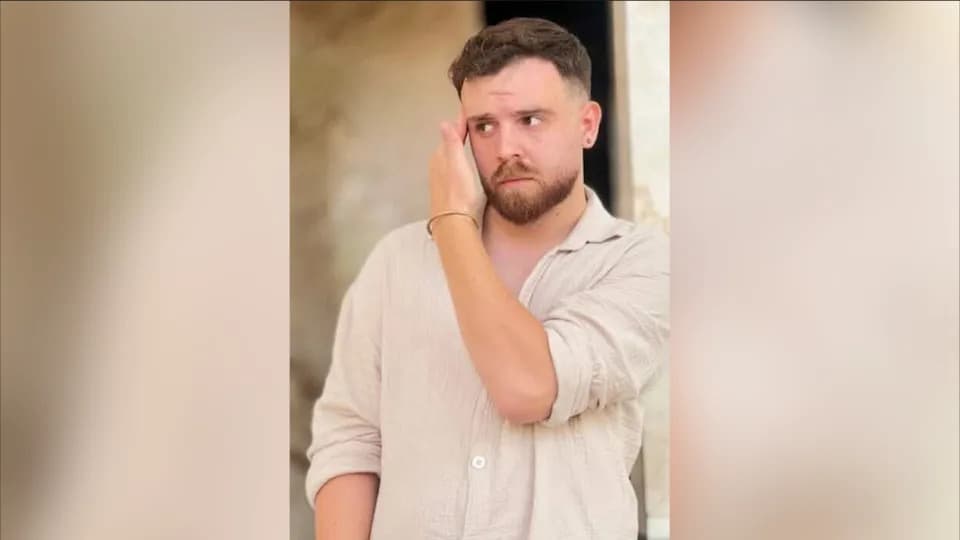
Iranian protester Erfan Soltani's feared execution was canceled earlier this week, his family said, with one family member saying the decision was influenced by US involvement. - Whatsapp
Family members and a Norway-based rights group say Erfan Soltani, a 26-year-old detained in Iran after joining anti-government demonstrations, is alive, in good physical condition and recently met briefly with relatives.
Somayeh, a relative who provided only her first name for security reasons, told CNN on Sunday she had been informed by family in Iran that Soltani was alive and able to see relatives. In a video message she appealed for help securing his release: "I ask everyone to help in securing Erfan's freedom."
The Norway-based human rights group Hengaw confirmed the brief family visit on Sunday and said Soltani was in "good physical health." The U.S. State Department and family members had earlier warned that Iranian authorities might seek to execute some detained protesters, including Soltani.
State media reported that Iran's judiciary said Soltani was arrested on January 10 and formally charged with "assembly and collusion against the country's internal security" and "propaganda activities" against the regime, citing Islamic Republic of Iran Broadcasting (IRIB). IRIB also reported the judiciary's statement that Soltani has not been sentenced to death.

Erfan Soltani, pictured, has been described by his family as a kind and warm-hearted young man. - Obtained by CNN
Human Rights Activists News Agency (HRANA), a U.S.-based organization, has reported that more than 24,000 people have been arrested since the protests began; CNN has not independently verified that figure.
Judiciary Comments and the Charge of Moharebeh
Despite reassurances about Soltani's condition, Iranian judicial officials warned on Sunday that some actions by protesters could be classified as moharebeh—commonly translated as "waging war against God"—a charge that can carry the death penalty under Iran's legal framework. Asghar Jahangir, a judiciary spokesperson, said recent protest actions were criminal and would be prosecuted swiftly.
"Some actions are classified as moharebeh, which carries the most severe punishments under Islamic law," Jahangir said, and he accused those who "collaborate with the enemy" of committing criminal acts.
The developments have played out against a backdrop of heated rhetoric between Tehran and the United States. Iran's Supreme Leader Ayatollah Ali Khamenei accused then-President Donald Trump of encouraging protesters, while Trump said he had been assured "on good authority" that Iran had canceled plans for mass executions—comments Tehran officials called inaccurate.
Tehran's prosecutor, Ali Salehi, dismissed Trump's remarks as "nonsense" in a video published by IRIB and reiterated that many cases have led to indictments and been sent to court.
While Soltani's brief family visit and reported good health ease immediate fears about his execution, Iranian officials' statements underscore that some detained protesters still face serious charges that could carry capital punishment. International observers continue to monitor developments closely.
Help us improve.