Across eras, naval engineering has delivered platform-defining innovations — from Bismarck’s balanced warship concept to Nautilus’s nuclear endurance and Ford’s electromagnetic launch systems. Some designs emphasized scale and protection, others prioritized adaptability, survivability and upgradeability. Together these vessels illustrate how propulsion, protection and systems architecture shaped naval doctrine and continue to influence future ship design.
Naval Engineering Masterpieces: Ships That Redefined Maritime Power
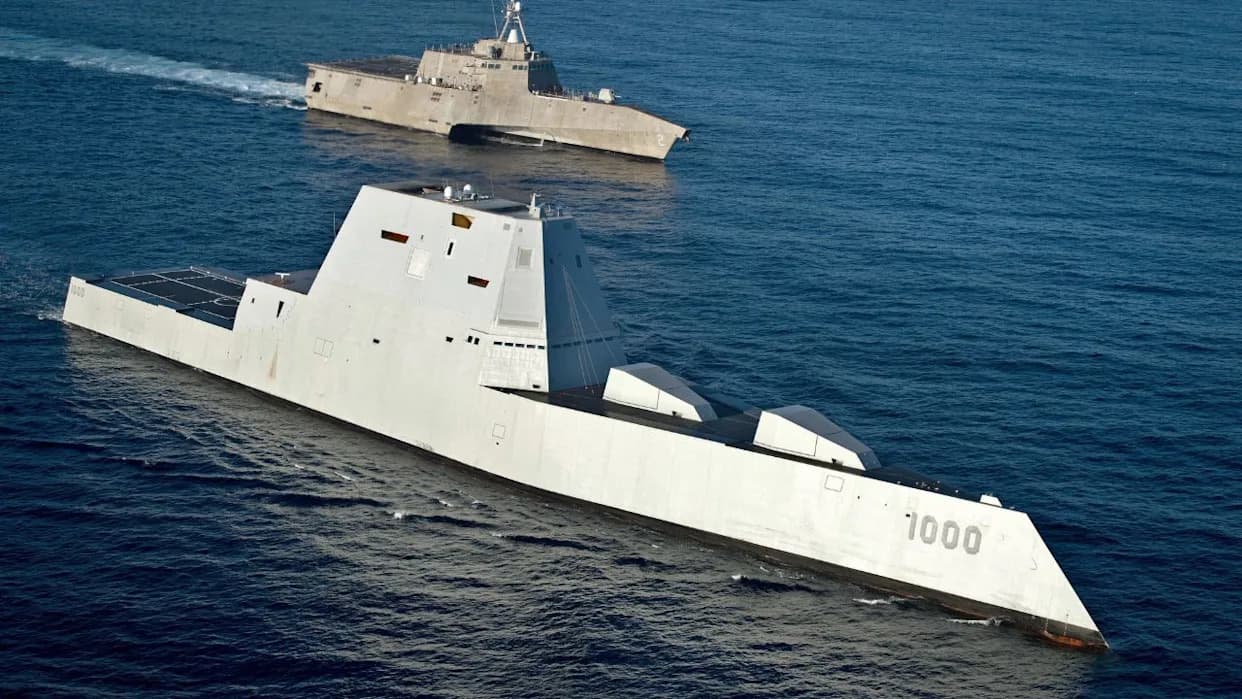
Image Credit: Ace Rheaume/U.S. Navy - Public Domain/Wiki Commons.
Naval history is a record of engineering ambition meeting strategic need. From the age of titanic battleships to nuclear-powered carriers and stealthy destroyers, certain vessels pushed design, propulsion and systems integration to new limits — and in doing so changed how navies operate.
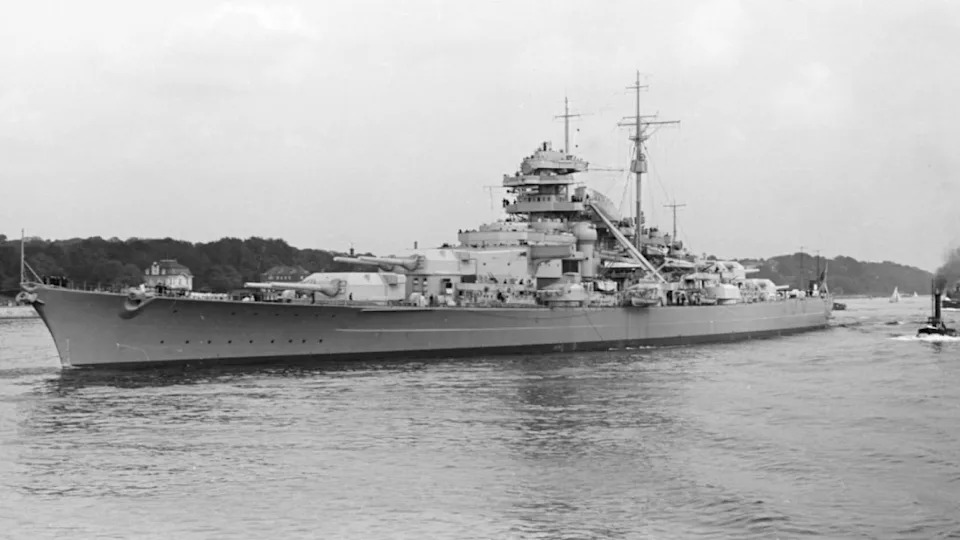
Image Credit: Bundesarchiv - CC-BY-SA 3.0/Wiki Commons.
Bismarck
The German battleship Bismarck combined speed, protection and range in a hull optimized for the North Atlantic. Designers emphasized compartmentalization and damage control so the ship could survive punishment and remain operational. While its fire-control hardware was evolutionary rather than revolutionary, it integrated well with the ship’s overall systems.
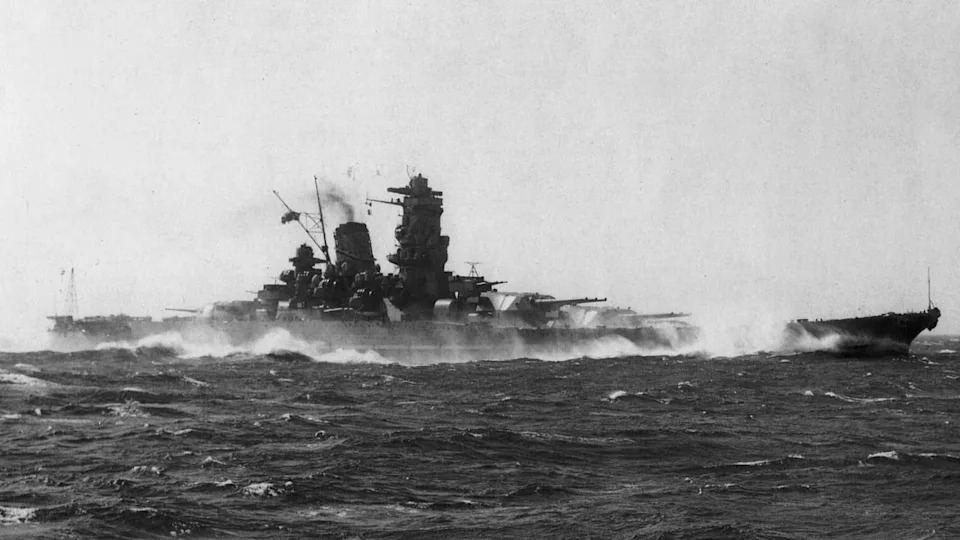
Image Credit: Hasuya Hirohata - Public Domain/Wiki Commons.
- Balanced speed, armor and cruising range.
- Advanced internal subdivision and damage-control layout.
- Showed how a single surface combatant could shape maritime strategy.
Yamato
Yamato represented engineering audacity: the largest battleship ever built, optimized for survivability through massive armor and robust structural engineering. Its propulsion and shock-resistant systems pushed wartime metallurgy. Yamato’s fate underscores that technological achievement can be superseded by shifts in doctrine — in this case, carrier aviation.
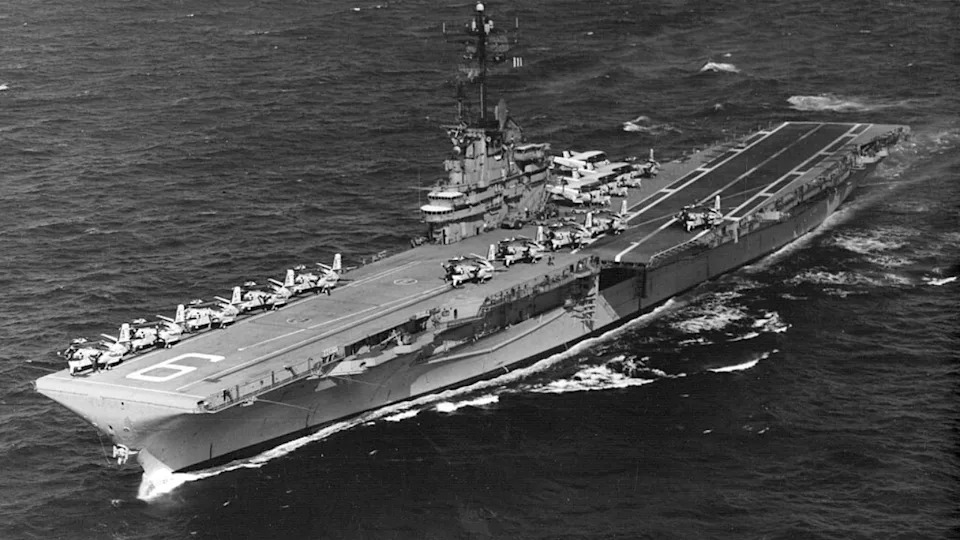
Image Credit: PHCS Jackman - Public Domain/Wiki Commons.
- Record-setting size and main-gun armament.
- Armor distribution and structural strength that challenged contemporary metallurgy.
- Symbol of scale and national ambition.
Essex-Class Carriers
The Essex class reflected engineering brilliance through efficiency. Standardized designs enabled mass wartime production, while practical elevator and hangar layouts sped flight operations and simplified repairs. Their adaptability let them accept new aircraft and electronics over decades.
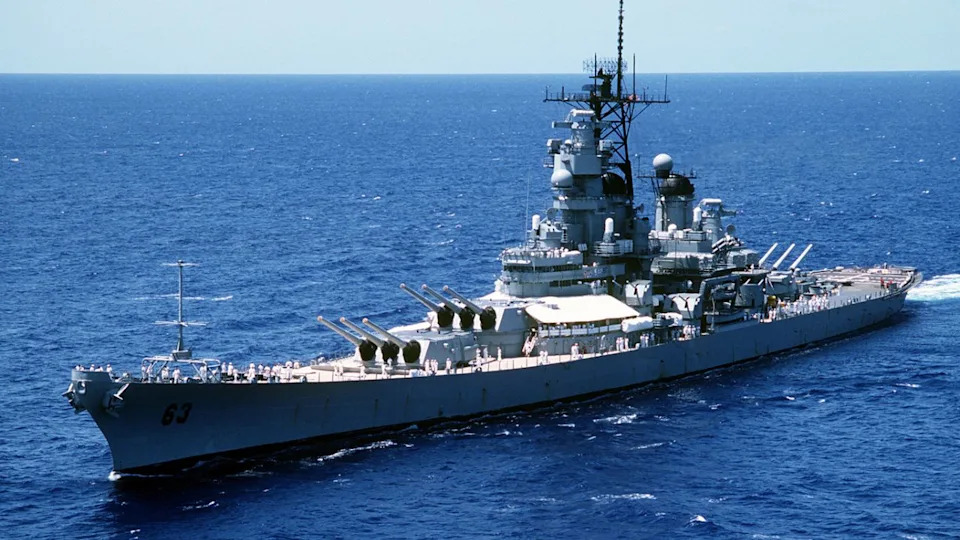
Image Credit: Official U.S. Navy Photograph - U.S. National Archives, Online Public Access/Wiki Commons.
- Optimized for mass production and rapid repair.
- Efficient elevator and hangar workflows improved sortie generation.
- Flexible architecture that extended service into the Cold War.
USS Missouri (The "Mighty Mo")
Missouri epitomized the American fast-battleship: a heavy, fast hull with advanced radar-directed fire control and robust electrical and protection systems. Built on wartime lessons, she remained adaptable to later upgrades and served long after the battleship era waned.
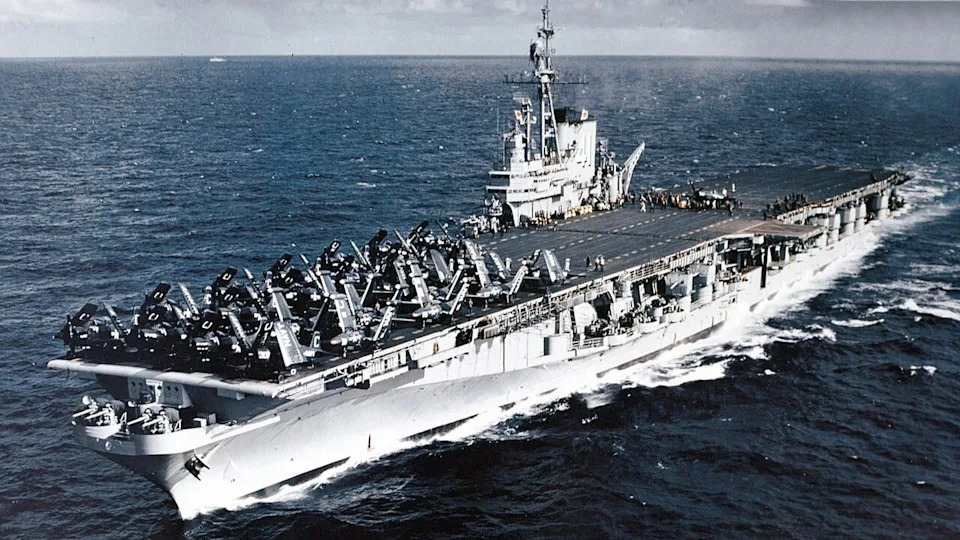
Image Credit: U.S. Navy - Public Domain/Wiki Commons.
- Mature implementation of the fast-battleship concept.
- Radar-directed fire control for improved long-range gunnery.
- Design able to accept new electronics and defenses over time.
Midway-Class Carriers
Designed with growth in mind, the Midway class anticipated the jet age by providing heavier protection, larger flight decks and space for future systems. Their hulls and power plants supported decades of upgrades, including angled decks and modern arresting gear.
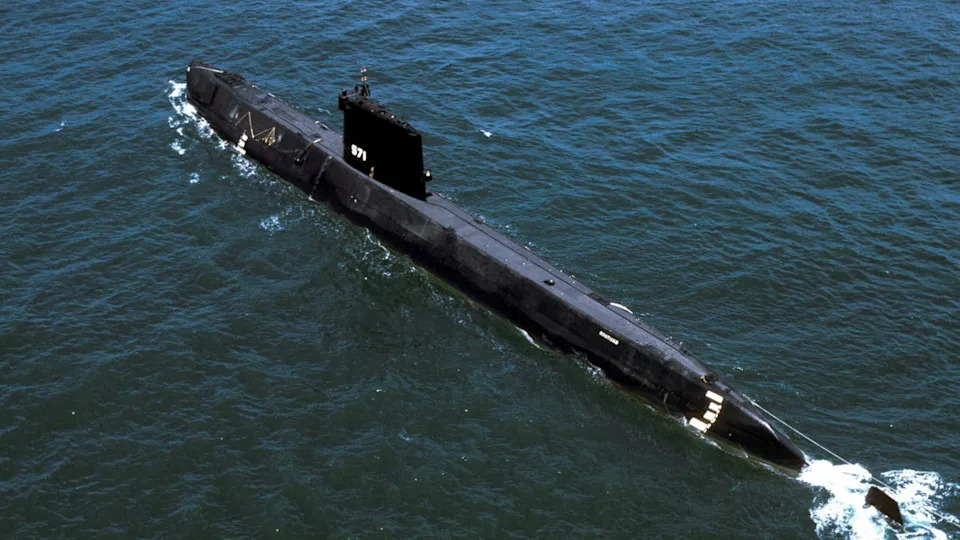
Image Credit: John Kristoffersen - Public Domain/Wiki Commons.
- Built to accommodate transition to jet aircraft.
- Adaptable to angled decks and modern systems.
- Long service life due to forward-looking design margins.
USS Nautilus
Nautilus transformed submarine warfare by introducing nuclear propulsion. Freed from snorkeling and battery constraints, submarines gained true underwater endurance. Nautilus also established foundational standards for reactor safety, thermal management and systems redundancy.
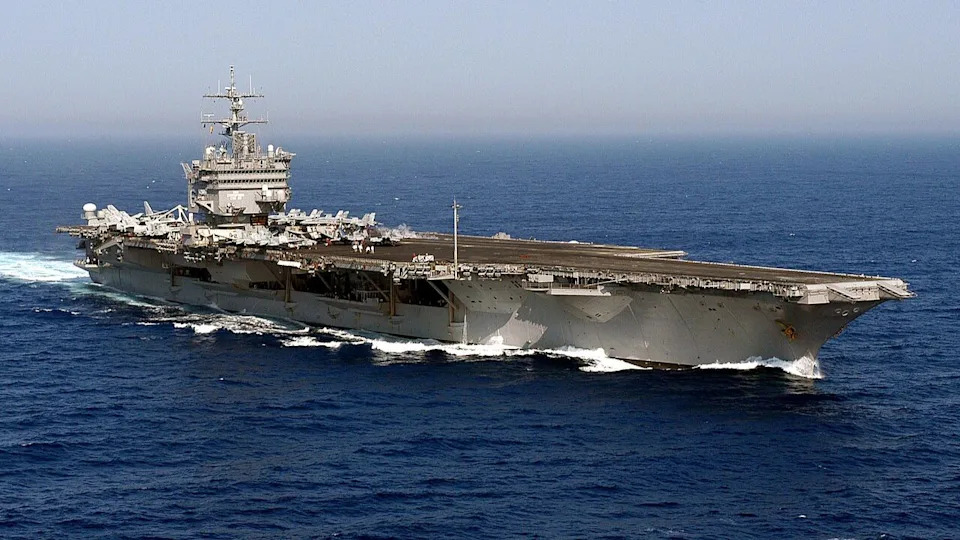
Image Credit: Airman Rob Gaston - Public Domain/Wiki Commons.
- World’s first nuclear-powered submarine.
- Revolutionized underwater endurance and tactics.
- Set safety and design principles for nuclear fleets.
USS Enterprise (CVN-65)
Enterprise scaled nuclear propulsion to carrier operations, using eight reactors to provide exceptional endurance and electrical capacity. The ship pioneered logistics, training and operational practices for nuclear carriers and accommodated evolving air wings and sensors over decades.
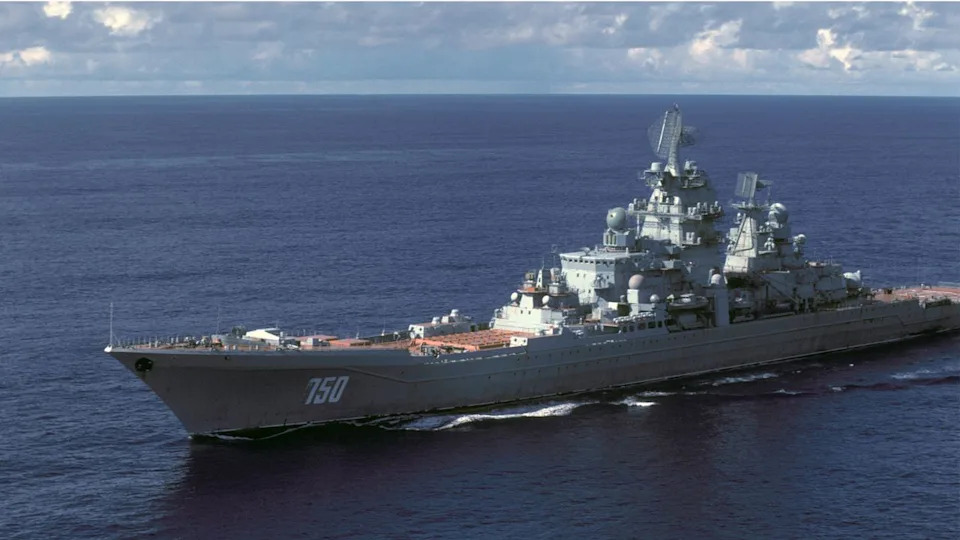
Image Credit: JOHN KRISTOFFERSEN - Public Domain/Wiki Commons.
- First nuclear-powered aircraft carrier with extensive electrical headroom.
- Developed the operational blueprint for nuclear carrier management.
- Adaptable platform for changing aircraft and mission systems.
Kirov-Class Battlecruisers
The Soviet Kirov class demonstrated a different application of nuclear power: very large surface combatants armed as "missile battleships." Combining hybrid propulsion and heavy missile magazines with powerful sensors, these ships embodied an anti-access, long-range strike concept.
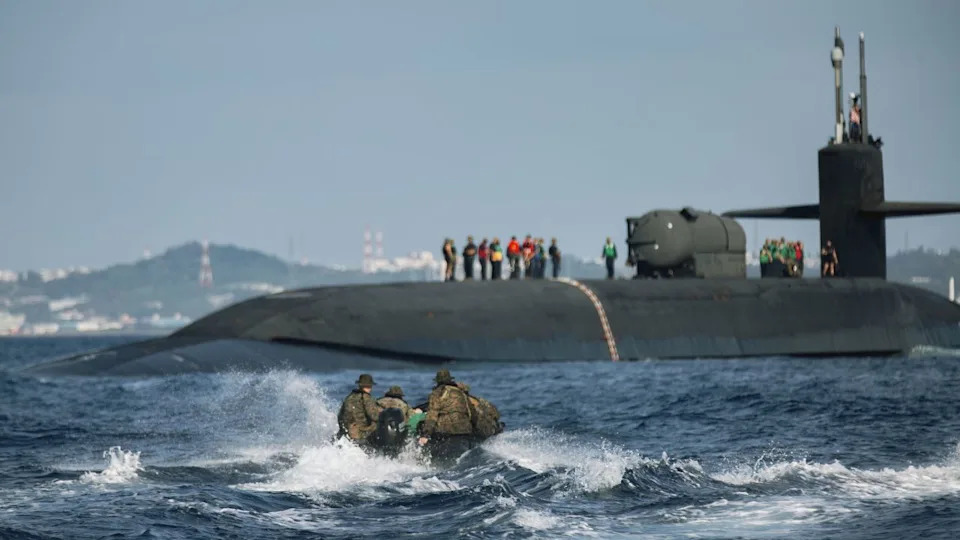
Image Credit: Destiny Dempsey/U.S. Navy - Public Domain/Wiki Commons.
- Hybrid nuclear/steam propulsion for speed and range.
- Designed as heavily armed missile battlecruisers.
- Offered a Soviet alternative to Western carrier-centric doctrine.
Ohio-Class Submarines
Ohio-class ballistic missile submarines prioritized quietness, reliability and crew habitability to sustain months-long deterrent patrols. Robust engineering choices made maintenance predictable and allowed later hull conversions to guided-missile roles.
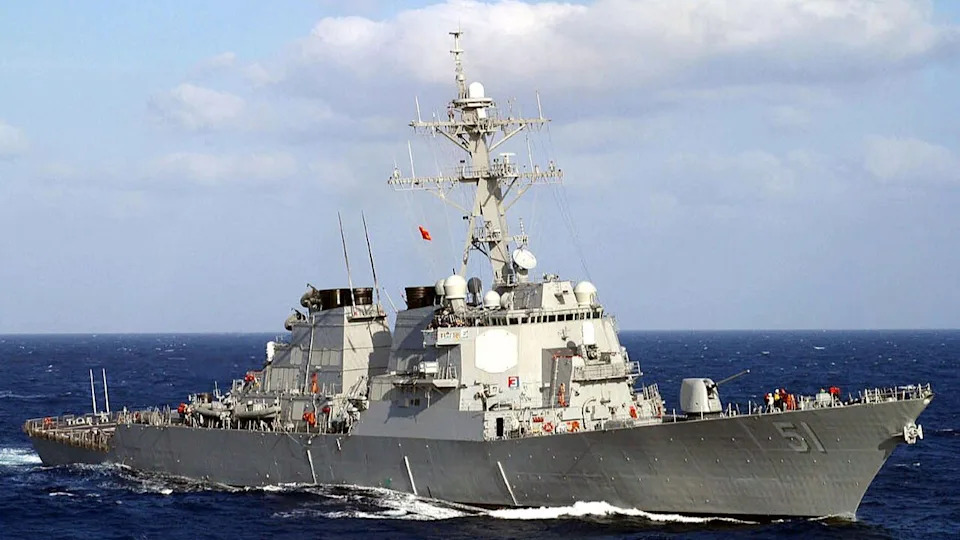
Image Credit: U.S. Navy - Public Domain/Wiki Commons.
- Optimized for long, quiet strategic patrols.
- Prioritized habitability and dependable systems.
- Hull adaptability enabled mission conversions.
Arleigh Burke-Class Destroyers
Arleigh Burke destroyers are the modern surface fleet’s multipurpose workhorses. Built for survivability with a strong steel hull and thoughtful compartmentation, the class integrates the Aegis combat system and vertical launch cells (VLS) and was designed to accept continuous upgrades.
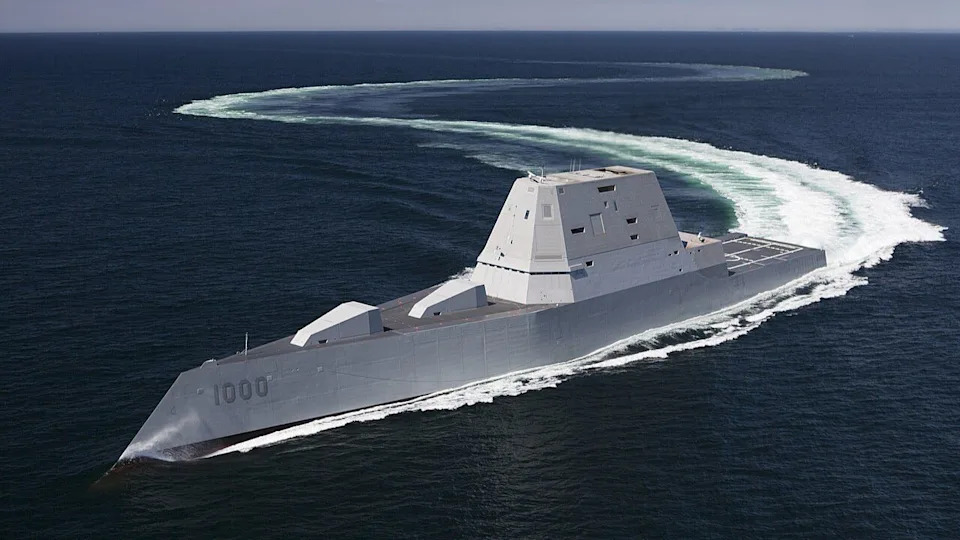
Image Credit: National Museum of the U.S. Navy - Public Domain/Wiki Commons.
- Engineered for survivability and damage control.
- Aegis combat system and VLS provide broad mission flexibility.
- Architecture supports decades of incremental upgrades.
Zumwalt-Class Destroyers
Zumwalt-class hulls experiment with stealth and systems integration. The tumblehome form reduces radar return and the Integrated Power System treats the ship as a high-capacity electrical plant for advanced sensors and potential future weapons. The class served as a live testbed for next-generation concepts.
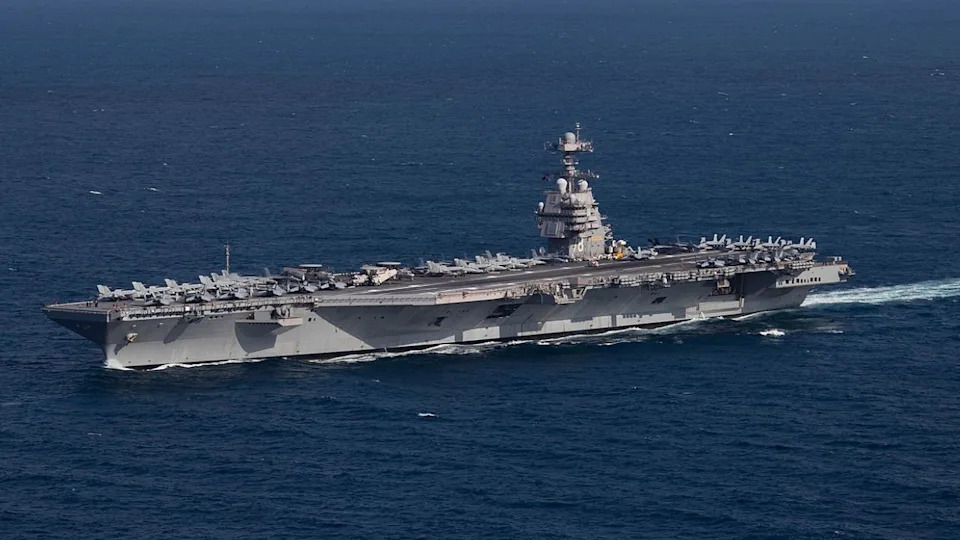
Image Credit: Jackson Adkins - Public Domain/Wiki Commons.
- Stealth-focused hull form and reduced radar signature.
- Integrated electrical plant sized for high-demand systems.
- Demonstrated risk-taking design and prototyping at sea.
USS Gerald R. Ford (Ford-Class)
The Ford class pushes carrier capability into the 21st century with surplus electrical generation and new launch-and-recovery tech: Electromagnetic Aircraft Launch System (EMALS) and Advanced Arresting Gear (AAG). Reworked flight-deck logistics, elevators and magazines aim to increase sortie rates and improve safety.
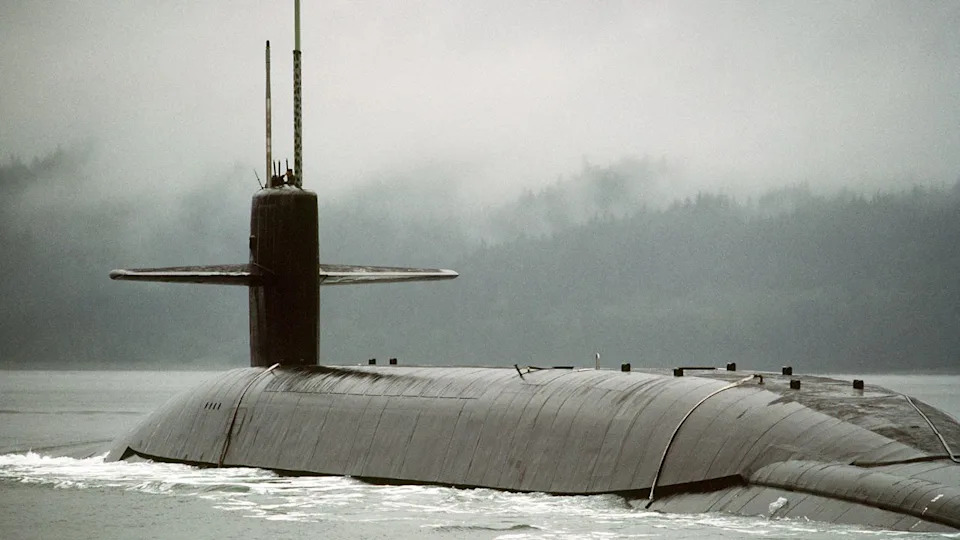
Image Credit: PH1 Harold Gerwien - Public Domain/Wiki Commons.
- Electromagnetic launch and modern arresting systems.
- Flight-deck and logistics redesign for faster operations.
- Large electrical margins to support future systems and sensors.
From steel leviathans to silent submarines and electric, stealthy prototypes, these ships trace the arc of naval engineering — where choices about propulsion, protection, systems architecture and modularity shaped doctrine and capability. Future innovations will build on this lineage, from autonomous platforms to alternative power systems.
Help us improve.