
The USS Nautilus, commissioned in 1954, was the world’s first operational nuclear-powered submarine and is now preserved at the Submarine Force Museum in Groton, Connecticut. Its January 1955 announcement, “Underway on nuclear power,” marked a new era—enabling weeks-long submerged operations, sustained 20+ knot speeds, a 1958 transit to the North Pole and a role in the 1962 Cuban Missile Crisis. Decommissioned in 1980 and restored for public display, Nautilus offers a compact, immersive look at Cold War submarine life.
Inside the USS Nautilus: Touring the World's First Nuclear-Powered Submarine

The USS Nautilus (SSN-571) submarine at Portland Harbour, Dorset, 12th August 1958.Bob Haswell/Daily Express/Hulton Archive/Getty Images
The USS Nautilus, commissioned in 1954, was the world’s first operational nuclear-powered submarine and today is preserved at the Submarine Force Museum in Groton, Connecticut. Its introduction transformed submarine operations—extending underwater endurance, increasing speed, and enabling missions previously impossible for diesel-electric boats.
Historic Milestones
On January 17, 1955, Nautilus transmitted the landmark message:
“Underway on nuclear power.”That new propulsion allowed the submarine to remain submerged for roughly two weeks at a time and sustain speeds above 20 knots (about 23 mph).
Among Nautilus’ most notable achievements: hosting the first underwater congressional meeting in 1955, becoming the first vessel to reach the geographic North Pole in 1958 during Operation Sunshine, and participating in the naval blockade during the Cuban Missile Crisis in 1962.
A Walk Through Nautilus
Weighing about 3,400 tons and measuring 319 feet—longer than a football field—Nautilus gives visitors a vivid sense of Cold War life aboard a submarine. The self-guided tour takes you through compact, purpose-built spaces that reveal how sailors lived and worked beneath the waves.
Forward Torpedo Room
The tour typically begins in the forward torpedo room, which contains two torpedo tubes with bronze doors and enlisted bunks. Mannequins depict crew preparing torpedoes; when firing, tubes were flooded and high-pressure air from the ejection pump expelled the weapon.
Wardroom and Officers' Quarters
The wardroom served as the officers’ main living and working area. Nautilus carried 11 officers and 105 enlisted sailors. Officers’ meals were prepared in the galley and lifted to an officers’ pantry via a dumbwaiter, then served on Navy china in the wardroom. A narrow, wood-paneled corridor leads to officers’ staterooms—fewer bunks signified higher rank, while the commanding officer alone enjoyed a private stateroom.
Attack Center, Control Room, and Sonar
The attack center was Nautilus’ battle station: periscopes, firing controls and a line-of-sight diagram used to calculate range and bearing. An alarm panel displayed color-coded alerts (yellow: fire/casualty; red: flooding/collision; green: submerging/emergency surfacing; pink: power-plant casualty). The control room managed depth, trim and speed; levers controlled water and air flow to the main ballast tanks for diving and surfacing. The sonar room housed systems for active and passive detection of other vessels.
Innovations and Support Spaces
Nautilus introduced the first set of stairs on a submarine, replacing ladders and easing movement between levels. The ESM (electronic surveillance measures) bay could detect other ships’ radar emissions, and the radio room handled external communications. The crew’s mess was the largest communal area, with a window into the battery well; while the nuclear reactor supplied primary propulsion, batteries provided auxiliary emergency power.
Life Aboard
Damage-control teams trained with oxygen breathing apparatuses (OBAs) to fight fires while submerged. Chief petty officers had a private lounge—often called the “goat locker”—a nickname with multiple historic explanations. All meals were prepared in the galley, and the mess also stored a lay services box used by crew volunteers to conduct religious services in the absence of a chaplain.
Preservation and Public Access
After 26 years of service, Nautilus was decommissioned in 1980, designated a National Historic Landmark in 1982, and opened to the public in 1986 as part of the Submarine Force Museum. The vessel underwent approximately $36 million in preservation work in 2021 and reopened in 2022. The museum is located near the shipyard where Nautilus was built and offers free admission Wednesday through Monday.
Why Nautilus Still Matters
Nautilus’ pioneering service illustrates how nuclear propulsion revolutionized undersea warfare and exploration. Just over 70 years since it entered service, nuclear power remains the standard for U.S. Navy submarines—a lasting legacy of this groundbreaking boat.
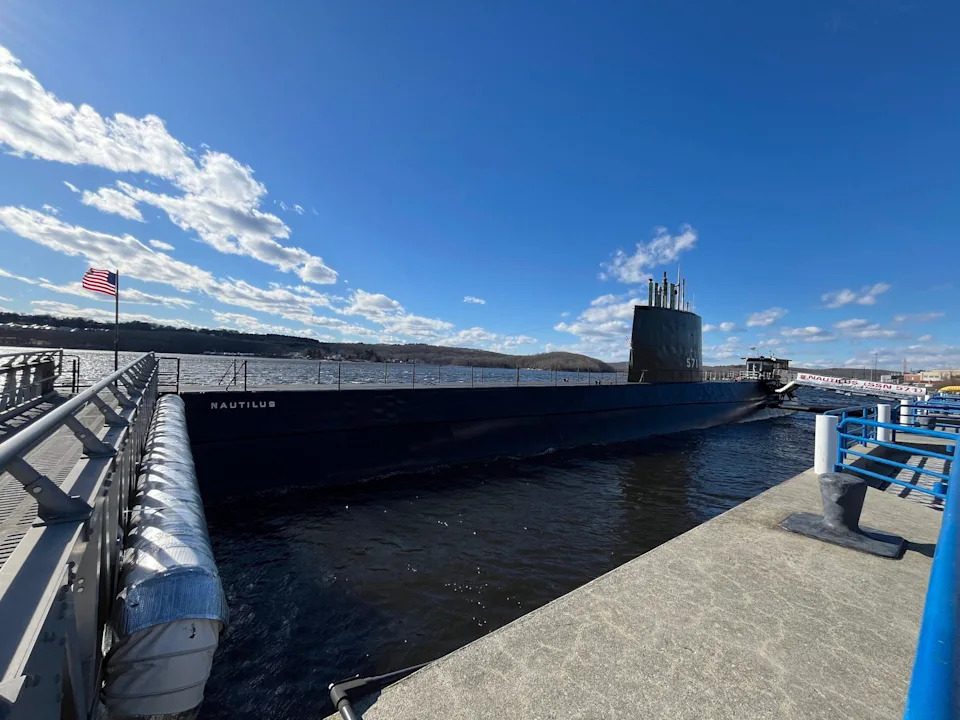
The USS Nautilus.Talia Lakritz/Business Insider
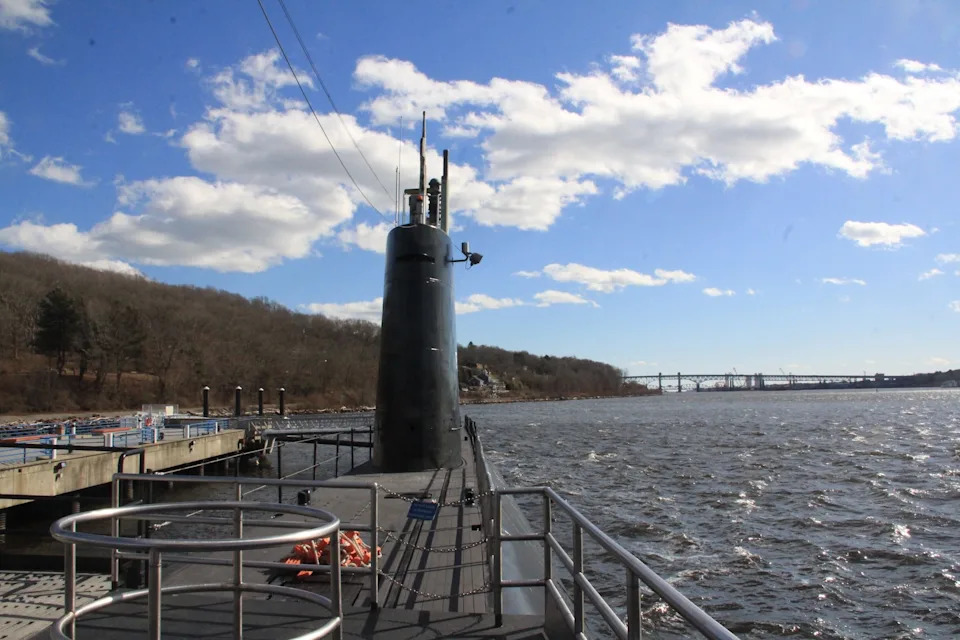
The deck of the USS Nautilus.Talia Lakritz/Business Insider
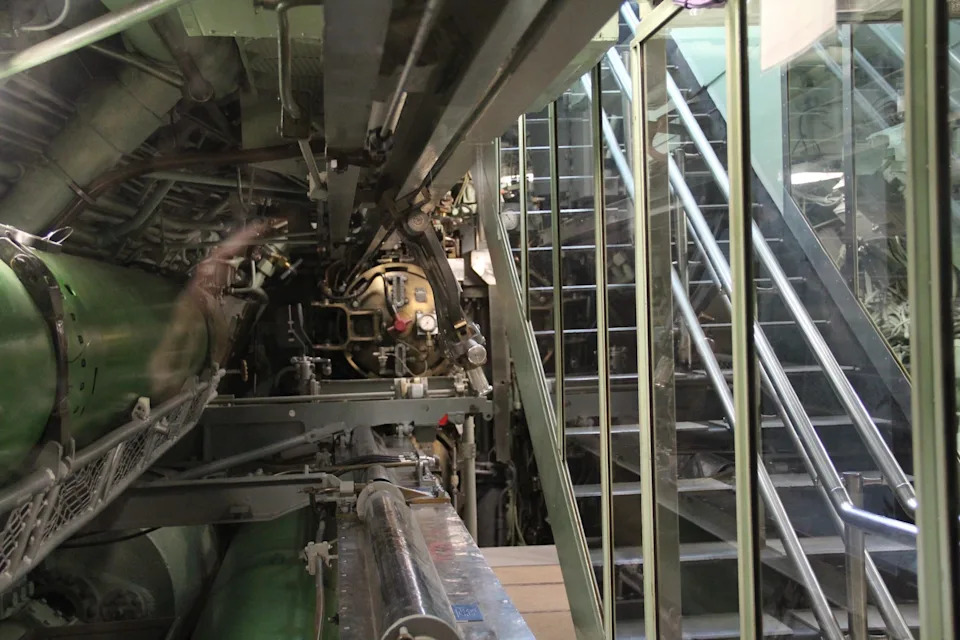
The forward torpedo room.Talia Lakritz/Business Insider
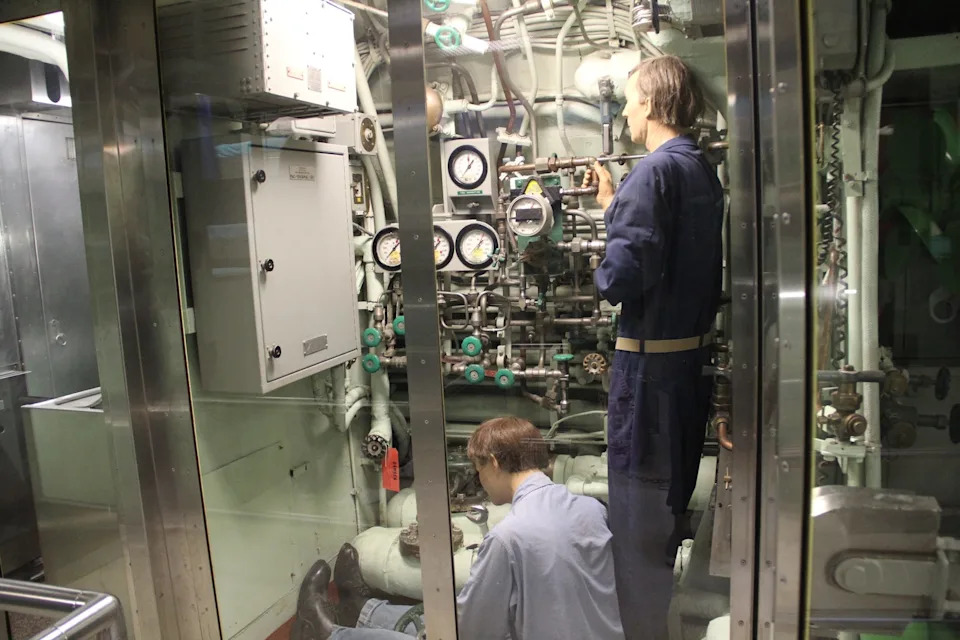
Mannequins of crew members in the forward torpedo room.Talia Lakritz/Business Insider
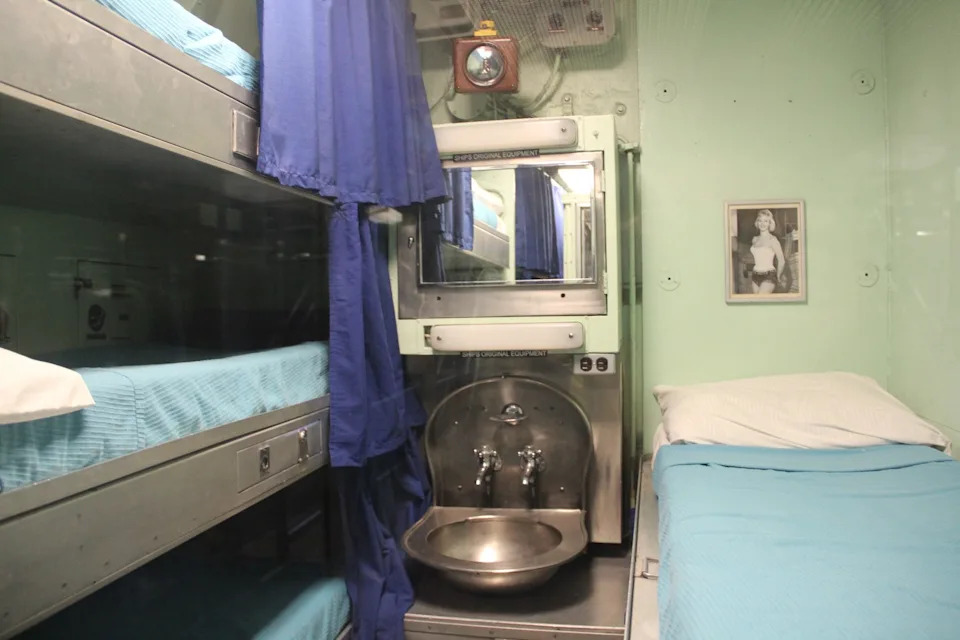
Crew quarters.Talia Lakritz/Business Insider
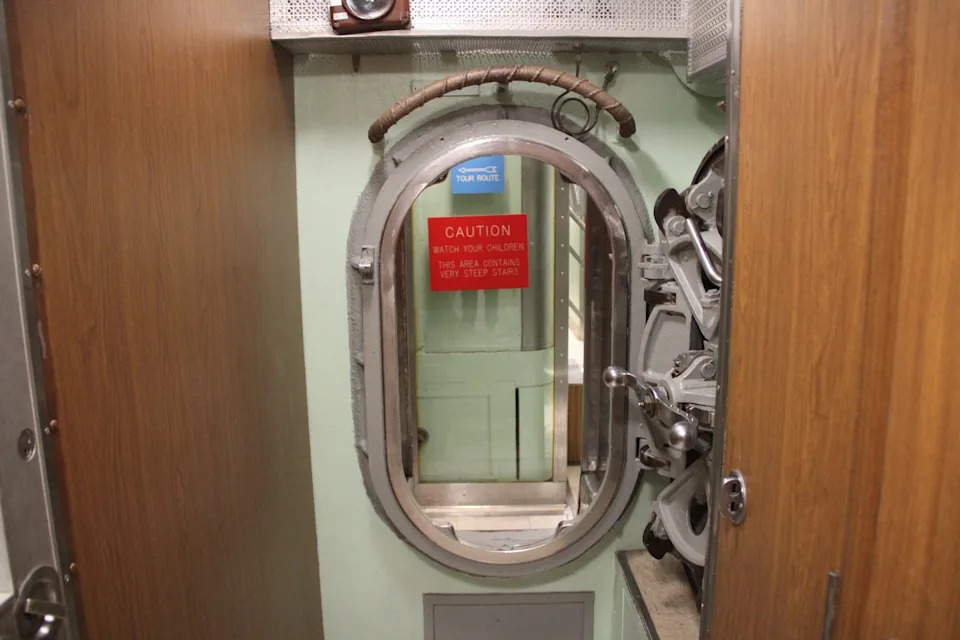
A doorway on the USS Nautilus.Talia Lakritz/Business Insider
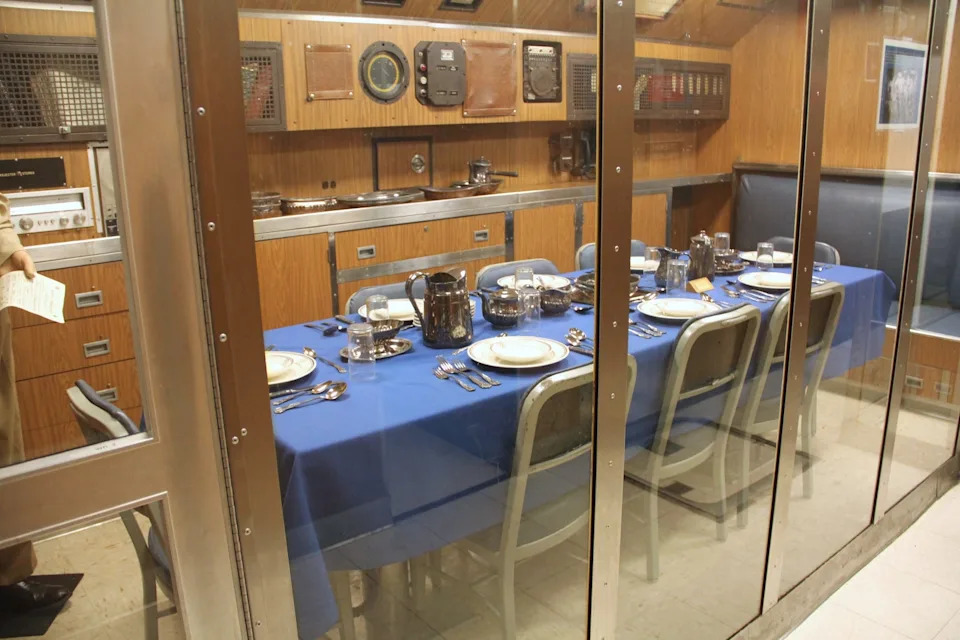
The ward room.Talia Lakritz/Business Insider
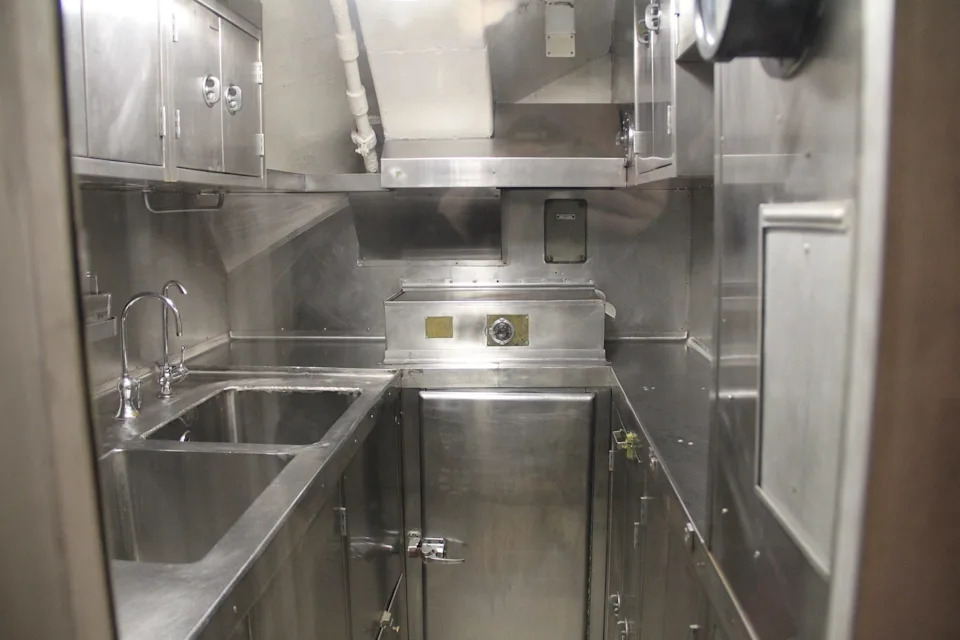
The officers' pantry.Talia Lakritz/Business Insider
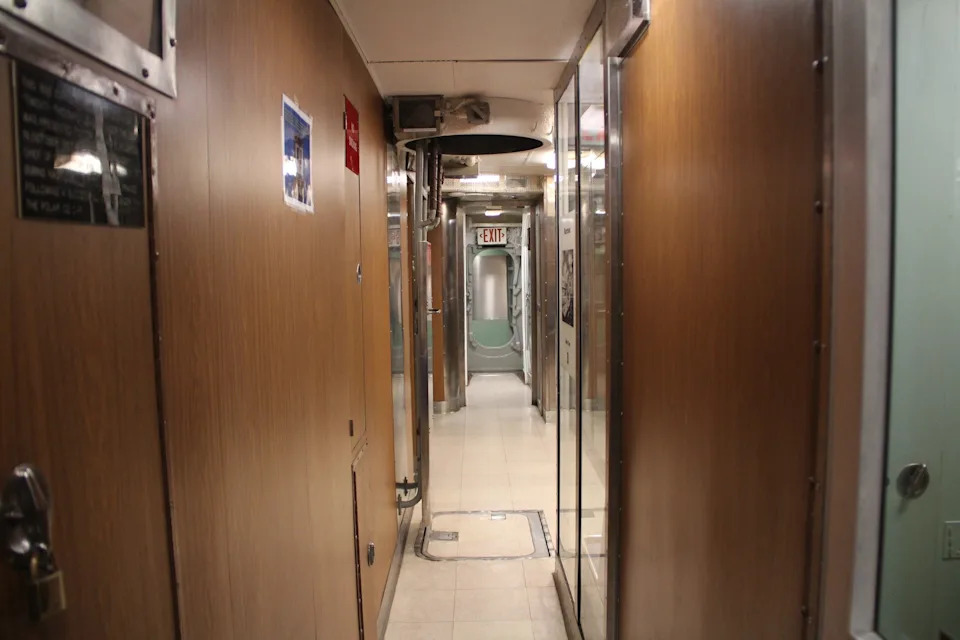
A hallway on the USS Nautilus.Talia Lakritz/Business Insider
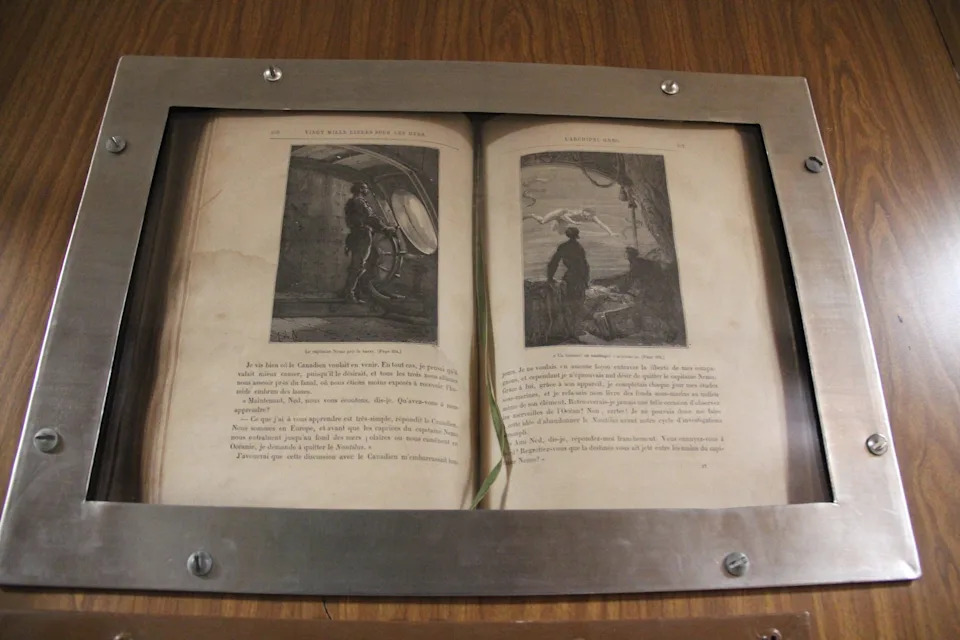
An 1892 edition of "Twenty Thousand Leagues Under The Sea."Talia Lakritz/Business Insider
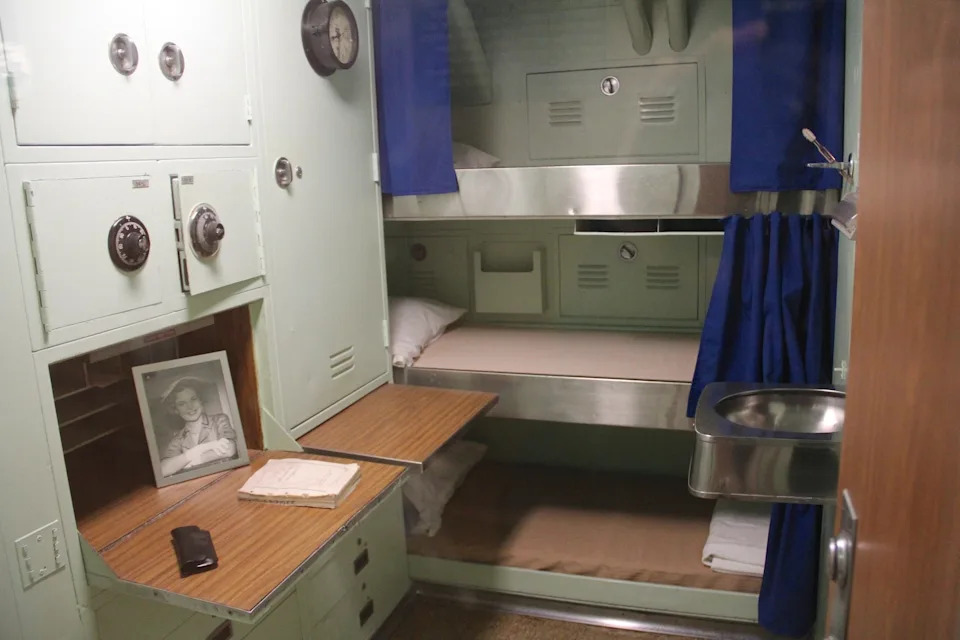
An officers' stateroom.Talia Lakritz/Business Insider
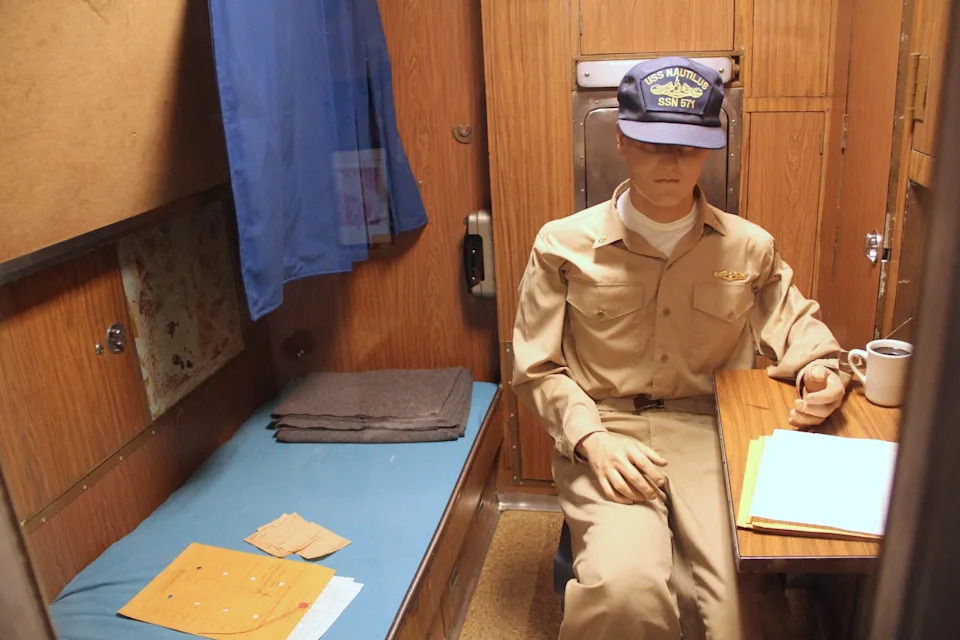
The executive officer's stateroom.Talia Lakritz/Business Insider
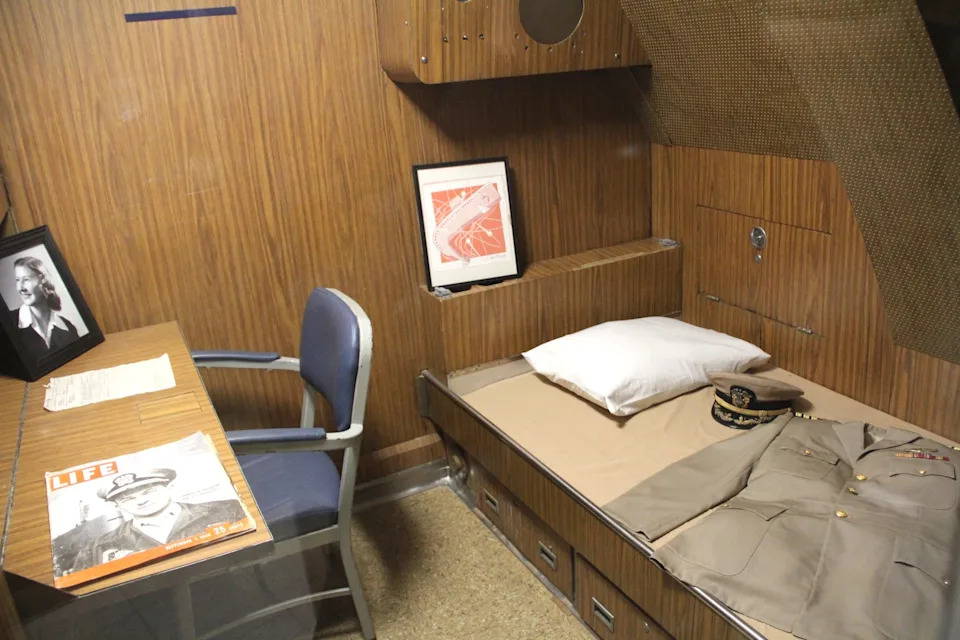
The commanding officer's stateroom.Talia Lakritz/Business Insider
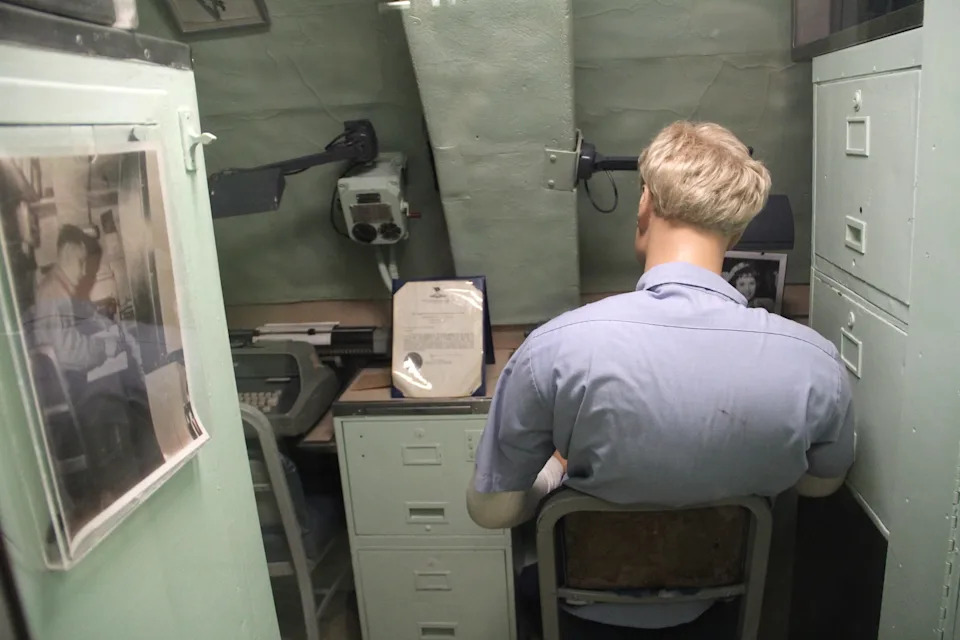
The office.Talia Lakritz/Business Insider
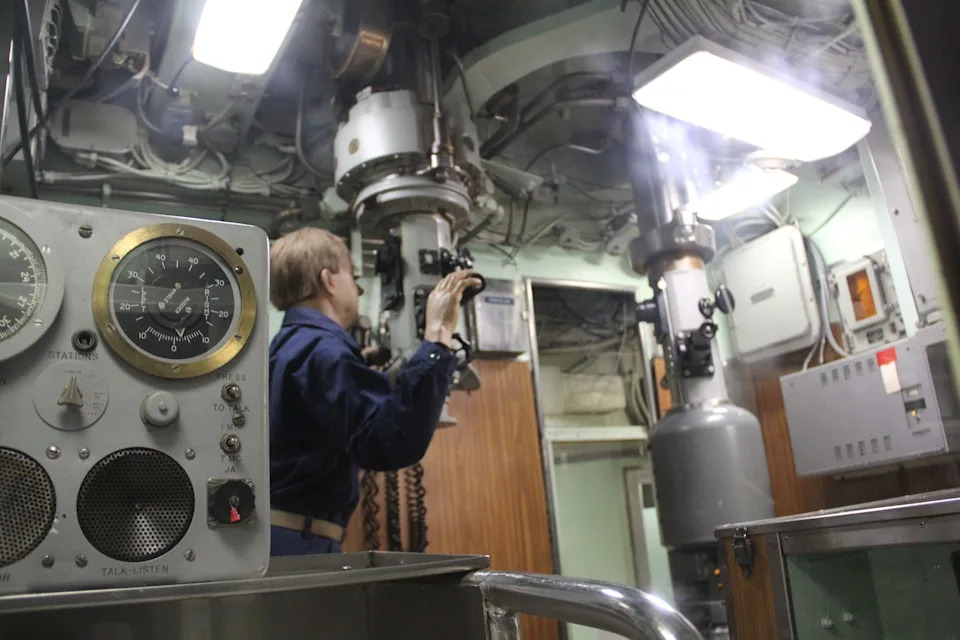
The attack center.Talia Lakritz/Business Insider
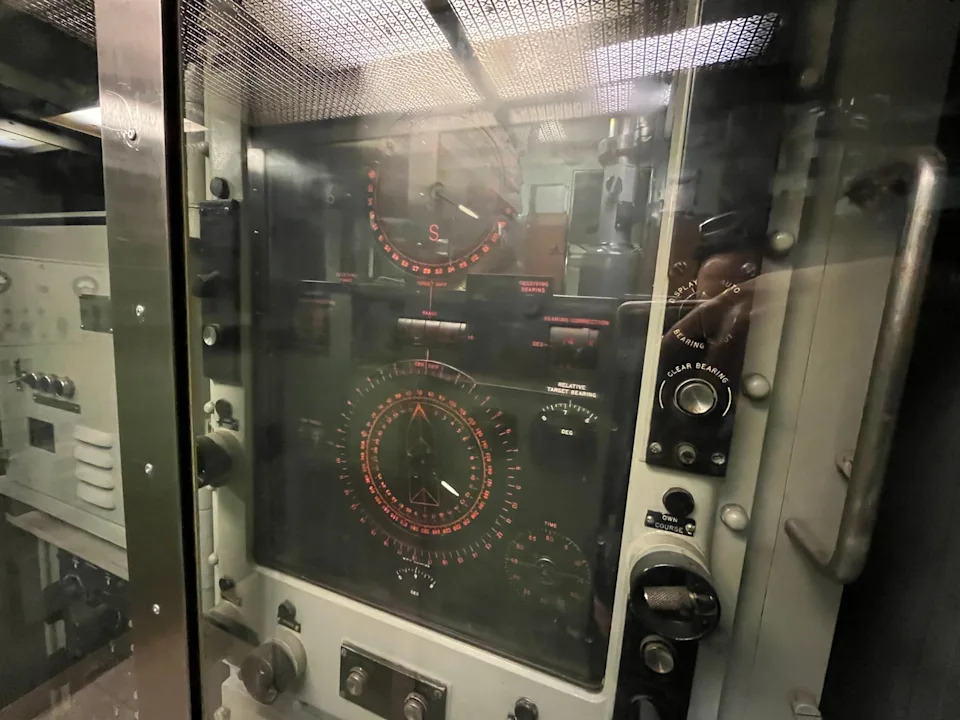
A line of sight diagram in the attack center.Talia Lakritz/Business Insider
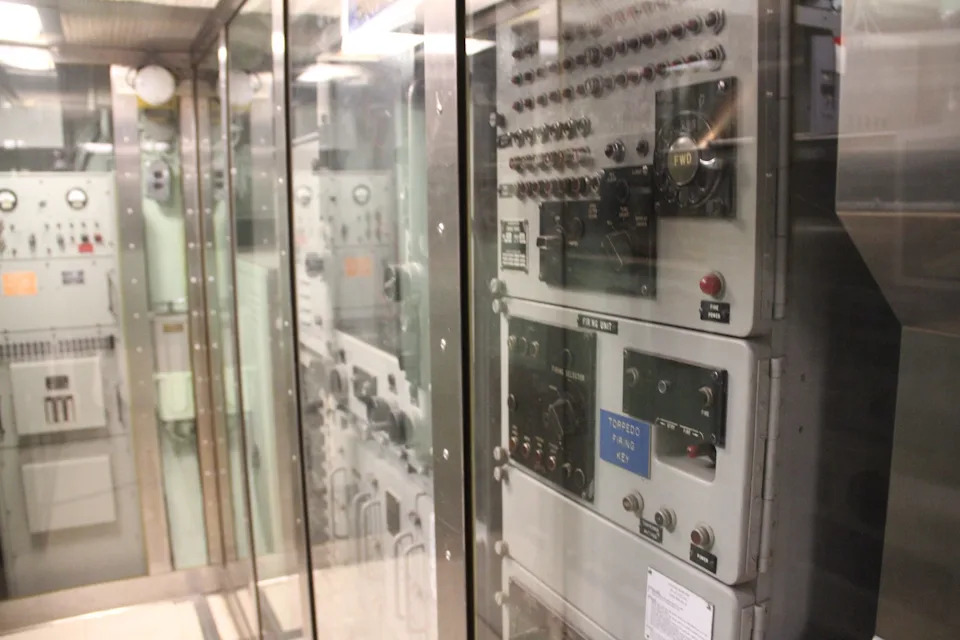
A firing panel.Talia Lakritz/Business Insider
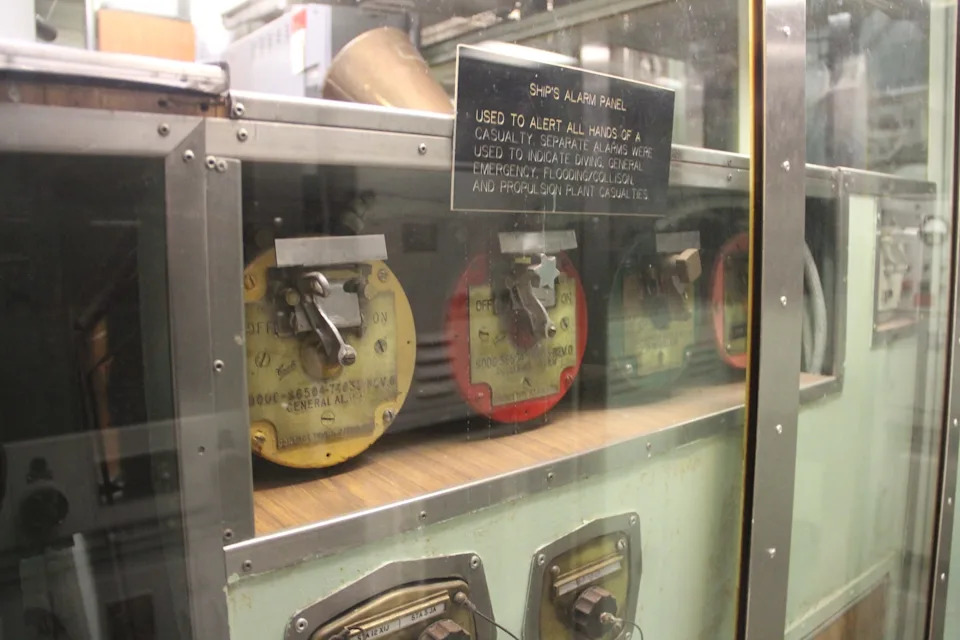
An alarm panel.Talia Lakritz/Business Insider
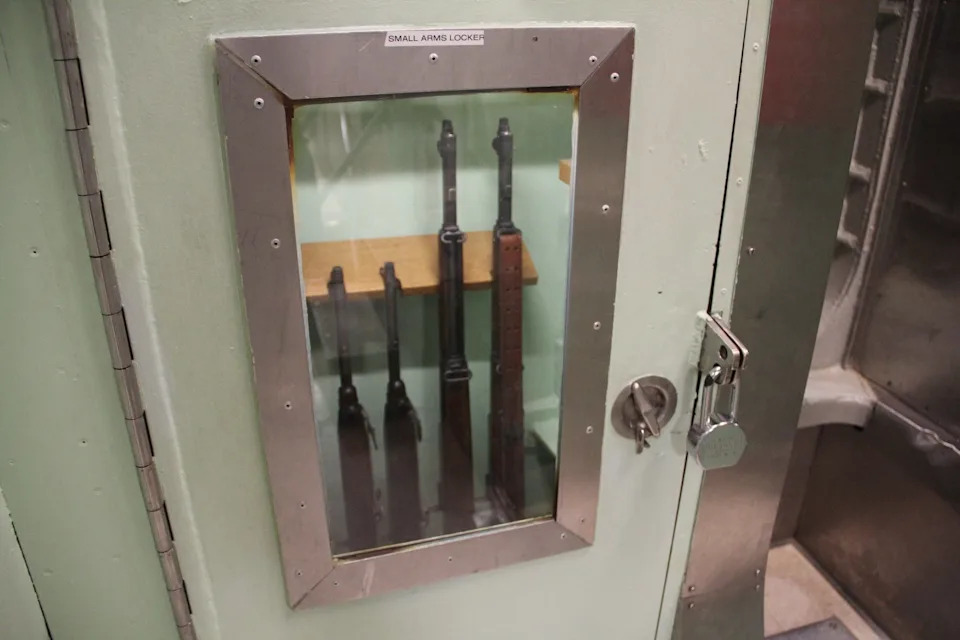
A small arms locker.Talia Lakritz/Business Insider
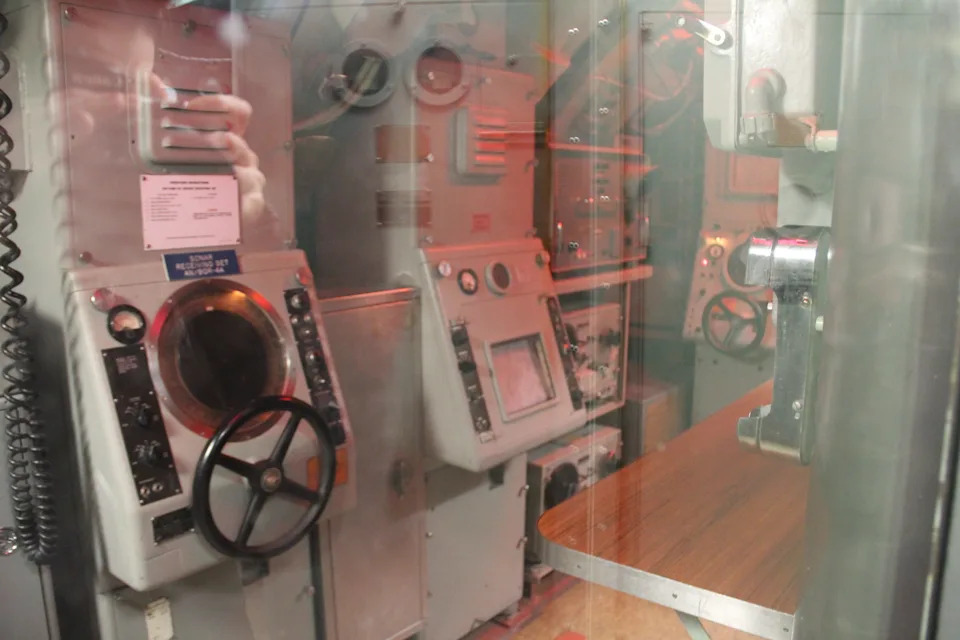
The SONAR room.Talia Lakritz/Business Insider
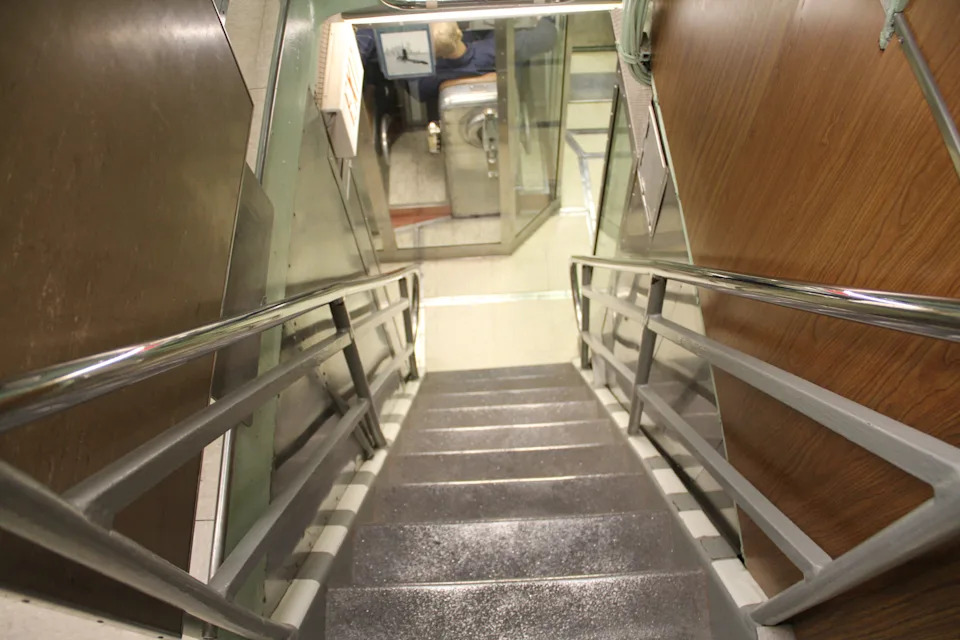
Stairs leading down to the control room.Talia Lakritz/Business Insider
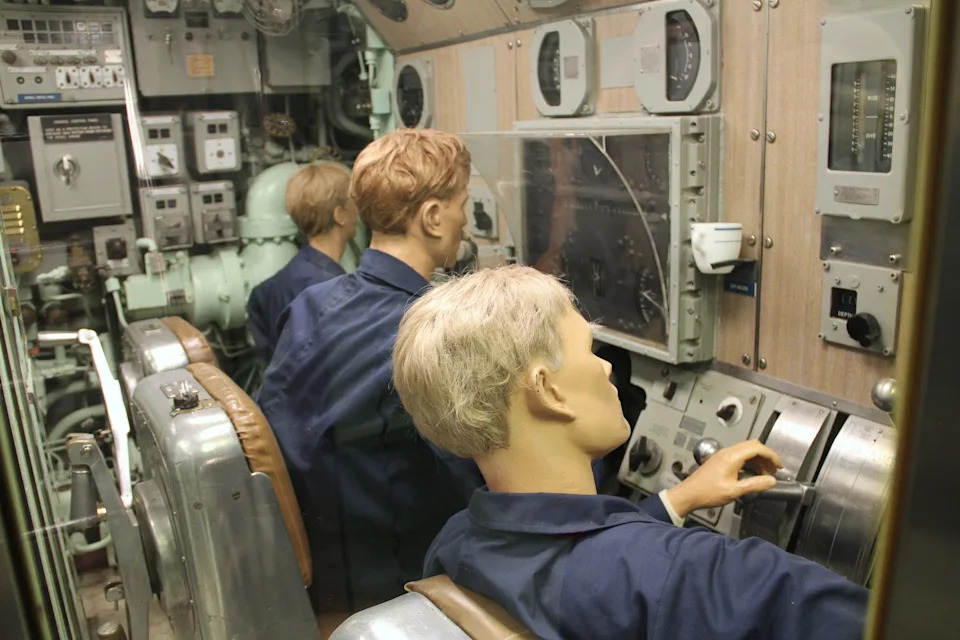
Mannequins of crew members in the control room.Talia Lakritz/Business Insider
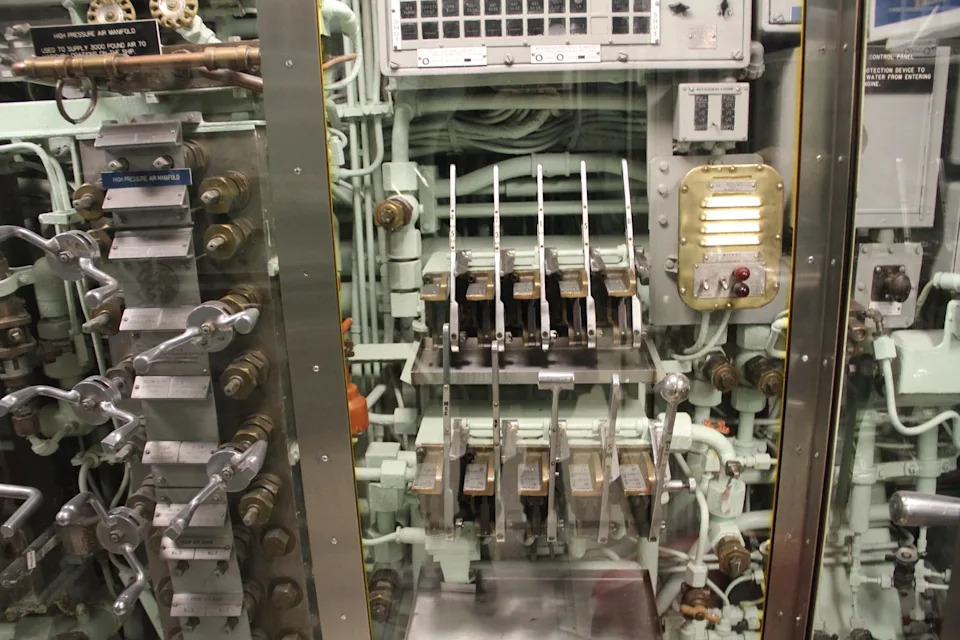
Operating levers for the main ballast tanks.Talia Lakritz/Business Insider
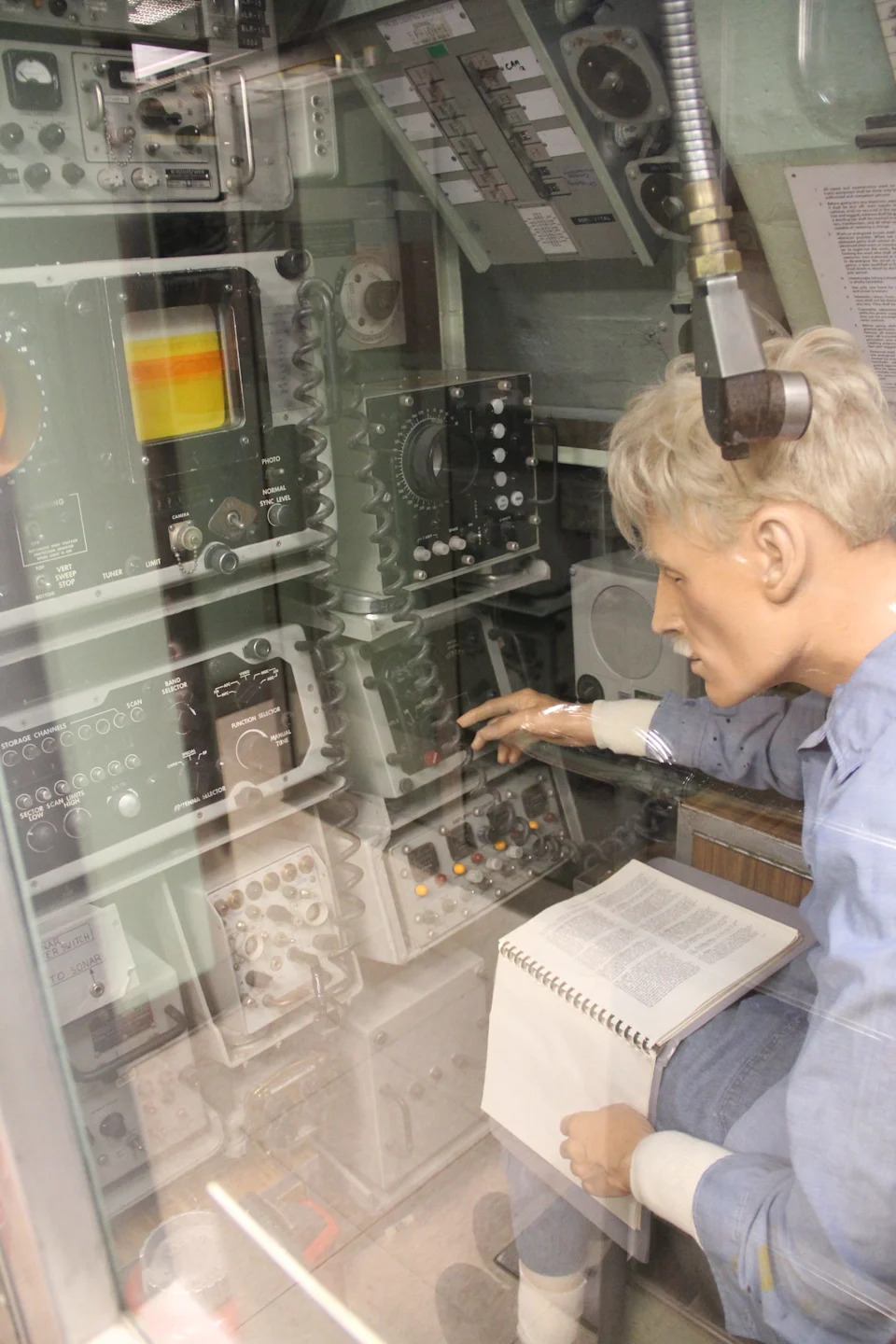
The ESM bay.Talia Lakritz/Business Insider
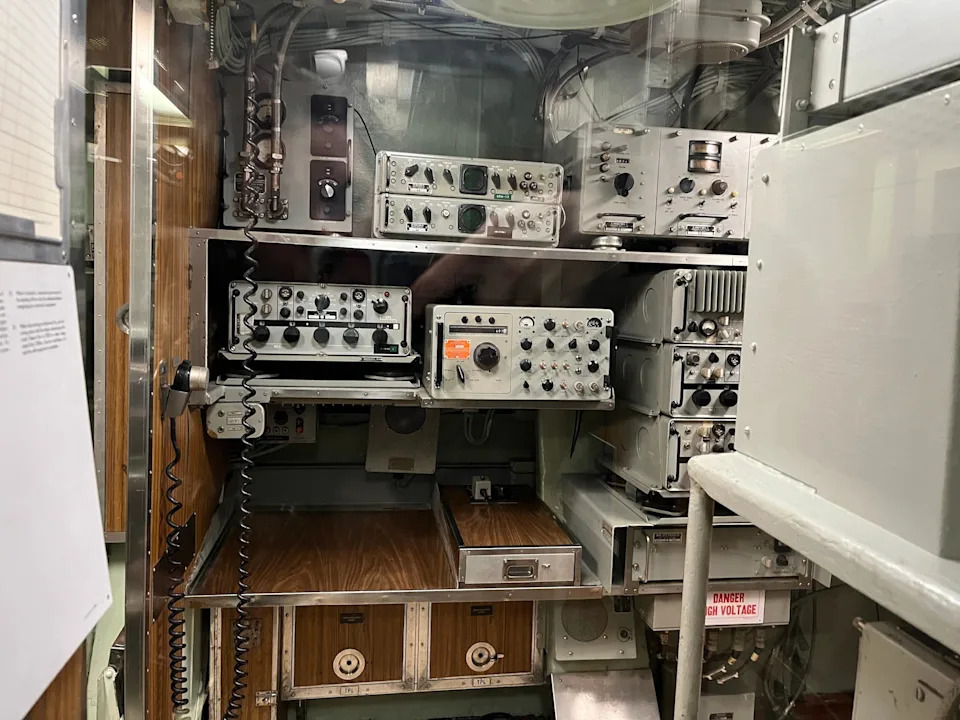
The radio room.Talia Lakritz/Business Insider
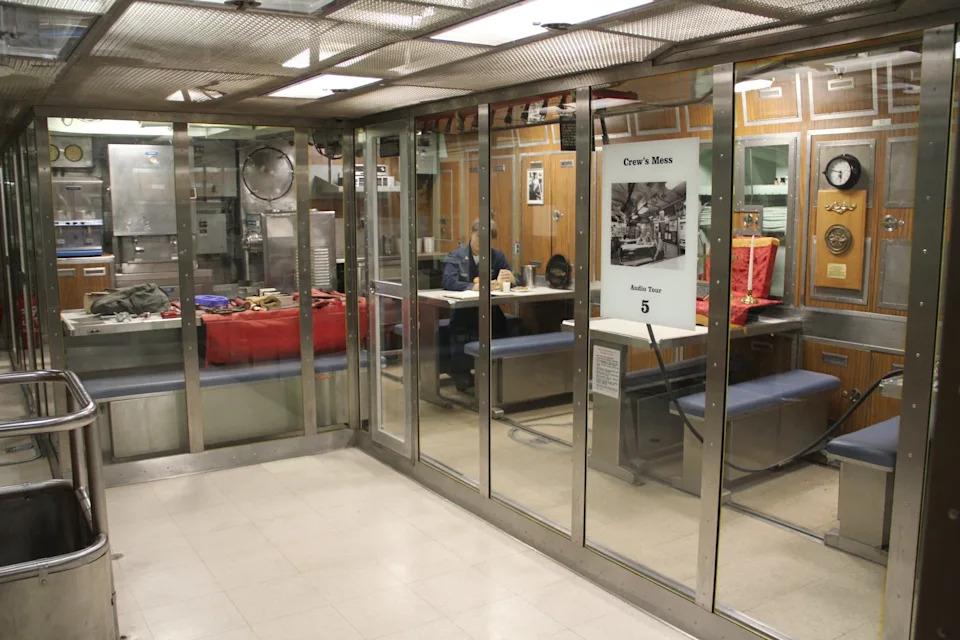
The crew's mess.Talia Lakritz/Business Insider
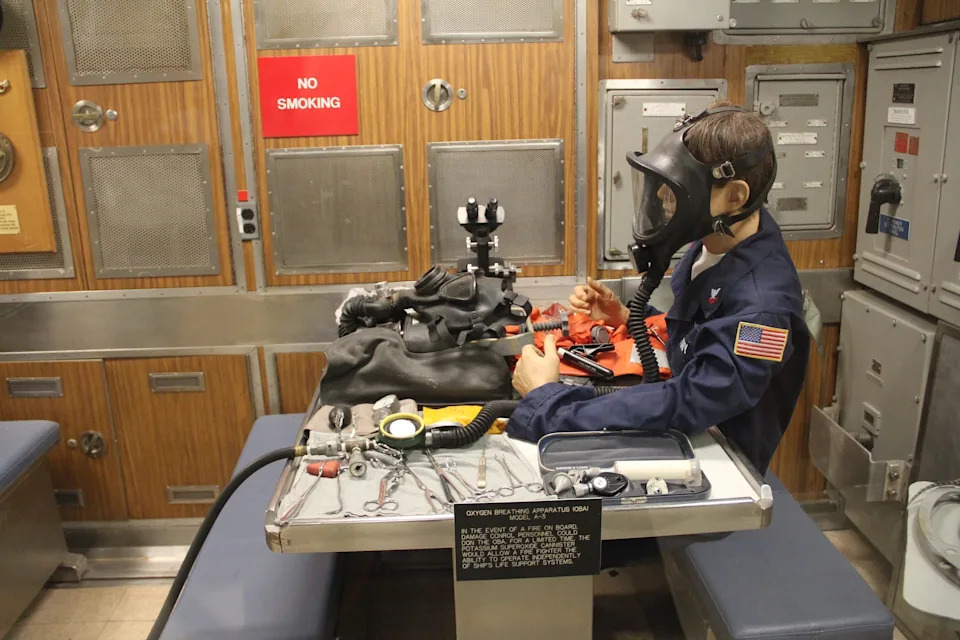
An oxygen breathing apparatus.Talia Lakritz/Business Insider
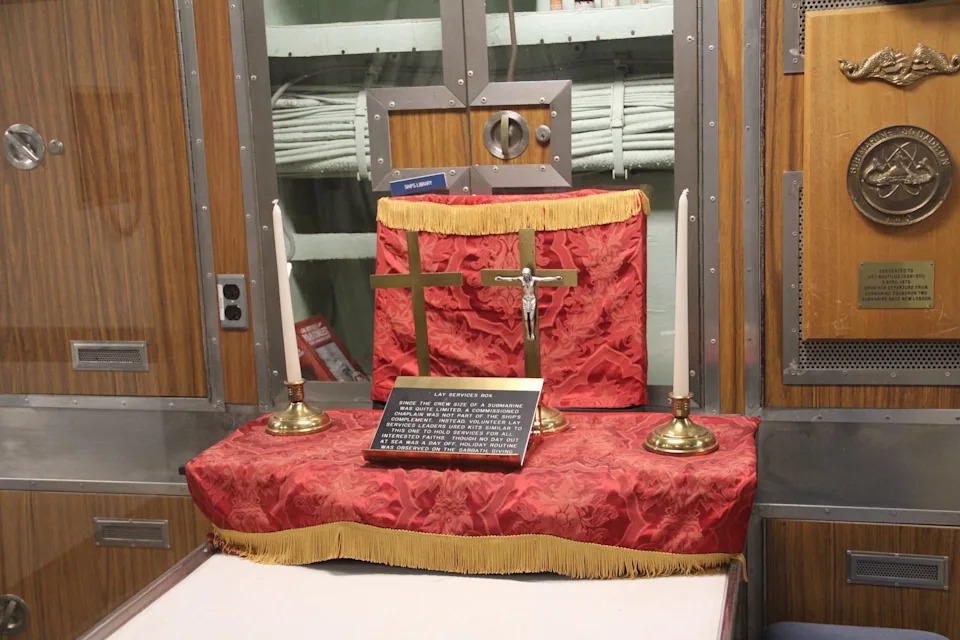
The lay services box.Talia Lakritz/Business Insider
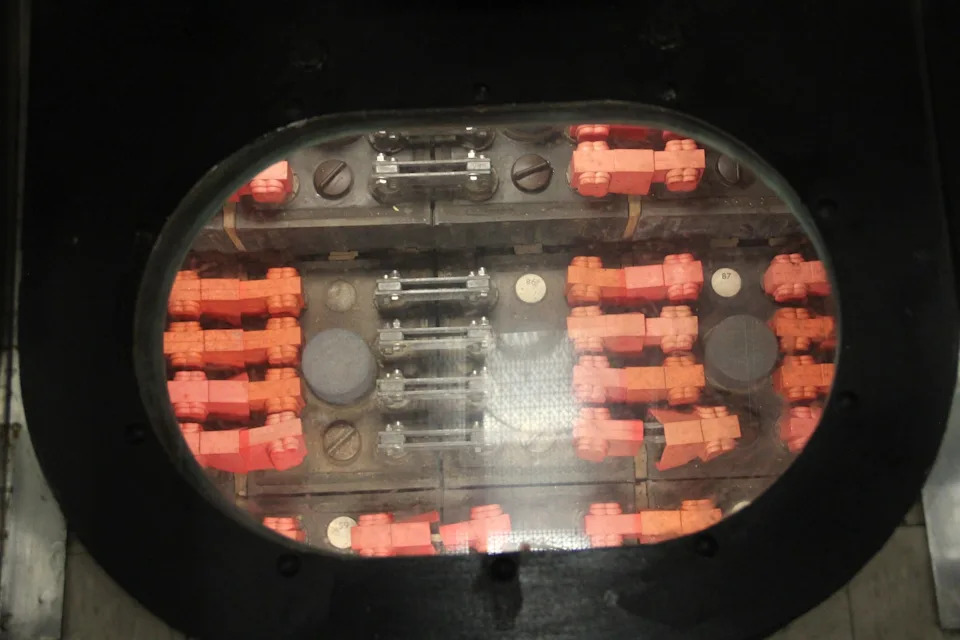
The battery well.Talia Lakritz/Business Insider
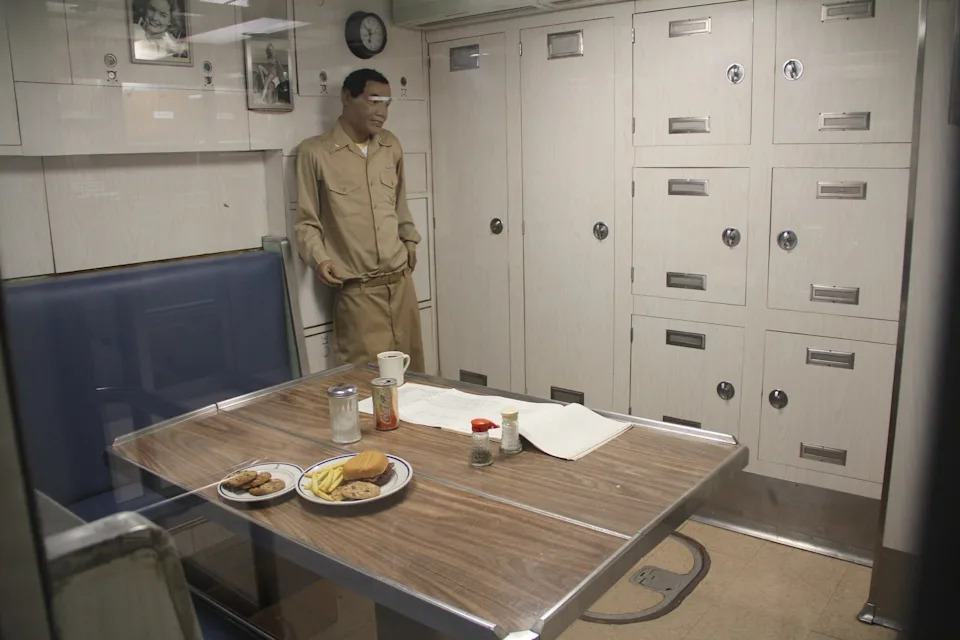
The chief petty officers' lounge.Talia Lakritz/Business Insider
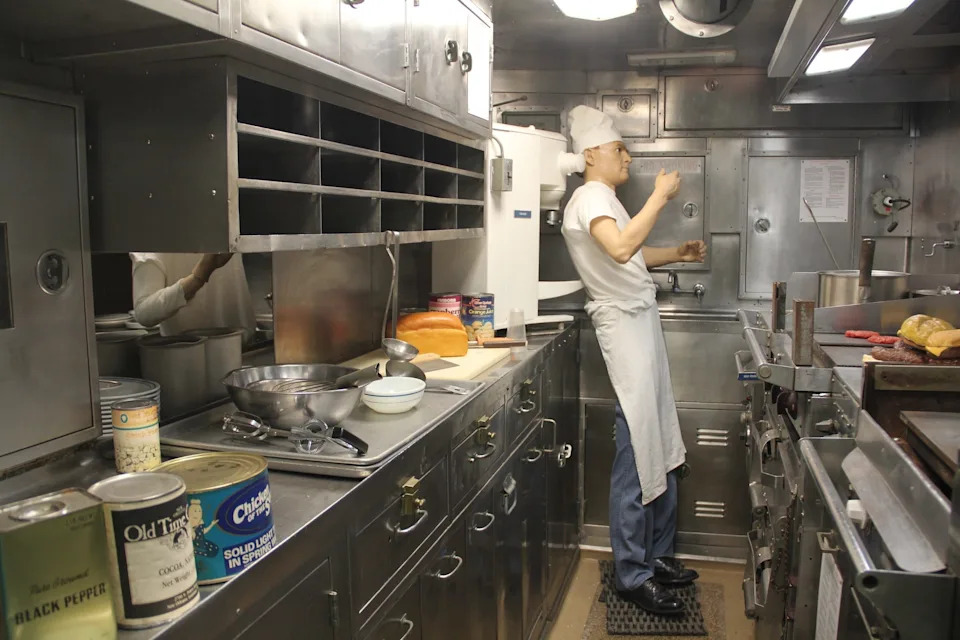
The galley.Talia Lakritz/Business Insider
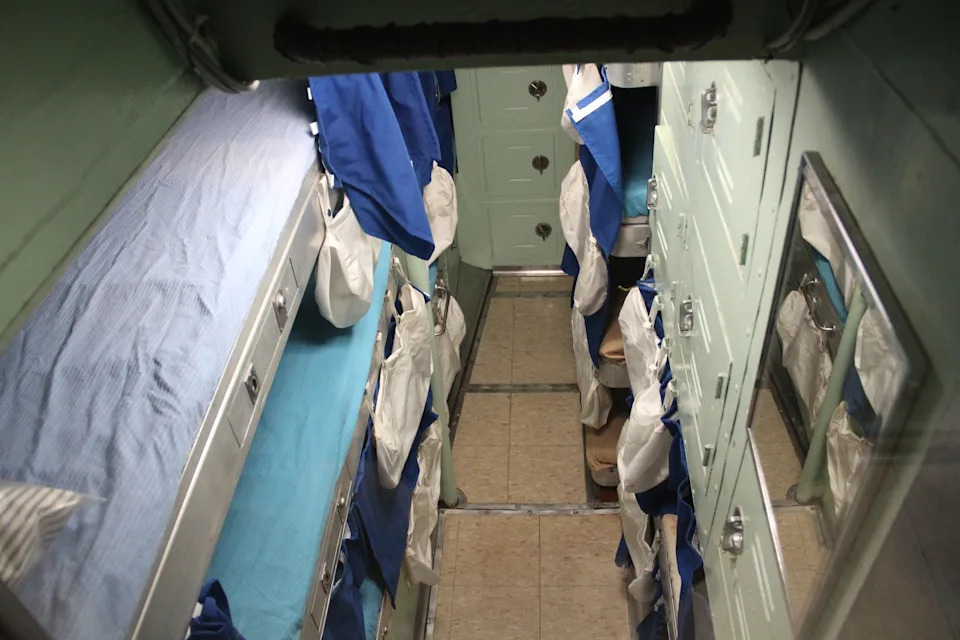
Crew quarters on the USS Nautilus.Talia Lakritz/Business Insider
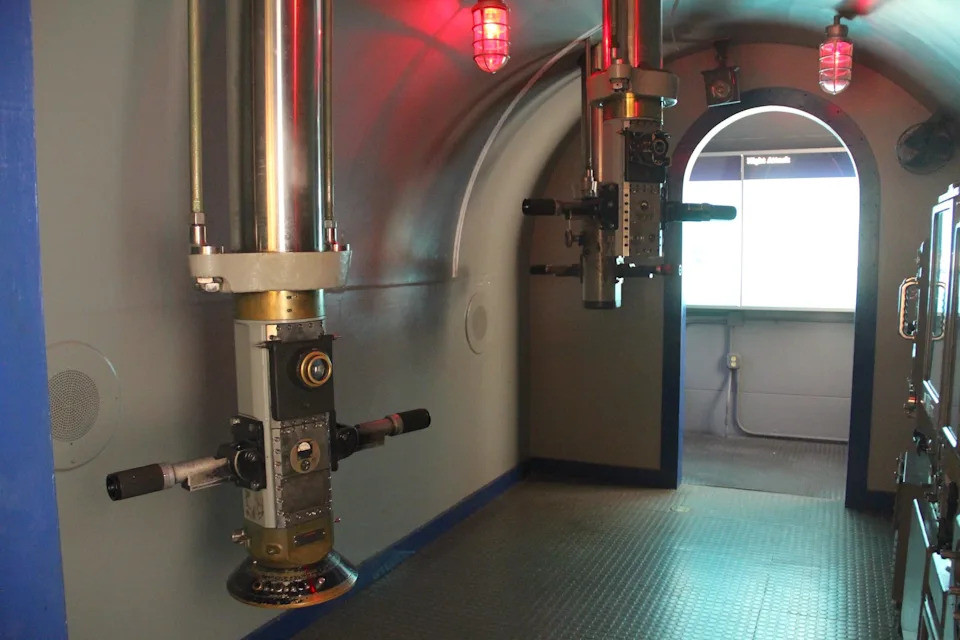
Periscopes inside the museum.Talia Lakritz/Business Insider
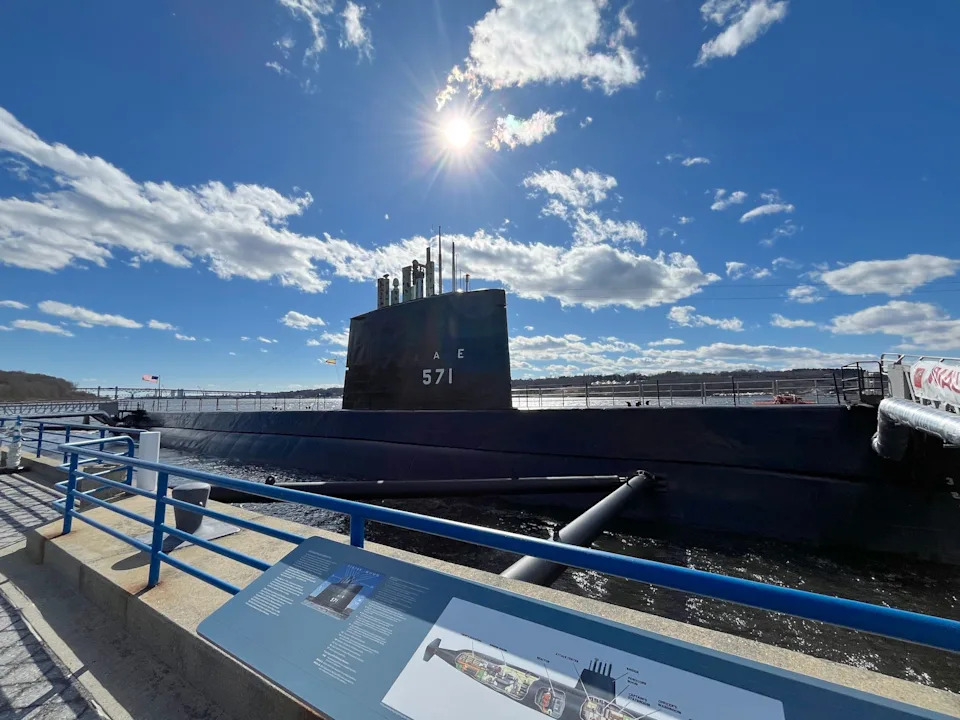
The USS Nautilus.Talia Lakritz/Business Insider


