North Korea released state media photos of a large, burgundy‑hulled vessel it calls a near‑complete nuclear‑powered submarine. Former CIA officer Tracy Walder warns the images may be altered and cannot be independently verified. Walder believes the photos suggest plans may exist but says there is no evidence the sub is operational. The release comes ahead of North Korea’s five‑year party meeting and amid China’s rapid naval expansion.
Are North Korea’s Submarine Photos Real? Ex‑CIA Officer Casts Doubt

Is North Korea nuclear sub real? Ex-CIA officer wonders
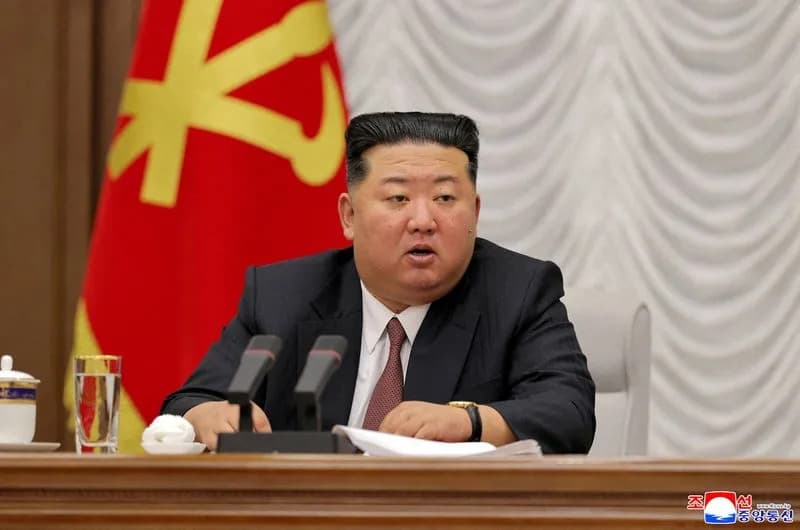
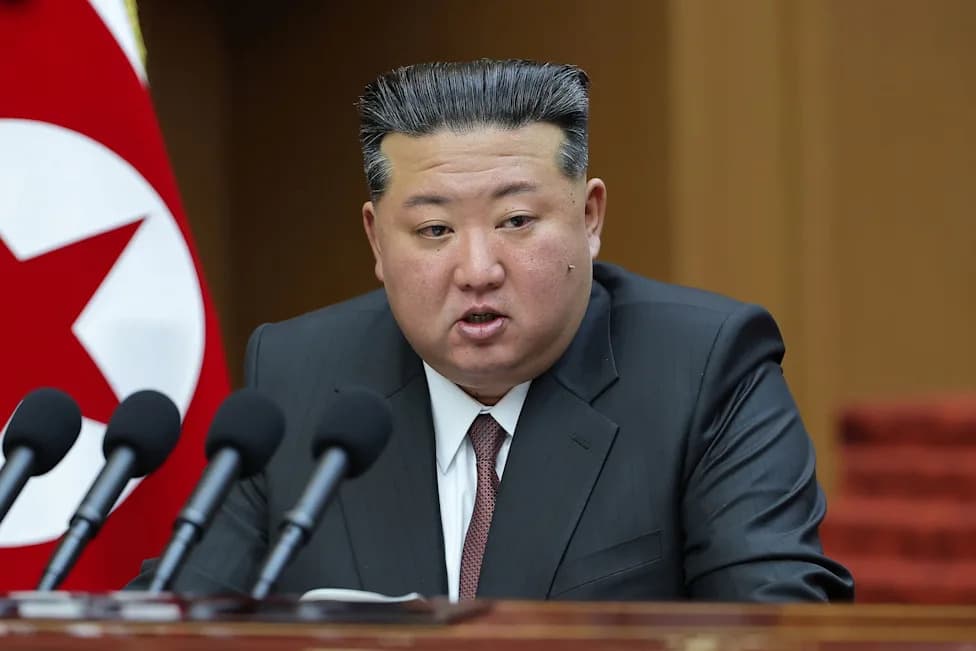
North Korean state media recently released photographs that it says show a nearly completed nuclear‑powered submarine. The images depict a very large, burgundy hull and footage of leader Kim Jong Un inspecting the vessel.
But Tracy Walder, a former CIA officer and NewsNation national security contributor, urged caution, saying the photos alone do not prove the submarine is genuine or operational. She noted that state media have a history of manipulating images and that independent journalists are not allowed in to verify Pyongyang’s claims.
“It is from North Korean state media, which does have a history, obviously, of altering photos to make themselves look better — that’s just what they do,” Walder said. “They do not allow independent journalists to come in and verify these claims.”
Walder pointed out that the released images do not show the vessel’s interior, propulsion system, or any clear evidence of submarine‑launched nuclear capability. “My guess is they wouldn’t publish a picture like this if they didn’t have some plans underway or some semblance of plans underway,” she said. “Now, is this thing operational? Absolutely not.”

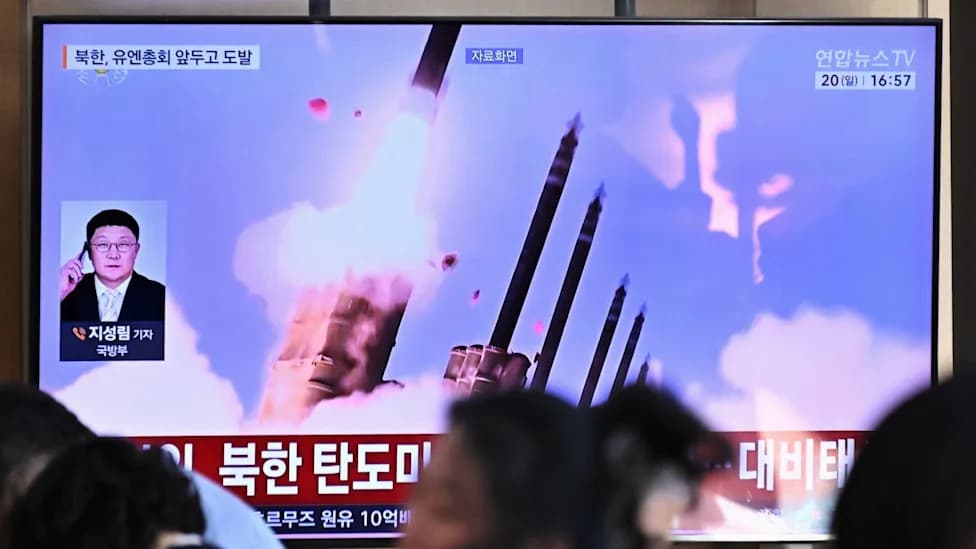
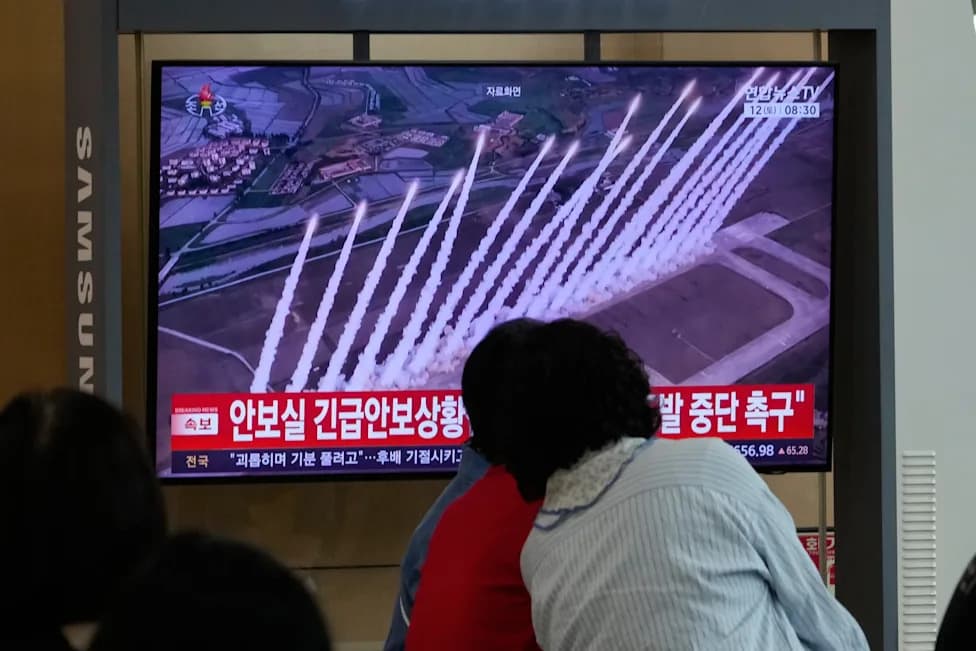
People seen looking at a 24-hour Yonhap news TV broadcast at Seoul Railway Station showing North Korean leader Kim Jong Un at the manufacturing site of an 8,700-tonnage nuclear-powered strategic guided missile submarine at an undisclosed location. (Photo by Kim Jae-Hwan/SOPA Images/LightRocket via Getty Images)
Context And Regional Implications
The timing of the release is notable: North Korea’s leadership is preparing for its once‑in‑five‑years party meeting, an event that often highlights regime achievements. The visuals and Kim’s inspection may be intended in part for domestic propaganda and international signaling.
Analysts warn that if North Korea were to develop an operational submarine capable of launching nuclear weapons, it would raise serious security concerns for the United States and regional allies. Walder also noted that China is rapidly expanding its navy, intensifying strategic competition in the region.
Without independent verification, open‑source analysts and governments will rely on satellite imagery, expert imagery analysis, and other intelligence to assess whether the vessel represents a credible advance in Pyongyang’s military capabilities.
Help us improve.