The Interior Department will add a $100 surcharge for non-resident visitors at 11 of the busiest U.S. national parks beginning in 2026, raising the non-resident annual "America the Beautiful" pass to $250 while U.S. residents remain at $80. Proponents argue the modest fee targets visitors who already invest heavily in travel and would provide vital, local funding to address an estimated $23 billion deferred maintenance backlog, aging infrastructure, and record crowds. Evidence cited indicates international demand is highly inelastic, so higher fees would likely raise substantial revenue with minimal effect on visitation. The surcharge aligns U.S. practice with international parks that charge non-residents higher rates while keeping parks better maintained for future visitors.
A Practical Fix for National Parks: Ask International Visitors To Pay a Little More
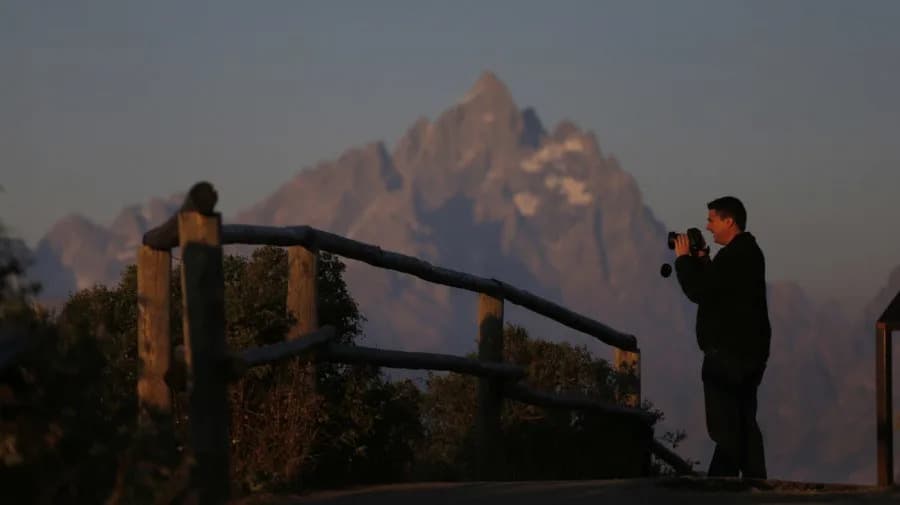
When the Interior Department announced that, beginning in 2026, international visitors will pay a $100 surcharge to enter 11 of the nation’s busiest national parks, critics called the move "gouging." That reaction is understandable, but it overlooks a simple truth: a modest, targeted surcharge can provide immediate, predictable funding to preserve iconic landscapes strained by record visitation and aging infrastructure.
How the Surcharge Would Work
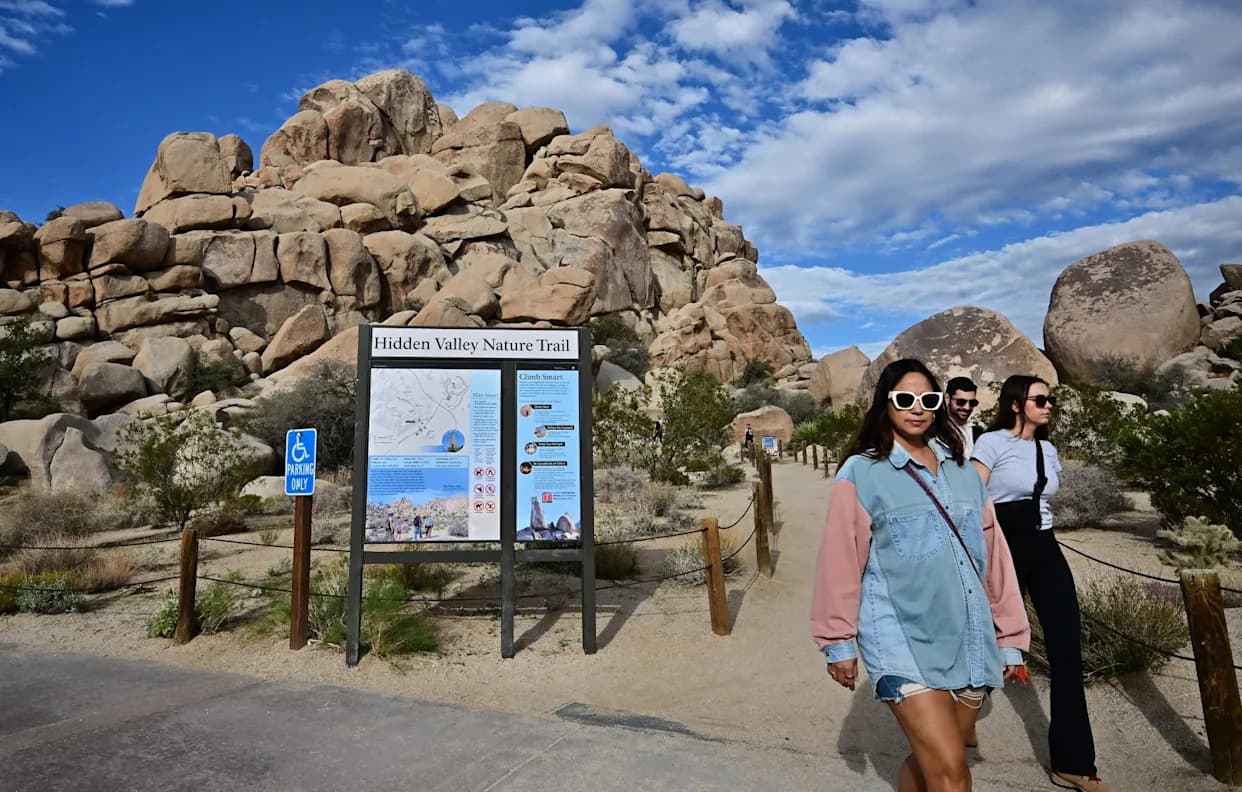
Under the plan, non-resident visitors entering parks such as Yosemite and the Grand Canyon would pay an extra $100 on top of the base entrance fee. The cost of a non-resident "America the Beautiful" annual pass would rise to $250, while the resident pass would remain $80. The surcharge applies to 11 high-demand parks and is intended to direct more resources to the sites that experience the heaviest wear and tear.
Why This Matters Now
America’s national parks face a substantial maintenance backlog and mounting operational pressures. The National Park Service’s deferred maintenance backlog is commonly estimated at roughly $23 billion, manifested in failing wastewater systems, eroded trails, potholed roads, decaying boardwalks and inadequate employee housing that complicates staffing. While one-time infusions such as the Great American Outdoors Act’s Legacy Restoration Fund helped, they do not solve a long-term funding gap exacerbated by inflation and historic visitation levels.
Who Pays—and Who Benefits
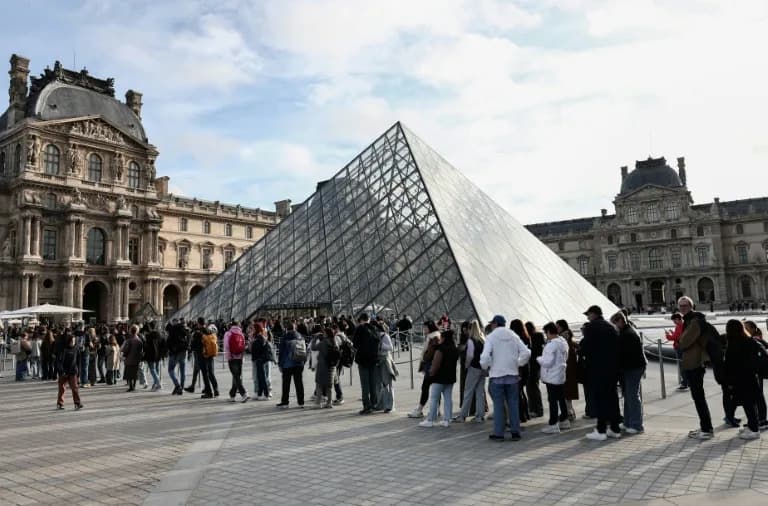
International visitors already account for a meaningful share of visits at many marquee parks—about 15% of Yellowstone’s annual visits and as much as 40% of Grand Canyon visits. Many overseas travelers have invested thousands of dollars to travel to the United States; research cited by the author finds the average international visitor to Yellowstone spends roughly $4,500 on their trip, so a $100 surcharge is a relatively small addition to overall travel costs.
Crucially, the analysis indicates demand from overseas visitors to Yellowstone is highly inelastic: a 10% increase in fees would reduce international visitation by an estimated 0.03%—essentially negligible. If accurate, that suggests the surcharge would raise substantial revenue with minimal impact on international visitation.
How Funds Would Be Used
Approximately 80% of entrance fees are retained at the park where they are collected, with the remainder supporting other sites across the system. That local retention means superintendents confronting urgent threats—failing water mains, hazardous bridges, or unsafe trails—could act more quickly without awaiting the next federal budget decision. Better-funded parks can improve visitor experiences, protect natural and cultural resources, and create a virtuous cycle: improved facilities attract visitors, who in turn generate more resources for maintenance and stewardship.
Global and Domestic Comparisons
Many other park systems already use differential pricing for residents and non-residents. Galápagos National Park charges foreign tourists $200 versus $30 for Ecuadorians; Kruger National Park charges roughly $25 per day for international visitors and about $6 for locals. Within the United States, many state parks and wildlife agencies charge higher fees for out-of-state visitors and non-resident hunting and fishing licenses—practices Americans commonly accept when traveling.
Balancing Access and Stewardship
Charging international visitors slightly more is not intended to be gatekeeping. Rather, it is a pragmatic approach to ensure national parks remain safe, accessible and awe-inspiring for future generations. With predictable, user-supported revenue, park managers can prioritize urgent repairs and sustain the landscapes that draw people from around the world.
Tate Watkins is a research fellow at the Property and Environment Research Center.
Help us improve.