The Trump administration’s new $100 surcharge for non‑resident visitors to 11 popular US national parks, effective 1 January, has caused long queues, citizenship checks at park gates and many tourists turning away. The non‑resident annual pass rose from $80 to $250. Environmental groups have sued, arguing the fee is illegal; the NPS says the revenue will help address deferred maintenance but the policy’s wider impacts remain uncertain.
New $100 Surcharge for Non‑Residents at 11 US National Parks Sparks Chaos and Legal Battle
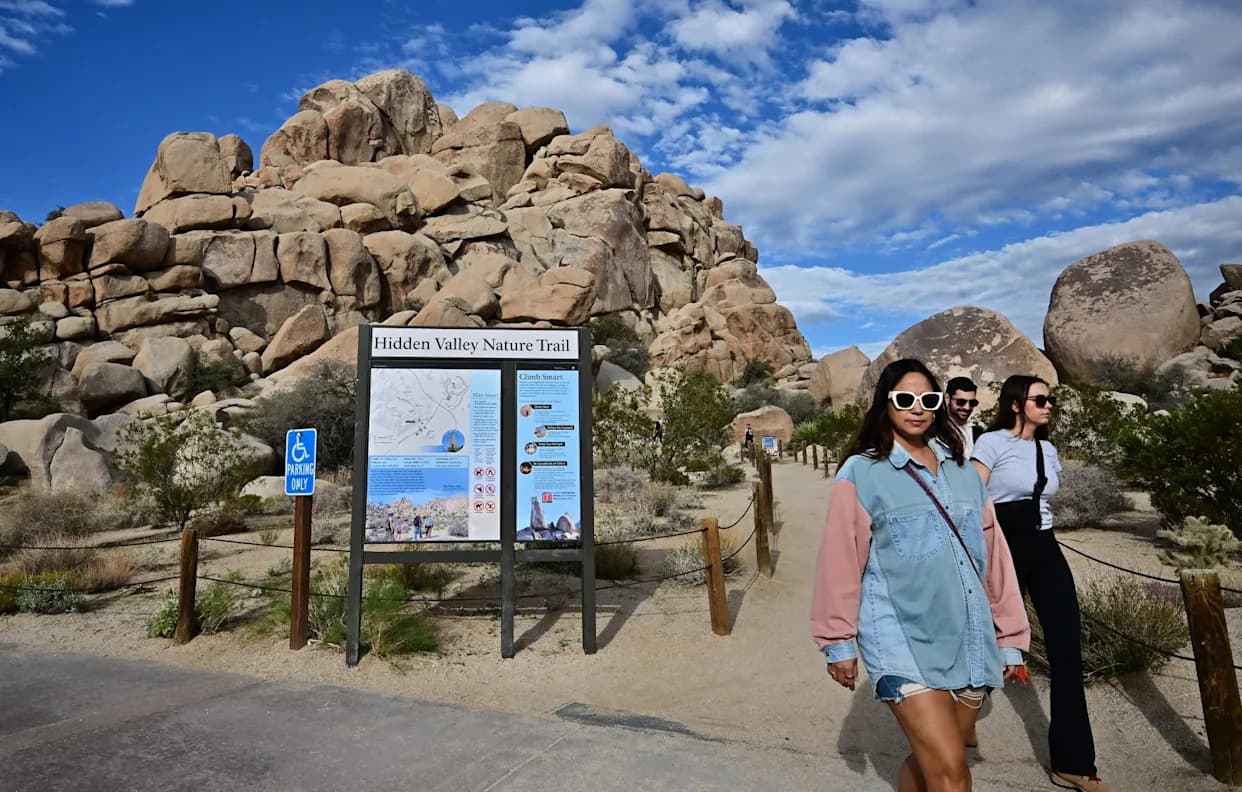
People exit the Hidden Valley Nature trail at Joshua Tree national park in California, on 10 October 2025.Photograph: Frederic J Brown/AFP/Getty Images
A newly introduced $100 surcharge for non‑resident visitors to 11 popular US national parks has led to long entry lines, confusion at park gates and a legal challenge. The fee, announced in November and effective 1 January under the Trump administration, requires nationality checks at entrances and has prompted many tourists to turn away rather than pay.
What the rule does
Under the new policy, every person who is not a US resident must pay an additional $100 to enter any of 11 high‑traffic parks — including the Grand Canyon, Yellowstone and the Everglades — on top of the existing entrance fee. The non‑resident annual pass that covers access to all parks has jumped from $80 to $250.
Operational impacts and staff accounts
National Park Service (NPS) employees at multiple parks — speaking to the Guardian on condition of anonymity — reported extended entry waits while staff verify passports or green cards. Some workers described tense encounters with visitors and groups who faced total surcharges of several hundred dollars for single visits.
“It’s been chaos; for staff it has been very trying,” said one gate employee at a major western park. “A lot of people just turn around, some people yell and get angry. It’s an outrageous fee — it’s like we are telling people we don’t want them here.”
Other staff called the process awkward and warned the policy risks “alienating visitors for decades,” especially at parks where a large share of visitors are international travellers.
Legal and policy dispute
Environmental groups, led by the Center for Biological Diversity, argue the tiered fee structure is unlawful because the existing rules do not permit fees to vary by nationality. The group filed a federal lawsuit seeking to reverse the change, saying Congress has not enacted a law authorizing nationality‑based park fees.
An NPS spokesperson defended the move, saying the surcharge will help “keep our parks beautiful and running well, including for addressing the deferred maintenance backlog,” and that the additional cost is a small portion of a typical international traveller’s overall trip expenses. The agency also said it is too early to estimate revenue or to know whether the hike will deter visitors.
Controversy over annual passes
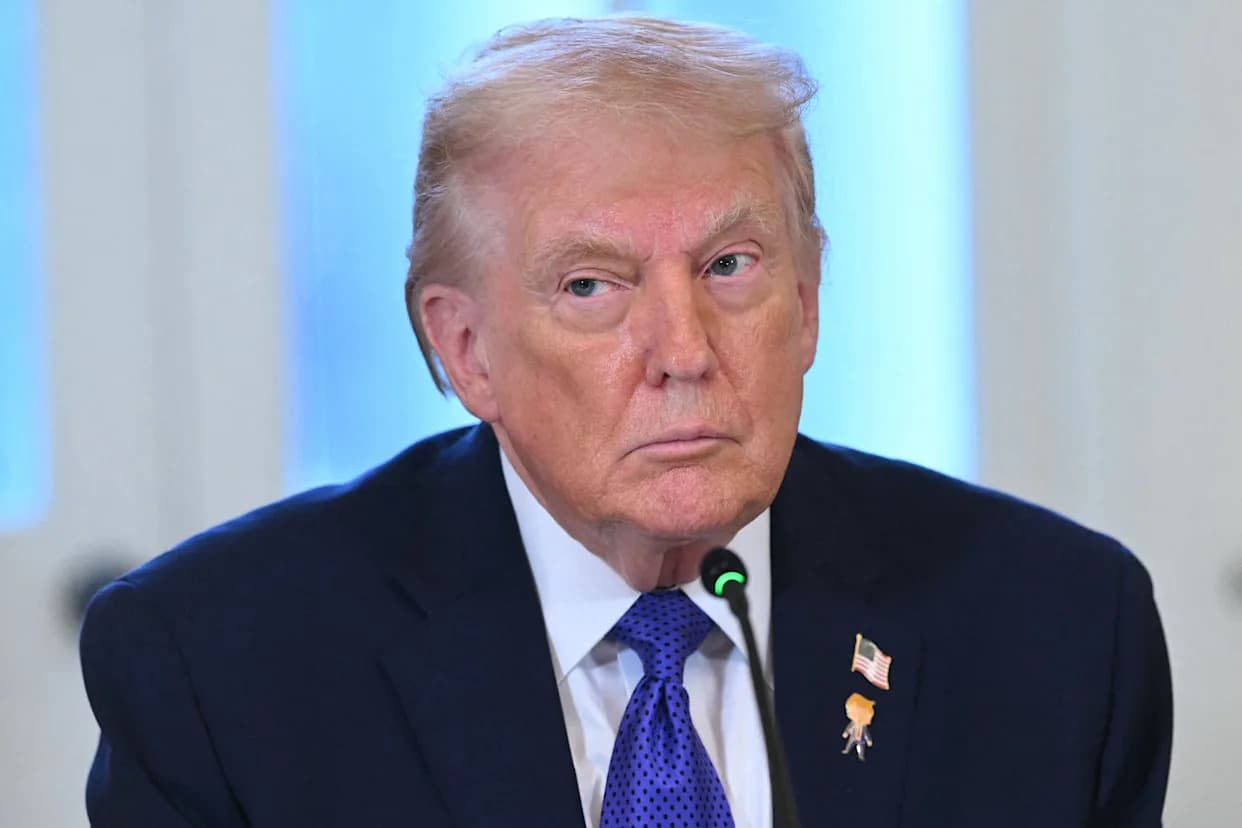
The revised annual pass for 2026 has provoked separate controversy because it features a portrait of President Donald Trump alongside an image of George Washington. The pass image was originally supposed to be selected via a public photo contest — the contest winner depicted Glacier National Park — and some passholders have covered the presidential portrait with stickers. The NPS has warned that altering a pass could invalidate it.
Context and outlook
Staffers say the rollout has come amid significant strain at the Park Service, with reports of substantial workforce reductions and shifting administrative directives, contributing to operational disruption. The immediate effects include frustrated visitors, longer processing times at gates, and the potential for reduced international visitation if the surcharge remains in place or if litigation succeeds in blocking it.
The dispute is likely to play out in court and in public debate over park funding, access and the role of national parks in tourism. For now, parks continue to enforce the surcharge while the NPS evaluates the policy's financial and visitation impacts.
Help us improve.