France has increased admission fees for adult visitors from outside the EU, Iceland, Liechtenstein and Norway, raising the Louvre non-EU ticket to €32 — a 45% jump — while Versailles and other state sites also raised prices. The government says the measure will generate €20–30 million annually and help fund a planned €1 billion renovation of the Louvre. Trade unions, academics and some critics denounce the move as discriminatory and nationalistic, and staff warn of added administrative burdens from ID checks. The policy breaks with common European practice and has reignited debate over who should pay for national cultural heritage.
Louvre Ticket Hike for Non-EU Visitors Sparks Outcry — Is 'Dual Pricing' Fair?
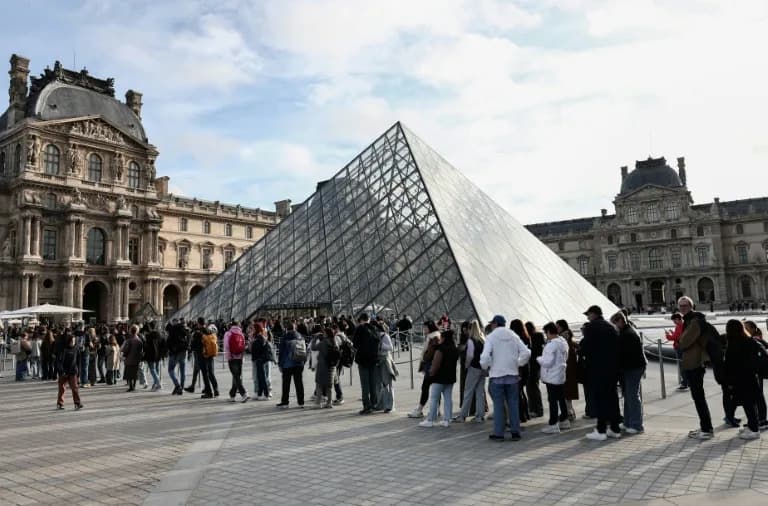
Entrance fees to the Louvre are set to rise for foreign tourists from Wednesday (Thibaud MORITZ)(Thibaud MORITZ/AFP/AFP)
France has provoked a heated debate by raising admission prices for adult visitors from outside the European Union, Iceland, Liechtenstein and Norway, moving the standard Louvre ticket for non-EU adults to €32 — a 45% increase. The Palace of Versailles and other state-run attractions are also applying modest hikes.
What Changed and Who Is Affected
From Wednesday, adults who are not residents of the EU, Iceland, Liechtenstein or Norway must pay €32 to enter the Louvre. The increase affects large groups of tourists, including many visitors from the United States, the United Kingdom and China, and also applies to people from lower-income countries.
Government Rationale
The French government says the measure is driven by financial necessity: it expects to raise roughly €20–30 million a year to help cover operating costs and to contribute to an extensive renovation plan for the Louvre announced by President Emmanuel Macron. That renovation is estimated to cost about €1 billion.
Criticism and Practical Concerns
Trade unions at the Louvre condemned the policy as "philosophically, socially and on a human level shocking" and have threatened strike action alongside other grievances. Unions argue that the museum's collection of roughly 500,000 items — many originating from Egypt, the Middle East and Africa — represents a universal human legacy that should not be subject to differential pricing.
Beyond principle, staff are concerned about new practical burdens: employees will need to check identity documents at entry, increasing administrative work and the potential for confrontations at ticket desks.
"The French are not meant to pay for everything all by themselves," said Culture Minister Rachida Dati when announcing the hikes, adding that the surcharge would contribute to funding the renovation of national heritage sites.
Broader Context and Comparisons
Dual pricing for visitors is uncommon in Europe but more typical in some developing countries: examples include differential admission at Machu Picchu and the Taj Mahal. French academic Patrick Poncet compared the policy to recent U.S. measures, noting that the Trump administration similarly increased fees for foreign visitors to U.S. national parks.
How This Differs From European Practice
Most European cultural institutions use age- or residency-based concessions rather than nationality-based pricing. The Louvre will remain free to minors from all countries and to European residents under 26. By contrast, countries such as the UK have long offered universal free access to permanent collections in many national museums.
Reactions And What Might Happen Next
The policy has reignited a wider debate over who should pay for national cultural heritage and whether state-funded institutions should charge differently according to nationality. Observers will watch whether other high-profile European sites follow France's lead or maintain existing practices.
Key facts: Louvre non-EU adult ticket €32 (45% rise); government aims to raise €20–30m annually; part of funds earmarked for a €1bn renovation; unions and some critics call the move discriminatory and politically charged.
Help us improve.